
When life feels overwhelming and emotions run high, many of us search for natural ways to find balance and inner peace. The best essential oils for emotional healing have been used for centuries to support mental wellbeing, reduce stress, and promote emotional harmony. These powerful plant extracts offer more than just pleasant aromas—they provide a holistic approach to managing difficult feelings and creating a sense of calm in our daily lives.
Essential oils work through aromatherapy, which influences the limbic system in our brain—the area responsible for emotions, memories, and mood regulation. Because of this direct connection, certain oils can help us process grief, overcome anxiety, release anger, and cultivate joy. In this comprehensive guide, we’ll explore the most effective essential oils for emotional healing and how you can incorporate them into your wellness routine.
If you’re looking to deepen your emotional healing journey, consider pairing aromatherapy with mindfulness practices. Our guide Everyday Calm: A Beginner’s Guide to Daily Meditation offers practical techniques that work beautifully alongside essential oil therapy to create lasting inner transformation.
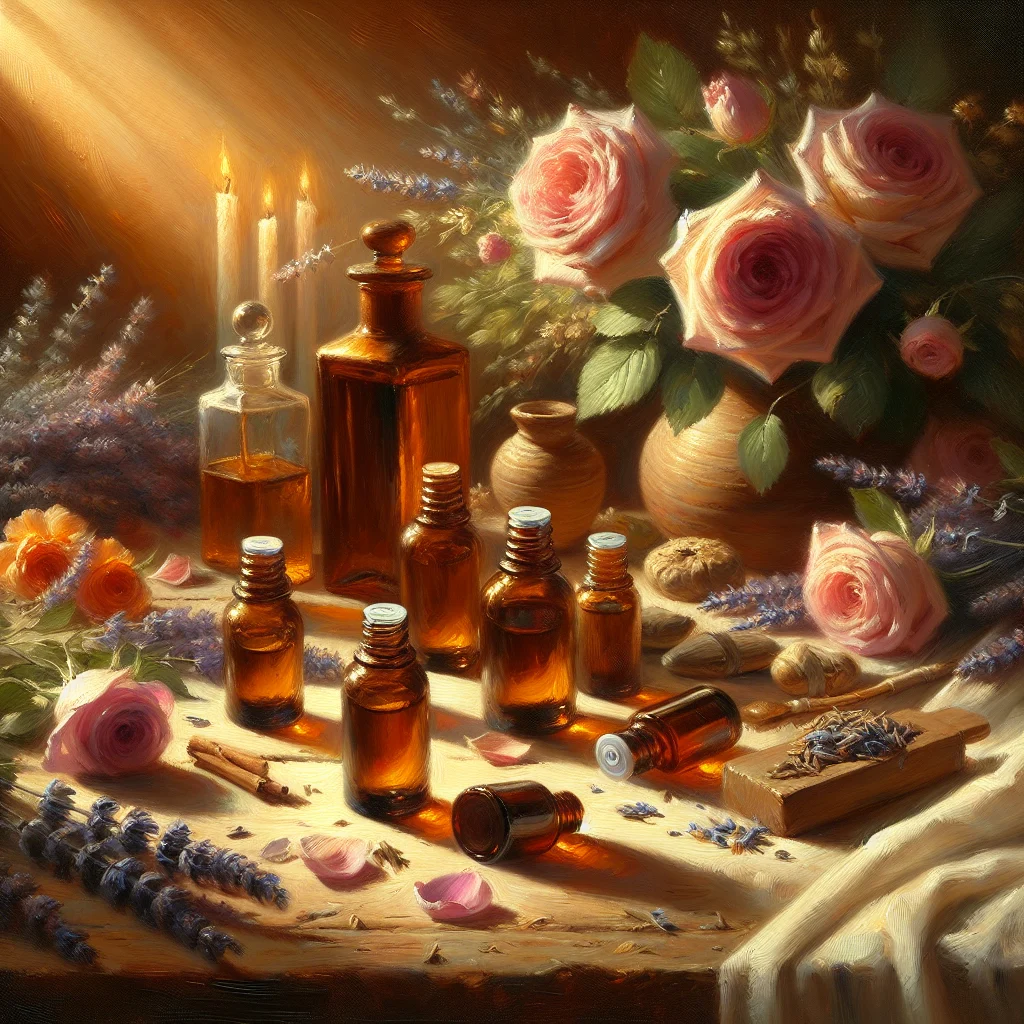
Understanding the Connection Between Scent and Emotion
Our sense of smell is uniquely powerful when it comes to emotional processing. Unlike other senses, olfactory signals travel directly to the limbic system without first passing through the thalamus. This means scents can trigger immediate emotional responses and memories, often before we’re consciously aware of them.
Research published by the National Institutes of Health has demonstrated that aromatherapy can significantly reduce anxiety, improve sleep quality, and enhance overall emotional wellbeing. However, not all essential oils affect everyone the same way. Personal preferences, past experiences, and individual brain chemistry all play a role in how we respond to different scents.
The practice of using essential oils for emotional healing fits naturally within a holistic living approach. Rather than treating symptoms in isolation, aromatherapy addresses the whole person—mind, body, and spirit—creating conditions for genuine healing to occur.
The Science Behind Aromatherapy
When you inhale essential oil molecules, they interact with olfactory receptors in your nose. These receptors send signals to your brain’s limbic system, which then triggers various physiological responses. For example, lavender oil has been shown to increase alpha brain waves associated with relaxation, while citrus oils can boost serotonin production.
Free Guided Meditation · Day 1
You Are Safe Right Now.
5 min · Breathwork & body scan · Stress release
Liked it? Get the full audio.
Enter your email and we'll send you the complete 5-minute meditation — free, straight to your inbox.
Zero spam. Unsubscribe anytime.
Check Your Inbox.
Your full 5-minute meditation is on its way. Open the email and hit play — your reset starts now.
Can't find it? Check your spam folder.
Additionally, some essential oils can be absorbed through the skin during massage or topical application. This allows their therapeutic compounds to enter the bloodstream, providing both psychological and physical benefits. Always dilute essential oils with a carrier oil before applying them to skin to prevent irritation.
The Best Essential Oils for Emotional Healing
While dozens of essential oils offer emotional benefits, certain ones stand out for their proven effectiveness and versatility. The following oils represent the cornerstone of any emotional healing aromatherapy practice.
Lavender: The Universal Healer
Lavender essential oil is perhaps the most widely recognized oil for emotional support. Its gentle, floral scent promotes relaxation, reduces anxiety, and helps ease emotional tension. Studies have consistently shown lavender’s effectiveness in lowering cortisol levels and improving sleep quality.
This versatile oil works well for:
- Calming anxiety and nervousness
- Easing emotional exhaustion
- Supporting restful sleep
- Reducing irritability and mood swings
- Creating a sense of peace and security
Try adding a few drops to your pillowcase before bed, or diffuse it during meditation for enhanced relaxation. Because of its gentle nature, lavender is safe for most people and blends beautifully with nearly any other essential oil.
Bergamot: The Mood Lifter
Extracted from the rind of bergamot oranges, this citrus oil has a unique ability to simultaneously calm and uplift. Bergamot essential oil is particularly helpful for those experiencing depression, seasonal affective disorder, or emotional fatigue.
Research indicates that bergamot can reduce cortisol levels while increasing feelings of joy and energy. Furthermore, it’s one of the few oils that can help balance extreme emotional states—calming when you’re anxious, yet energizing when you’re feeling low.
For best results, diffuse bergamot in the morning to start your day with positivity, or apply diluted bergamot to pulse points when you need an emotional boost throughout the day.
Frankincense: The Spiritual Grounding Oil
Used in spiritual practices for thousands of years, frankincense essential oil helps deepen meditation, quiet mental chatter, and connect with your inner wisdom. Its warm, resinous aroma creates a sense of peace and spiritual awareness.
This sacred oil excels at:
- Reducing stress and anxiety
- Supporting emotional release during trauma processing
- Enhancing meditation and spiritual practices
- Promoting feelings of protection and safety
- Encouraging emotional clarity and perspective
Many practitioners of mindfulness and meditation incorporate frankincense into their daily routines. Its grounding properties make it especially valuable when working through difficult emotions or past traumas.
Rose: The Heart Healer
Although expensive due to the large quantity of petals needed for extraction, rose essential oil is unmatched in its ability to heal emotional wounds related to love, loss, and heartbreak. Its exquisite floral scent opens the heart chakra and promotes self-love and compassion.
Rose oil is particularly beneficial for:
- Healing from grief and loss
- Processing relationship challenges
- Cultivating self-love and acceptance
- Soothing emotional pain and sadness
- Opening to giving and receiving love
Because of its cost, many people choose rose absolute or use it sparingly in blends. Nevertheless, even a single drop can create profound emotional shifts when applied mindfully.
Chamomile: The Gentle Soother
Both Roman and German chamomile essential oils offer powerful emotional healing properties. Their sweet, apple-like scent calms anger, soothes frayed nerves, and helps release pent-up frustration and resentment.
Chamomile is especially helpful for those who tend to internalize emotions or struggle with expressing anger appropriately. It creates a safe emotional space where difficult feelings can be acknowledged and released without judgment.
This gentle oil works beautifully in combination with techniques from emotional release breathing practices, helping you let go of stored emotional tension in the body.
Ylang Ylang: The Joy Bringer
Ylang ylang essential oil has an intensely sweet, exotic floral aroma that promotes feelings of joy, sensuality, and emotional freedom. This oil is particularly effective for releasing feelings of anger, frustration, and emotional rigidity.
Traditional use of ylang ylang includes:
- Reducing feelings of anger and irritability
- Promoting joy and playfulness
- Easing symptoms of depression
- Encouraging emotional expression
- Supporting healthy self-esteem
However, ylang ylang has a very strong scent, so use it sparingly. A little goes a long way, and too much can become overwhelming or cause headaches in sensitive individuals.
Vetiver: The Anxiety Antidote
With its deep, earthy, smoky aroma, vetiver essential oil is incredibly grounding and stabilizing. Often called “the oil of tranquility,” vetiver helps calm racing thoughts, reduce anxiety, and bring scattered energy back into focus.
This oil is especially valuable for those who feel emotionally ungrounded or scattered. It creates a sense of being rooted and present, making it easier to process emotions without becoming overwhelmed.
Vetiver works particularly well when diffused in the evening or applied to the soles of the feet before bed. As a result, it can significantly improve sleep quality for those whose anxiety disrupts rest.
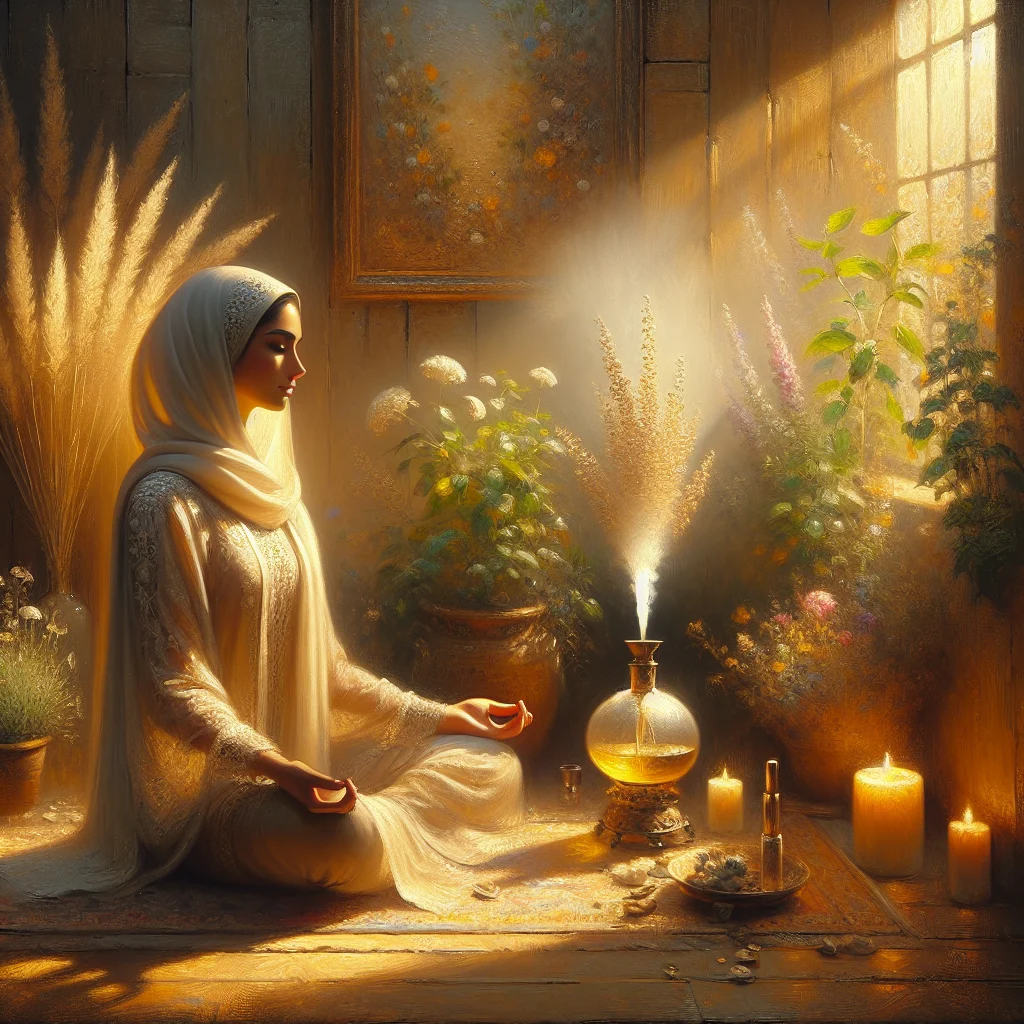
Creating Your Personal Emotional Healing Blends
While individual oils are powerful, blending essential oils can create synergistic effects that are greater than the sum of their parts. Creating custom blends allows you to address your specific emotional needs while developing a personal aromatherapy practice.
Basic Blending Guidelines
When creating blends, start with these fundamental principles:
- Follow the rule of thirds: Use approximately one-third base notes (like vetiver or frankincense), one-third middle notes (such as lavender or chamomile), and one-third top notes (like bergamot or citrus oils)
- Start small: Begin with just 2-3 oils until you understand how they work together
- Keep records: Write down your recipes so you can recreate successful blends
- Less is more: Use 5-10 total drops of essential oil per blend for diffusers
- Always dilute for topical use: Mix essential oils with carrier oils at a 2-3% dilution rate
Blends for Specific Emotional States
For anxiety and stress relief:
- 3 drops lavender
- 2 drops bergamot
- 1 drop frankincense
For grief and heartache:
- 2 drops rose (or rose geranium as a budget alternative)
- 2 drops frankincense
- 1 drop sandalwood
For anger and frustration:
- 3 drops Roman chamomile
- 2 drops ylang ylang
- 1 drop vetiver
For depression and low mood:
- 3 drops bergamot
- 2 drops sweet orange
- 1 drop geranium
These blends can be used in diffusers, added to bath water (mixed first with a dispersant like Epsom salts), or diluted in carrier oil for massage or roll-on application.
Methods of Application for Maximum Benefit
The way you use essential oils significantly impacts their effectiveness for emotional healing. Different application methods offer unique benefits, and combining several approaches often yields the best results.
Diffusion
Using an ultrasonic diffuser is one of the most popular methods for experiencing the emotional benefits of essential oils. Diffusion disperses microscopic oil particles throughout your space, creating a therapeutic atmosphere that can influence mood for hours.
For emotional healing purposes, diffuse oils for 30-60 minutes at a time, then take a break. This prevents olfactory fatigue and maintains the effectiveness of the aromatherapy. Moreover, you can create different emotional environments throughout your day by changing oils—energizing citrus blends in the morning, focusing oils during work, and calming lavender in the evening.
Personal Inhalers and Direct Inhalation
Personal aromatherapy inhalers offer a portable, discreet way to access emotional support throughout your day. These small devices contain a wick saturated with essential oils that you can inhale whenever needed.
Alternatively, simply opening a bottle and taking several deep breaths provides immediate emotional relief. This method is particularly useful during anxiety attacks, moments of intense emotion, or when you need quick stress relief.
Topical Application
Applying diluted essential oils to specific points on your body combines aromatherapy with the therapeutic benefits of touch. Popular application sites include:
- Pulse points: Wrists, temples, behind ears, and neck
- Chakra points: Heart center, solar plexus, third eye
- Reflexology points: Soles of feet, palms of hands
- Wherever you feel called: Trust your intuition about where oils should be applied
Always dilute essential oils properly before topical use. A safe dilution is 2-3 drops of essential oil per teaspoon of carrier oil (such as jojoba, sweet almond, or fractionated coconut oil).
Aromatic Baths
Combining the therapeutic benefits of warm water with essential oils creates a powerful emotional healing experience. The warmth opens your pores, allowing for some oil absorption, while the steam carries aromatic molecules to your olfactory system.
Because essential oils don’t mix with water on their own, combine them with a dispersant first. Mix 5-10 drops of essential oil with Epsom salts, milk, honey, or a commercial bath base before adding to running water.
Safety Considerations and Best Practices
While essential oils are natural, they’re also highly concentrated and powerful. Following safety guidelines ensures you receive maximum benefits without adverse effects.
General Safety Guidelines
Keep these important safety considerations in mind:
- Always dilute: Never apply undiluted essential oils directly to skin (with rare exceptions like lavender for minor burns)
- Patch test: Before using a new oil topically, test it on a small area of skin and wait 24 hours
- Quality matters: Purchase pure, therapeutic-grade oils from reputable suppliers
- Store properly: Keep oils in dark glass bottles away from heat and light
- Keep away from eyes: If oils contact eyes, flush with carrier oil (not water)
- Consult professionals: Speak with a qualified aromatherapist or healthcare provider if you have specific health conditions
Special Populations
Certain groups need extra precautions when using essential oils. Pregnant women should avoid many oils, particularly during the first trimester. Similarly, young children require much lower dilutions and specific child-safe oils.
People with epilepsy, high blood pressure, or other chronic conditions should research contraindications before using particular oils. When in doubt, consult with a healthcare professional familiar with aromatherapy.
Photosensitive Oils
Several citrus oils, including bergamot, lemon, lime, and grapefruit, are photosensitive. This means they can cause skin reactions when exposed to UV light. Avoid sun exposure for 12-24 hours after applying these oils to skin, or use them only in the evening.
Integrating Essential Oils into Your Emotional Wellness Routine
For essential oils to create lasting change in your emotional landscape, they work best as part of a comprehensive self-care practice. Rather than using them as a quick fix, consider how aromatherapy can support deeper emotional work.
Start your day with an intention-setting ritual that incorporates essential oils. Before diffusing your chosen oil, take a moment to acknowledge the emotional support you’re seeking. This mindful approach enhances the therapeutic effect and helps you remain present to your healing process.
Combining essential oils with other emotional healing modalities amplifies their effectiveness. Practices like journaling, meditation, yoga, or therapy all complement aromatherapy beautifully. For instance, using frankincense while practicing mindfulness meditation can deepen your practice and facilitate emotional release.
The connection between aromatherapy and mental health and wellbeing continues to be validated through both research and personal experience. As you develop your practice, pay attention to how different oils affect your mood, sleep, and overall emotional state.
Creating Emotional Healing Rituals
Rituals provide structure and intention to your healing work. Consider establishing these aromatherapy rituals:
- Morning grounding: Diffuse vetiver or frankincense while setting daily intentions
- Midday reset: Keep a personal inhaler of peppermint and bergamot for afternoon energy and clarity
- Evening release: Take an aromatic bath with lavender and chamomile to wash away the day’s stress
- Bedtime sanctuary: Apply diluted oils to pulse points while practicing gratitude before sleep
- Weekly emotional check-in: Spend time journaling with supportive oils to process deeper emotions
Consistency matters more than perfection. Even small, regular applications of essential oils can create significant shifts in emotional wellbeing over time.
Enhancing Your Practice with Complementary Approaches
Essential oils for emotional healing work synergistically with numerous other wellness practices. For example, combining aromatherapy with emotional balance herbs in tea form creates a multi-sensory healing experience that addresses emotional needs from multiple angles.
Breathwork and essential oils complement each other beautifully. The act of breathing deeply to inhale aromatic molecules naturally slows your breath and activates the parasympathetic nervous system. This creates an ideal state for emotional processing and healing.
Furthermore, essential oils can enhance visualization and manifestation practices. Certain scents help anchor affirmations and desired emotional states, making it easier to embody the feelings you’re cultivating. If you’re working with the law of attraction, our guide Manifest Your Dreams: A Practical Guide to the Law of Attraction pairs wonderfully with aromatherapy to help you create the life you envision.
Building Your Essential Oil Collection
If you’re new to aromatherapy, start with a basic collection of versatile oils before investing in rare or expensive varieties. A beginner’s emotional healing kit might include:
- Lavender (calming and versatile)
- Bergamot (mood-lifting and balancing)
- Frankincense (grounding and spiritual)
- Peppermint (energizing and focusing)
- Sweet orange (uplifting and joyful)
- Roman chamomile (soothing anger and tension)
As you become more experienced, expand your collection based on your specific emotional needs and preferences. Quality always trumps quantity, so invest in pure, therapeutic-grade oils from companies that provide transparency about their sourcing and testing.
The Journey of Emotional Healing
Working with the best essential oils for emotional healing is ultimately a journey of self-discovery. As you explore different scents and notice how they affect your emotional landscape, you develop deeper self-awareness and emotional intelligence.
Remember that healing isn’t linear. Some days, oils that usually comfort you might feel wrong, while scents you normally avoid suddenly call to you. Trust these intuitive responses—your body and emotions often know what they need better than your conscious mind.
Give yourself permission to experiment, make mistakes, and learn what works uniquely for you. While this guide provides a foundation, your personal experience is the ultimate teacher. Keep a journal of which oils support different emotional states, how blends affect you, and what rituals feel most nourishing.
Essential oils don’t replace professional mental health support when needed, but they offer a powerful complementary tool for daily emotional maintenance and healing. They provide a tangible, sensory way to care for yourself, creating moments of peace and intention in even the busiest days.
As you continue developing your aromatherapy practice, consider exploring deeper aspects of self-care and personal growth. Our resource The Self-Love Reset: A Journey to Rediscover Yourself offers guidance for the broader emotional healing journey that essential oils can beautifully support.
The aromatic path to emotional healing invites you to slow down, breathe deeply, and honor your feelings—whatever they may be. In a world that often rushes past difficult emotions, essential oils create sacred pauses where genuine healing can occur. Moreover, they remind us that nature provides profound medicine for both body and soul, freely offering her gifts to those who seek wholeness and peace.
Whether you’re processing old wounds, managing daily stress, or simply seeking more joy and balance, the best essential oils for emotional healing stand ready to support your journey toward emotional freedom and inner peace.
Silence the Chaos in Your Head —
in 5 Minutes Flat.
Get instant access to a free guided meditation audio that rewires your nervous system for calm, kills anxiety at the root, and resets your entire day — no experience needed.
- Instantly drop cortisol levels — feel the shift before the 5 minutes is up
- Unlock razor-sharp focus — designed for high-achievers who can't afford brain fog
- Break the anxiety loop for good — a repeatable reset, every single morning
- 100% free, zero fluff — no apps, no subscriptions, just results
You're In.
Check Your Inbox.
Your free 5-minute guided meditation is on its way.
Open the email and hit play — your first reset starts now.
Can't find it? Check spam and mark us as safe.

