
Learning how to make evenings peaceful can transform not just your nights, but your entire quality of life. After a long day filled with responsibilities, deadlines, and constant stimulation, creating a sanctuary of calm in the evening hours becomes essential for mental health and overall wellbeing. However, many people struggle to transition from the chaos of daytime activities to a state of restful tranquility.
The evening represents a sacred time for restoration and preparation for restorative sleep. In today’s fast-paced world, we often carry the stress and tension of our days right into our nights, making it difficult to unwind properly. This guide will walk you through practical, evidence-based strategies to reclaim your evenings and create the peaceful atmosphere you deserve.
When anxiety or stress peaks in the evening, having quick tools at your disposal makes all the difference. For immediate relief, try The 60-Second Emergency Calm Protocol to reset your nervous system within moments.
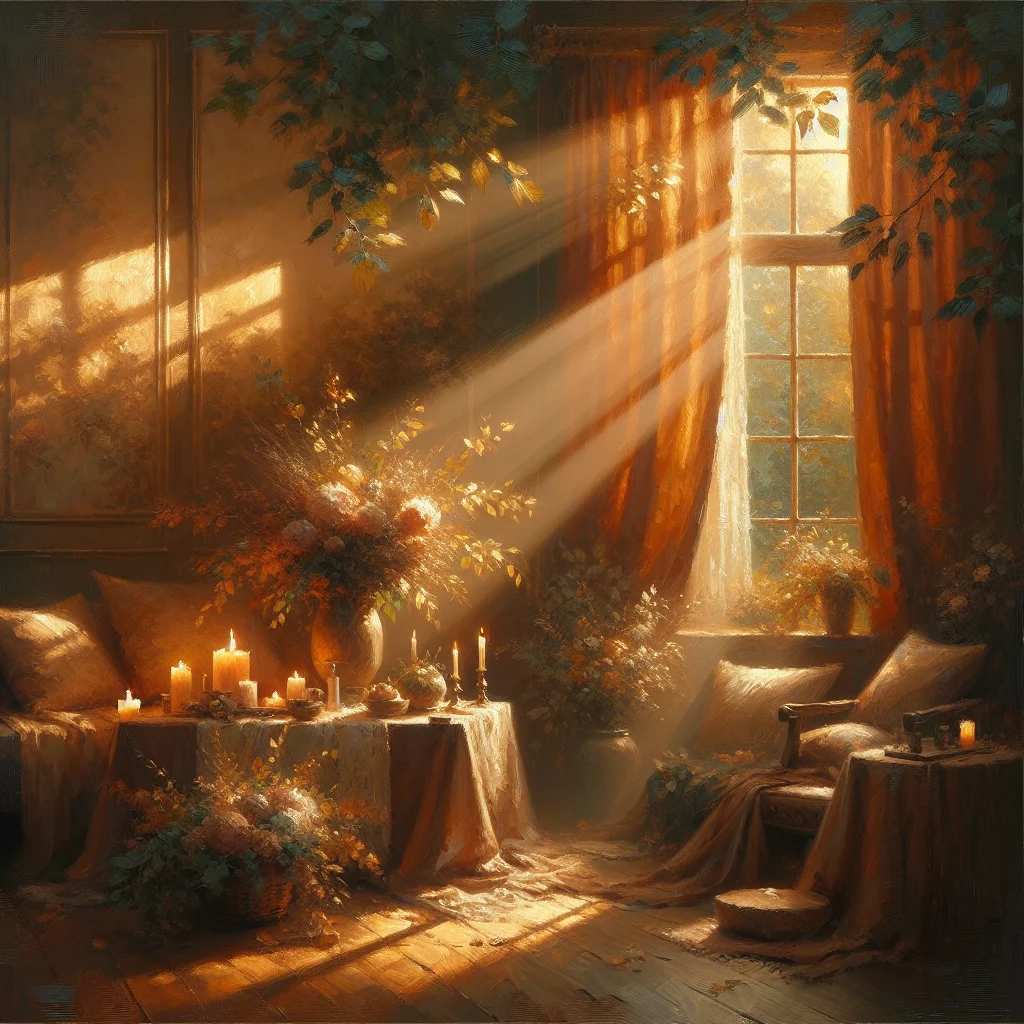
Understanding Why Evenings Feel Chaotic
Before diving into solutions, it’s important to understand why evenings often feel stressful. According to research from the American Psychological Association, cortisol levels naturally fluctuate throughout the day, but chronic stress can disrupt this rhythm, leaving you wired when you should feel tired.
Additionally, the evening hours often become a dumping ground for everything we didn’t accomplish during the day. We try to catch up on household chores, respond to messages, and mentally replay the day’s events. This pattern prevents our minds and bodies from transitioning into rest mode.
The constant exposure to screens and artificial lighting further complicates matters. Blue light from devices suppresses melatonin production, making it harder to feel naturally sleepy. As a result, we find ourselves lying awake with racing thoughts instead of drifting peacefully toward sleep.
Creating Physical Space for Peace
Declutter Your Evening Environment
Physical clutter creates mental clutter. Therefore, one of the first steps in how to make evenings peaceful involves organizing your living space. Start by dedicating just ten minutes each evening to tidying up the areas where you’ll spend your time unwinding.
Free Guided Meditation · Day 1
You Are Safe Right Now.
5 min · Breathwork & body scan · Stress release
Liked it? Get the full audio.
Enter your email and we'll send you the complete 5-minute meditation — free, straight to your inbox.
Zero spam. Unsubscribe anytime.
Check Your Inbox.
Your full 5-minute meditation is on its way. Open the email and hit play — your reset starts now.
Can't find it? Check your spam folder.
Focus particularly on your bedroom and any relaxation spaces. Remove work-related items, clean laundry piles, and unnecessary electronics. The goal is creating a visual environment that signals rest rather than productivity.
Optimize Lighting for Relaxation
Lighting dramatically impacts your ability to relax. Harsh overhead lights keep your brain in daytime mode, while softer, warmer lighting encourages the natural wind-down process. Consider these lighting adjustments:
- Dim overhead lights at least two hours before bedtime
- Use table lamps or floor lamps with warm-toned bulbs
- Try salt lamps or LED candles for gentle ambiance
- Install dimmer switches for flexible control
- Avoid bright bathroom lights immediately before bed
Research from The Sleep Foundation confirms that exposure to dim lighting in the evening supports healthy circadian rhythm function and promotes better sleep quality.
Establishing an Evening Routine Structure
Consistency creates predictability, and predictability helps your nervous system relax. When you follow a similar evening routine to improve sleep quality, your body begins to anticipate rest, making the transition smoother.
Set a Digital Sunset
One of the most powerful ways to make evenings peaceful involves setting boundaries with technology. Designate a specific time—ideally 90 minutes before bed—as your “digital sunset.” During this time, put away phones, tablets, laptops, and turn off the television.
Instead of scrolling through social media or watching stimulating content, replace these habits with calming alternatives. This single change can dramatically improve both evening peace and sleep quality. Many people find that creating a relaxing night routine becomes much easier once screens are removed from the equation.
Design Your Personal Wind-Down Sequence
Your evening routine should feel like a gentle descent rather than an abrupt stop. Create a sequence of activities that progressively signal to your body that it’s time to rest. Here’s a sample structure:
- Transition ritual (5-10 minutes): Change into comfortable clothes and wash your face
- Gentle movement (10-15 minutes): Try gentle evening yoga for relaxation or simple stretches
- Mindful activity (15-20 minutes): Read, journal, or practice meditation
- Preparation (10 minutes): Prepare for tomorrow without overthinking
- Final relaxation (15-20 minutes): Use progressive relaxation before sleep techniques
While this sequence provides a framework, customize it based on your personal preferences and schedule. The key is consistency rather than perfection.
Activities That Cultivate Evening Peace
Movement-Based Relaxation
Contrary to popular belief, evening exercise can promote relaxation when done correctly. The emphasis should be on gentle, mindful movement rather than high-intensity workouts. Mindful walking to lower cortisol offers an excellent way to release tension accumulated throughout the day.
Other beneficial evening movements include restorative yoga poses, tai chi, or simple stretching routines. These activities help release physical tension while signaling to your nervous system that the day’s demands have ended.
Reflective Practices
Evening hours provide ideal time for reflection and gratitude. Implementing a gratitude practice at night shifts your mental focus from stress and worry to appreciation and contentment. This simple practice has been shown to improve both mood and sleep quality.
Similarly, exploring journal prompts for evening calm helps process the day’s events and clear mental clutter. Writing down thoughts and feelings prevents them from circling endlessly through your mind as you try to sleep.
Sensory Relaxation Techniques
Engaging your senses intentionally creates immediate relaxation responses. Consider incorporating these sensory elements into your evening:
- Aromatherapy: Lavender, chamomile, or sandalwood essential oils promote relaxation
- Sound: Soft instrumental music, nature sounds, or binaural beats can calm the nervous system
- Touch: Soft blankets, comfortable clothing, or self-massage release tension
- Taste: Herbal tea rituals provide comfort and hydration
- Temperature: A warm bath or shower signals your body to prepare for sleep
These sensory experiences work together to create a multi-dimensional atmosphere of peace. Experiment to discover which combinations resonate most powerfully with you.

Managing Evening Anxiety and Racing Thoughts
Even with the best intentions, anxiety sometimes intrudes on evening peace. When this happens, having specific tools makes all the difference. Because evening hours often bring increased rumination, developing strategies to manage anxious thoughts becomes essential.
The Worry Appointment Technique
Set aside fifteen minutes earlier in the evening—around 6 or 7 PM—as your designated “worry time.” During this period, write down everything concerning you. Once the time expires, mentally close that chapter for the day. This technique prevents worries from ambushing you during relaxation time.
Breath-Based Calming Methods
When anxiety spikes in the evening, breathing exercises provide immediate relief. The 4-7-8 technique works particularly well: inhale for four counts, hold for seven, and exhale for eight. This pattern activates your parasympathetic nervous system, triggering relaxation responses.
Another effective approach is box breathing, where you inhale, hold, exhale, and hold again for equal counts of four. These techniques require no equipment and can be done anywhere, making them perfect for evening use.
Nutrition and Hydration for Evening Peace
What you consume in the evening significantly impacts your ability to relax and sleep well. Although it’s tempting to reach for caffeine or sugary snacks during evening hours, these choices interfere with natural wind-down processes.
Evening Eating Guidelines
Finish your last substantial meal at least three hours before bedtime. Large meals require significant digestive energy, which conflicts with your body’s rest preparations. However, going to bed hungry can also disrupt sleep, so a light snack is sometimes appropriate.
Choose evening snacks that contain tryptophan, an amino acid that supports melatonin production. Good options include:
- A small handful of almonds or walnuts
- Banana with almond butter
- Chamomile tea with honey
- Whole grain crackers with cheese
- Greek yogurt with berries
Avoid alcohol in the hours before bed, despite its initial sedative effects. While alcohol may help you fall asleep faster, it significantly disrupts sleep architecture, leading to more fragmented and less restorative rest.
Addressing Common Evening Peace Obstacles
Family and Household Demands
For those with families, creating peaceful evenings requires communication and boundary-setting. Discuss with household members the importance of evening calm and establish agreements about quiet hours, screen time, and respect for personal wind-down routines.
Implementing calming bedtime rituals for adults doesn’t mean neglecting family time. Rather, it involves being intentional about the quality and type of evening interactions, choosing connection over chaos.
Work-Life Boundary Challenges
In our connected world, work emails and messages often intrude well into evening hours. Establishing firm boundaries requires both practical and mental strategies. Turn off work notifications after a certain time, and communicate your availability boundaries clearly to colleagues.
Create a physical or symbolic gesture that marks the end of your workday—changing clothes, closing your laptop in a specific place, or even a brief meditation. This transition ritual helps your brain shift from work mode to rest mode.
Building Long-Term Evening Peace Habits
Transforming your evenings doesn’t happen overnight. In fact, research on habit formation suggests it takes an average of 66 days for new behaviors to become automatic. Therefore, approach this process with patience and self-compassion.
Start by implementing just one or two changes rather than overhauling everything at once. Once these become comfortable, gradually add more elements. This approach prevents overwhelm and increases the likelihood of lasting change.
Track your progress without judgment. Notice which practices most effectively promote peace for you personally. Remember that relaxing activities before bed vary in effectiveness from person to person, so customize your approach based on your responses.
Troubleshooting and Adjustments
Some evenings will inevitably feel more challenging than others. When your peaceful evening plan falls apart, respond with flexibility rather than frustration. Life happens, and rigid expectations create additional stress.
Keep a simplified backup plan for particularly hectic evenings—perhaps just ten minutes of deep breathing and gentle stretching. Even minimal evening practices maintain the habit and provide some benefit.
Additionally, explore various evening wind-down routine ideas to keep your practice fresh and engaging. Variety prevents boredom while helping you discover new techniques that resonate with you.
The Ripple Effect of Peaceful Evenings
When you consistently create peaceful evenings, the benefits extend far beyond those hours. Better sleep quality improves daytime energy, mood, cognitive function, and stress resilience. You’ll likely notice improved relationships, as you’re more present and patient with loved ones.
Furthermore, peaceful evenings support overall mental and physical health. The National Institute of Mental Health emphasizes the connection between adequate rest and mental wellbeing, noting that sleep problems often both contribute to and result from mental health challenges.
By prioritizing evening peace, you’re investing in your long-term wellbeing across multiple dimensions. This isn’t selfish—it’s essential self-care that enables you to show up more fully in all areas of life. For more comprehensive support in your mental health and wellbeing journey, explore additional resources and practices.
Discovering how to make evenings peaceful represents a journey rather than a destination. As you experiment with different techniques and build your personalized routine, you’ll develop greater awareness of what your mind and body need to transition into rest. This awareness itself becomes a valuable tool for navigating life’s challenges with greater ease and resilience.
Remember that peace isn’t about perfection or eliminating all stress from your life. Instead, it’s about creating intentional spaces where you can release tension, process emotions, and prepare yourself for restorative rest. When you need additional support managing stress, The 60-Second Emergency Calm Protocol provides powerful techniques you can implement immediately.
Silence the Chaos in Your Head —
in 5 Minutes Flat.
Get instant access to a free guided meditation audio that rewires your nervous system for calm, kills anxiety at the root, and resets your entire day — no experience needed.
- Instantly drop cortisol levels — feel the shift before the 5 minutes is up
- Unlock razor-sharp focus — designed for high-achievers who can't afford brain fog
- Break the anxiety loop for good — a repeatable reset, every single morning
- 100% free, zero fluff — no apps, no subscriptions, just results
You're In.
Check Your Inbox.
Your free 5-minute guided meditation is on its way.
Open the email and hit play — your first reset starts now.
Can't find it? Check spam and mark us as safe.

