
Is It OK to Meditate as a Christian?
Meditation has gained mainstream popularity for its powerful benefits on mental health, emotional wellbeing, and spiritual clarity. But for many Christians, an important question arises: Is it OK to meditate as a Christian? At first glance, meditation might seem reserved for Eastern philosophies, but a deeper exploration reveals something surprising — meditation has deep roots within Christianity itself. Before dismissing it or embracing it entirely, it’s worth unpacking what meditation really means and how it aligns with Christian beliefs.
If you’re a beginner looking to explore meditation in a grounded and scripturally sensitive way, consider our guide: “Everyday Calm: A Beginner’s Guide to Daily Meditation”.
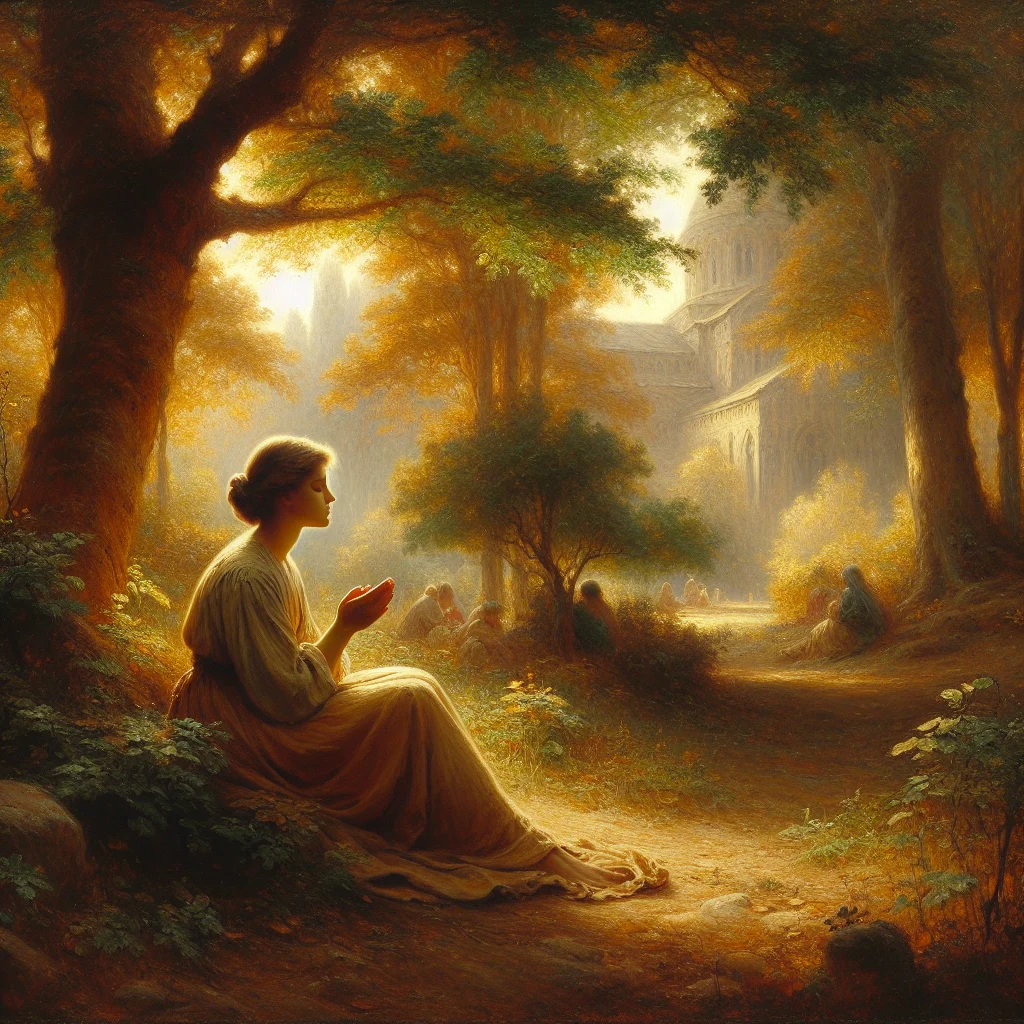
What Does the Bible Say About Meditation?
The concept of meditation isn’t foreign to the Bible. In fact, scripture frequently encourages believers to meditate on God’s Word. Psalm 1:2 famously says, “But his delight is in the law of the Lord, and on his law he meditates day and night.” Similarly, Joshua 1:8 instructs: “Keep this Book of the Law always on your lips; meditate on it day and night…” These verses refer to a focused reflection on God’s teachings — not an emptying of the mind, but rather a filling of it with divine truth.
However, the practice of meditation has evolved into various forms today. Some traditions promote mindfulness or awareness-based forms, while others involve mantras or visualization. The relevance and appropriateness of these forms to Christianity vary based on intent and content.
Different Types of Meditation — And Are They Christian-Compatible?
1. Biblical Meditation
This includes meditating on scripture, the life of Jesus, or praying contemplatively. It’s about sitting in silence and allowing God’s Word to soak into your soul. Many Christian mystics like St. Teresa of Ávila or Thomas Merton used meditation as a way to deepen their relationship with God. This type is undoubtedly compatible and even encouraged within Christian circles.
2. Mindfulness Meditation
Mindfulness involves non-judgmental awareness of the present moment. While this technique originates in Buddhist traditions, Christians can adapt it as a practice of gratitude, presence, and divine attentiveness. As long as it doesn’t contradict biblical truths, mindfulness can be a tool for spiritual awareness. Our post “How to Meditate on the Word of God” is a useful companion if you’re curious about weaving mindfulness with scripture reflection.
3. Mantra or Chant-Based Meditation
This type involves repeating a word or phrase, sometimes in Sanskrit or other languages. For Christians, caution is advised — chanting phrases rooted in other spiritual systems without understanding their meaning can feel like spiritual compromise. That said, repeating simple phrases like “Jesus, I trust in You” or “Be still and know that I am God” can align well with Christian meditation. For more insight on phrase repetition, explore our resource “Mantras for Mala Beads”.
Free Guided Meditation · Day 1
You Are Safe Right Now.
5 min · Breathwork & body scan · Stress release
Liked it? Get the full audio.
Enter your email and we'll send you the complete 5-minute meditation — free, straight to your inbox.
Zero spam. Unsubscribe anytime.
Check Your Inbox.
Your full 5-minute meditation is on its way. Open the email and hit play — your reset starts now.
Can't find it? Check your spam folder.
Why Some Christians Worry About Meditation
Meditation has unfortunately been conflated with New Age or Eastern spiritual practices, leading some Christians to be wary. This caution is understandable given the Bible’s warnings against idolatry and false teachings. However, not all meditation is created equal. The key lies in intent and focus. If your meditation leads you closer to God, cultivates virtues like peace, patience, and love, and stays grounded in scripture — then it reflects the spiritual fruits encouraged throughout the New Testament (Galatians 5:22-23).
Nevertheless, as with any spiritual practice, discernment is essential. If you’re integrating meditation into your life, keep Christ at the center. Pray before and after, read scripture, and reflect on how your practice enhances your spiritual walk.
Benefits of Meditation Through a Christian Lens
Meditation isn’t only spiritually enriching — it also supports your physical and mental wellbeing. According to studies by the U.S. National Library of Medicine, meditation can lower stress, support immunity, and improve concentration. These benefits align beautifully with the biblical call to care for our bodies and minds (1 Corinthians 6:19-20).
From a Christian perspective, meditation can:
- Reduce anxiety and emotional turmoil
- Enhance concentration on prayer and scripture
- Deepen your personal relationship with God
- Create inner space to listen to the Holy Spirit
In fact, many believers find their prayer life becomes richer when combined with quiet, meditative moments that reduce the noise of everyday life.
How to Begin Meditating as a Christian
If you feel inspired but unsure where to start, here’s a simple practice to try:
- Find a quiet space where you won’t be interrupted.
- Begin with a short prayer, asking God to speak to your heart.
- Focus on a verse of scripture like Psalm 46:10: “Be still and know that I am God.”
- Breathe deeply and slowly. Repeat the verse in your mind.
- If your mind wanders, gently bring it back to the verse or to God’s presence.
- Close by thanking God and reflecting on what stood out during your time.
Meditation does not need to be complicated. As Jesus often retreated to solitary places to pray (Luke 5:16), following His example with silence and stillness can be a form of holy obedience.
Other Transformative Spiritual Tools
Beyond meditation, many Christians explore complementary practices that foster emotional healing and divine connection. Some introduce mala beads as prayer tools, while others experiment with energy awareness. If you’re curious, read our articles: “Does Energy Healing Work?” and “Clearing Chakras for Beginners”. While these require thoughtful theological discernment, many Christians report that spiritual openness paired with biblical truths produces resilience, clarity, and compassion.

Conclusion: So, Is It OK to Meditate as a Christian?
In short, yes — if done with biblical alignment, meditation can be a powerful tool for Christian growth. It’s not about adopting unfamiliar religions, but rather reclaiming the ancient Christian practice of silence, contemplation, and abiding in God’s presence. With discernment and prayer, meditation can draw you closer to God rather than pull you away.
If you’re ready to start your own journey with God-centered meditation, explore our comprehensive resource: “The Self-Love Reset: A Journey to Rediscover Yourself”.
For more insights into mindful spirituality, check out our categories like Spirituality & Inner Work or Mindfulness & Meditation.
Silence the Chaos in Your Head —
in 5 Minutes Flat.
Get instant access to a free guided meditation audio that rewires your nervous system for calm, kills anxiety at the root, and resets your entire day — no experience needed.
- Instantly drop cortisol levels — feel the shift before the 5 minutes is up
- Unlock razor-sharp focus — designed for high-achievers who can't afford brain fog
- Break the anxiety loop for good — a repeatable reset, every single morning
- 100% free, zero fluff — no apps, no subscriptions, just results
You're In.
Check Your Inbox.
Your free 5-minute guided meditation is on its way.
Open the email and hit play — your first reset starts now.
Can't find it? Check spam and mark us as safe.

