
If you’ve been feeling overwhelmed by the constant rush of modern life, you’re not alone. Qu’est ce que le slow living—or “what is slow living”—is a question more people are asking as they search for ways to reconnect with what truly matters. This lifestyle philosophy encourages us to step back from the frantic pace of contemporary society and embrace a more intentional, mindful approach to daily living.
The concept isn’t about doing everything in slow motion or abandoning your responsibilities. Rather, it’s about making conscious choices that align with your values and bring genuine satisfaction. In this comprehensive guide, we’ll explore the origins, principles, and practical applications of slow living to help you create a more balanced and fulfilling life.
Everyday Calm: A Beginner’s Guide to Daily Meditation
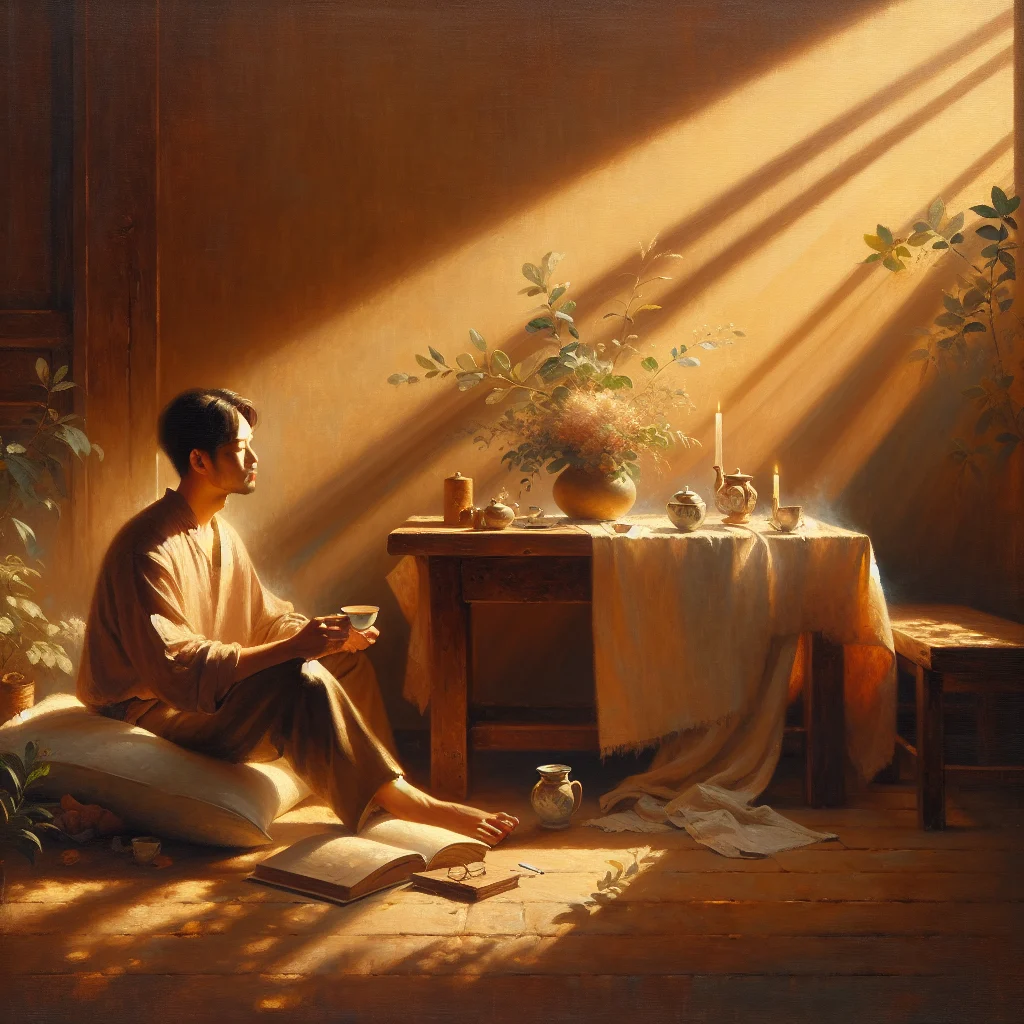
The Origins and Philosophy Behind Slow Living
The slow living movement emerged as a response to our increasingly fast-paced world. Although it gained mainstream attention in the early 2000s, its roots trace back to the Slow Food movement that started in Italy during the 1980s. When a McDonald’s opened near the Spanish Steps in Rome, Italian food writer Carlo Petrini launched a protest that eventually grew into a global phenomenon.
This initial focus on savoring meals and preserving culinary traditions expanded into a broader lifestyle philosophy. Consequently, slow living now encompasses everything from how we work and consume to how we connect with others and ourselves.
Core Values of the Slow Movement
At its heart, slow living revolves around several fundamental principles. Intentionality stands as the cornerstone—making deliberate choices rather than operating on autopilot. Furthermore, mindfulness encourages full presence in each moment, whether you’re preparing breakfast or having a conversation.
- Quality over quantity: Choosing fewer but more meaningful experiences and possessions
- Connection: Deepening relationships with people, nature, and community
- Sustainability: Making choices that respect environmental and social impact
- Self-awareness: Understanding your authentic needs versus societal pressures
These values work together to create a lifestyle that prioritizes wellbeing over productivity and presence over performance. As a result, practitioners often report reduced stress and increased life satisfaction.
Free Guided Meditation · Day 1
You Are Safe Right Now.
5 min · Breathwork & body scan · Stress release
Liked it? Get the full audio.
Enter your email and we'll send you the complete 5-minute meditation — free, straight to your inbox.
Zero spam. Unsubscribe anytime.
Check Your Inbox.
Your full 5-minute meditation is on its way. Open the email and hit play — your reset starts now.
Can't find it? Check your spam folder.
Understanding Slow Living in Modern Context
Today’s world presents unique challenges that make slow living both more difficult and more necessary. Digital technology connects us instantly to information and people worldwide, yet this constant connectivity can leave us feeling fragmented and exhausted. Therefore, adopting a slow living approach requires adapting traditional wisdom to contemporary circumstances.
The philosophy doesn’t advocate rejecting technology or modern conveniences entirely. Instead, it encourages thoughtful engagement with these tools. For example, you might use your smartphone intentionally for specific purposes rather than mindlessly scrolling through social media feeds.
Slow Living Versus Productivity Culture
Our society often equates busyness with importance and constant productivity with success. However, this mindset leads to burnout, diminished creativity, and strained relationships. The slow living philosophy challenges this narrative by proposing that rest, reflection, and spaciousness are equally valuable.
Interestingly, many people discover they actually become more effective when they slow down. Because they’re more focused and energized, they produce higher-quality work in less time. This paradox demonstrates that speed doesn’t always equal efficiency.
If you’re interested in exploring complementary philosophies, check out our article on ikigai and slow living, which examines the Japanese concept of finding purpose through balanced living.
Practical Ways to Embrace Slow Living Daily
Transitioning to a slower lifestyle doesn’t require dramatic overnight changes. In fact, small, consistent adjustments often prove more sustainable than radical transformations. Let’s explore practical strategies you can implement in various areas of your life.
Creating Mindful Morning Rituals
How you start your day sets the tone for everything that follows. Instead of immediately checking your phone or rushing through your routine, consider establishing a mindful morning practice. This might include:
- Waking up 15-30 minutes earlier to avoid rushing
- Enjoying a quiet beverage without digital distractions
- Practicing gentle stretching, yoga, or meditation
- Setting intentions for the day ahead
- Preparing and savoring a nourishing breakfast
These simple practices help ground you before facing the day’s demands. Moreover, they create a buffer of calm that can carry through challenging moments later on.
Slowing Down Meal Times
Following the original slow food principles, transforming how you approach meals offers immediate benefits. Rather than eating at your desk or grabbing fast food, try preparing simple meals from whole ingredients. The process itself becomes meditative—chopping vegetables, stirring ingredients, and noticing aromas.
When eating, put away your phone and other distractions. Chew slowly and actually taste your food. If possible, share meals with others and engage in genuine conversation. These practices not only improve digestion but also transform eating from mere fuel consumption into a nourishing ritual.
For inspiration, explore our collection of slow living recipes that emphasize seasonal ingredients and simple preparation methods.
Slow Living and Personal Spaces
Your physical environment significantly impacts your mental state and ability to live slowly. Consequently, creating spaces that support calmness and intentionality becomes essential to this lifestyle approach.
Decluttering with Purpose
Excess possessions create visual noise and mental clutter. However, slow living isn’t about strict minimalism or deprivation. Instead, it’s about surrounding yourself with items that serve a purpose or bring genuine joy.
Start by examining one area of your home. Ask yourself whether each item adds value to your life. Things you keep should be either functional, beautiful, or meaningfully sentimental. Everything else becomes a candidate for donation or removal.
This process shouldn’t be rushed. Take time to consider each decision mindfully rather than hastily purging everything. After all, the goal is intentional curation, not arbitrary reduction.
Designing for Slowness
Beyond decluttering, certain design choices encourage slower living. Natural materials like wood, cotton, and ceramics create warmth and connection to nature. Adequate lighting—especially natural light—improves mood and reduces eye strain.
- Create dedicated spaces for specific activities (reading nook, meditation corner)
- Display meaningful items rather than mass-produced decorations
- Incorporate plants to bring nature indoors
- Use calming colors that promote relaxation
- Minimize electronic devices in bedrooms and gathering spaces
These adjustments transform your home from simply a place you sleep into a true sanctuary that supports your wellbeing.

Slow Living in Work and Career
Perhaps the most challenging area to apply slow living principles is your professional life. Nevertheless, it’s also where these practices can make the most significant difference in overall wellbeing.
Rethinking Productivity
Traditional productivity advice often focuses on doing more in less time. Slow living flips this approach by asking what truly needs doing and whether constant activity serves your actual goals. This shift requires honestly evaluating how you spend your working hours.
Many people discover that they’re busy without being effective. Email, meetings, and administrative tasks consume hours that could be spent on meaningful work. By identifying and eliminating low-value activities, you create space for deep focus on what matters most.
Additionally, incorporating regular breaks actually enhances performance. Research consistently shows that our brains need rest to maintain concentration and creativity. Therefore, stepping away from your desk periodically improves rather than hinders your output.
Setting Boundaries
In our connected world, work can bleed into every corner of life. Establishing clear boundaries becomes essential for protecting personal time and preventing burnout. This might mean:
- Defining specific work hours and sticking to them
- Not checking email in the evenings or on weekends
- Learning to say no to commitments that don’t align with priorities
- Taking full lunch breaks away from your workspace
- Using vacation time without bringing work along
These boundaries might feel uncomfortable initially, especially if your workplace culture glorifies constant availability. However, maintaining them protects your health and actually makes you more valuable during your working hours.
The Connection Between Slow Living and Sustainability
Living slowly naturally aligns with environmental consciousness. When you slow down, you tend to make more thoughtful consumption choices and develop greater awareness of your impact on the planet.
Conscious Consumption
Fast fashion, disposable goods, and excessive purchasing characterize modern consumer culture. In contrast, slow living encourages buying less but choosing quality items that last. Before making purchases, practitioners typically ask themselves several questions:
- Do I genuinely need this item?
- Can I borrow, rent, or buy it secondhand?
- Is it well-made and likely to last?
- Was it produced ethically and sustainably?
- Will I still value this in a year?
This deliberate approach reduces waste, saves money, and diminishes the mental burden of managing excess possessions. Furthermore, it often leads to greater appreciation for what you do own.
Connecting with Nature
Spending time outdoors offers numerous benefits and lies at the heart of slow living practice. Nature operates at its own rhythm, providing a powerful counterbalance to human-created urgency. Whether walking in a park, tending a garden, or hiking in wilderness, these experiences ground us.
Regular nature exposure reduces stress hormones, improves mood, and enhances cognitive function. Additionally, it fosters environmental stewardship—people who spend time in nature typically become more motivated to protect it.
The National Park Service offers extensive resources for connecting with outdoor spaces, regardless of where you live.
Building Community Through Slow Living
Although modern life often feels isolating, slow living emphasizes the importance of genuine human connection. Building and maintaining meaningful relationships requires time and attention—resources our fast-paced culture often depletes.
Quality Time with Loved Ones
Instead of brief, distracted interactions, slow living encourages fully present engagement with family and friends. This might involve shared meals without devices, regular outdoor activities together, or simply sitting and talking without multitasking.
Children especially benefit from unhurried time with adults. Rather than rushing between scheduled activities, allowing unstructured play and conversation supports their development and strengthens bonds. Similarly, relationships with partners and friends deepen when you create space for authentic connection.
Engaging with Local Communities
Beyond immediate relationships, slow living often involves greater participation in local communities. This might include:
- Shopping at farmers markets and knowing where food comes from
- Supporting local businesses rather than large chains
- Participating in community events and initiatives
- Volunteering for causes aligned with your values
- Getting to know neighbors and building mutual support networks
These connections create resilience and belonging that isolated modern life often lacks. Moreover, they contribute to stronger, more vibrant communities overall.
Many people document their slow living journeys online. If you’re looking for inspiration, check out our list of slow living bloggers who share practical tips and personal experiences.
Slow Living for Mental and Emotional Wellbeing
Perhaps the most profound benefits of slow living relate to mental and emotional health. By reducing overwhelm and creating space for reflection, this approach supports psychological wellbeing in numerous ways.
Reducing Stress and Anxiety
Constant rushing triggers stress responses in our bodies, elevating cortisol levels and keeping us in fight-or-flight mode. Over time, this chronic stress damages both physical and mental health. Conversely, deliberately slowing down activates the parasympathetic nervous system, promoting relaxation and recovery.
Simple practices like deep breathing, mindful walking, and regular rest breaks counteract stress accumulation. Because these activities signal safety to your nervous system, they help restore equilibrium and resilience.
For deeper exploration of mindfulness practices that complement slow living, visit our mindfulness and meditation category.
Creating Space for Self-Reflection
When life moves at breakneck speed, there’s no opportunity to check in with yourself. Consequently, you might continue down paths that don’t serve you simply because you never pause to reconsider. Slow living builds in regular moments for self-reflection and evaluation.
This might take the form of journaling, meditation, therapy, or simply quiet contemplation. Through these practices, you develop greater self-awareness and can make adjustments before minor issues become major problems.
Additionally, this reflective space supports personal growth by allowing you to learn from experiences rather than rushing past them. For more resources on this topic, explore our personal growth section.
Common Challenges and How to Overcome Them
Transitioning to slow living isn’t always easy, especially when surrounded by a culture that values the opposite. Understanding common obstacles helps you navigate them more effectively.
Dealing with Guilt and FOMO
Many people initially feel guilty when slowing down, as if they’re being lazy or missing out. This reaction stems from deeply ingrained beliefs about productivity and worthiness. Recognize that these feelings are normal but not necessarily accurate.
Your value doesn’t depend on constant busyness or achievement. Furthermore, fear of missing out (FOMO) often causes more distress than actually missing events. Most gatherings, opportunities, and experiences will recur—you don’t need to attend everything.
Permission to rest and select priorities thoughtfully is essential for sustainable wellbeing. Over time, as you experience the benefits of slow living, these guilty feelings typically diminish.
Managing External Pressures
Family, friends, and colleagues might not understand or support your lifestyle changes. They may pressure you to maintain previous levels of activity or criticize your choices. Setting boundaries while maintaining relationships requires clear communication.
Explain your reasons without being preachy or judgmental about others’ choices. Most people respect boundaries when they’re stated kindly but firmly. Additionally, finding like-minded community—whether online or locally—provides support and validation.
Balancing Slow Living with Modern Responsibilities
You might worry that slow living is incompatible with career ambitions, parenting responsibilities, or other obligations. However, the philosophy isn’t about abandoning duties but approaching them differently. Even small adjustments—like single-tasking, adding transition time between activities, or eliminating one unnecessary commitment—can make significant differences.
Remember that this is a practice, not perfection. Some days will be slower than others, and that’s perfectly acceptable. The goal is gradual movement toward greater intentionality, not achieving some ideal state.
Resources for Your Slow Living Journey
As you embark on this lifestyle shift, various resources can provide guidance, inspiration, and support. Books, documentaries, and online communities offer diverse perspectives on applying slow living principles.
Essential Reading
Several books explore slow living from different angles. Carl Honoré’s *In Praise of Slowness* provides comprehensive overview of the global slow movement. Brooke McAlary’s *Slow* offers practical Australian perspective with actionable strategies. Meanwhile, *The Art of Simple Living* by Shunmyo Masuno brings Japanese wisdom to the topic.
These authors share personal experiences alongside research-backed benefits, making the philosophy both relatable and credible. Reading widely helps you discover which approaches resonate most with your circumstances and values.
Digital Resources and Communities
Numerous websites, podcasts, and social media accounts focus on slow living. While excessive screen time contradicts the philosophy, selective use of digital resources can provide valuable learning and connection. Look for creators who emphasize authenticity over perfection.
Online forums and groups allow you to connect with others on similar journeys, ask questions, and share experiences. This virtual community can be especially valuable if slow living isn’t common in your local area.
To deepen your practice through structured learning, consider Manifest Your Dreams: A Practical Guide to the Law of Attraction, which complements slow living with intentional manifestation practices.
Slow Living Around the World
Different cultures interpret and practice slow living in unique ways, offering inspiration for your own approach. While the term itself is relatively recent, the values underlying it have ancient roots in various traditions.
European Approaches
Italy’s slow food movement remains influential, with entire towns designated as *Città Slow* (slow cities) that prioritize livability over rapid development. Scandinavian countries embrace concepts like Danish *hygge* (cozy contentment) and Swedish *lagom* (balance and moderation) that align closely with slow living principles.
These European approaches often emphasize community, quality craftsmanship, and connection to place. Long meal times, generous vacation policies, and pedestrian-friendly urban design reflect cultural values that support slower living.
If you’re curious about slow living in specific locations, read our article about slow living in Italy, which explores how this lifestyle manifests in its birthplace.
Eastern Philosophies
Many Asian traditions naturally embody slow living principles, though they may use different terminology. Japanese concepts like *wabi-sabi* (finding beauty in imperfection) and *ma* (appreciating negative space) encourage mindfulness and simplicity. Traditional Chinese medicine emphasizes harmony with natural rhythms and seasonal living.
These ancient wisdom traditions offer valuable perspectives that complement Western slow living approaches. They remind us that this isn’t a new trend but a return to timeless human needs for balance, connection, and meaning.
Taking Your First Steps Toward Slow Living
If you’re feeling inspired to embrace slow living, remember that transformation happens gradually. Rather than overwhelming yourself with dramatic changes, identify one or two areas where you’d like to begin.
Creating Your Personal Slow Living Plan
Start by assessing your current lifestyle honestly. Where do you feel most rushed or disconnected? Which activities drain rather than energize you? What matters most to you but receives insufficient time and attention?
Based on these reflections, choose one small change to implement consistently for the next month. This might be preparing breakfast mindfully, taking a daily walk without your phone, or establishing a regular bedtime routine. Once this becomes habitual, add another practice.
Keep a journal tracking both your practices and how you feel. Notice changes in stress levels, energy, relationships, and overall satisfaction. These observations will motivate continued commitment and help you refine your approach.
Celebrating Progress and Being Patient
Old habits and societal pressures will constantly pull you back toward faster living. Therefore, regular recommitment becomes necessary. Don’t judge yourself harshly when you slip—simply acknowledge it and return to your intentions.
Celebrate small victories along the way. Did you manage three technology-free evenings this week? That’s worth acknowledging. Were you fully present during dinner with your family? Excellent progress. These moments accumulate into meaningful lifestyle change.
Remember that slow living looks different for everyone. Your version might differ from what you see online or what works for others. Trust yourself to discover what brings greater peace, purpose, and joy to your unique life.
For additional support on your journey toward intentional living, explore The Self-Love Reset: A Journey to Rediscover Yourself, which provides guided practices for reconnecting with your authentic self.
Conclusion: Embracing the Slow Living Philosophy
So, qu’est ce que le slow living? It’s a conscious choice to prioritize quality over quantity, presence over productivity, and meaning over mere motion. This lifestyle philosophy offers an antidote to modern overwhelm by encouraging intentional engagement with each moment and area of life.
The benefits extend far beyond reduced stress. Practitioners report deeper relationships, greater creativity, improved health, and enhanced appreciation for simple pleasures. By questioning societal assumptions about speed and success, slow living creates space for authentic fulfillment.
Whether you implement small changes or embrace wholesale transformation, any movement toward greater intentionality improves your wellbeing. Start where you are, use what you have, and trust the process. Your slower, more meaningful life awaits—one mindful moment at a time.
As you continue exploring this lifestyle, remember that holistic living encompasses many complementary practices that support overall wellbeing. The journey toward a slower, more intentional life is itself an ongoing practice rather than a destination to reach.
Silence the Chaos in Your Head —
in 5 Minutes Flat.
Get instant access to a free guided meditation audio that rewires your nervous system for calm, kills anxiety at the root, and resets your entire day — no experience needed.
- Instantly drop cortisol levels — feel the shift before the 5 minutes is up
- Unlock razor-sharp focus — designed for high-achievers who can't afford brain fog
- Break the anxiety loop for good — a repeatable reset, every single morning
- 100% free, zero fluff — no apps, no subscriptions, just results
You're In.
Check Your Inbox.
Your free 5-minute guided meditation is on its way.
Open the email and hit play — your first reset starts now.
Can't find it? Check spam and mark us as safe.

