
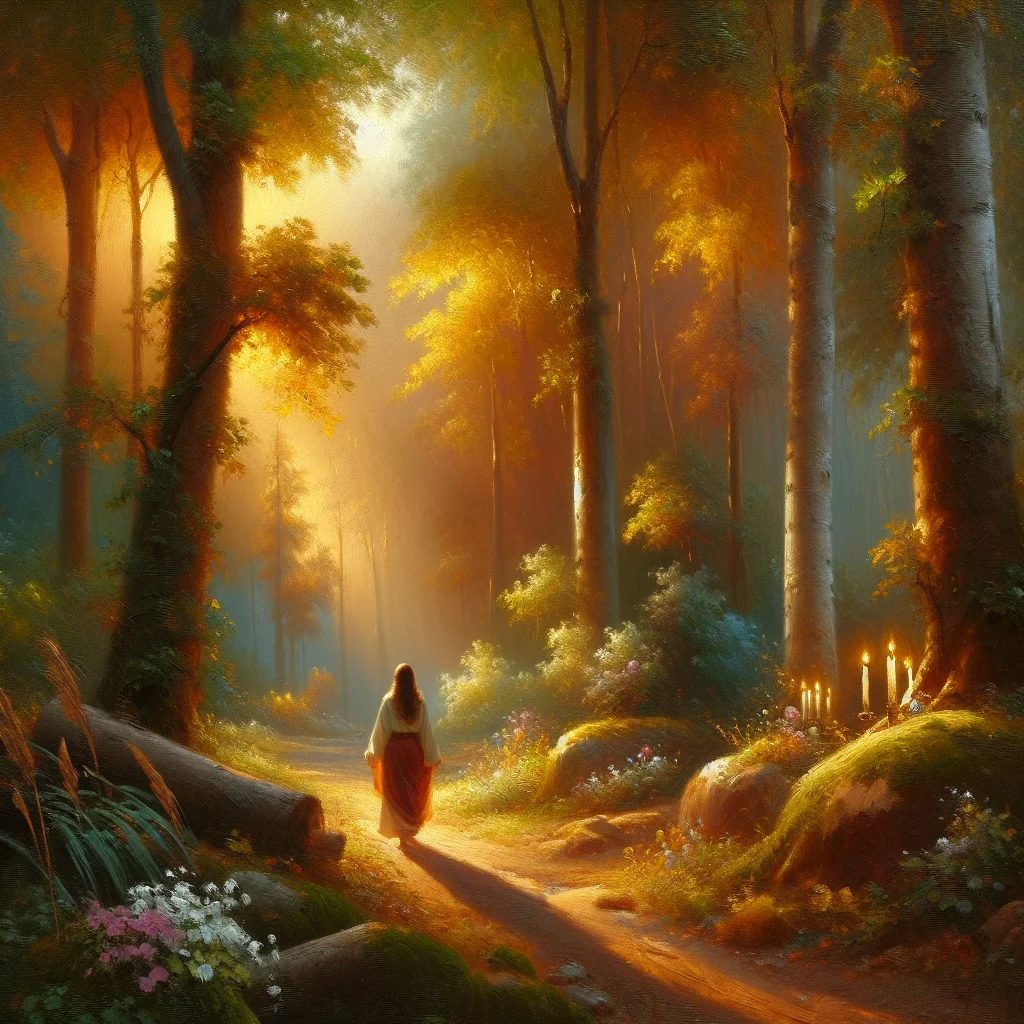
In our fast-paced, technology-driven world, the concept of slow living nature has emerged as a powerful antidote to modern stress and disconnection. This lifestyle philosophy invites us to step away from the constant rush and instead embrace the gentle rhythms of the natural world around us. By integrating nature into our daily routines, we can rediscover a sense of peace, purpose, and profound connection that many of us have lost.
The practice of slow living isn’t about rejecting progress or modern conveniences. Rather, it’s about making intentional choices that align with our deepest values and natural human needs. When we combine this mindful approach with time spent in nature, something remarkable happens—we begin to heal from the inside out.
If you’re ready to start this transformative journey, consider exploring our Everyday Calm: A Beginner’s Guide to Daily Meditation, which offers practical tools for bringing mindfulness into your everyday life.
Understanding the Philosophy of Slow Living Nature
Slow living nature represents a harmonious blend of two complementary concepts. The slow living movement, which originated in Italy as a response to fast food culture, encourages us to savor life’s moments rather than rushing through them. Meanwhile, nature connection reminds us that we’re not separate from the environment but rather an integral part of it.
This philosophy challenges the productivity-obsessed culture that dominates much of modern society. Instead of measuring our worth by how much we accomplish, slow living nature asks us to consider different metrics: How present are we? How connected do we feel? How much joy do we experience in simple moments?
According to research from biophilia hypothesis, humans have an innate tendency to seek connections with nature. This biological need hasn’t disappeared despite our increasingly urban lifestyles. In fact, studies show that even brief encounters with natural environments can reduce stress hormones, lower blood pressure, and improve overall mental health.
The Core Principles
At its heart, slow living nature rests on several foundational principles that guide practitioners toward a more balanced existence:
Free Guided Meditation · Day 1
You Are Safe Right Now.
5 min · Breathwork & body scan · Stress release
Liked it? Get the full audio.
Enter your email and we'll send you the complete 5-minute meditation — free, straight to your inbox.
Zero spam. Unsubscribe anytime.
Check Your Inbox.
Your full 5-minute meditation is on its way. Open the email and hit play — your reset starts now.
Can't find it? Check your spam folder.
- Intentionality: Making conscious choices about how we spend our time and energy
- Presence: Fully engaging with the current moment rather than constantly planning ahead
- Simplicity: Removing unnecessary complications from our lives
- Connection: Nurturing relationships with people, places, and the natural world
- Seasonality: Aligning our activities with natural cycles and rhythms
These principles work together to create a lifestyle that feels more authentic and sustainable. For example, when you embrace seasonality, you naturally eat foods that are locally available, which connects you to your bioregion while also supporting environmental sustainability.
The Science Behind Nature’s Healing Power
Modern research continues to validate what many traditional cultures have always known—nature possesses remarkable healing properties. Japanese researchers studying forest bathing (shinrin-yoku) have documented numerous physiological benefits from spending time among trees.
When we immerse ourselves in natural settings, our bodies respond in measurable ways. Cortisol levels drop significantly after just 20 minutes in a park or forest. Additionally, exposure to natural environments boosts immune function by increasing the activity of natural killer cells, which help fight disease.
Neurological Benefits
The impact on our brains is equally impressive. Nature exposure has been shown to:
- Improve attention span and cognitive function
- Enhance creative problem-solving abilities
- Reduce symptoms of anxiety and depression
- Promote better sleep quality
- Increase feelings of vitality and aliveness
Furthermore, natural environments provide what researchers call “soft fascination”—they capture our attention in a gentle, effortless way that allows our directed attention systems to rest and recover. This explains why a walk in the woods feels so refreshing compared to the mental exhaustion of urban environments.
Those interested in exploring the connection between natural rhythms and healing might appreciate our article on frequency healing, which explores how different vibrations affect our wellbeing.
Practical Ways to Embrace Slow Living Nature
Transforming your lifestyle doesn’t require moving to a remote cabin in the wilderness. Instead, slow living nature can be practiced wherever you are through small, consistent actions. The key is finding approaches that resonate with your unique circumstances and preferences.
Daily Nature Rituals
Creating daily rituals that connect you with nature helps anchor this practice in your routine. Consider starting your morning by stepping outside for five minutes of mindful breathing. Notice the quality of light, the temperature of the air, the sounds of birds or rustling leaves. This simple practice sets a peaceful tone for the entire day.
Another powerful ritual involves eating at least one meal outdoors whenever weather permits. This transforms eating from a rushed necessity into a sensory experience. You’ll find that food tastes different when consumed in fresh air, and the act of dining al fresco naturally slows your pace.
Evening walks provide an excellent bookend to the day. Instead of scrolling through your phone before bed, take a gentle stroll through your neighborhood or local park. Pay attention to how the natural world transitions from day to night—the changing light, the shift in bird songs, the emergence of evening insects.
Seasonal Living Practices
Aligning your life with seasonal rhythms represents a cornerstone of slow living nature. Each season offers unique gifts and invites different activities:
Spring beckons us to plant seeds, both literal and metaphorical. This is the time for new beginnings, increased outdoor activity, and lighter foods. Start a small garden, even if it’s just herbs on a windowsill. Watch the miracle of seeds transforming into plants.
Summer invites expansion and abundance. Maximize your time outdoors during these longer days. Swim in natural bodies of water, hike at sunrise, or simply lie in the grass watching clouds drift by. Preserve the summer’s bounty through canning or freezing for the months ahead.
Autumn calls for harvesting and reflection. As nature begins to slow down, we can too. This is an ideal time to evaluate what’s working in your life and what needs to be released, just as trees let go of their leaves.
Winter encourages rest and restoration. Rather than fighting against the season’s inward energy, embrace it. Spend cozy evenings by the fire, engage in contemplative practices, and allow yourself periods of dormancy. This rest prepares you for spring’s renewal.
The concept of seasonal living is beautifully embodied in certain cultures, such as the Italian slow living tradition, which honors the rhythms of agricultural life.
Creating Your Nature Sanctuary
While accessing wild spaces is valuable, you can also bring elements of nature into your immediate environment. Creating a personal nature sanctuary—whether it’s an entire yard or a single windowsill—provides daily opportunities for connection.
Indoor Nature Integration
Transform your living space into a nature-connected haven through thoughtful additions. Houseplants do more than beautify—they purify air, increase humidity, and provide living companions that respond to your care. Choose low-maintenance varieties like pothos, snake plants, or spider plants if you’re new to plant keeping.
Natural materials in your home environment also foster connection. Replace synthetic fabrics with cotton, linen, or wool. Use wooden furniture and stone accents. These materials age beautifully and feel good to touch, unlike their plastic counterparts.
Consider incorporating natural scents through essential oils or fresh flowers. The emotional release essential oils can create powerful connections between scent and wellbeing, anchoring your space in natural aromatics.
Outdoor Spaces
Even the smallest outdoor area can become a sanctuary. A balcony garden filled with native plants attracts local pollinators and creates a miniature ecosystem. If you have a yard, consider converting some lawn space into pollinator habitat or a food garden.
Create seating areas that encourage lingering. A simple bench beneath a tree becomes an invitation to pause and observe. Add a bird feeder or birdbath, then spend time watching the various species that visit. This wildlife watching becomes a form of meditation.
Water features, even small ones, add both visual interest and soothing sounds. The sound of trickling water has been shown to reduce stress and mask urban noise pollution. A simple fountain can transform your outdoor space into a peaceful retreat.
Mindful Activities in Nature
How we spend time in nature matters as much as simply being there. Mindful engagement deepens our connection and amplifies the benefits. These activities help us transition from merely occupying natural spaces to truly inhabiting them.
Nature Journaling
Keeping a nature journal combines observation, creativity, and reflection. You don’t need artistic skill—simple sketches, pressed flowers, or written descriptions all work beautifully. The practice of closely observing a single leaf, tracking the moon phases, or noting bird arrivals cultivates attention and presence.
Try the practice of “sit spot,” where you return to the same outdoor location regularly. Over time, you’ll notice subtle changes—the progression of seasons, the behavior of local wildlife, the shifting patterns of light. This intimate knowledge of one place grounds you in the specificity of where you live.
Forest Bathing Walks
Unlike hiking with a destination in mind, forest bathing emphasizes slow, sensory awareness. Walk at a leisurely pace, frequently stopping to notice details. Touch the bark of different trees. Listen to the layers of sound around you. Breathe deeply, taking in the aromatic compounds released by plants.
Research from Japan and South Korea shows that these walks significantly reduce stress markers when practiced regularly. The key is letting go of goals and simply allowing the forest atmosphere to wash over you.
This meditative approach to nature connection pairs beautifully with the practices outlined in our meditation guide, which helps develop the mindfulness skills that enhance nature experiences.
Wildcrafting and Foraging
Learning to identify and harvest wild edibles connects you to nature in a primal way. Start with easily identifiable plants like dandelions, plantain, or wild berries. Always harvest responsibly, taking only what you need and leaving plenty for wildlife and plant regeneration.
This practice makes you incredibly attentive to your surroundings. You’ll begin noticing plants you previously walked past, and you’ll develop a relationship with the landscape as a source of nourishment rather than just scenery.

Overcoming Barriers to Nature Connection
Many people express a desire to embrace slow living nature but feel blocked by practical obstacles. However, most barriers can be navigated with creative problem-solving and shifting perspective.
Time Constraints
The perception that we lack time often stems from not prioritizing what truly matters. Start by examining how you currently spend your time. Most of us can find small pockets—the 15 minutes spent scrolling social media could become a walk around the block.
Additionally, many nature-connected activities don’t require extra time but rather a shift in how we do things we’re already doing. Eat your lunch outside instead of at your desk. Walk or bike for errands instead of driving. Listen to birdsong during your morning coffee instead of checking email.
Urban Living
City dwellers often assume that meaningful nature connection requires access to wilderness, but this simply isn’t true. Urban environments contain surprising amounts of nature for those who learn to see it. Street trees, parks, community gardens, and even weeds growing through sidewalk cracks all represent nature’s persistence.
Seek out your city’s green spaces and visit them regularly. Many urban areas have nature centers, botanical gardens, or greenways that provide more substantial natural environments. Join local conservation groups that work to increase urban biodiversity.
Moreover, bringing nature into your home becomes especially important in urban settings. Cultivate indoor plants, play recordings of natural sounds, and ensure your space has good natural light and fresh air circulation.
Physical Limitations
Nature connection doesn’t require hiking miles or engaging in strenuous activities. People with mobility challenges can still deeply engage with the natural world through seated observation, container gardening, or virtual nature experiences that have been shown to provide some benefits.
Focus on what’s accessible to you. Perhaps you can’t walk forest trails, but you can sit in a park and watch the clouds. Maybe you can’t garden outdoors, but you can tend houseplants. The essence of slow living nature is quality of attention, not quantity of activity.
The Social Dimension of Slow Living Nature
While solitary time in nature offers profound benefits, sharing these experiences with others adds a rich social dimension. Community connection and nature connection can beautifully reinforce each other, creating a lifestyle that addresses our needs for both solitude and belonging.
Building Nature-Based Community
Look for groups in your area that organize nature walks, conservation work, or outdoor activities. These communities provide accountability, shared knowledge, and companionship. Working alongside others to restore a local stream or maintain a community garden creates bonds while serving the environment.
Consider starting your own nature-focused group if none exists. A monthly walking group, backyard wildlife habitat project, or seasonal celebration gathering can attract like-minded individuals. The slow living Substack community offers another avenue for connecting with others on this path.
Family and Relationships
Introducing loved ones to slow living nature enriches relationships while creating shared values. Children especially benefit from regular nature exposure, developing creativity, resilience, and environmental stewardship. Simple activities like building fairy houses, watching insects, or playing in mud engage kids naturally.
For couples, nature provides a beautiful backdrop for quality time. Replace dinner-and-a-movie dates with sunset picnics or morning bird watching. These experiences create memorable moments while supporting your shared wellbeing.
The principles discussed here align with approaches found in holistic living, which emphasizes the interconnection between all aspects of life.
Sustaining Your Practice Long-Term
Beginning a slow living nature practice often feels exciting and energizing. However, sustaining this lifestyle requires strategies that help it weather inevitable challenges and changing life circumstances.
Flexibility and Adaptation
Your practice will—and should—evolve over time. What works in one season of life may not fit another. Parents of young children will engage differently than empty nesters. Someone healing from illness has different needs than someone in robust health.
Instead of rigid rules, develop a flexible framework that adapts while maintaining core values. If you can’t take your usual morning walk, perhaps you can spend five minutes looking out the window with your coffee. The spirit of the practice matters more than specific forms.
Dealing with Setbacks
Periods when you drift away from slow living nature are normal, not failures. Life events, weather, health issues, or simply losing motivation can interrupt your practice. Rather than abandoning it entirely, approach returns with self-compassion.
Start small after gaps. A single mindful breath outdoors reconnects you to the practice. One house plant cared for with attention reestablishes the rhythm. These small actions rebuild momentum more effectively than overwhelming yourself with unrealistic expectations.
Deepening Over Time
As your practice matures, you’ll naturally want to deepen your engagement. This might mean learning more about local ecology, developing plant identification skills, or exploring how indigenous cultures have practiced sustainable nature relationships for generations.
Consider keeping a long-term journal that tracks your journey. Reading earlier entries reveals how your relationship with nature has evolved and provides motivation during challenging times. Celebrate milestones—the first year of daily outdoor time, successful harvests from your garden, or wildlife species you’ve learned to identify.
Many practitioners find that slow living nature eventually influences other life areas, leading to broader changes in consumption patterns, career choices, or living situations. Allow this natural evolution without forcing it.
The Broader Impact of Slow Living Nature
Individual practice of slow living nature creates ripples that extend far beyond personal wellbeing. As more people embrace this lifestyle, collective benefits emerge for communities, ecosystems, and the planet.
Environmental Stewardship
People who spend time in nature consistently show greater environmental concern and pro-conservation behavior. When you develop a relationship with specific places, trees, or wildlife, you become invested in their protection. This personal connection motivates action more effectively than abstract environmental messaging.
Slow living nature practitioners naturally consume less, waste less, and make choices that minimize environmental harm. These behaviors stem not from deprivation but from shifted values—when you find fulfillment in simple pleasures and natural experiences, consumer culture loses its grip.
Cultural Transformation
As this lifestyle becomes more visible, it offers an alternative narrative to mainstream culture’s emphasis on constant productivity and consumption. Your choices give others permission to question dominant assumptions about success and happiness.
Living examples prove that another way is possible—that we can be happy with less, that connection matters more than accumulation, that slowing down doesn’t mean falling behind. This quiet revolution happens one person, one family, one community at a time.
The philosophy shares common ground with concepts explored in mindfulness and meditation, which similarly challenge cultural assumptions about where true contentment originates.
Final Thoughts: Your Journey Begins Now
Embracing slow living nature isn’t about perfection or dramatic lifestyle overhauls. Rather, it’s an ongoing practice of bringing more intention, presence, and natural connection into whatever life you’re already living. Each small choice to step outside, notice a bird, tend a plant, or simply breathe fresh air matters.
The beauty of this path is its accessibility—nature is always available, always generous, always ready to welcome us back regardless of how long we’ve been away. The trees don’t judge our absence. The sunset doesn’t require credentials. The healing properties of the natural world work for anyone who opens themselves to receive them.
As you begin or deepen your practice, remember that consistency matters more than intensity. A few minutes daily creates more lasting change than occasional marathon sessions. Let your practice grow organically, like the natural world itself—slowly, steadily, responding to conditions while maintaining core vitality.
The transformation that slow living nature offers isn’t just personal—it’s relational, cultural, and planetary. By healing our disconnection from the natural world, we simultaneously heal disconnection from ourselves, each other, and the possibility of a sustainable future. This seemingly simple practice of slowing down and paying attention may be one of the most radical and necessary acts of our time.
Ready to support your journey with additional resources? Explore Manifest Your Dreams: A Practical Guide to the Law of Attraction to learn how aligning with natural principles can help you create the life you envision.
The path of slow living nature welcomes you exactly as you are, wherever you are. Your next breath can be taken with awareness. Your next step can lead you outside. Your next moment can reconnect you with the living world that has been waiting patiently for your return. The journey of a thousand miles begins with a single step—or in this case, perhaps with simply stopping, looking up, and noticing the sky.
Silence the Chaos in Your Head —
in 5 Minutes Flat.
Get instant access to a free guided meditation audio that rewires your nervous system for calm, kills anxiety at the root, and resets your entire day — no experience needed.
- Instantly drop cortisol levels — feel the shift before the 5 minutes is up
- Unlock razor-sharp focus — designed for high-achievers who can't afford brain fog
- Break the anxiety loop for good — a repeatable reset, every single morning
- 100% free, zero fluff — no apps, no subscriptions, just results
You're In.
Check Your Inbox.
Your free 5-minute guided meditation is on its way.
Open the email and hit play — your first reset starts now.
Can't find it? Check spam and mark us as safe.

