
Understanding how the parasympathetic nervous system works can be life-changing, especially if you struggle with stress, anxiety, or simply feeling “wired but tired.” This remarkable system is your body’s built-in relaxation response, constantly working behind the scenes to help you rest, digest, and recover. However, many of us unknowingly suppress this vital system through chronic stress and modern lifestyle habits.
In this article, we’ll explore the fascinating mechanics of your parasympathetic nervous system, why it matters for your overall wellbeing, and practical ways to activate it daily. Whether you’re dealing with sleep issues, digestive problems, or simply want to feel more grounded, understanding this system is the first step toward reclaiming your natural calm.
Before diving deeper, if you’re feeling overwhelmed right now, you might want to try this free 5-minute meditation designed to activate your relaxation response immediately—no signup required.
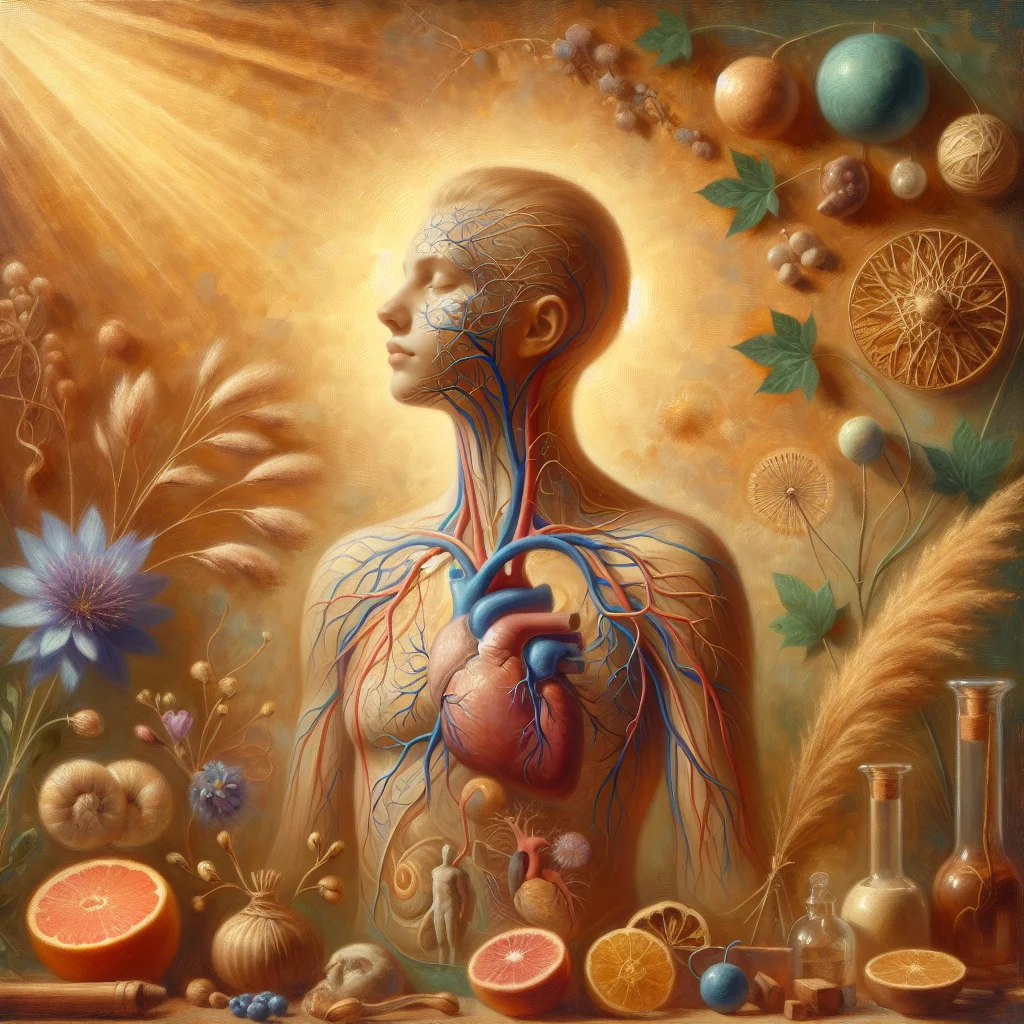
What Is the Parasympathetic Nervous System?
The parasympathetic nervous system (PNS) is one of three divisions of your autonomic nervous system, which controls all the bodily functions you don’t consciously think about. While the sympathetic nervous system prepares you for action—the famous “fight or flight” response—the parasympathetic system does the opposite.
Often called the “rest and digest” or “feed and breed” system, the PNS promotes conservation of energy and restoration of bodily resources. When activated, it slows your heart rate, lowers blood pressure, stimulates digestion, and promotes cellular repair. In essence, this is your body’s natural healing mode.
The Vagus Nerve: Command Center of Calm
The vagus nerve is the star player in understanding how the parasympathetic nervous system works. As the longest cranial nerve in your body, it wanders from your brainstem down through your neck, chest, and abdomen, connecting to nearly every major organ along the way.
Approximately 80% of the vagus nerve fibers are sensory, meaning they carry information from your organs back to your brain. This constant communication highway explains why practices that stimulate the vagus nerve—like deep breathing or cold exposure—can so quickly shift your emotional state.
How the Parasympathetic Nervous System Actually Works
To truly grasp how the parasympathetic nervous system works, we need to look at its physiological mechanisms. The system operates through two main pathways: cranial nerves (especially the vagus nerve) and sacral spinal nerves.
The Neurotransmitter Behind Relaxation
When your parasympathetic nervous system activates, it releases acetylcholine, a neurotransmitter that binds to receptors throughout your body. As a result, this chemical messenger triggers a cascade of calming effects that counteract stress responses.
For example, when acetylcholine reaches your heart, it slows the pace of your heartbeat. Meanwhile, in your digestive tract, it stimulates the production of digestive enzymes and increases intestinal motility. This is precisely why you can’t digest food properly when you’re stressed—your sympathetic system has effectively shut down these parasympathetic functions.
The Rest and Digest Response
Unlike the immediate jolt of the stress response, parasympathetic activation works more gradually. However, its effects are profound and wide-reaching:
- Cardiovascular system: Heart rate decreases, blood pressure lowers, and blood flow redirects to digestive organs
- Respiratory system: Breathing rate slows and airways slightly constrict (which is why relaxation breathing feels different)
- Digestive system: Saliva production increases, stomach acid and enzymes release, and intestinal movement accelerates
- Immune system: Inflammation decreases and tissue repair processes activate
- Reproductive system: Sexual arousal becomes possible and fertility markers improve
This comprehensive shift explains why chronic stress—which keeps you in sympathetic dominance—impacts virtually every aspect of your health. In addition, it highlights why learning to activate your parasympathetic system is essential for long-term wellbeing.
Signs Your Parasympathetic System Needs Support
Many people live in a state of sympathetic dominance without realizing it. Because modern life constantly triggers our stress responses, the parasympathetic system can become underactive. Recognizing the signs is crucial for making positive changes.
Physical Symptoms
When your body struggles to shift into parasympathetic mode, you might experience:
- Persistent digestive issues like bloating, constipation, or IBS
- Difficulty falling or staying asleep despite feeling exhausted
- Tension headaches or migraines
- Rapid resting heart rate (above 70-80 bpm)
- Dry mouth or reduced saliva production
- Muscle tension that won’t release
Emotional and Mental Indicators
The connection between your nervous system and mental state is profound. Therefore, parasympathetic underactivity often manifests psychologically:
- Feeling “wired” even when you want to relax
- Racing thoughts at bedtime
- Difficulty concentrating or brain fog
- Emotional reactivity or irritability
- Sense of being constantly “on edge”
These symptoms often overlap with anxiety and stress-related conditions. However, addressing them through nervous system regulation—rather than just mental strategies—can produce remarkable results. This is where understanding daily practices to boost parasympathetic tone becomes invaluable.

Natural Ways to Activate Your Parasympathetic Response
Fortunately, you have more control over your nervous system than you might think. While we can’t always eliminate stressors, we can definitely train our bodies to shift into parasympathetic mode more easily. The following approaches are backed by both scientific research and centuries of traditional wisdom.
Breathing Techniques That Signal Safety
Your breath is the most accessible tool for nervous system regulation. Specifically, slow, deep breathing with extended exhales directly stimulates the vagus nerve. This is because your heart rate naturally slows during exhalation—a phenomenon called respiratory sinus arrhythmia.
Try this simple practice: Breathe in for a count of four, hold briefly, then exhale for a count of six to eight. Repeat for five minutes. Because the exhale is longer than the inhale, you’re essentially telling your body that you’re safe enough to relax.
Cold Exposure and Vagal Tone
Interestingly, brief exposure to cold water can stimulate the vagus nerve and strengthen parasympathetic function over time. This doesn’t necessarily mean ice baths—even splashing cold water on your face or taking a cool shower can help.
The mechanism involves the “dive reflex,” an ancient survival response that slows heart rate when your face contacts cold water. For those interested in recovery practices, exploring cold plunge versus sauna for recovery might offer additional insights.
Mindfulness and Meditation
Regular meditation practice consistently shows improvements in parasympathetic tone. In fact, studies using heart rate variability (HRV) measurements demonstrate that experienced meditators have stronger vagal nerve function. The practice doesn’t need to be complicated—even five minutes of focused attention on your breath can shift your nervous system state.
If you’re new to this approach, exploring resources in mindfulness and meditation can provide structured guidance for building a sustainable practice.
Nutrition for Nervous System Health
What you eat directly impacts how your nervous system functions. Furthermore, certain nutrients specifically support parasympathetic activity:
- Omega-3 fatty acids from fish, flaxseeds, and walnuts support nerve cell membranes
- B vitamins are essential for acetylcholine production
- Magnesium helps regulate the stress response and promotes relaxation
- Probiotics influence the gut-brain axis through vagus nerve communication
Additionally, certain herbs have been traditionally used to support parasympathetic function. For example, chamomile tea versus lemon balm for sleep explores gentle botanical allies for relaxation.
The Gut-Brain Connection and Parasympathetic Function
One of the most fascinating aspects of how the parasympathetic nervous system works involves the gut-brain axis. Your digestive system contains its own extensive nervous system—sometimes called the “second brain”—that communicates constantly with your brain via the vagus nerve.
This bidirectional communication means that gut health influences mental health, and vice versa. When your parasympathetic system activates, it enhances digestive function, which in turn supports a healthier microbiome. Meanwhile, a healthy microbiome produces neurotransmitters and metabolites that signal back to your brain through the vagus nerve.
This explains why digestive issues so often accompany anxiety and stress. It also highlights why improving parasympathetic tone can simultaneously address both mental and digestive concerns. For those dealing with stress-related health issues, understanding approaches like adaptogens versus magnesium for stress can provide additional support strategies.
Building Parasympathetic Resilience Over Time
Understanding how the parasympathetic nervous system works is just the beginning. The real transformation happens when you consistently practice activation techniques and create a lifestyle that supports nervous system balance.
The Concept of Vagal Tone
Vagal tone refers to the activity level of your vagus nerve, and higher vagal tone correlates with better physical and emotional health. People with higher vagal tone recover more quickly from stress, have better emotional regulation, and experience fewer inflammation-related health issues.
Like building muscle strength, you can improve vagal tone through regular practice. Consequently, the relaxation techniques that feel challenging at first become easier and more effective over time. This is nervous system training at its finest.
Creating a Parasympathetic-Friendly Lifestyle
Beyond specific techniques, certain lifestyle choices naturally support parasympathetic function:
- Prioritize sleep: Quality sleep is when parasympathetic activity dominates, allowing for deep restoration
- Establish routines: Predictable rhythms help your nervous system feel safe and reduce stress hormone production
- Cultivate connection: Positive social interactions activate the “social engagement system,” a branch of parasympathetic function
- Spend time in nature: Natural environments consistently promote parasympathetic activation and stress reduction
- Practice gratitude: Positive emotions are associated with increased vagal tone and improved HRV
For those navigating particularly stressful life phases, targeted approaches like natural stress relief for moms with young kids or natural calm for single women over 35 offer phase-specific guidance.
When to Seek Additional Support
While self-care practices can significantly improve parasympathetic function, sometimes professional guidance is beneficial. Certain conditions—like chronic stress disorders, PTSD, or dysautonomia—may require therapeutic intervention to restore nervous system balance.
Therapies that specifically target nervous system regulation include:
- Polyvagal-informed therapy: Based on Dr. Stephen Porges’ research, this approach works directly with nervous system states
- EMDR therapy: Particularly helpful for trauma-related nervous system dysregulation
- Somatic experiencing: Body-based approaches that release stored stress responses
- Biofeedback training: Uses real-time monitoring of physiological markers to teach nervous system control
Remember, seeking help is a sign of wisdom, not weakness. Furthermore, working with professionals who understand nervous system function can accelerate your healing journey significantly.
Your Path to Natural Calm Begins Now
Understanding how the parasympathetic nervous system works empowers you to take control of your stress response and overall wellbeing. Rather than being at the mercy of your body’s automatic reactions, you can intentionally activate your relaxation response through simple, evidence-based practices.
The beauty of this approach is its accessibility. You don’t need expensive equipment or complicated protocols—just awareness, consistency, and patience as your nervous system learns new patterns. Small daily practices compound over time, gradually shifting your baseline from stressed to centered.
As you implement these strategies, pay attention to subtle shifts: perhaps you fall asleep more easily, your digestion improves, or you notice yourself responding to challenges with more calm. These are signs that your parasympathetic system is strengthening and your body is remembering its innate capacity for peace.
For additional support on your journey toward nervous system balance, explore more resources in mental health and wellbeing, where you’ll find comprehensive guidance for cultivating lasting calm.
If you’re ready to experience the immediate benefits of parasympathetic activation, try this free guided meditation that helps you feel safe and grounded in just five minutes—perfect for moments when stress feels overwhelming.

