
Why Home Meditation Is Worth Practicing
In a fast-moving world, we often forget how to be still. Home meditation brings us back — to breath, to body, to now. It’s an accessible, comforting practice you can return to every day without pressure or preparation.
Unlike studio-based meditation, home practice meets you where you are. There’s no need to impress, follow rules, or feel watched. You’re simply arriving in the moment, on your own terms.
Furthermore, research shows how beneficial this can be. According to Psychology Today, consistent meditation reduces stress, enhances focus, and supports emotional balance. And the best part? You don’t need anything fancy to begin — just space and willingness.
How to Start a Simple Home Meditation Routine
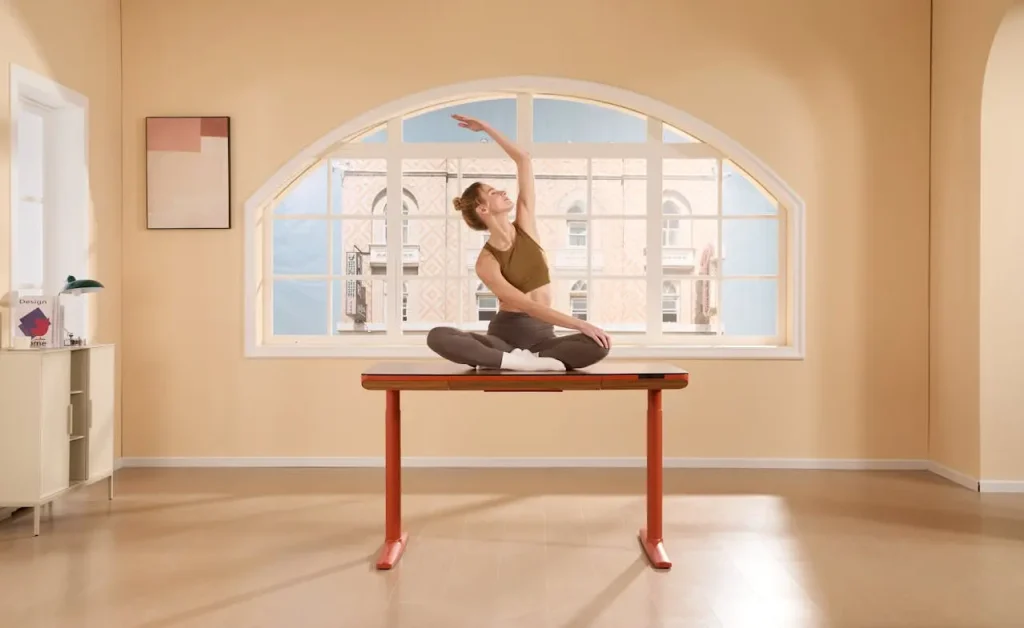
Starting your own home meditation practice doesn’t have to be complicated. Here’s how to ease into it with grace and intention.
🧺 1. Choose Your Space Intentionally
Pick a quiet corner of your home — it doesn’t need to be large. Add a cushion, soft blanket, or a candle. Consider lighting and scent as well. A simple space can shift your energy immediately.
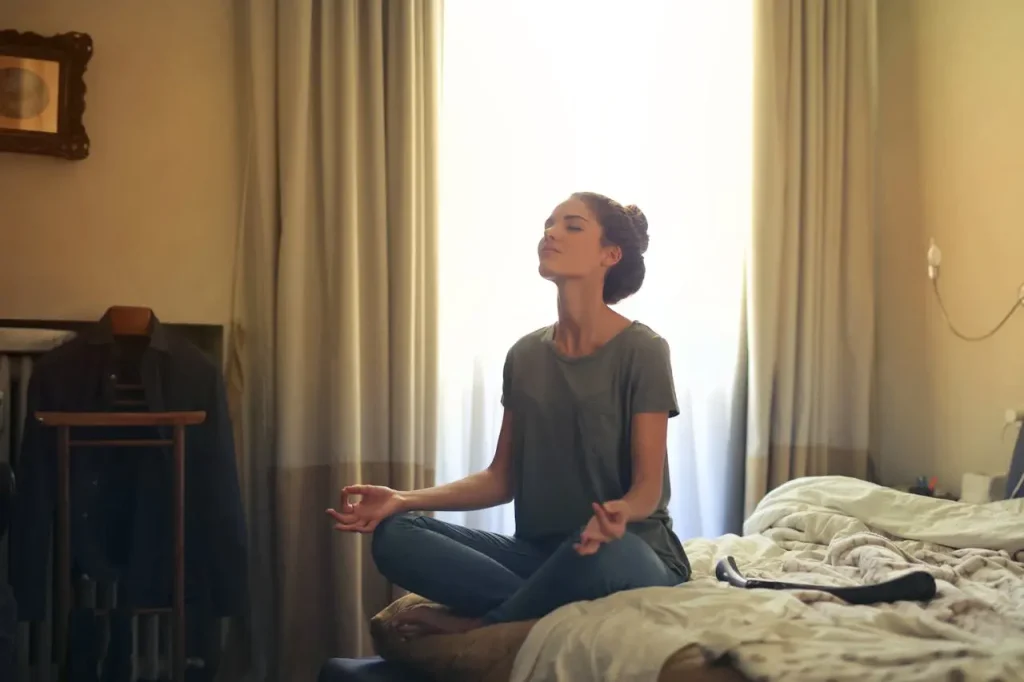
Even a space beside your bed or near a window can be your sanctuary. Over time, this area begins to feel sacred.
🕯️ 2. Begin With Short Sessions
Five to ten minutes is enough to begin. Set a soft timer or use a guided app like Insight Timer. Sit comfortably — upright or cross-legged, or lie down if needed.
As you settle, focus on your breath. Inhale slowly, exhale gently. Thoughts will arise — let them. Each time, gently return to your breath.
🌀 3. Add Gentle Rituals
Rituals give structure and meaning. For example, light a candle before you sit. Or repeat a short phrase like:
“This is my space. This is my breath. I am here.”
Eventually, these cues signal to your body that it’s time to unwind.
Popular Home Meditation Techniques
Meditation isn’t one-size-fits-all. Try different approaches to see what feels natural.
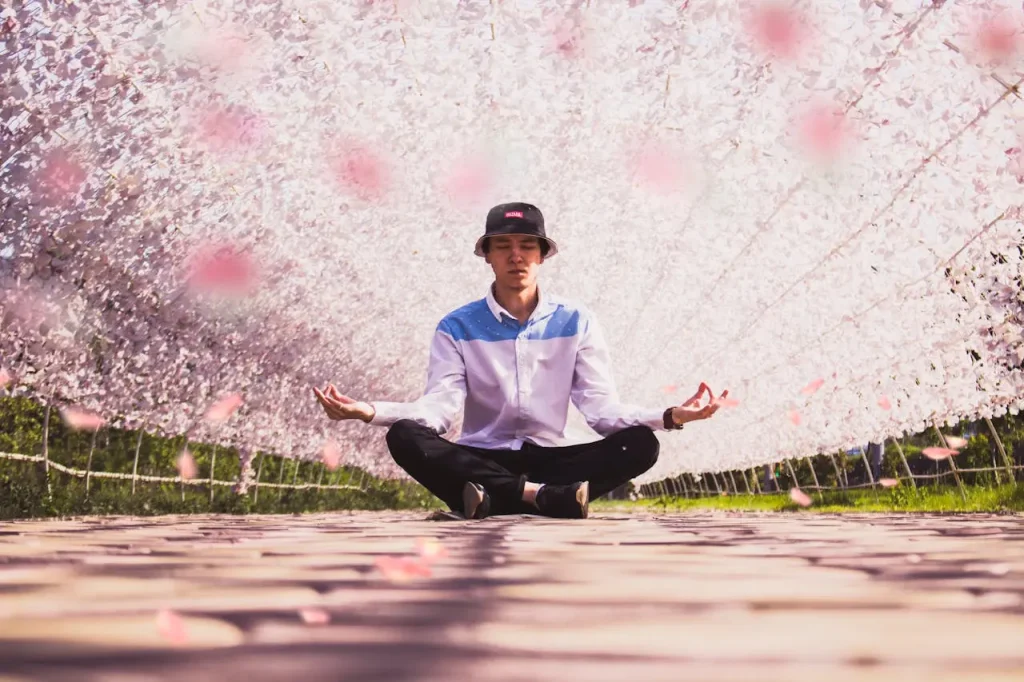
🌬️ Mindful Breathing
This classic method focuses solely on your breath. You notice the inhale, the exhale, and the still space in between.
🧘 Body Scan
While lying down, move awareness from your toes to your head. This is especially helpful for sleep or tension release.
🎧 Guided Meditations
If silence feels intimidating, listen to a calming voice walk you through the experience. Headspace and Insight Timer are great starting points.
📓 Journaling After Meditation
Writing directly after meditation often reveals insights. It’s a way to capture subtle feelings, shifts, and clarity that surface in stillness.
Tools That Support Your Practice
Although meditation can be done anywhere, a few simple tools can deepen your experience:
- 🧘♀️ Comfortable cushion or folded blanket
- 🕯️ Candle, essential oil, or incense
- 📓 Journal or printable pages from CalmRipple
- 🎵 Soft playlist or meditation audio
- 📴 Phone in airplane mode — used only for timer or audio
Importantly, don’t let the tools distract you. They are meant to support, not define, your practice.
When It Feels Difficult
Meditation doesn’t always feel peaceful — and that’s okay. Some days your mind will race. On others, you’ll feel restless or emotional. This doesn’t mean you’re doing it wrong.
Actually, it means the practice is working. You’re noticing what’s already within.
On difficult days, shorten the session. Focus on your breath, or even place your hand on your heart. Say: “I’m here. That’s enough.”
Even one minute of intentional breathing is a win.
Create Your Own Rhythm
Consistency matters more than duration. Therefore, try to anchor your practice to existing routines.
☀️ Morning Rituals
- Sit in silence before checking your phone
- Sip tea or coffee while breathing mindfully
- Write an intention for the day after meditation
🌙 Evening Practices
- Guided body scan before bed
- Write down three things you’re grateful for
- Breathe deeply while lying in bed
Each small ritual brings mindfulness into your daily rhythm — softly, sustainably.
Affirmations to Deepen Your Practice
Spoken or written, affirmations help guide focus and intention:
- “I return to stillness.”
- “My breath is my anchor.”
- “I release what I don’t need.”
- “This space is sacred.”
- “I am safe to slow down.”
Feel free to create your own. Even a single word — like ease or presence — can be your mental anchor.
Reflections & Journaling Prompts
To enrich your practice, consider reflective writing. These prompts can support integration:
- What did I notice in stillness today?
- What emotion came up, and how did I respond?
- Where in my body did I feel most grounded?
- What does “calm” mean for me right now?
You don’t need to answer every question. Choose one. Write freely.
Final Thoughts
Home meditation is not about perfection — it’s about presence. Whether you sit for 3 minutes or 30, what matters is that you show up. Over time, your space becomes a sacred pause in your everyday life.
In a world that constantly pulls us outward, meditation invites us gently inward. It reminds us that peace is not a destination — it’s a practice.

