
What Are the Different Types of Spiritual Retreats?
In today’s fast-paced and often overwhelming world, many people are turning to types of spiritual retreats as a way to reconnect with themselves, restore inner peace, and deepen their spiritual journey. Whether you are new to spirituality or have been exploring your inner world for years, choosing the right spiritual retreat can radically transform your experience. There are many types of spiritual retreats available—each offering a unique approach to healing, reflection, and self-discovery.
Before diving into the types, if you’re looking to build a foundation for inner peace and mindfulness in your daily life, check out our beginner-friendly guide: Everyday Calm: A Beginner’s Guide to Daily Meditation.
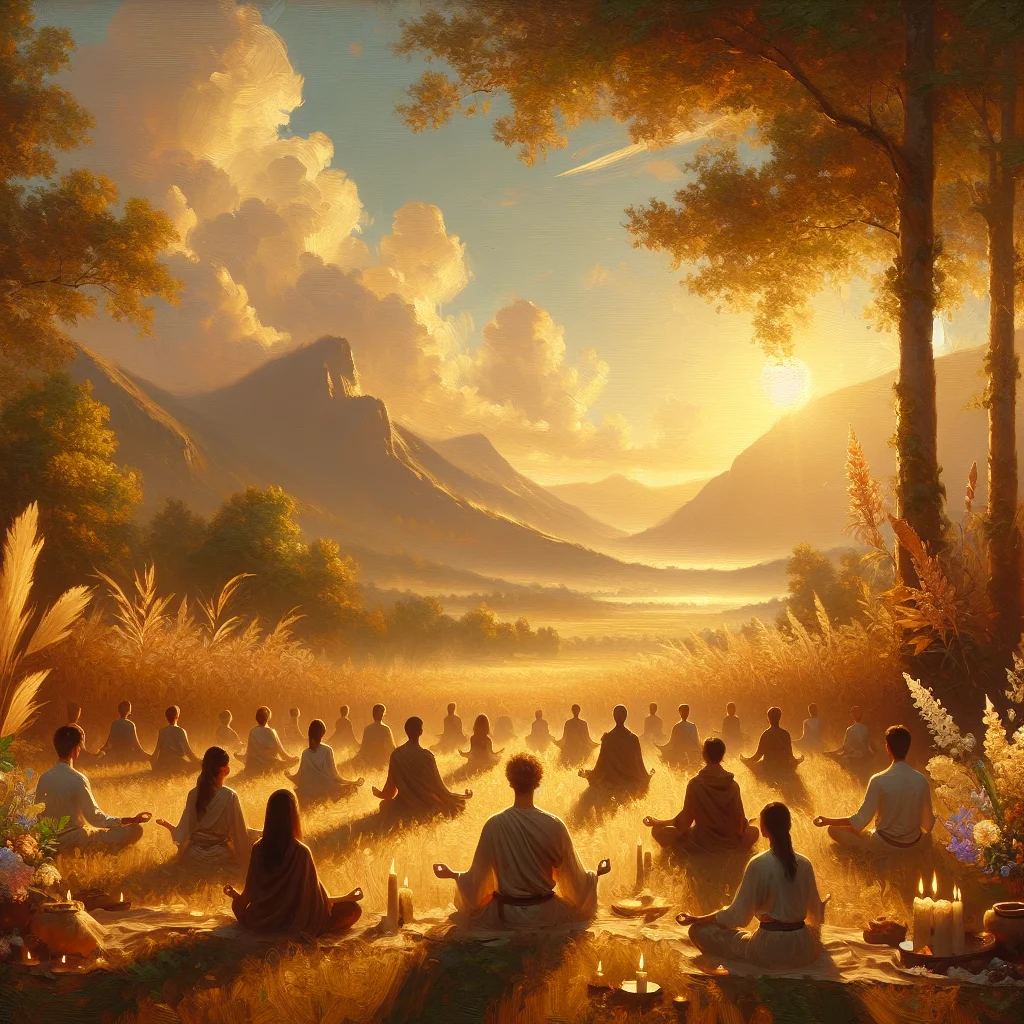
Why Go on a Spiritual Retreat?
Spiritual retreats offer more than just a break from routine. They are transformative experiences that offer space away from the distractions of daily life to connect with something deeper. Some people go on retreats to overcome emotional struggles, while others seek clarity in their lives or wish to deepen their spiritual practice. According to Wikipedia, spiritual retreats are often anchored in religious or meditative traditions where introspection, prayer, or contemplation are encouraged in supportive environments.
Additionally, they offer a powerful opportunity to disconnect from technology, regain emotional balance, and meet like-minded individuals on similar journeys.
Popular Types of Spiritual Retreats
1. Meditation Retreats
Perhaps the most popular type, meditation retreats guide participants through various forms of mindfulness and breathing exercises. These retreats are often silent and may last for a few days or several weeks. The goal is to turn inward, quiet the mind, and enhance present-moment awareness. Meditation retreats are ideal for those struggling with anxiety or stress, and they’re a great introduction for beginners.
To explore how meditation can help with daily stress, consider reading our article on Catholic Prayer for Inner Peace, which incorporates similar mindfulness concepts.
2. Yoga Retreats
Yoga retreats combine physical movement with spiritual exploration. These retreats usually include daily yoga sessions, guided meditations, and workshops on yoga philosophy. Ideal for people who want to nurture their bodies while also calming their minds, they often take place in serene settings like mountains or beachfronts. Yoga retreats may be rooted in various traditions, such as Hatha, Vinyasa, or Kundalini.
3. Nature-Based Retreats
These retreats use the power of natural surroundings to promote healing and connection. Whether it’s hiking through forests, camping under the stars, or meditating by a river, being in nature offers grounding and renewal. Many participants report feeling a stronger sense of oneness with the universe after time spent completely immersed in the outdoors.
In addition to being healing, nature has been scientifically proven to reduce cortisol levels and improve mood—visit this study on nature’s benefits to learn more.
4. Silent Retreats
Silence can be profoundly transformative. Silent retreats eliminate external distractions and verbal interactions, giving you the opportunity to confront internal thoughts and emotions. While this sort of retreat can feel intimidating, it’s often deeply cathartic. Journaling, meditative walks, and contemplation replace normal speech, helping participants tune into their inner dialogue.
5. Self-Love and Inner Work Retreats
These retreats are designed to help participants confront limiting beliefs, build confidence, and rediscover their self-worth. Using practices such as guided therapy sessions, journaling prompts, and group sharing, they offer a nurturing environment for emotional healing. If you’re currently struggling with self-worth, this type of retreat could help you foster a kind and trusting relationship with yourself.
For further support between sessions, explore our guide: The Self-Love Reset: A Journey to Rediscover Yourself.
6. Religious or Faith-Based Retreats
These retreats are usually rooted in a specific religious tradition such as Christianity, Buddhism, or Hinduism. They may involve prayer, scripture study, rituals, and a strong sense of community. Participants come together to grow in their faith and explore spiritual principles through sacred texts and teachings. Regardless of denomination, faith-based retreats often provide solace, encouragement, and renewal.
7. Artistic or Creative Spiritual Retreats
For the soul who thrives on expression, creative spiritual retreats offer a unique mix of artistry and introspection. Offering workshops in painting, writing, music, or dance, they help uncover emotions and spiritual messages lying just beneath the surface. These retreats are ideal for creative individuals looking to blend artistic flow with personal growth.
If creativity is part of your healing process, you might also enjoy exploring how Crystals for Self-Discovery can support your journey.
How to Choose the Right Spiritual Retreat for You
Step 1: Clarify Your Intention
Ask yourself: what do I hope to gain? Are you searching for peace, healing, answers, or renewed faith? Understanding your “why” will help narrow down the best retreat for your needs. For example, those seeking relaxation might choose a yoga retreat, while someone wrestling with grief may benefit from a silent or meditation retreat.
Step 2: Research the Philosophy Behind the Retreat
Make sure the teachings and values align with your personal beliefs and goals. Some retreats are rooted in religious frameworks, while others are universally spiritual or non-denominational. Reviews and testimonials are helpful, as is contacting the host for clarification.
Step 3: Consider the Format and Duration
Retreats can last from a weekend to several weeks. Consider what fits into your schedule without adding extra stress. Some retreats are structured and include group sessions, while others are more open-ended with optional activities. Determine how much guidance you want.
Step 4: Location Matters
Setting plays a pivotal role in your spiritual experience. Do you prefer forests, deserts, oceans, or mountains? Each environment brings different meanings and energies. Explore some of the Best Places to Live for Spiritual Growth to get inspired.
Integrating Your Retreat Experience Into Daily Life
After returning from a retreat, many people feel deeply changed—yet struggle to incorporate the insights into daily living. Journaling, maintaining a meditation practice, or joining a community group can help sustain your progress. Downloadable guides such as Manifest Your Dreams: A Practical Guide to the Law of Attraction can be valuable tools for reinforcing new rituals at home.
Final Thoughts
Choosing the right kind of spiritual retreat is a deeply personal decision that depends on your goals, values, and readiness for transformation. With so many types of spiritual retreats available, there is something for everyone—from silent contemplation and religious practices to creative expression and nature immersion. No matter which path you choose, the journey inward often brings clarity, compassion, and renewed purpose.
To continue your journey at home using proven mindfulness techniques, don’t miss out on Everyday Calm: A Beginner’s Guide to Daily Meditation.
Related Articles
- Why Do Spiritual Awakenings Happen?
- Can You Have Multiple Spiritual Awakenings?
- Self-Respect and Self-Love

