
Building a consistent meditation practice can feel overwhelming, especially when you’re just starting out. However, daily meditation YouTube channels offer an accessible and free way to develop mindfulness habits from the comfort of your home. With thousands of guided sessions available at your fingertips, YouTube has become one of the most popular platforms for meditation practitioners worldwide.
The beauty of YouTube meditation lies in its variety and accessibility. Whether you’re looking for a quick 5-minute morning session or an hour-long deep relaxation practice, you’ll find content tailored to your specific needs. Moreover, the platform hosts teachers from diverse backgrounds and traditions, allowing you to explore different meditation styles without any financial commitment.
In this comprehensive guide, we’ll explore how to make the most of daily meditation YouTube resources, discover the best channels for different needs, and learn strategies to build a sustainable practice. Additionally, we’ll address common challenges and provide practical tips to enhance your meditation journey.
Ready to deepen your practice? Check out Everyday Calm: A Beginner’s Guide to Daily Meditation for structured guidance that complements your YouTube sessions.
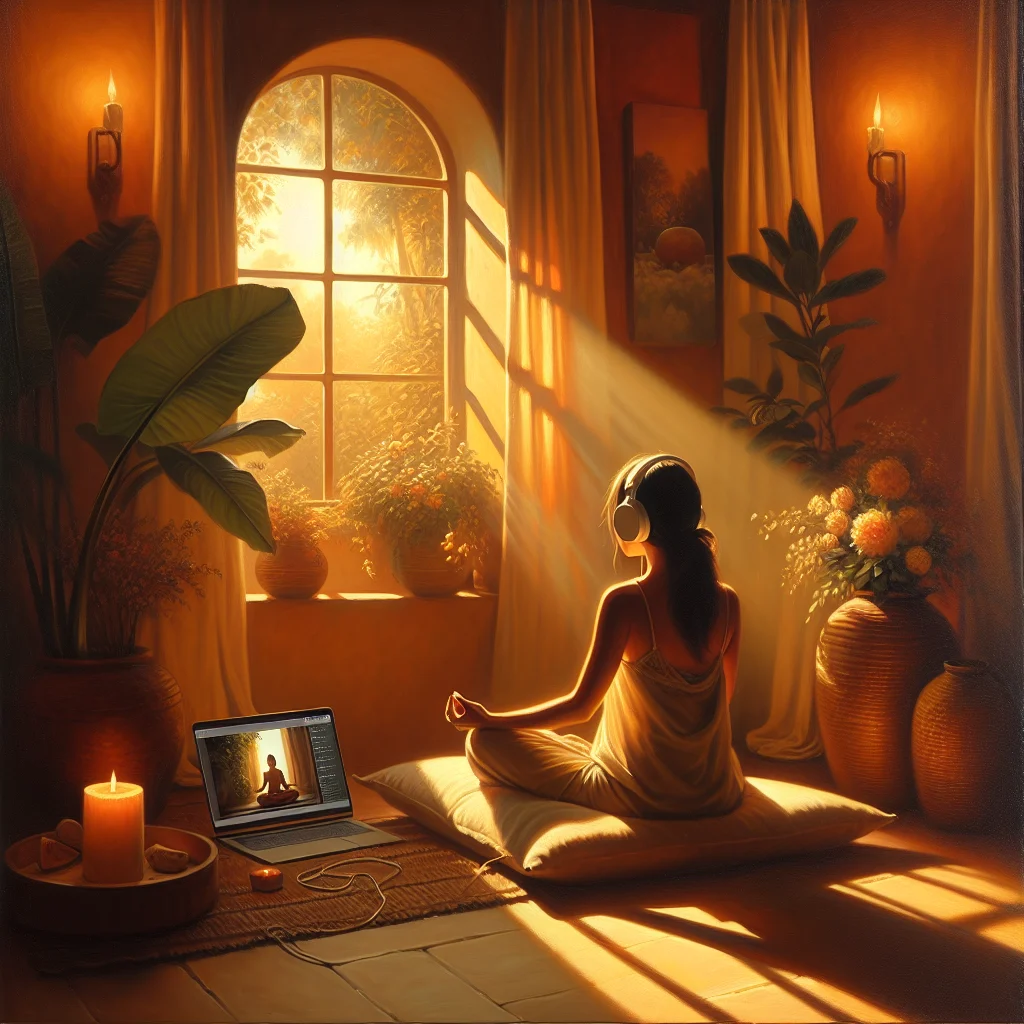
Why Choose YouTube for Daily Meditation Practice
YouTube has revolutionized how people access meditation instruction. Unlike traditional meditation classes or apps that require subscriptions, YouTube provides completely free content that you can access anytime, anywhere. This democratization of mindfulness practices has made meditation available to millions who might otherwise never try it.
The platform’s algorithm also works in your favor. As you watch more meditation content, YouTube learns your preferences and suggests relevant videos. Consequently, you’ll discover new teachers and styles that align with your personal journey. This personalized experience helps keep your practice fresh and engaging.
Benefits of YouTube Meditation Over Other Platforms
While meditation apps have their place, YouTube offers unique advantages. First, the content library is vastly larger than any single app. You’re not limited to one teacher’s style or philosophy. Instead, you can explore mindfulness practices for adults from teachers around the globe.
Second, YouTube allows you to preview content before committing time to it. You can read comments from other practitioners, check video lengths, and even skip through to see the pacing. This transparency helps you make informed choices about where to invest your meditation time.
- Zero cost – completely free access to thousands of meditations
- Variety – explore different teachers, styles, and durations
- Accessibility – available on phones, tablets, computers, and smart TVs
- Community – engage with other practitioners through comments
- Flexibility – watch offline after downloading videos
The Science Behind Daily Meditation
Research consistently demonstrates the benefits of regular meditation practice. According to the National Center for Complementary and Integrative Health, meditation can reduce stress, improve concentration, and enhance overall wellbeing. However, these benefits accumulate over time with consistent practice.
A daily meditation routine creates neurological changes in your brain. Studies using MRI scans show that regular meditators have increased gray matter in areas associated with self-awareness, compassion, and introspection. Therefore, even short daily sessions on YouTube can contribute to these positive changes.
Finding the Best Daily Meditation YouTube Channels
With so many options available, choosing the right channel can feel daunting. The key is understanding what you’re looking for in a meditation practice. Different channels cater to different needs, from complete beginners to advanced practitioners seeking specific techniques.
Some channels focus exclusively on clear your mind meditation techniques, while others incorporate elements like visualization, body scans, or breathwork. Furthermore, the personality and voice of the teacher matter significantly—what resonates with one person might not work for another.
Popular YouTube Meditation Categories
Understanding the different types of meditation content helps you navigate the platform more effectively. Each category serves a distinct purpose in your wellness journey. As a result, many practitioners subscribe to multiple channels to address different needs throughout their day.
Guided meditations remain the most popular category. These sessions feature a teacher talking you through the entire practice, offering instructions, visualizations, and gentle reminders to return your focus when your mind wanders. They’re particularly helpful for beginners who need structure and guidance.
Music and ambient soundscapes provide background audio for self-directed practice. These videos typically feature calming music, nature sounds, or binaural beats without verbal instruction. Experienced meditators often prefer these for longer sessions where they’ve already established their technique.
- Morning meditation sessions – energizing practices to start your day
- Sleep meditations – calming sessions designed for bedtime
- Anxiety relief meditations – targeted practices for stress management
- Body scan practices – progressive relaxation techniques
- Loving-kindness meditations – cultivating compassion and positivity
- Breath-focused sessions – concentration on breathing patterns
Evaluating Channel Quality
Not all YouTube meditation content is created equal. While the platform’s openness allows anyone to post videos, certain quality indicators help you identify reputable teachers. Look for channels with consistent posting schedules, professional audio quality, and educational content alongside guided practices.
Teacher credentials matter, though they’re not the only consideration. Some excellent meditation guides come from traditional lineages without formal Western certifications, while others have psychology degrees or yoga teacher training. Read channel descriptions and “About” sections to understand a teacher’s background and approach.
Comment sections provide valuable insights too. Notice whether practitioners report positive experiences and whether the channel creator engages with their community. Active, supportive communities often indicate a quality channel worth exploring further.
Building Your Daily Meditation YouTube Routine
Consistency transforms meditation from an occasional activity into a transformative practice. However, building that consistency requires strategic planning and realistic expectations. Many people start enthusiastically only to abandon their practice within weeks because they haven’t established sustainable habits.
The key to success lies in starting small and gradually expanding. Rather than committing to hour-long sessions immediately, begin with just five minutes daily. This approach reduces resistance and makes it easier to show up consistently. Moreover, short sessions help you develop the habit before increasing duration.
Creating Your Practice Schedule
Timing significantly impacts meditation success. While there’s no universally “best” time to meditate, certain periods tend to work better for most people. Morning meditation, practiced before checking phones or email, sets a calm tone for the entire day. Alternatively, evening sessions help decompress from daily stress and improve sleep quality.
Linking meditation to existing habits increases adherence rates. For example, meditate right after brushing your teeth in the morning or immediately upon arriving home from work. These “habit stacks” leverage established routines to support your new practice.
“The goal is not to be perfect at meditation; the goal is to keep showing up. Even two minutes of mindful breathing counts as practice.”
Recommended Practice Progression
As your comfort with meditation grows, so can your practice. This progressive approach prevents burnout while allowing natural expansion. Furthermore, varying your practice types keeps the experience fresh and addresses different aspects of wellbeing.
Week 1-2: Start with 5-minute guided meditations focusing on breath awareness. Choose one teacher whose voice you find calming and stick with their beginner content. This consistency helps your mind recognize and settle into the practice more quickly.
Week 3-4: Increase to 10-minute sessions. Begin exploring different meditation types like body scans or meditation for healing emotional pain. Notice which styles resonate most with your needs and preferences.
Month 2 onwards: Expand to 15-20 minute practices. Consider adding a second shorter session at a different time of day. Experiment with unguided meditations or longer immersive experiences on weekends.
Maximizing Your Daily Meditation YouTube Experience
Technical considerations enhance the quality of your YouTube meditation practice. While content matters most, optimizing your environment and setup makes a significant difference in consistency and depth. Small adjustments create a more immersive and distraction-free experience.
Audio quality particularly impacts meditation effectiveness. Invest in comfortable headphones or earbuds that you can wear for extended periods without discomfort. Good audio helps you focus on the teacher’s voice or background music without straining to hear, allowing deeper relaxation.
Optimizing Your Practice Environment
Creating a dedicated meditation space, even if it’s just a corner of a room, signals to your brain that it’s time to practice. This space doesn’t need to be elaborate—a cushion or chair in a quiet area works perfectly. However, keeping this space clean and inviting increases the likelihood you’ll actually use it.
Minimize potential interruptions during your practice. Put your phone on Do Not Disturb mode (except for the YouTube app), close unnecessary browser tabs, and inform household members of your meditation time. These boundaries protect your practice and demonstrate its importance in your daily routine.
- Use YouTube’s playlist feature to queue multiple sessions
- Download videos for offline practice during travel
- Adjust playback speed if teachers speak too quickly or slowly
- Enable subtitles if you prefer reading along with audio
- Use screen dimming or blue light filters for evening sessions
Tracking Your Progress
While meditation isn’t about achieving goals, tracking your practice provides motivation and insight. Consider keeping a simple journal noting when you practiced, which video you used, and how you felt afterward. Over time, these notes reveal patterns and demonstrate your commitment.
YouTube’s watch history automatically tracks your meditation sessions. Reviewing this history monthly shows your consistency and helps identify favorite teachers or styles. Additionally, some channels offer meditation challenges with structured programs that naturally incorporate progress tracking.
The Mindfulness & Meditation category on our blog provides additional resources for deepening your practice beyond YouTube sessions.
Overcoming Common Daily Meditation YouTube Challenges
Every meditator faces obstacles, whether they’re practicing with YouTube or in a traditional setting. Recognizing these challenges as normal parts of the journey reduces frustration and helps you develop strategies to work through them. Instead of viewing difficulties as failures, consider them opportunities for growth.
The most common complaint involves restlessness and mind wandering. New practitioners often expect their minds to immediately quiet, then feel discouraged when thoughts keep arising. However, noticing that your mind has wandered and gently returning attention to the practice *is* the meditation. This redirection strengthens your attention muscle over time.
Dealing with Distractions and Interruptions
External distractions will happen despite your best preparations. A dog barks, a notification sounds, or someone unexpectedly needs your attention. Rather than abandoning the session entirely, pause the video, address the interruption, and return to your practice. This flexibility prevents all-or-nothing thinking that often derails meditation habits.
Internal distractions prove more challenging than external ones. You might suddenly remember something you forgot to do or start planning dinner while trying to focus on your breath. When this happens, acknowledge the thought without judgment, then redirect attention back to the guided meditation or your chosen focal point.
Maintaining Motivation Through Plateaus
After the initial excitement of starting a meditation practice fades, many people hit a plateau where sessions feel routine or unrewarding. This phase is completely normal and actually signals that you’re ready to deepen your practice. Instead of giving up, this is the moment to explore new teachers, try different meditation styles, or join an online meditation community.
Connecting with others who practice daily meditation YouTube sessions provides accountability and inspiration. Many channels have active Discord servers, Facebook groups, or comment sections where practitioners share experiences and encourage each other. These communities remind you that you’re not alone in your journey.
If you’re struggling with emotional aspects of your practice, resources like mindfulness and grief can provide specialized guidance for working through difficult feelings that arise during meditation.

Advanced Techniques for Regular Practitioners
As your daily meditation YouTube practice matures, you may feel drawn to explore more advanced techniques. These practices build on foundational skills like breath awareness and present-moment focus, adding layers of complexity and depth. However, there’s no rush to advance—some people happily practice basic techniques for years with continued benefits.
Advanced meditation doesn’t necessarily mean longer or more complicated. Often, it means sitting with less guidance, exploring subtle sensations, or working with challenging emotions rather than seeking pleasant states. These practices cultivate equanimity and deeper self-understanding.
Incorporating Specialized Practices
Once you’ve established a foundation, consider adding specialized meditation types to address specific areas of your life. Visualization practices, found extensively on YouTube, help with goal achievement and creative problem-solving. Meanwhile, visualization and manifestation techniques combine meditation with intentional mental imagery.
Chakra meditations, available in countless YouTube variations, work with energy centers in the body according to yogic traditions. Sound healing meditations use specific frequencies and tones believed to promote healing. While scientific evidence varies for these practices, many people find them deeply beneficial.
Walking meditations offer an active alternative to seated practice. Some YouTube channels provide audio-only sessions specifically designed for mindful walking, either in nature or even around your neighborhood. These practices help integrate mindfulness into daily activities beyond formal sitting sessions.
Combining YouTube Resources with Other Tools
Daily meditation YouTube sessions work beautifully alongside other mindfulness resources. Consider supplementing your video practice with meditation books, podcasts like those featured in our best guided meditation podcast guide, or in-person classes when available.
Creating a comprehensive meditation library across multiple platforms prevents over-reliance on any single source. For instance, you might use YouTube for morning guided sessions, a meditation app for midday mindfulness breaks, and journaling for reflection. This varied approach keeps your practice dynamic and addresses wellbeing from multiple angles.
Building a Meditation Community Through YouTube
Although meditation is often portrayed as a solitary practice, community support significantly enhances consistency and depth. YouTube’s social features enable connection with fellow practitioners worldwide who share similar challenges and aspirations. These connections transform meditation from an isolated activity into a shared journey.
Many popular meditation channels host live sessions where viewers meditate together in real-time. These live streams create a sense of collective practice that many find motivating. Additionally, participating in premieres or commenting during live sessions helps you feel part of something larger than your individual practice.
Engaging Meaningfully with Meditation Content
Leaving thoughtful comments on meditation videos contributes to the community while deepening your own practice. Sharing what worked for you in a session or asking questions about technique helps both the creator and other viewers. Moreover, this engagement increases the likelihood that YouTube’s algorithm will recommend the channel to others who might benefit.
Subscribe to channels that resonate with you and enable notifications for new uploads. This support helps creators continue producing free content while ensuring you don’t miss sessions that might particularly address your current needs. Remember that even free content requires significant time and resources to produce.
Contributing to the Meditation Movement
As your practice deepens, consider how you might give back to the YouTube meditation community. This doesn’t mean you need to start teaching or creating content. Simple actions like creating playlists of your favorite sessions for specific needs or recommending channels to friends extends the positive impact of meditation.
Some practitioners choose to support their favorite channels through platforms like Patreon or YouTube memberships. While YouTube meditation remains free to access, these voluntary contributions help creators dedicate more time to producing quality content. They also often provide additional benefits like exclusive meditations or community forums.
Integrating Daily Meditation YouTube Into Holistic Wellness
Meditation works synergistically with other wellness practices to create comprehensive lifestyle changes. While daily meditation YouTube sessions offer tremendous standalone benefits, combining them with physical activity, healthy eating, and adequate sleep amplifies positive effects. This holistic approach addresses wellbeing from multiple dimensions.
Consider how meditation fits within your broader self-care routine. Perhaps you practice yoga before your morning meditation session, or journal after your evening practice. These complementary activities enhance each other, creating rituals that support overall health and happiness.
The Holistic Living section of our blog explores how meditation integrates with other wellness practices for a balanced lifestyle.
Meditation for Specific Life Situations
YouTube’s vast library includes meditations tailored to virtually any life circumstance. Searching for specific situations often yields surprisingly targeted content. For example, you’ll find meditations for exam stress, workplace anxiety, relationship challenges, and even specific health conditions.
This specificity allows you to address particular needs as they arise while maintaining your regular practice. You might follow your usual morning meditation with a specialized session when facing challenging circumstances. This flexible approach makes meditation a practical tool for navigating real-life situations rather than just a relaxation technique.
Practitioners dealing with mental health challenges should note that while meditation offers significant benefits, it complements rather than replaces professional treatment. Resources on Mental Health & Wellbeing provide additional context for using meditation alongside other therapeutic approaches.
Conclusion: Your Daily Meditation YouTube Journey
Embarking on a daily meditation YouTube practice opens doors to transformation that extends far beyond the minutes spent on your cushion. The consistent return to presence, breath, and awareness gradually reshapes how you relate to thoughts, emotions, and life’s inevitable challenges. Moreover, the accessibility of YouTube removes traditional barriers that kept meditation out of reach for many people.
Remember that your meditation journey is uniquely yours. What works for others may not resonate with you, and that’s perfectly fine. The beauty of YouTube’s extensive library means you can explore until you find teachers, styles, and durations that feel sustainable and beneficial. Trust your intuition about what serves your practice.
Starting is often the hardest part. Rather than waiting for the perfect moment or until you know more about meditation, simply choose a video and begin. Your first session doesn’t need to be perfect or even particularly pleasant. The act of showing up—of prioritizing these moments of stillness—is what matters most. As you continue, you’ll notice subtle shifts in awareness, patience, and self-compassion that ripple outward into all areas of your life.
The path of meditation isn’t about reaching some final destination where you’ve “mastered” the practice. Instead, it’s about cultivating an ongoing relationship with present-moment awareness. Daily meditation YouTube sessions provide the structure and guidance to support that relationship, one breath at a time.
Take your practice to the next level with Everyday Calm: A Beginner’s Guide to Daily Meditation and discover structured approaches that complement your YouTube meditation sessions.

