
The concept of slow living bahasa indonesianya translates to “hidup lambat” or “hidup dengan perlahan” in Indonesian, representing a lifestyle philosophy that encourages intentional living and mindfulness. In recent years, this movement has gained significant traction across Southeast Asia, particularly in Indonesia, where people are increasingly seeking balance between modern demands and traditional values. The slow living approach emphasizes quality over quantity, presence over productivity, and connection over consumption.
For those exploring this transformative lifestyle, understanding its cultural context within Indonesian society provides valuable insights. The philosophy aligns beautifully with traditional Indonesian values of “gotong royong” (mutual cooperation) and “keselarasan” (harmony), making it a natural fit for those seeking to reconnect with their roots while navigating contemporary life.
If you’re ready to begin your journey toward a more peaceful existence, consider exploring Everyday Calm: A Beginner’s Guide to Daily Meditation, which offers practical techniques to slow down and find inner peace in your daily routine.

Understanding Slow Living in Indonesian Context
The term slow living bahasa indonesianya encompasses more than just a direct translation. It represents a cultural adaptation of the global slow movement that resonates with Indonesian traditions and modern aspirations. While Western interpretations often focus on individual wellness and minimalism, the Indonesian approach integrates community values and spiritual practices.
In Indonesian culture, the concept relates closely to “ketenangan hidup” (peaceful living) and “kesederhanaan” (simplicity). However, these aren’t new ideas for Indonesians. Traditional villages across the archipelago have practiced elements of slow living for centuries, though they never called it by that name.
The Language of Slow Living
When discussing slow living in Indonesian, several terms capture different aspects of the philosophy. “Hidup lambat” is the most literal translation, while “hidup sederhana” emphasizes simplicity. Many practitioners also use “hidup sadar” (conscious living) or “hidup bermakna” (meaningful living) to describe their approach.
Because language shapes our understanding of concepts, these various Indonesian terms highlight different dimensions of the lifestyle. For example, “hidup dengan kesadaran penuh” directly translates to mindful living, connecting slow living with mindfulness and meditation practices that have become increasingly popular.
Cultural Roots and Modern Applications
Indonesian society has always valued balance, which is reflected in philosophies like “tri hita karana” from Bali, emphasizing harmony between humans, nature, and the divine. Similarly, Javanese philosophy teaches “mangan ora mangan, sing penting kumpul” (eat or not eat, the important thing is gathering together), prioritizing connection over material concerns.
Nevertheless, rapid urbanization and digital connectivity have disrupted these traditional rhythms. Cities like Jakarta, Surabaya, and Bandung face increasing stress levels, traffic congestion, and work-life imbalance. As a result, many Indonesians are rediscovering slow living principles as an antidote to modern pressures.
Core Principles of Slow Living Bahasa Indonesianya
Embracing slow living within Indonesian culture involves several fundamental principles that guide daily decisions and long-term goals. These principles aren’t rigid rules but rather flexible guidelines that adapt to individual circumstances and cultural contexts.
Kesadaran Penuh (Mindfulness)
Mindfulness forms the foundation of slow living practice. In Indonesian context, this means being fully present during daily activities, whether eating, working, or spending time with family. The practice encourages “menikmati prosesnya” (enjoying the process) rather than rushing toward outcomes.
For instance, traditional Indonesian cooking methods naturally embody slow living principles. Preparing sambal using a cobek (mortar and pestle) requires time, attention, and physical engagement—qualities that modern conveniences often eliminate. Although faster methods exist, many Indonesians maintain these practices specifically because they provide meditative benefits.
Kesederhanaan (Simplicity)
Simplicity in Indonesian slow living means reducing unnecessary complexity while maintaining what truly matters. This principle doesn’t require extreme minimalism but rather thoughtful curation of possessions, commitments, and relationships.
Traditional Indonesian homes exemplify this principle beautifully. Despite often being modest in size, they create spaces for family gathering, prayer, and rest. The concept of “cukup” (enough) guides purchasing decisions, encouraging contentment with what one has rather than constant acquisition.
Koneksi dengan Alam (Connection with Nature)
Indonesia’s rich natural environment provides countless opportunities for slow living practices. From rice terraces in Bali to tropical forests in Sumatra, nature offers spaces for reflection and renewal. The practice of “jalan-jalan sore” (evening walks) represents a simple yet powerful way to maintain this connection.
Furthermore, traditional agricultural practices like “subak” (Balinese water management system) demonstrate sustainable living principles that align perfectly with slow living philosophy. These systems prioritize ecological balance and community cooperation over individual profit maximization.
Practical Ways to Embrace Slow Living in Indonesia
Transitioning to a slower lifestyle requires intentional changes in daily routines and long-term habits. For Indonesians navigating busy urban environments or seeking deeper meaning in their lives, these practical approaches offer accessible starting points.
Morning Rituals and Daily Rhythms
Starting the day with intention sets the tone for slower, more mindful living. Traditional Indonesian morning practices offer excellent foundations:
- Early morning prayer or meditation: Following the rhythm of “subuh” (dawn) connects you with natural cycles
- Preparing breakfast mindfully: Making traditional dishes like bubur ayam or nasi uduk without rushing
- Morning walks or light exercise: Engaging with your neighborhood before the day’s chaos begins
- Digital-free morning hours: Delaying phone checking until after morning routines establish mental clarity
Additionally, incorporating elements from holistic health healing practices can enhance morning routines. Simple stretching, breathing exercises, or gentle yoga provide physical and mental preparation for the day ahead.
Food and Eating Practices
Indonesian food culture naturally supports slow living principles when approached mindfully. The tradition of eating together, called “makan bersama,” emphasizes connection over convenience. However, modern life often disrupts these patterns, making intentional effort necessary.
Consider these approaches to slower eating:
- Visit traditional markets (pasar tradisional) instead of always shopping at supermarkets
- Cook from scratch using fresh, local ingredients when possible
- Eat without screens, focusing on flavors, textures, and company
- Practice gratitude before meals with a simple “bismillah” or moment of thanks
- Extend meal times to allow for conversation and connection
While busy schedules sometimes necessitate quick meals, making slow eating the norm rather than the exception transforms your relationship with food and nourishment.
Work-Life Integration
The Indonesian concept of “kerja keras” (hard work) is deeply valued, yet it shouldn’t come at the expense of health and happiness. Slow living doesn’t mean working less but rather working more intentionally and establishing clear boundaries.
Strategies for work-life balance include:
- Setting specific work hours and protecting personal time
- Taking regular breaks for prayer, stretching, or brief walks
- Saying “tidak” (no) to commitments that don’t align with your values
- Creating transition rituals between work and home time
- Prioritizing “me time” and family time with the same importance as work tasks
Many Indonesian professionals are discovering that working fewer hours with greater focus actually increases productivity while reducing stress. This shift requires courage but yields significant rewards.
Slow Living Spaces: Creating Calm Environments
Your physical environment profoundly influences your ability to live slowly and mindfully. Indonesian homes traditionally incorporate design elements that promote peace and connection, principles worth reclaiming in modern settings.
Traditional Design Wisdom
Indonesian architecture offers valuable lessons for creating slow living spaces. The concept of “rumah panggung” (raised houses) provides ventilation and connection with nature. Meanwhile, “pendopo” (open pavilions) create communal gathering spaces without walls, fostering openness and connection.
Even in modern apartments or houses, you can incorporate these principles. Create designated spaces for different activities—prayer corners, reading nooks, or meditation areas. Use natural materials like wood, bamboo, and rattan that connect you with Indonesian heritage and natural aesthetics.
Decluttering with Purpose
The Japanese concept of “danshari” has influenced many Indonesians, but Indonesian culture has its own wisdom about possessions. The practice of “sedekah” (charity) naturally supports decluttering by finding new homes for items you no longer need.
Approach decluttering gradually:
- Start with one drawer or shelf rather than entire rooms
- Ask whether items serve a purpose or bring joy
- Donate usable items to local communities or charitable organizations
- Resist immediate replacement of discarded items
- Create organizational systems that maintain simplicity over time
The goal isn’t extreme minimalism but rather surrounding yourself only with things that support your values and daily life. This approach naturally reduces both physical and mental clutter.
Community and Connection in Indonesian Slow Living
Unlike Western slow living movements that sometimes emphasize solitary practices, slow living bahasa indonesianya maintains strong community focus. Indonesian culture’s collectivist nature means that slow living includes strengthening social bonds and contributing to community wellbeing.
Reviving Traditional Gatherings
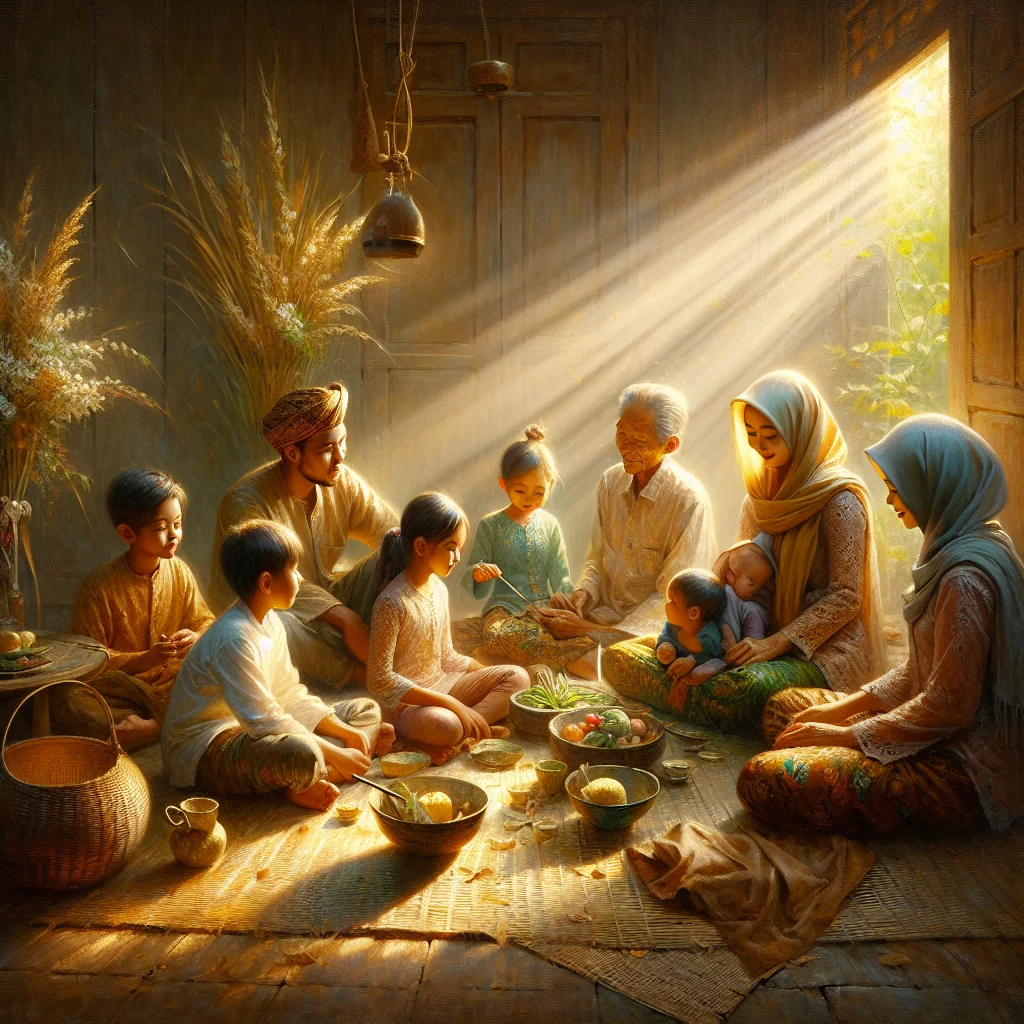
Traditional community practices offer ready-made frameworks for slow living connection. Activities like “arisan” (rotating savings groups), “pengajian” (religious study groups), or neighborhood “gotong royong” (mutual cooperation) events provide structured opportunities for meaningful interaction.
These gatherings naturally slow life’s pace because they require presence, patience, and genuine engagement. While digital communication offers convenience, it cannot replace the depth of face-to-face interaction that these traditional practices foster.
Building Slow Living Communities
Across Indonesia, groups are forming around slow living principles. These communities share resources, knowledge, and support for lifestyle changes. Some focus on sustainable living, others on mindfulness practices, and many integrate multiple aspects of slow living philosophy.
Joining or creating such communities amplifies individual efforts. You might start a neighborhood book club, organize regular nature walks, or establish a community garden. These activities build relationships while reinforcing slow living values.
Overcoming Challenges to Slow Living in Modern Indonesia
Despite its appeal, adopting slow living principles in contemporary Indonesian society presents genuine challenges. Recognizing these obstacles helps develop strategies to overcome them rather than abandoning the effort when difficulties arise.
Economic Pressures
The reality of economic necessity drives many Indonesians to work multiple jobs or long hours. Slow living might seem like a luxury available only to the wealthy. However, this perception misses the essence of the philosophy.
Slow living doesn’t require expensive retreats or costly lifestyle changes. Instead, it often saves money by reducing consumption and emphasizing free or low-cost activities like walking, cooking at home, and spending time with loved ones. The key is working intentionally toward financial stability that supports rather than undermines wellbeing.
Social Expectations
Indonesian society maintains strong expectations around success, often measured by career advancement, material possessions, and busy schedules. Choosing a slower path can invite judgment or misunderstanding from family, friends, and colleagues.
Navigating these expectations requires clear communication about your values and boundaries. Explaining that you’re choosing quality over quantity in work, relationships, and possessions helps others understand your decisions. Over time, as they observe the positive effects, many initially skeptical people become supportive or even inspired to make similar changes.
Digital Overwhelm
Indonesia has one of the world’s highest social media usage rates. Constant connectivity fragments attention, disrupts presence, and accelerates life’s pace. Digital habits represent perhaps the biggest obstacle to slow living for many Indonesians.
Addressing digital overwhelm doesn’t necessarily mean complete disconnection. Instead, establish intentional practices:
- Designate phone-free times during meals, before bed, and upon waking
- Disable non-essential notifications that create artificial urgency
- Limit social media to specific time windows rather than constant checking
- Follow accounts that inspire rather than stress or pressure you
- Practice “digital sabbaths” weekly or monthly
These boundaries create space for presence and deeper engagement with actual rather than virtual life.
Slow Living and Indonesian Spirituality
For many Indonesians, spirituality forms an integral part of daily life. Slow living practices align beautifully with religious and spiritual traditions, enhancing rather than competing with existing practices.
Islamic Perspectives
Islamic teachings emphasize mindfulness, gratitude, and moderation—all core slow living principles. The practice of five daily prayers naturally creates rhythm and regular pauses throughout the day. Additionally, concepts like “qanaah” (contentment) and “zuhud” (detachment from worldly desires) directly support slower, more intentional living.
Many Indonesian Muslims are discovering that slow living deepens rather than distracts from spiritual practice. By reducing unnecessary busyness, you create more space for reflection, prayer, and connection with the divine.
Hindu-Buddhist Influences
Bali’s Hindu traditions and Buddhist practices found throughout Indonesia offer rich resources for slow living. Meditation, mindfulness, and the pursuit of balance are foundational to these traditions. The concept of “tri kaya parisudha” (three behaviors to purify) emphasizes thinking, speaking, and acting with awareness—essentially mindfulness by another name.
Practices like daily offerings, temple ceremonies, and meditation retreats naturally embody slow living principles. Even non-practitioners can draw inspiration from these traditions’ emphasis on presence, ritual, and connection with the sacred.
Slow Living Resources and Further Learning
Deepening your understanding and practice of slow living bahasa indonesianya benefits from accessing quality resources and continued learning. Fortunately, both Indonesian and international sources offer valuable guidance.
Books and Publications
While many slow living books originate in Western contexts, their principles translate well to Indonesian settings. Look for titles discussing mindfulness, simple living, and intentionality. Indonesian authors are increasingly contributing to this literature, offering culturally specific perspectives.
Online resources also provide valuable information. Blogs, podcasts, and YouTube channels dedicated to slow living, sustainability, and mindfulness offer free education. Many now feature Indonesian content creators sharing their experiences adapting slow living to local contexts. Similarly, resources like slow living PDF guides provide structured approaches to implementing these practices.
Retreat Centers and Learning Spaces
Indonesia hosts numerous retreat centers offering slow living experiences. Places like Hemanaire Slow Living Valley and various eco-villages provide immersive environments to practice and learn. These spaces demonstrate slow living principles in action, offering inspiration for your own life.
While retreats provide intensive experiences, local workshops and classes offer more accessible learning opportunities. Many communities now host slow living workshops, cooking classes focusing on traditional methods, or meditation groups that support ongoing practice.
Online Communities
Digital platforms ironically support slow living by connecting practitioners across geographic boundaries. Indonesian Facebook groups, Instagram communities, and WhatsApp groups create spaces for sharing experiences, asking questions, and finding encouragement.
These communities demonstrate that slow living doesn’t mean isolation or rejection of technology. Rather, it means using technology intentionally to support rather than undermine your values and goals.
The Future of Slow Living in Indonesia
As Indonesia continues developing economically and technologically, the slow living movement faces both challenges and opportunities. Understanding these dynamics helps practitioners remain resilient and adaptable while maintaining core principles.
Growing Awareness
Media coverage, social media discussions, and visible practitioners are raising awareness of slow living possibilities. More Indonesians are questioning whether conventional success metrics truly lead to happiness and fulfillment. This questioning opens space for alternative approaches centered on wellbeing rather than mere achievement.
Young Indonesians particularly show interest in sustainable, intentional living. While career success remains important, many prioritize flexibility, purpose, and balance in ways previous generations didn’t. This shift suggests slow living principles will continue gaining traction.
Integration with Modern Life
The future of Indonesian slow living likely involves creative integration with modern realities rather than rejection of contemporary life. Technology, properly used, can support slow living through meditation apps, online learning, and community building. Urban planning that incorporates green spaces, walkability, and community areas makes slower living more accessible.
Businesses are also recognizing slow living’s appeal, creating products and services aligned with these values. From slow fashion to organic food delivery, market forces increasingly support rather than hinder intentional living choices.
Taking Your First Steps Toward Slow Living
If you’re inspired to embrace slow living bahasa indonesianya, remember that significant change happens through small, consistent steps rather than dramatic overnight transformation. Begin where you are with what you have, allowing your practice to evolve organically over time.
Starting Small
Choose one area of life to address first rather than attempting wholesale change. Perhaps you begin with morning routines, establishing a calm start to each day. Or maybe you focus on meal times, eating without screens and savoring each bite. Whatever you choose, commit to it fully before adding additional changes.
Track your experience through journaling or simple notes. Notice how these changes affect your mood, energy, relationships, and overall wellbeing. This awareness builds motivation for continued practice and helps you identify which approaches work best for your unique circumstances.
Being Patient with Yourself
Slow living ironically requires patience about becoming a slow liver. You’ll have days when old habits reassert themselves or external pressures overwhelm your intentions. These moments don’t represent failure but rather normal parts of any meaningful change process.
Treat yourself with compassion during setbacks. Acknowledge what happened without harsh self-judgment, then simply return to your practices. Over time, slow living becomes less something you do and more who you are—a natural expression of your values and priorities.
For additional support on this journey, consider exploring The Self-Love Reset: A Journey to Rediscover Yourself, which provides guidance for building the self-compassion essential to sustainable lifestyle changes.
Conclusion: Embracing Slow Living Authentically
Understanding slow living bahasa indonesianya means more than translating words—it requires adapting a global movement to Indonesian cultural contexts, values, and realities. The beauty of this philosophy lies in its flexibility and universality. Whether you live in bustling Jakarta or rural Java, work in corporate offices or traditional markets, slow living principles can enhance your daily experience.
The path forward involves reclaiming traditional wisdom while thoughtfully engaging modern conveniences. It means prioritizing presence over productivity, connection over consumption, and meaning over mere busyness. These choices don’t reject progress but rather ensure that progress serves human flourishing rather than undermining it.
As more Indonesians embrace these principles, they’re not just improving individual lives but potentially transforming society. Imagine communities where people have time for neighbors, where children grow up with present parents, where work serves life rather than consuming it. This vision isn’t utopian fantasy but achievable reality, built one intentional choice at a time.
Your journey toward slower, more intentional living begins now, with whatever small step feels right for your current circumstances. Whether that’s a morning meditation practice, regular digital detoxes, or simply eating one meal per day without distractions, each choice moves you toward greater peace, presence, and purpose.
If you’re ready to deepen your practice further, Manifest Your Dreams: A Practical Guide to the Law of Attraction offers complementary techniques for creating the intentional, meaningful life that slow living promises.
Remember, slow living isn’t about perfection or rigidly following rules. It’s about continuously returning to what matters most, making space for joy and connection, and living in alignment with your deepest values. In doing so, you’ll discover that slowing down doesn’t mean doing less but rather experiencing more—more presence, more gratitude, more peace, and more authentic living.

