
Imagine waking up to the sound of gentle waves lapping against ancient shores, where time seems to move at its own unhurried pace. This is the essence of slow living in Sardinia, an Italian island that has mastered the art of savoring life’s simple pleasures. While the modern world rushes forward, this Mediterranean gem offers a sanctuary where people still prioritize connection, health, and genuine happiness over constant productivity.
Sardinia isn’t just another beautiful vacation destination. It’s one of the world’s five Blue Zones—regions where people live exceptionally long, healthy lives. The island’s inhabitants have perfected a lifestyle that many of us are only now beginning to understand and appreciate. Their approach to daily living provides valuable lessons for anyone seeking to embrace the slow living concept in their own lives.
In this article, we’ll explore how Sardinia’s unique culture, landscape, and traditions create the perfect environment for slow living. Moreover, you’ll discover practical ways to incorporate these time-tested principles into your own routine, regardless of where you call home.
If you’re ready to begin your journey toward a more mindful existence, consider starting with Everyday Calm: A Beginner’s Guide to Daily Meditation. This resource perfectly complements the slow living philosophy by helping you cultivate inner peace and presence.

Why Sardinia Is the Perfect Slow Living Destination
Sardinia’s reputation as a slow living paradise didn’t happen by accident. The island’s geographical isolation has preserved ancient customs and values that mainland Europe has largely abandoned. However, this isolation is precisely what makes it so special for those seeking a more intentional way of life.
The landscape itself encourages a slower pace. Rugged mountains meet pristine beaches, creating a diverse terrain that demands respect and patience. Unlike flat, easily navigable territories, Sardinia’s geography naturally slows you down, forcing you to notice your surroundings and move with deliberate intention.
The Blue Zone Phenomenon
According to research by Blue Zones, Sardinia boasts one of the highest concentrations of centenarians in the world. The Barbagia region, in particular, has fascinated longevity researchers for decades. What’s their secret? It’s not a single factor but rather a holistic approach to living.
The Sardinian lifestyle incorporates several key elements:
- Plant-based diet rich in vegetables, legumes, and whole grains
- Regular physical activity through daily walking and manual labor
- Strong family bonds and multigenerational households
- Community engagement and meaningful social connections
- Moderate wine consumption, typically Cannonau red wine
- Purpose-driven living with a sense of belonging
These elements naturally align with slow living principles found in countries worldwide. Nevertheless, Sardinia’s implementation feels particularly authentic and unforced.
Cultural Values That Support Slow Living
Sardinians possess a cultural identity that values quality over quantity. Their concept of time differs significantly from the clock-driven mentality prevalent in most Western societies. Instead, they follow what might be called “human time”—a rhythm dictated by natural cycles, seasons, and genuine needs rather than arbitrary deadlines.
Family remains central to Sardinian culture. Multiple generations often live together or in close proximity, creating a support network that reduces stress and provides built-in community. This arrangement naturally slows life down because decisions consider the entire family unit, not just individual desires.
Furthermore, Sardinians maintain a healthy skepticism toward rapid modernization. While they embrace beneficial technology, they haven’t abandoned traditional practices that have served them well for centuries. This balance between old and new creates a sustainable approach to progress.
Daily Rhythms of Slow Living Sardinia Style
Understanding slow living in Sardinia requires looking at how locals structure their days. Their routines might seem radical to someone accustomed to packed schedules and constant multitasking, but they’re remarkably effective at promoting wellbeing and longevity.
Morning Rituals and Breakfast
Sardinian mornings begin gently, without jarring alarms or rushed preparations. Breakfast typically consists of simple, wholesome foods: fresh bread, perhaps some sheep’s cheese, seasonal fruit, and strong coffee. However, the meal itself matters less than the manner of eating—slowly, mindfully, often with family members.
After breakfast, many Sardinians engage in light physical activity. This might involve tending to a garden, walking to the local market, or caring for animals. These activities serve multiple purposes: exercise, connection with nature, and accomplishment of necessary tasks. As a result, movement feels integrated into life rather than compartmentalized as “workout time.”
The Sacred Midday Pause
Perhaps no aspect of Sardinian culture better exemplifies slow living than the midday break. Between roughly 1 PM and 4 PM, life essentially pauses. Shops close, streets empty, and people retreat to their homes for lunch and rest.
This tradition, common throughout Mediterranean cultures, acknowledges human biological rhythms. The post-lunch dip in energy isn’t something to fight with caffeine; instead, it’s honored with rest. Consequently, afternoon and evening productivity actually increases because people work when they’re genuinely alert.
The main meal occurs during this time, bringing families together for conversation and connection. Food preparation and eating can easily occupy two hours or more, yet this isn’t considered wasted time. Rather, it’s viewed as essential for both physical nourishment and social bonding.
Evening Activities and Social Connection
Evenings in Sardinia revolve around community. After the heat subsides, town squares fill with people of all ages. Children play while adults converse, creating an intergenerational social fabric that strengthens community bonds.
The passeggiata—an evening stroll—represents another cornerstone of slow living. People walk not for exercise targets or step counts, but simply for the pleasure of movement and social interaction. Along the way, they stop to chat with neighbors, visit local shops, or simply observe the passing scene.
Dinner arrives late by American standards, often not until 8 or 9 PM. Like lunch, it’s a leisurely affair that prioritizes conversation and connection. Technology rarely intrudes on these meals; instead, people engage fully with those present.
Sardinian Diet: Nourishment for Slow Living
The Sardinian approach to food perfectly illustrates slow living principles. Their diet emphasizes seasonal, local ingredients prepared simply and consumed mindfully. This isn’t about following trendy eating plans; rather, it’s about maintaining traditional foodways that have proven their value over generations.
Key Ingredients and Traditional Foods
Sardinian cuisine revolves around several staple ingredients:
- Fava beans and chickpeas—protein-rich legumes eaten daily
- Pane carasau—traditional flatbread that stores well
- Pecorino cheese—made from sheep’s milk, rich in omega-3s
- Wild greens—foraged from the countryside
- Cannonau wine—containing high levels of antioxidants
- Olive oil—a staple healthy fat
Notice what’s largely absent: processed foods, refined sugars, and excessive meat. Sardinians consume meat primarily on special occasions, treating it as a celebration food rather than an everyday staple. This pattern aligns with holistic living principles that emphasize natural, whole foods.
The Role of Food in Community
In Sardinia, food serves as social glue. Meals bring people together regularly, creating opportunities for conversation, laughter, and mutual support. The act of sharing food becomes an expression of care and belonging.
Moreover, many Sardinians still grow at least some of their own food. Even urban dwellers often maintain small gardens or keep chickens. This connection to food production creates appreciation and mindfulness about what we eat. When you’ve tended a tomato plant for months, you don’t mindlessly consume its fruit while scrolling through your phone.
Traditional food preparation methods also slow things down beautifully. Making bread by hand, slowly simmering beans, or aging cheese requires patience. These activities can’t be rushed, teaching valuable lessons about accepting natural timelines. As a result, patience extends beyond the kitchen into other life areas.
Connection to Nature in Sardinian Slow Living
Sardinia’s stunning natural environment isn’t merely a backdrop; it’s an active participant in the slow living lifestyle. The island’s residents maintain deep connections to land and sea that inform their daily rhythms and life perspectives.
Shepherding and Agricultural Traditions
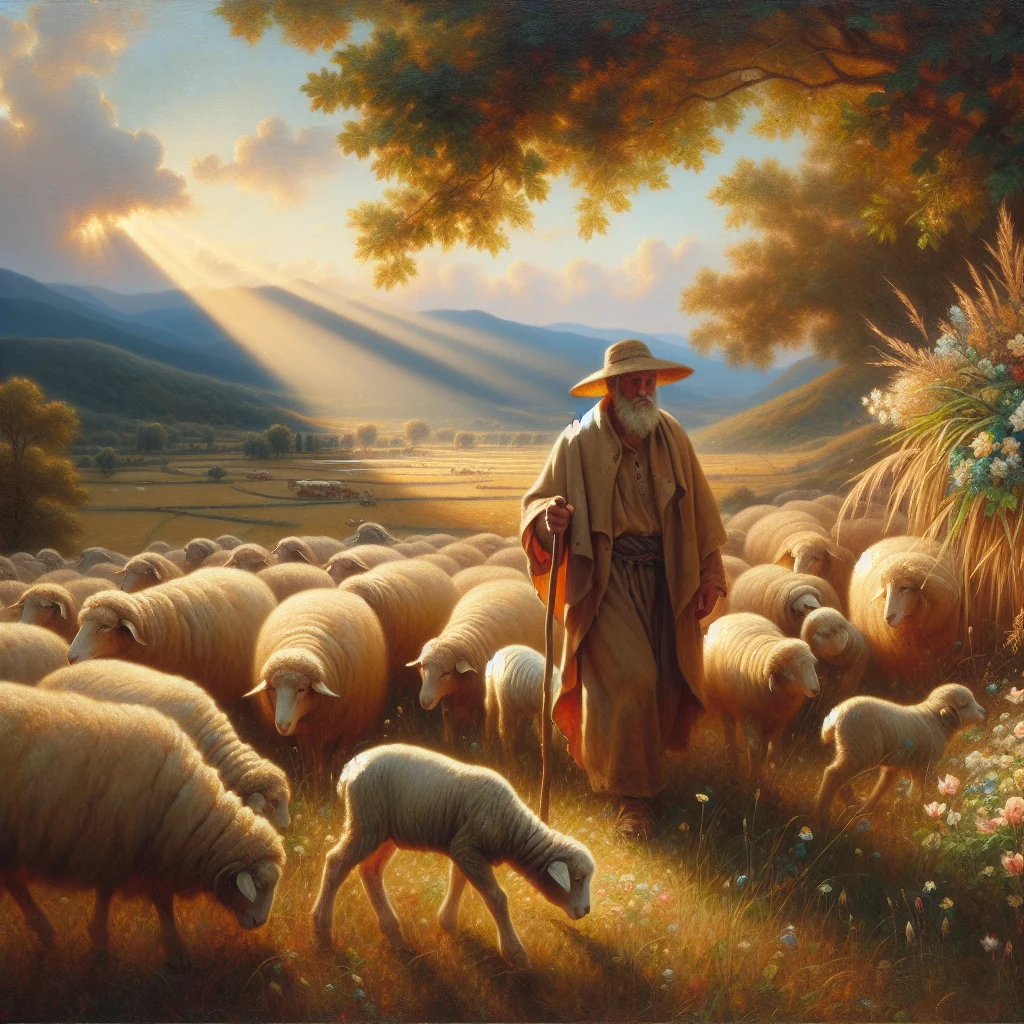
Many Sardinians, particularly in interior regions, continue traditional shepherding practices. This occupation demands patience, observation, and attunement to natural cycles. Shepherds spend long days outdoors, moving slowly with their flocks, which naturally promotes a contemplative mindset.
Agricultural work follows similar patterns. Planting, tending, and harvesting according to seasonal schedules reinforces the reality that some things simply cannot be rushed. You can’t make crops grow faster through sheer willpower—a humbling lesson that translates well to other life domains.
These outdoor occupations also provide the physical activity that contributes to Sardinian longevity. However, unlike gym workouts that feel separate from daily life, this movement serves clear purposes and connects people to their environment. For more on this connection, explore how slow living intertwines with nature.
Coastal Living and Maritime Rhythms
Sardinia’s extensive coastline shapes another dimension of island life. Fishing communities organize their days around tides, weather, and fish migrations—natural rhythms that don’t conform to human schedules.
The sea provides both livelihood and leisure. Swimming, diving, and simply spending time near water offer opportunities for reflection and restoration. According to National Geographic, spending time near water has documented mental health benefits, reducing stress and promoting clarity.
Coastal villages maintain a particularly relaxed atmosphere. The endless horizon visible from shore somehow expands one’s sense of time and space. Problems that seemed urgent in urban environments often diminish in importance when viewed against such vast perspectives.
Social Fabric and Community Bonds
Perhaps the most crucial—yet most overlooked—element of Sardinian slow living is strong community bonds. In an era of increasing isolation, Sardinia demonstrates how human connection contributes to both happiness and longevity.
Multigenerational Living
Sardinian households frequently include multiple generations under one roof or in adjacent homes. Grandparents help raise children, while adult children care for aging parents. This arrangement distributes responsibilities and ensures no one faces life’s challenges alone.
Children benefit enormously from this structure. They receive attention from multiple adults, learn from their elders’ wisdom, and develop strong family identities. Meanwhile, older adults maintain purpose and engagement rather than being relegated to the sidelines of society.
This living arrangement naturally slows life down. Decisions require consultation and consensus. Individual impulses must balance against family needs. While this might sound restrictive to independence-focused cultures, it actually creates freedom from the loneliness and burden of managing everything alone.
The Village as Extended Family
Beyond immediate family, Sardinians maintain tight-knit village communities where everyone knows their neighbors. This familiarity creates both accountability and support. People look out for each other, share resources, and celebrate together.
Village festivals punctuate the calendar, bringing communities together for traditional celebrations. These events strengthen social bonds while providing breaks from routine. They also preserve cultural traditions, passing them to younger generations who will maintain them in turn.
Such communities naturally discourage the anonymity and isolation common in modern cities. When you’ll encounter neighbors daily, maintaining positive relationships becomes essential. Therefore, people invest time in social courtesies and genuine concern for others’ wellbeing.
How to Bring Sardinian Slow Living Into Your Life
You don’t need to move to Sardinia to benefit from its slow living wisdom. While location certainly matters, many principles can be adapted to different environments and circumstances. Here are practical strategies for incorporating Sardinian-style slow living wherever you are.
Restructure Your Relationship With Time
Start by questioning the urgency you attach to various tasks. Ask yourself: “What really needs to happen today?” Often, we create artificial urgency that increases stress without improving outcomes. By prioritizing ruthlessly, you create space for what truly matters.
Consider implementing your own midday pause. Even if you can’t take three hours, a proper lunch break away from your desk can significantly improve afternoon productivity and wellbeing. Use this time to eat mindfully, perhaps take a brief walk, or simply sit quietly.
Additionally, protect your evenings from work encroachment. Establish clear boundaries between professional and personal time. When the workday ends, truly end it—just as Sardinian shops close during riposo without apology.
Prioritize Meals and Social Connection
Transform at least one daily meal into a slow, mindful experience. Turn off screens, sit at a proper table, and focus on your food. If possible, share this meal with others—family, roommates, or friends. The conversation matters as much as the nutrition.
Shop for food more frequently, buying fresher ingredients in smaller quantities. This practice connects you to seasonal rhythms and reduces food waste. Moreover, frequent market visits can become pleasant social outings rather than chores to rush through.
Invest time in food preparation. Cooking from scratch needn’t be complicated; simple dishes made with quality ingredients often taste best. The act of cooking itself becomes meditation—chopping vegetables, stirring risotto, kneading bread all offer opportunities for mindfulness.
Strengthen Community Connections
Make regular time for face-to-face social interaction. Schedule weekly dinners with friends, join community groups, or simply chat with neighbors. These connections provide support networks that reduce stress and increase life satisfaction.
Consider multigenerational activities. If you have children, involve grandparents regularly. If you don’t have family nearby, connect with older adults in your community through volunteering or neighborhood programs. These relationships enrich everyone involved.
Practice the passeggiata by taking evening walks in your neighborhood. Greet people you encounter. Stop to chat rather than rushing past. Over time, these small interactions build community feeling even in urban environments.
Reconnect With Nature
Spend time outdoors daily, even if only briefly. A morning walk, lunch in a park, or evening gardening session helps recalibrate your rhythms to natural cycles. Notice seasonal changes—the angle of sunlight, which plants are blooming, when birds migrate.
If possible, grow something edible. A small herb garden on a windowsill counts. Tending living things connects you to growth cycles and provides the satisfaction of nurturing life. Plus, fresh herbs dramatically improve simple meals.
Plan regular nature immersions. Weekend hikes, beach days, or camping trips provide deeper restoration than daily outdoor moments can offer. These excursions remind you of perspectives beyond human constructs, naturally reducing stress and worry.
Embrace Purposeful Activity
Sardinians often maintain purpose well into old age through meaningful work and community roles. Identify activities that feel purposeful to you—creative pursuits, volunteer work, mentoring others, or mastering skills. Purpose provides motivation and satisfaction beyond mere entertainment.
Learn traditional skills that connect you to human heritage: baking bread, preserving food, hand crafts, or playing music. These activities require patience and attention, naturally slowing you down while producing tangible results. They also connect you across generations to those who practiced these skills before you.
Reduce consumption of passive entertainment. While relaxation matters, hours of screen time rarely leave us feeling refreshed. Replace some passive activities with engaging ones—reading, conversation, creative projects, or physical activities you genuinely enjoy.
Challenges and Considerations
Adopting slow living principles in a fast-paced culture presents real challenges. Modern life doesn’t always accommodate unhurried approaches, and various pressures push us toward busyness. However, understanding these obstacles helps you navigate them more effectively.
Economic Realities
Many people legitimately can’t reduce work hours due to financial necessity. Slow living doesn’t require dropping out of the workforce, but it may require creative solutions. Could you negotiate remote work to eliminate commute time? Might you simplify expenses to need less income? Can you find employment that aligns better with slow living values?
Sardinia’s economy is relatively simple compared to complex modern economies. However, even there, younger generations face economic pressures that older residents didn’t encounter. The key is finding sustainable balance between economic needs and wellbeing—not sacrificing one completely for the other.
Social Expectations and Cultural Norms
If your culture values busyness as a status symbol, slowing down may invite criticism. People might interpret your choices as laziness or lack of ambition. Building resilience against these judgments requires clarity about your own values and priorities.
Find like-minded community. Seek others who share slow living values, whether locally or online. Journaling about slow living can help clarify your intentions and track progress. Support systems make countercultural choices more sustainable.
Starting Small and Building Gradually
Attempting radical overnight transformation rarely works. Instead, implement changes incrementally. Choose one or two practices to begin with, establish them as habits, then add more. This approach prevents overwhelm and allows you to discover what works for your specific circumstances.
Be patient with yourself and others if you live with family. Different people embrace change at different paces. Share information about slow living benefits, model the behaviors you’d like to see, but avoid forcing your choices on others. Often, when people witness positive changes in you, they become curious and willing to try themselves.
Remember that slow living isn’t about perfection. You’ll have rushed days, convenience meals, and periods when life feels anything but slow. That’s normal and acceptable. The goal is shifting your overall pattern and default choices, not achieving some idealized constant state.
The Deeper Philosophy Behind Slow Living in Sardinia
Beyond specific practices, Sardinian slow living reflects a particular worldview—one that modern society often contradicts. Understanding this deeper philosophy helps explain why these approaches work so well together.
Quality Over Quantity
Sardinians prioritize doing fewer things better rather than maximizing quantity. This applies to food, possessions, relationships, and activities. A few genuine friendships matter more than hundreds of superficial connections. One excellent meal provides more satisfaction than three mediocre ones eaten while distracted.
This principle directly challenges consumer culture’s constant push for more. Advertising trains us to believe happiness lies in accumulation—more possessions, experiences, and achievements. However, research consistently shows that beyond meeting basic needs, increased consumption doesn’t improve wellbeing. Sardinia demonstrates an alternative: sufficiency and quality create deeper satisfaction than endless accumulation.
Acceptance of Natural Rhythms
Modern culture often positions humans against nature, trying to override natural limitations through technology and willpower. We fight darkness with artificial light, overcome seasonal food scarcity with global supply chains, and attempt to maintain constant high productivity regardless of natural energy fluctuations.
Sardinians take a different approach, working with rather than against natural rhythms. They rest when tired, eat seasonally available foods, and adjust activities to weather and daylight. This alignment reduces the friction and exhaustion that comes from constantly fighting natural patterns.
Accepting natural rhythms also means accepting aging and death as normal life aspects. Sardinia’s integration of elderly people into daily life reflects this acceptance. Rather than pursuing eternal youth, people embrace each life stage for what it offers. This perspective reduces anxiety and allows more genuine presence in current reality.
Interdependence Rather Than Independence
While many cultures glorify independence and self-sufficiency, Sardinians embrace interdependence. They recognize that humans are fundamentally social creatures who thrive through connection and mutual support. Needing others isn’t weakness; it’s simply reality.
This perspective encourages asking for help, offering assistance, and maintaining reciprocal relationships. It also creates resilience—when challenges arise, you don’t face them alone. The community rallies, distributing burdens so they feel manageable.
Interdependence naturally slows life down because relationships require time and attention. You can’t maintain meaningful connections through efficient transactions. Instead, you invest in others without calculating immediate returns, trusting that the web of reciprocity will support you when needed.
For those interested in deepening their self-awareness within this framework, The Self-Love Reset: A Journey to Rediscover Yourself offers valuable guidance for balancing self-care with community connection.
Slow Living Sardinia as Inspiration for Global Wellbeing
Sardinia’s approach to life offers more than personal wellness strategies—it presents an alternative vision for how societies might organize themselves. As mental health challenges, loneliness epidemics, and stress-related diseases increase globally, we need different models for structuring daily life.
The island demonstrates that longevity and happiness don’t require expensive interventions or cutting-edge technology. Rather, they emerge from timeless practices: eating real food, moving naturally, maintaining strong relationships, finding purpose, and living according to human-scale rhythms. These approaches are accessible to virtually everyone, regardless of income or location.
Moreover, slow living aligns with environmental sustainability. Sardinia’s traditional lifestyle has a relatively small ecological footprint—local food systems, minimal consumption, reusable goods, and walking-based transportation all reduce environmental impact. As climate change demands more sustainable living, Sardinian traditions offer proven alternatives to resource-intensive modern lifestyles.
The challenge lies in adapting these principles to diverse contexts. Urban environments differ significantly from Sardinian villages. Not everyone can access land for gardening or enjoy Mediterranean climate. Cultural values vary widely. However, the core principles—prioritizing connection, eating real food, moving regularly, and resisting constant urgency—translate across contexts with thoughtful adaptation.
Conclusion: Beginning Your Slow Living Journey
Slow living in Sardinia isn’t a rigid formula to replicate exactly. Instead, it’s an inspiration—a living example of what becomes possible when people prioritize wellbeing, connection, and sustainability over speed and accumulation. The island’s centenarians didn’t reach their remarkable ages through biohacking or optimization; they simply lived well, day after day, for decades.
Your slow living journey begins with small shifts in attention and priority. Notice where hurry adds stress without improving outcomes. Identify opportunities to connect more deeply with food, nature, and other people. Question cultural assumptions about productivity and busyness that may not serve your actual wellbeing.
Remember that slow living doesn’t mean doing less overall; rather, it means being more selective about commitments and more present with chosen activities. It’s about depth over breadth, quality over quantity, and sustainability over short-term intensity. These shifts create lives that feel both more manageable and more meaningful.
As you implement changes, pay attention to how you feel. Does slowing down increase or decrease your stress? Do you feel more connected to others and yourself? Are you noticing things you previously missed? Let your experience guide further adjustments, trusting that you know what you need better than any external expert.
Sardinia proves that alternative approaches to modern life aren’t merely possible—they’re actually working remarkably well for those who practice them. While you may not achieve the extreme longevity of Sardinian centenarians, you can certainly improve your daily quality of life by borrowing from their wisdom. In our fast-paced, often overwhelming world, that gift feels more valuable than ever.
To support your journey toward mindful living, explore Manifest Your Dreams: A Practical Guide to the Law of Attraction, which can help you clarify intentions and create the slow living life you envision. Additionally, discover more insights about mindfulness and meditation practices that complement the Sardinian approach to intentional living.

