
In our fast-paced modern world, finding moments of peace and tranquility can feel like an impossible task. However, Buddhist guided meditation on YouTube has emerged as an accessible gateway for millions seeking to cultivate mindfulness and inner calm. Whether you’re a complete beginner or someone looking to deepen your practice, YouTube’s vast library of Buddhist meditation content offers something for everyone.
The beauty of using YouTube for Buddhist meditation lies in its accessibility. You don’t need to join a meditation center or commit to expensive classes. Instead, you can explore different teachers, traditions, and meditation styles from the comfort of your own home. This democratization of ancient wisdom has made Buddhist teachings available to people across the globe, breaking down barriers that once made these practices seem distant or exclusive.
For those just beginning their journey, resources like Everyday Calm: A Beginner’s Guide to Daily Meditation can provide structured support alongside your YouTube explorations. This combination of guided video content and comprehensive written guidance creates a powerful foundation for your practice.

Understanding Buddhist Meditation Fundamentals
Buddhist meditation isn’t just about sitting quietly with your eyes closed. Rather, it’s a comprehensive practice aimed at developing awareness, compassion, and insight into the nature of reality. The tradition encompasses various techniques, each designed to cultivate specific qualities of mind and heart.
At its core, Buddhist meditation focuses on developing mindfulness (sati) and concentration (samadhi). These two qualities work together to help practitioners observe their thoughts and emotions without judgment. Through consistent practice, you begin to recognize patterns in your thinking and develop a healthier relationship with your mental experiences.
The Two Main Branches of Buddhist Meditation
Buddhist meditation traditionally divides into two complementary approaches. Samatha meditation focuses on calming the mind and developing concentration. Meanwhile, Vipassana meditation emphasizes insight and clear seeing into the nature of reality. Most YouTube channels incorporate elements of both approaches, creating a balanced practice suitable for modern practitioners.
For example, you might begin with samatha techniques to settle your mind before moving into deeper insight practices. This progression mirrors the traditional Buddhist path and helps prevent the frustration that can arise when jumping directly into advanced techniques. Additionally, many teachers on YouTube explain these distinctions clearly, making complex concepts accessible to newcomers.
Popular Buddhist Meditation Styles on YouTube
YouTube hosts an incredible variety of Buddhist meditation styles, reflecting the diversity of Buddhist traditions worldwide. Understanding these different approaches can help you find practices that resonate with your personal needs and preferences.
Zen (Zazen) Meditation
Zen meditation, known as zazen, emphasizes simplicity and direct experience. Practitioners typically sit in stillness, observing their breath and allowing thoughts to pass without engagement. Many YouTube channels offer Zen meditation sessions ranging from five minutes to several hours, often accompanied by minimal instruction to preserve the tradition’s emphasis on direct experience.
The appeal of Zen practice lies in its stripped-down approach. Because it doesn’t rely on elaborate visualizations or complex techniques, beginners often find it approachable. However, the simplicity can be deceptive—maintaining focus during Zen meditation requires considerable discipline and patience.
Tibetan Buddhist Meditation
Tibetan Buddhist meditation incorporates visualization, mantra recitation, and philosophical contemplation. YouTube channels featuring Tibetan practices often include teachings on compassion meditation (tonglen), deity yoga, and analytical meditation on Buddhist concepts. These practices can be particularly powerful for developing loving-kindness and compassion toward oneself and others.
Furthermore, Tibetan practices frequently include beautiful chanting and ritual elements that create a rich sensory experience. This multisensory approach can help maintain engagement during meditation, especially for those who struggle with more austere practices.
Theravada Mindfulness Practices
The Theravada tradition, particularly prominent in Southeast Asia, offers straightforward mindfulness techniques that have gained widespread popularity in the West. YouTube channels teaching Theravada meditation often focus on body scanning, breath awareness, and loving-kindness meditation (metta). These practices form the foundation of many modern mindfulness programs.
Interestingly, Theravada teachings on YouTube often include detailed instructions on posture, breath awareness, and dealing with common obstacles like drowsiness or restlessness. This practical guidance makes these videos particularly valuable for those establishing a regular practice.
Top Benefits of Buddhist Guided Meditation YouTube Channels
Choosing YouTube as your meditation platform offers numerous advantages beyond simple convenience. These benefits have contributed to the explosive growth of meditation content on the platform over recent years.
Accessibility and Variety
Perhaps the most significant advantage is the sheer variety available. You can explore different teachers until you find voices and approaches that resonate with you. This variety prevents boredom and allows you to tailor your practice to your current needs. Feeling anxious? Search for calming meditation. Struggling with difficult emotions? Find a compassion practice.
Moreover, YouTube’s global reach means you can access teachers from authentic Buddhist lineages worldwide. This exposure to diverse perspectives enriches your understanding and prevents the narrow view that can develop when learning from only one source.
Free and Flexible Learning
Unlike traditional meditation courses or apps requiring subscriptions, most YouTube content remains freely available. This removes financial barriers that might otherwise prevent people from accessing these transformative practices. As a result, meditation becomes available to anyone with an internet connection, regardless of economic circumstances.
The flexibility extends beyond cost. You can practice at any time that suits your schedule, whether that’s early morning, during lunch breaks, or before bed. This adaptability makes it easier to maintain consistency, which is crucial for experiencing meditation’s full benefits.
Community and Connection
YouTube’s comment sections and community features create opportunities for connection with fellow practitioners. Many people find encouragement in reading others’ experiences and sharing their own journey. This sense of community can be especially valuable for those who don’t have access to local meditation groups or feel isolated in their practice.
In addition, many YouTube meditation teachers actively engage with their communities, responding to questions and providing personalized guidance. This interaction adds a personal dimension that enhances the learning experience significantly.
How to Choose the Right Buddhist Meditation Channel
With thousands of meditation channels available, selecting the right one can feel overwhelming. However, several key criteria can help you identify high-quality content that aligns with your goals and values.
Authentic Teaching Lineage
Look for teachers who clearly identify their training and lineage. Authentic Buddhist meditation comes from traditions with centuries of refinement and wisdom. Teachers who acknowledge their sources and training demonstrate respect for the practice and are more likely to offer accurate, beneficial instruction.
Furthermore, teachers connected to established lineages typically provide context for their teachings, explaining how practices fit into the broader Buddhist framework. This context helps prevent misunderstandings and supports deeper comprehension of meditation’s purpose and methods.
Clear, Patient Instruction
Quality meditation guides speak clearly and offer detailed instruction without overwhelming beginners. They explain why you’re doing something, not just what to do. This understanding helps you troubleshoot difficulties and adapt practices as needed.
Pay attention to pacing as well. The best teachers allow silence for actual practice rather than talking continuously throughout the session. Meditation requires quiet time to develop; constant verbal guidance can actually interfere with the depth of your experience.
Production Quality Matters
While fancy production isn’t necessary, clear audio quality is essential. You shouldn’t struggle to hear instructions or be distracted by background noise. Similarly, if videos include visuals, they should be calming rather than distracting. However, remember that substance matters more than style—a genuine teacher with basic equipment beats a polished production lacking authentic wisdom.
Creating Your Buddhist Meditation Routine with YouTube
Establishing a consistent meditation practice requires more than just finding good videos. You need to develop habits and structures that support regular practice despite life’s inevitable obstacles.
Start Small and Build Gradually
Many beginners make the mistake of attempting hour-long sessions immediately. This approach typically leads to frustration and abandonment of the practice. Instead, start with just five or ten minutes daily. YouTube offers countless short guided meditations perfect for building this foundation.
Once shorter sessions become comfortable, gradually extend your practice time. This gradual approach builds the mental muscles required for meditation without overwhelming your system. Additionally, short daily practice proves far more beneficial than occasional longer sessions, as consistency creates lasting change.
If you’re new to meditation, consider exploring our guide on simple guided meditation for beginners, which complements YouTube resources beautifully.
Create a Dedicated Practice Space
While you can meditate anywhere, having a designated space signals to your mind that it’s time for practice. This space doesn’t need to be elaborate—a quiet corner with a cushion or chair suffices. However, keeping this area consistent helps establish the meditation habit more quickly.
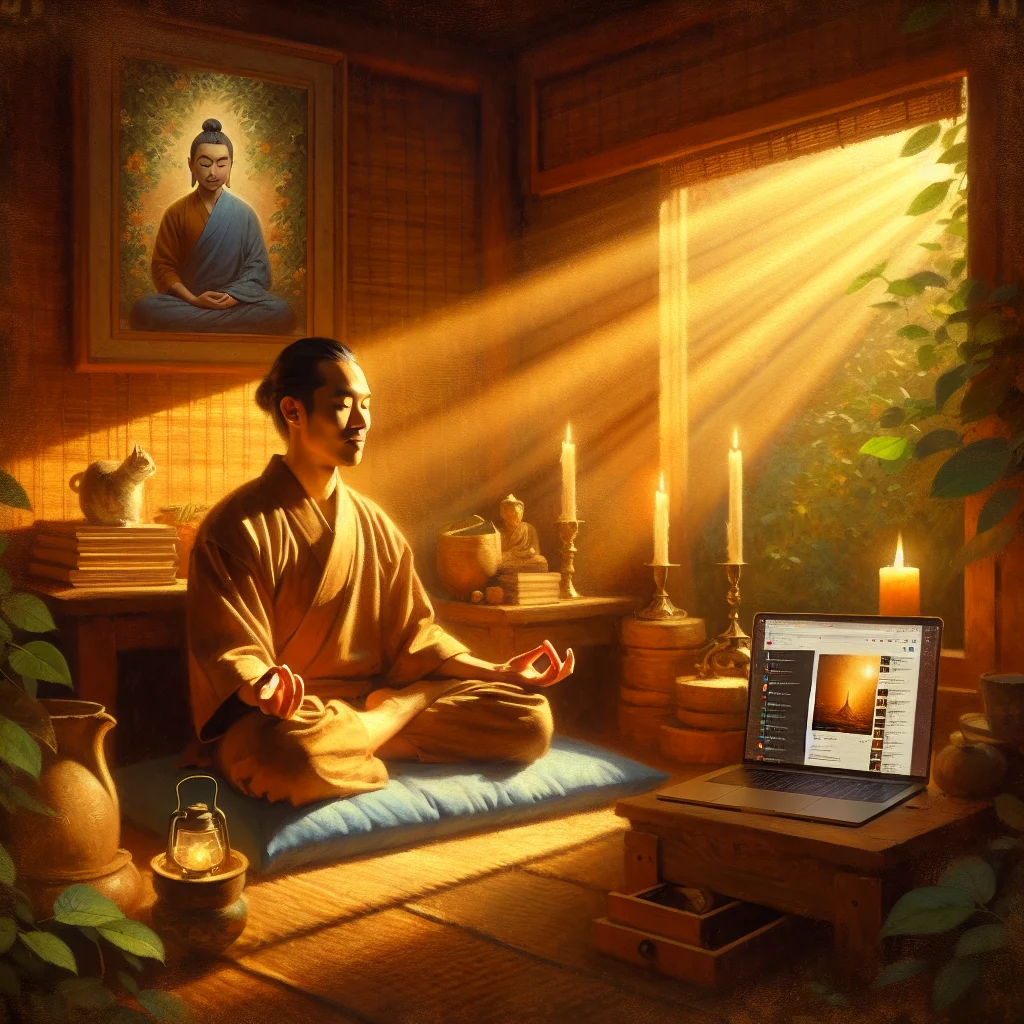
Consider adding elements that support your practice, such as candles, incense, or inspirational images. These environmental cues activate your intention to meditate and help transition your mind from daily activities to contemplative practice. As a result, settling into meditation becomes easier each time you enter your practice space.
Schedule Your Practice
Treat meditation appointments as seriously as any other commitment. Many successful meditators practice first thing in the morning before daily responsibilities intrude. Morning practice sets a mindful tone for the entire day and ensures you complete your session before fatigue sets in.
Nevertheless, the “best” time is whatever time you’ll actually practice consistently. Some people prefer evening meditation to unwind from the day. Others find lunch breaks ideal. Experiment to discover what works for your lifestyle and temperament.
Common Challenges and How to Overcome Them
Every meditator encounters obstacles on their journey. Recognizing these challenges as normal—rather than signs of failure—helps you persist through difficulties and reap meditation’s profound benefits.
Dealing with Wandering Thoughts
Perhaps the most common complaint among beginners is “I can’t stop thinking.” However, this misunderstands meditation’s purpose. You’re not trying to eliminate thoughts but rather change your relationship with them. Buddhist meditation teaches you to observe thoughts without getting caught up in their content.
When you notice your mind wandering during YouTube-guided sessions, simply acknowledge this fact and gently return attention to the guide’s voice or your breath. Each time you return represents a successful moment of meditation, not a failure. In fact, noticing distraction and returning demonstrates the very awareness you’re trying to cultivate.
Physical Discomfort
Sitting still can be surprisingly challenging at first. Your back might ache, legs fall asleep, or various itches demand attention. These physical sensations test your patience and determination. However, they also provide valuable opportunities to practice equanimity—remaining balanced amidst discomfort.
Start by ensuring your posture supports comfort. You don’t need to sit in full lotus position; a chair works perfectly fine. The key is maintaining an upright, dignified posture that allows alert relaxation. Additionally, don’t hesitate to adjust your position if genuine pain arises. Buddhist meditation isn’t about enduring suffering unnecessarily.
Doubt and Impatience
Many practitioners wonder whether they’re “doing it right” or question whether meditation truly works. These doubts intensify when progress feels slow or nonexistent. However, meditation’s benefits often accumulate subtly before you notice them consciously.
Trust the process and maintain consistency even when motivation wavers. Reading others’ experiences in YouTube comments can provide encouragement during these doubtful periods. Furthermore, remember that every meditation session plants seeds for future growth, even when results aren’t immediately apparent.
Integrating Buddhist Wisdom into Daily Life
Buddhist meditation extends far beyond formal sitting practice. The insights and awareness you develop on your cushion should inform how you navigate daily challenges and relationships. This integration represents meditation’s ultimate purpose—transforming your entire approach to living.
Mindful Awareness Throughout the Day
Many YouTube channels teach informal mindfulness practices you can incorporate into routine activities. Washing dishes, walking, or even standing in line become opportunities for present-moment awareness. These micro-practices reinforce formal meditation and help bridge the gap between cushion and daily life.
For example, try bringing full attention to one routine activity each day. Notice the sensations, movements, and thoughts involved without judgment. This simple practice strengthens mindfulness muscles and reveals how much of life typically passes unnoticed in automatic mode.
You might also explore resources on one day mindfulness to deepen this integration of practice into everyday activities.
Compassion and Ethical Living
Buddhist practice emphasizes developing compassion toward all beings, including yourself. This compassion naturally leads to more ethical behavior and improved relationships. YouTube channels often include loving-kindness meditations specifically designed to cultivate these qualities.
Moreover, as your practice deepens, you’ll likely notice increased sensitivity to others’ suffering and greater motivation to reduce harm. This transformation happens organically rather than through forced effort. Your actions begin aligning with your deepest values as meditation clarifies what truly matters.
Advanced Practices and Deepening Your Journey
As your practice matures, you might feel drawn to explore more advanced Buddhist meditation techniques. YouTube offers extensive content for intermediate and advanced practitioners seeking to deepen their understanding and experience.
Working with Difficult Emotions
Advanced Buddhist meditation involves turning toward difficult emotions rather than avoiding them. Channels teaching these practices guide you through techniques for meeting fear, anger, sadness, and other challenging states with mindful awareness. This courageous work leads to profound healing and liberation.
These practices require a stable foundation, however. Attempting to work deeply with difficult material too soon can overwhelm your system. Build your capacity gradually, and don’t hesitate to seek support from qualified teachers when exploring intense emotional territory.
Insight Meditation and Buddhist Philosophy
Many serious practitioners eventually become interested in understanding the philosophical framework underlying meditation practices. YouTube features numerous channels offering teachings on core Buddhist concepts like impermanence, non-self, and the nature of suffering.
Studying these teachings enriches your practice by providing context and direction. You begin understanding not just how to meditate but why these practices lead to liberation. This intellectual understanding complements direct experience, creating a more complete path of development.
For those interested in exploring different meditation approaches, checking out resources on meditation higher frequency can offer complementary perspectives.
The Role of Retreat Practice
While YouTube meditation serves daily practice beautifully, many traditions emphasize the importance of occasional intensive retreats. These dedicated periods of practice accelerate growth and deepen understanding in ways that daily sessions alone cannot achieve.
Interestingly, YouTube now hosts extended meditation sessions and virtual retreat formats. These resources allow you to experience retreat-like intensity from home, though they can’t fully replicate in-person retreats’ power. Nevertheless, they provide valuable intermediate steps between daily practice and formal retreats.
Connecting with the Broader Meditation Community
Buddhism has always emphasized sangha—the community of practitioners supporting each other’s spiritual development. While YouTube provides individual practice resources, it also facilitates community connection in various ways.
Live Stream Meditations
Many channels now offer live meditation sessions where practitioners worldwide gather virtually. These live events create a sense of shared practice that enhances motivation and provides the feeling of meditating with others. The synchronous experience differs meaningfully from watching recorded videos alone.
Furthermore, live streams often include Q&A sessions where you can ask teachers questions directly. This interaction adds a personal dimension to the online learning experience and helps address specific challenges you’re facing in your practice.
Online Discussions and Forums
Beyond YouTube’s comment sections, many meditation channels maintain associated forums, Facebook groups, or Discord servers where practitioners discuss their experiences. These communities offer peer support, accountability, and shared wisdom from those walking similar paths.
Engaging with these communities helps normalize the challenges all meditators face. You realize you’re not alone in your struggles, and others’ insights often illuminate solutions you hadn’t considered. This collective wisdom accelerates learning significantly.
To explore the broader context of meditation practices, visit our Mindfulness & Meditation category for additional resources and guidance.
Scientific Research Supporting Buddhist Meditation
Modern neuroscience increasingly validates what Buddhist practitioners have known for millennia—meditation produces measurable changes in brain structure and function. Understanding this research can strengthen your commitment to practice during challenging periods.
Studies using MRI technology demonstrate that consistent meditation increases gray matter density in brain regions associated with learning, memory, and emotional regulation. Meanwhile, areas linked to stress and anxiety show decreased activity. These changes begin appearing after just eight weeks of regular practice, according to research from institutions like Harvard Medical School.
Additionally, research shows meditation improves attention span, reduces symptoms of depression and anxiety, and even strengthens immune function. These concrete benefits complement the spiritual growth that Buddhist practice cultivates. Together, they create compelling reasons to maintain consistent practice regardless of life circumstances.
Avoiding Common Pitfalls in Online Practice
While YouTube offers tremendous resources, certain challenges specific to online practice deserve attention. Being aware of these pitfalls helps you navigate them successfully and extract maximum benefit from digital resources.
Spiritual Bypassing
Some practitioners use meditation to avoid dealing with legitimate psychological issues that require professional support. While meditation offers profound benefits, it doesn’t replace therapy when serious mental health concerns exist. Buddhist teachers themselves acknowledge that meditation works best alongside appropriate psychological care when needed.
If you’re struggling with significant depression, trauma, or other mental health challenges, consider working with both a qualified therapist and meditation teacher. This integrated approach addresses issues from multiple angles and prevents meditation from becoming another avoidance strategy.
Channel Hopping Without Commitment
YouTube’s vast selection can become a liability if you constantly jump between teachers and styles without giving any single approach time to work. While exploring different options makes sense initially, eventually you need to commit to a consistent practice with compatible guidance.
Choose a primary teacher or channel that resonates with you, and stick with their approach for at least several months. This commitment allows you to truly understand and embody their teachings rather than remaining a perpetual beginner collecting techniques without depth.
Passive Consumption Versus Active Practice
It’s easy to fall into watching meditation videos without actually practicing. Learning about meditation differs fundamentally from meditating. Guard against this passive consumption by actually following along with guided sessions rather than just watching them.
Set clear intentions before searching YouTube. Ask yourself: “Am I here to learn about meditation or to actually practice?” Both activities have value, but confusing them prevents the real transformation that comes only through direct experience.
Making the Most of Your YouTube Meditation Practice
To maximize benefits from Buddhist guided meditation on YouTube, consider implementing these practical strategies that support consistent, deepening practice over time.
Create Playlists for Different Needs
Organize your favorite videos into playlists based on purpose—morning practice, sleep meditation, anxiety relief, compassion cultivation, etc. This organization saves time and reduces the temptation to browse endlessly when you sit down to practice. You can immediately access appropriate guidance for your current state and needs.
Additionally, creating playlists helps you track videos you want to return to later. When you discover particularly powerful meditations, adding them to relevant playlists ensures you won’t lose track of valuable resources in YouTube’s endless content stream.
Take Notes on Key Teachings
Keep a meditation journal where you record insights from videos that resonate strongly. Writing reinforces learning and helps you remember important points for later reflection. Your journal becomes a personalized practice guide reflecting your unique journey and discoveries.
Furthermore, recording your experiences after meditation sessions helps you notice patterns and progress that might otherwise go unrecognized. This awareness sustains motivation and helps you adjust your practice based on what’s actually working for you.
Balance Guided and Silent Practice
While guided meditations provide valuable structure and instruction, eventually you should also practice independently without guidance. This silent practice develops your internal guidance system and prevents over-reliance on external voices.
Consider using guided meditations to learn new techniques, then practicing those techniques silently on alternate days. This balance ensures you develop both breadth of knowledge and depth of independent practice capacity.
For additional structure in developing your practice, Manifest Your Dreams: A Practical Guide to the Law of Attraction offers complementary techniques that work beautifully alongside Buddhist meditation approaches.
The Future of Buddhist Meditation on Digital Platforms
As technology evolves, so too do the ways we access ancient wisdom. Buddhist meditation on YouTube represents just the beginning of how digital platforms might support spiritual development in coming years.
Virtual reality meditation experiences are already emerging, promising even more immersive practice environments. Imagine meditating in virtual replicas of famous Buddhist temples or natural settings conducive to contemplation. These technologies could make retreat-like experiences accessible to those unable to travel to physical centers.
However, technology’s role remains supplementary to the fundamental human capacity for awareness that Buddhist meditation cultivates. No matter how sophisticated our tools become, the essential practice of turning attention inward and developing wisdom and compassion remains unchanging across centuries.
Final Thoughts on Your Buddhist Meditation Journey
Buddhist guided meditation on YouTube offers an unprecedented opportunity to access authentic teachings from the comfort of your home. This accessibility has introduced millions to practices that can genuinely transform lives, reduce suffering, and reveal our deepest human potential.
Remember that meditation is a marathon, not a sprint. Progress unfolds gradually through consistent practice rather than dramatic breakthroughs. Be patient with yourself, trust the process, and remember that every moment of mindful awareness represents success regardless of how your mind behaves during meditation.
The journey of meditation ultimately leads you back to yourself—to the awareness that has always been present beneath the noise of thoughts and emotions. YouTube’s Buddhist meditation resources serve as guides pointing toward this recognition, but the real teacher is your own direct experience cultivated through devoted practice.
As you continue exploring Buddhist guided meditation on YouTube, remain curious and open while maintaining discernment about what truly serves your growth. The platform offers incredible wealth, but wisdom lies in how you engage with these resources rather than the resources themselves.
Whether you’re taking your first steps into meditation or deepening an established practice, may these digital teachings support your journey toward greater peace, clarity, and compassion. The path stretches before you—one breath, one moment, one meditation session at a time.

