
The Buddhist way of meditation has transformed countless lives over the past 2,500 years, offering a path toward inner peace, clarity, and genuine happiness. Unlike many modern relaxation techniques, Buddhist meditation isn’t simply about feeling calm—it’s a comprehensive system designed to fundamentally change how we relate to our thoughts, emotions, and experiences. Whether you’re completely new to meditation or looking to deepen your existing practice, understanding the authentic Buddhist approach can open doors to profound personal transformation.
At its core, the Buddhist way of meditation encompasses several distinct yet complementary techniques, each serving specific purposes on the path to awakening. These methods have been refined through centuries of practice, passed down from teacher to student in an unbroken lineage. Today, millions of people worldwide practice Buddhist meditation, not necessarily as religious practitioners, but as seekers of mental clarity and emotional balance in our increasingly chaotic modern world.
Because Buddhist meditation emphasizes direct experience over blind faith, it appeals to those who prefer practical, results-oriented approaches to personal development. You don’t need to adopt any particular beliefs to benefit from these techniques. Instead, the practices invite you to investigate your own mind and discover truths for yourself through sustained, patient observation.
If you’re ready to establish a daily meditation routine, our guide Everyday Calm: A Beginner’s Guide to Daily Meditation provides step-by-step instructions that complement traditional Buddhist teachings with contemporary insights.
The Foundations of Buddhist Meditation Practice
Understanding the Buddhist way of meditation begins with recognizing its foundation in the Four Noble Truths and the Eightfold Path. These teachings form the philosophical backbone of Buddhist practice, explaining why we suffer and how meditation serves as a tool for liberation. However, you don’t need to memorize Buddhist philosophy to start practicing effectively.
The two primary categories of Buddhist meditation are samatha (concentration or calm-abiding) and vipassana (insight or clear-seeing). Samatha practices develop mental stability and focus, while vipassana cultivates wisdom through direct observation of reality. Although these approaches serve different immediate purposes, they work together synergistically on the path toward enlightenment.
Samatha meditation typically involves focusing attention on a single object, such as the breath, a visualization, or a mantra. Through this sustained focus, the mind gradually becomes calmer, more unified, and less scattered. Think of it like training a puppy—at first, your attention wanders constantly, but with patient repetition, concentration naturally strengthens. This mental stability isn’t merely pleasant; it creates the conditions necessary for deeper insight to arise.
As a result of developing concentration, practitioners can then engage more effectively with vipassana meditation. This practice involves observing the constantly changing nature of physical sensations, emotions, and thoughts without getting caught up in them. Rather than trying to achieve a particular state, vipassana practitioners simply watch whatever arises with clear, non-judgmental awareness. Over time, this observation reveals fundamental truths about impermanence, suffering, and the illusion of a fixed self.
Many beginners wonder which type of meditation they should practice first. In traditional Buddhist training, students typically develop samatha before moving to vipassana, since concentration provides stability for insight work. Nevertheless, some contemporary teachers integrate both approaches from the beginning, allowing students to experience their complementary benefits simultaneously.
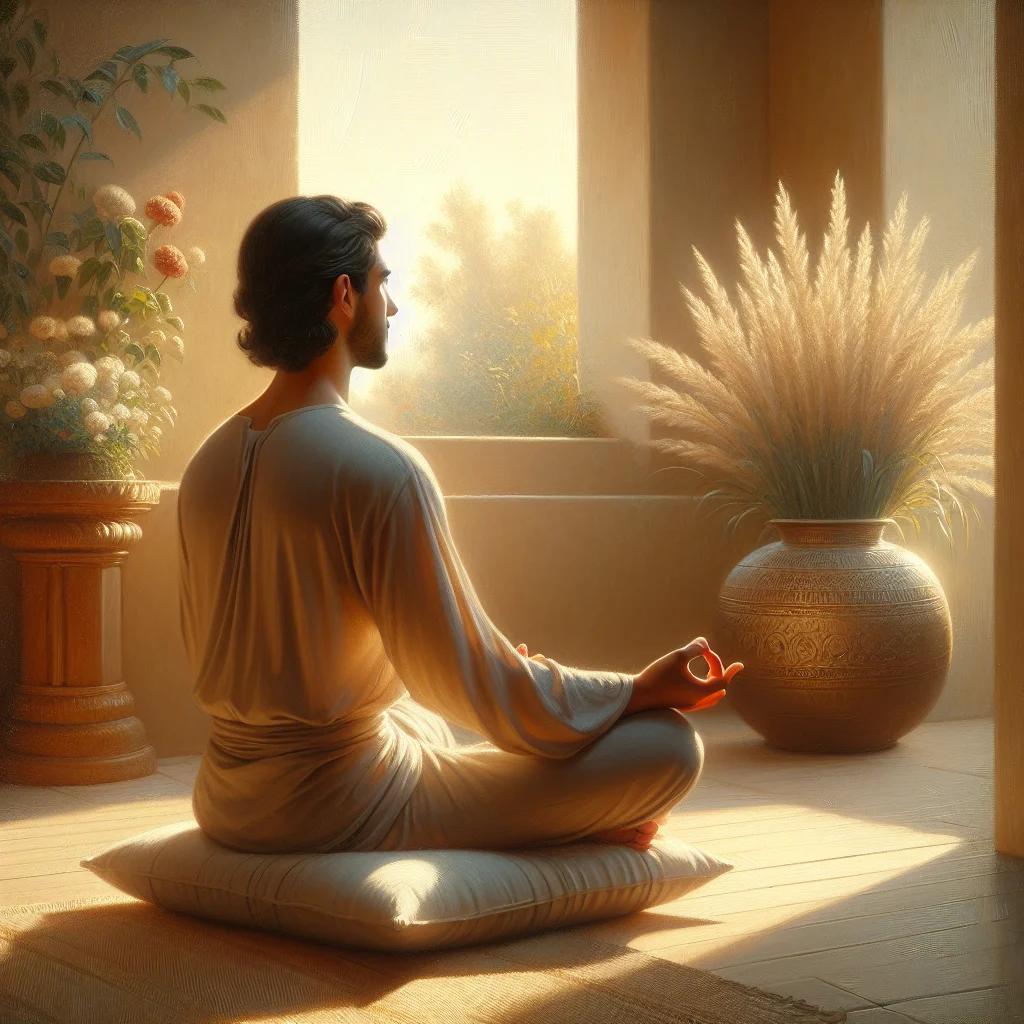
The physical posture for Buddhist meditation matters more than many people realize. While you don’t need to contort yourself into a pretzel, maintaining an upright, alert posture helps prevent drowsiness and supports clear awareness. Most practitioners sit cross-legged on a cushion or bench, though sitting in a chair with feet flat on the floor works equally well. The key is finding a position that balances comfort with alertness—relaxed enough to remain still, yet engaged enough to stay present.
In addition to posture, the environment significantly influences practice quality. Traditional teachings recommend finding a quiet space free from distractions, though this isn’t always possible in modern life. Therefore, adaptability becomes important. Some practitioners successfully meditate on trains, in parks, or even in busy offices. The Buddhist way of meditation emphasizes working skillfully with whatever conditions you face rather than waiting for perfect circumstances that may never arrive.
Core Techniques in the Buddhist Way of Meditation
Breath meditation, or anapanasati, stands as perhaps the most fundamental technique in the Buddhist meditation toolkit. This practice involves directing attention to the natural rhythm of breathing, typically observing the sensations at the nostrils or the rising and falling of the abdomen. When the mind wanders—and it will wander countless times—you simply notice this has happened and gently return attention to the breath without self-criticism.
The beauty of breath meditation lies in its simplicity and accessibility. Your breath accompanies you everywhere, making it a portable meditation object that requires no special equipment or circumstances. Furthermore, because breathing occurs in the present moment, attending to it naturally anchors awareness in the here and now rather than in memories or fantasies. This present-moment orientation forms the foundation of all Buddhist contemplative practices.
Another essential technique is metta or loving-kindness meditation, which cultivates unconditional goodwill toward oneself and others. Practitioners typically begin by directing warm, friendly wishes toward themselves, using phrases like “May I be happy, may I be healthy, may I be safe, may I live with ease.” After establishing this quality of kindness toward yourself, you progressively extend it to loved ones, neutral people, difficult people, and eventually all beings everywhere.
While metta might seem unrelated to insight meditation, it actually serves crucial purposes on the spiritual path. For example, it counteracts the judgmental attitudes that often arise during self-observation. Many practitioners discover harsh inner critics that emerge during meditation practice. Loving-kindness meditation softens this internal harshness, creating a more compassionate relationship with your own experience. As a result, you develop greater emotional resilience and capacity for sustained practice.
Body scan meditation represents another valuable Buddhist technique, particularly popular in the Vipassana tradition taught by S.N. Goenka. This practice involves systematically moving attention through different body parts, observing sensations without trying to change them. You might notice tingling, warmth, pressure, tension, or complete numbness. Whatever arises, the instruction remains the same: observe with equanimity, neither craving pleasant sensations nor resisting unpleasant ones.
Through body scanning, practitioners develop what Buddhists call equanimity—a balanced, non-reactive quality of mind that remains stable regardless of whether experiences are pleasant or unpleasant. This equanimity proves invaluable not only during meditation but throughout daily life. Instead of being tossed around by changing circumstances, you learn to maintain inner stability while fully engaging with whatever life presents.
Walking meditation offers an excellent alternative or complement to seated practice. In this technique, you walk slowly and deliberately, paying close attention to the physical sensations of each step. Some traditions use specific mental labels like “lifting, moving, placing” to maintain focus. Walking meditation particularly helps practitioners who struggle with sleepiness during sitting practice or who have physical conditions that make sitting uncomfortable for extended periods.
Additionally, many Buddhist traditions incorporate contemplation of specific themes or questions. For instance, you might contemplate impermanence by observing how everything constantly changes, or contemplate death to develop urgency about spiritual practice. These contemplative practices differ from concentration meditation because they involve thinking, but the thinking is focused, purposeful, and aimed at developing wisdom rather than getting lost in mental proliferation.
If you’re exploring meditation more broadly, you might appreciate reading about the effects of meditation on the brain, which provides scientific validation for what Buddhist practitioners have known experientially for millennia.
Integrating Buddhist Meditation into Daily Life
The Buddhist way of meditation extends far beyond formal sitting sessions. In fact, one of its distinguishing features is the emphasis on maintaining mindfulness throughout all activities. This continuous practice, sometimes called sati in Pali, involves bringing the same quality of clear, non-judgmental awareness you develop on the cushion into eating, working, conversing, and every other aspect of daily life.
Morning practice establishes momentum that can carry through the entire day. Many practitioners wake early to meditate before other responsibilities demand attention. This timing offers several advantages: the mind is often clearer after rest, the household is typically quieter, and completing practice first thing ensures it actually happens rather than getting postponed indefinitely. Even five minutes of guided meditation to start the day can significantly impact your mental state and productivity.
However, don’t discount the value of shorter practice sessions scattered throughout the day. Taking three conscious breaths before answering the phone, pausing to feel your feet on the ground between meetings, or eating one meal in complete silence—these micro-practices reinforce the meditative quality of awareness in the midst of activity. While they don’t replace formal sitting practice, they help bridge the gap between meditation cushion and everyday life.
Working with difficult emotions represents one of the most valuable applications of Buddhist meditation in daily life. Instead of suppressing uncomfortable feelings or acting them out destructively, you learn to observe emotions with the same mindful awareness you bring to breath sensations. Notice where anger manifests in your body, for example, or how anxiety affects your breathing pattern. This observation creates space between the emotion and your response, allowing wisdom rather than reactivity to guide your actions.
Speech offers another rich field for mindfulness practice. Buddhist ethics emphasize right speech—communication that is truthful, kind, beneficial, and timely. Before speaking, you might briefly check: Is this true? Is it necessary? Is it kind? This momentary pause, informed by meditative awareness, can prevent countless instances of harmful communication. Moreover, mindful listening—truly attending to others without planning your response—deepens relationships and reduces misunderstandings.
The Buddhist approach to meditation naturally connects with broader mindfulness and meditation practices that support holistic well-being. Establishing a sustainable routine requires balancing discipline with self-compassion. Set realistic expectations, especially as a beginner. Starting with ten minutes daily proves more sustainable than attempting hour-long sessions that feel overwhelming and get abandoned after a few days.
Creating environmental supports for your practice helps tremendously. Designate a specific spot for meditation, even if it’s just a particular cushion or chair. This location becomes associated with practice, making it easier to settle into meditation when you arrive there. Some practitioners create a simple shrine with candles, incense, or meaningful images, though this isn’t necessary. What matters most is consistency and sincerity rather than elaborate trappings.
Furthermore, connecting with other practitioners provides invaluable support, encouragement, and accountability. Many cities have Buddhist meditation centers offering group practice sessions, classes, and retreats. If in-person communities aren’t accessible, online sanghas (spiritual communities) offer alternatives. Reading the best meditation blogs and listening to meditation podcasts for beginners can also provide ongoing inspiration and instruction.
Finally, periodic intensive practice through meditation retreats accelerates progress significantly. Retreats ranging from single days to several months allow practitioners to deepen concentration and insight under supportive conditions with minimal distractions. While the prospect might seem intimidating initially, most people find retreats profoundly rewarding and return home with renewed commitment to daily practice.
The Transformative Benefits and Long-Term Path
The Buddhist way of meditation offers benefits that unfold progressively over time, from immediate stress reduction to profound insights into the nature of reality. Initially, most practitioners notice improved concentration, reduced anxiety, and better emotional regulation. These early benefits feel rewarding and motivating, encouraging continued practice. However, they represent only the beginning of what meditation can offer when approached as a long-term path rather than a quick fix.
Scientific research increasingly validates what Buddhist practitioners have reported for centuries. Studies demonstrate that regular meditation produces measurable changes in brain structure and function, enhancing areas associated with attention, emotional regulation, and self-awareness while reducing activity in regions linked to stress and rumination. Additionally, meditation positively affects the immune system, blood pressure, and inflammatory markers, contributing to overall physical health.
Beyond these measurable benefits, Buddhist meditation cultivates qualities that profoundly improve quality of life. Patience develops as you work with a restless mind that refuses to settle. Acceptance grows as you observe experiences without constantly trying to change them. Wisdom emerges as you see patterns in how suffering arises from clinging and resistance. These qualities don’t appear overnight, but they develop naturally through consistent, patient practice over months and years.
The Buddhist path also addresses what many consider life’s deepest questions: What is the nature of self? What causes suffering? How can we find lasting happiness? Through sustained meditation practice, these questions shift from intellectual puzzles to lived investigations. You begin to directly experience, for example, how the sense of a fixed, separate self is actually constructed moment by moment from changing thoughts, sensations, and perceptions. This insight, when fully realized, liberates practitioners from much unnecessary suffering.
Nevertheless, the path includes challenges that every practitioner encounters. Periods of dryness when practice feels mechanical and unrewarding, dark nights when suppressed psychological material surfaces, and plateaus when progress seems to stall—these difficulties are normal rather than signs of failure. Traditional texts describe these challenges in detail, offering guidance for working through them skillfully. A qualified teacher can provide invaluable support during difficult phases, helping you understand your experience within the larger context of the path.
For those interested in deepening their understanding, exploring the best books on Buddhist meditation provides theoretical frameworks that complement experiential practice. Books by teachers like Thich Nhat Hanh, Pema Chödrön, Joseph Goldstein, and Jack Kornfield offer accessible introductions to Buddhist meditation for Western audiences while remaining faithful to traditional teachings.
The ultimate goal of the Buddhist way of meditation—often called enlightenment, awakening, or nirvana—might seem impossibly distant. Indeed, traditional teachings suggest this complete liberation requires tremendous dedication, often spanning many years or even lifetimes. However, this shouldn’t discourage beginners. The path itself brings meaning, purpose, and incremental improvements in wellbeing. Even small steps toward awakening make life significantly more satisfying, peaceful, and compassionate.
Moreover, the Buddhist approach emphasizes non-attachment even to spiritual attainments. Ironically, grasping for enlightenment often obstructs it. Therefore, the most skillful attitude involves practicing diligently while releasing expectations about results. Trust that transformation occurs naturally when conditions are right, much like how a seed grows when provided with soil, water, and sunlight without needing to force the process.
As you continue exploring meditation, consider how these practices integrate with other aspects of spirituality and inner work. Many practitioners find that Buddhist meditation complements other contemplative traditions and therapeutic approaches, creating a comprehensive path of personal and spiritual development.
Whether you’re seeking stress relief, personal growth, or spiritual awakening, the Buddhist way of meditation offers time-tested techniques that can genuinely transform your life. The journey begins with a single breath, a single moment of awareness. From there, each moment of practice adds to the next, gradually building momentum toward greater peace, wisdom, and compassion. Start where you are, use what you have, and trust that sincere effort yields results.
Ready to establish a consistent meditation practice? Our comprehensive guide Everyday Calm: A Beginner’s Guide to Daily Meditation offers practical tools and structured guidance to support your journey into Buddhist meditation and beyond.

