
When emotions get stuck in our bodies, they can manifest as tension, anxiety, and even physical pain. Emotional release essential oils offer a natural, holistic approach to releasing these trapped feelings and restoring inner balance. For centuries, people have turned to aromatic plant essences to support emotional wellbeing, and modern research continues to validate what ancient wisdom has always known.
Whether you’re dealing with grief, anger, fear, or simply feeling emotionally overwhelmed, specific essential oils can help facilitate the release of these stuck emotions. In this comprehensive guide, we’ll explore how these powerful botanical extracts work, which oils are most effective for emotional release, and how to use them safely for maximum benefit.
Ready to begin your journey toward emotional freedom? The Self-Love Reset: A Journey to Rediscover Yourself pairs beautifully with aromatherapy practices to support your healing process.
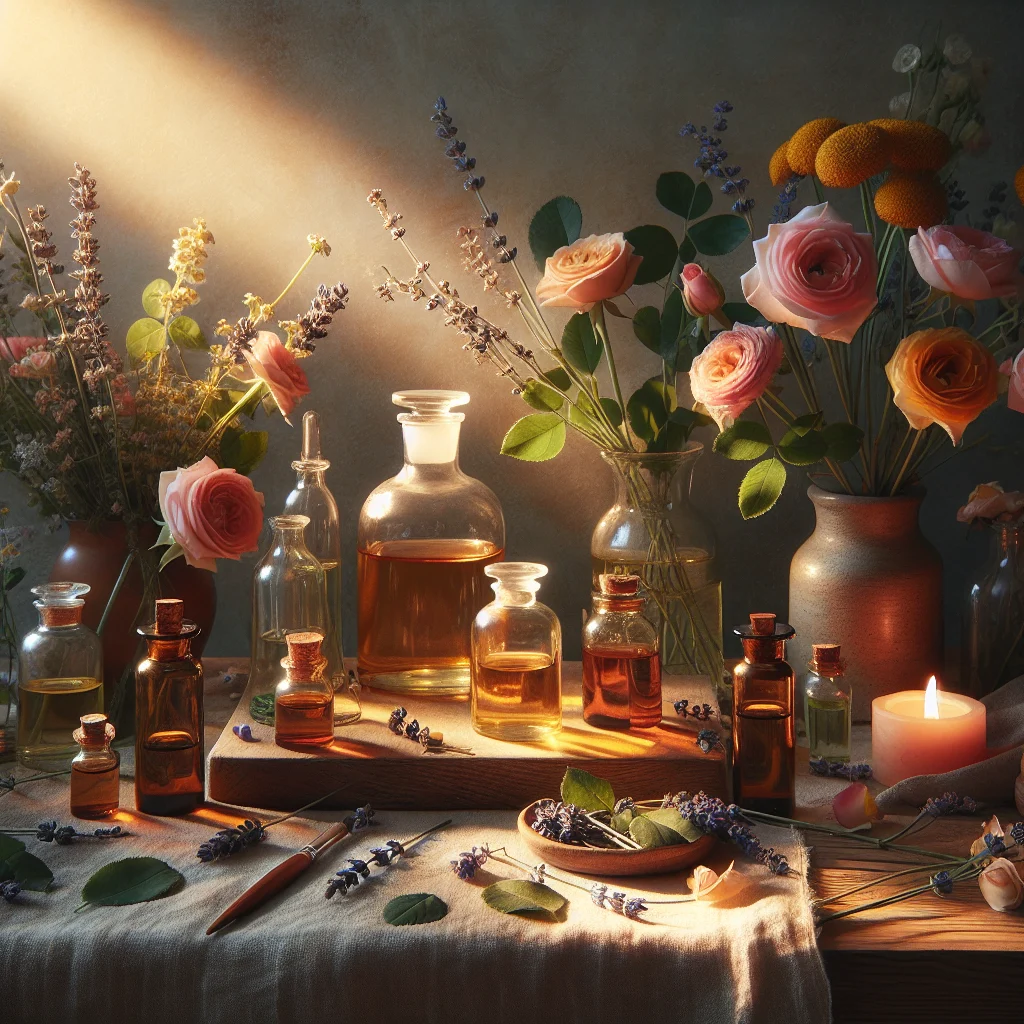
Understanding the Connection Between Emotions and Essential Oils
Our sense of smell is directly linked to the limbic system, the part of the brain that processes emotions and memories. This explains why certain scents can instantly transport us back to specific moments or shift our mood within seconds. Essential oils for emotional release work by triggering this powerful connection, helping us access and process feelings that might otherwise remain buried.
According to research from the National Center for Biotechnology Information, aromatherapy can significantly impact emotional states by influencing neurotransmitter activity. When we inhale essential oils, the molecules travel through the olfactory system and send signals to the amygdala and hippocampus, which regulate emotional responses.
How Trapped Emotions Affect Your Body
Emotions don’t simply disappear when we ignore them. Instead, they become stored in our bodies, creating energetic blockages that can lead to various issues. For example, unexpressed anger might manifest as jaw tension, while suppressed grief could settle in the chest area. This concept aligns with principles found in many holistic living practices.
Physical symptoms of trapped emotions include:
Free Guided Meditation · Day 1
You Are Safe Right Now.
5 min · Breathwork & body scan · Stress release
Liked it? Get the full audio.
Enter your email and we'll send you the complete 5-minute meditation — free, straight to your inbox.
Zero spam. Unsubscribe anytime.
Check Your Inbox.
Your full 5-minute meditation is on its way. Open the email and hit play — your reset starts now.
Can't find it? Check your spam folder.
- Chronic muscle tension and pain
- Digestive issues and stomach discomfort
- Headaches and migraines
- Fatigue and low energy
- Sleep disturbances
- Weakened immune system
Because of these connections, releasing emotions becomes essential for overall health. Essential oils provide a gentle yet effective tool for this process.
Top Emotional Release Essential Oils and Their Properties
Different essential oils target different emotional states. Therefore, selecting the right oil depends on what you’re working to release. Below, we’ll examine the most powerful oils for emotional healing and their specific applications.
Lavender: The Universal Soother
Lavender essential oil is perhaps the most versatile option for emotional work. It helps release anxiety, fear, and nervous tension while promoting feelings of peace and safety. Research published in Wikipedia’s extensive lavender documentation shows its widespread traditional use across cultures for calming purposes.
This gentle yet powerful oil supports the release of:
- Anxiety and worry
- Insomnia related to emotional stress
- Nervous tension
- Fear and panic
Additionally, lavender creates a safe emotional space, making it easier to confront difficult feelings without becoming overwhelmed.
Rose: Opening the Heart
When grief, heartbreak, or emotional numbness have closed your heart, rose essential oil works to gently reopen it. This precious oil, steam-distilled from thousands of rose petals, carries a high vibrational frequency that resonates with love and compassion.
Rose oil is particularly helpful for releasing:
- Grief and loss
- Heartbreak and betrayal
- Self-criticism and shame
- Emotional walls and protective barriers
However, because of its intensity, rose oil should be used mindfully, especially when first beginning emotional release work.
Frankincense: Deepening Spiritual Connection
Frankincense essential oil has been used in spiritual practices for millennia. It helps release attachment to past trauma while grounding you in the present moment. Many practitioners incorporate frankincense into mindfulness and meditation practices for deeper emotional work.
This ancient oil supports:
- Release of past trauma
- Breaking repetitive emotional patterns
- Deepening meditation practice
- Spiritual awakening and growth
As a result, frankincense bridges the gap between emotional healing and spiritual development.
Bergamot: Lifting Depression and Stagnation
When emotions feel stuck or heavy, bergamot essential oil brings lightness and movement. Its uplifting citrus aroma helps release depression, hopelessness, and emotional stagnation while encouraging optimism and joy.
Bergamot excels at releasing:
- Depression and sadness
- Emotional stagnation
- Low self-esteem
- Stress and tension
Furthermore, bergamot is photosensitive, so avoid sun exposure after topical application.
Ylang Ylang: Releasing Anger and Frustration
For those holding onto anger, resentment, or frustration, ylang ylang essential oil offers sweet relief. Its exotic floral scent helps soften rigid emotions and promotes forgiveness—both of others and yourself.
This oil addresses:
- Anger and rage
- Frustration and irritability
- Jealousy and resentment
- Inability to forgive
Consequently, ylang ylang creates emotional flexibility, allowing stuck feelings to move and transform.
Geranium: Balancing Emotional Extremes
Geranium essential oil works beautifully for those experiencing emotional extremes or mood swings. It brings balance to the nervous system and helps regulate intense feelings that seem out of control.
Geranium supports release of:
- Mood swings
- Emotional overwhelm
- Hormonal emotional imbalances
- Codependency patterns
In addition, geranium strengthens emotional boundaries, helping you distinguish between your feelings and those of others.
Practical Methods for Using Essential Oils for Emotional Release
Knowing which oils to use is only the first step. How you apply them significantly impacts their effectiveness for emotional work. Below are several proven methods for incorporating emotional release essential oils into your healing practice.
Inhalation: The Most Direct Path
Because essential oils work through the olfactory system, inhalation provides the most immediate emotional impact. Several inhalation methods exist, each with unique benefits.
Direct inhalation involves opening a bottle of essential oil and breathing deeply for 2-3 minutes. Close your eyes, focus on your breath, and allow emotions to surface without judgment. This simple technique can be done anywhere, making it perfect for moments of acute emotional distress.
Diffuser aromatherapy disperses essential oils throughout a space, creating an ambient emotional support system. Add 5-8 drops of your chosen oil to a diffuser and run it for 30-60 minutes. This method works well for processing emotions over time rather than seeking immediate release.
Personal inhalers offer portable emotional support. Add 10-15 drops of essential oil to a blank inhaler stick, and carry it with you. Whenever emotions arise, take several deep breaths from the inhaler.
Topical Application: Anchoring Emotions in the Body
Applying diluted essential oils to specific body points can enhance emotional release by connecting the aromatherapy with physical sensation. Always dilute essential oils in a carrier oil (like jojoba, coconut, or sweet almond oil) before applying to skin—typically 2-3% dilution (about 12-18 drops per ounce of carrier oil).
Effective application points include:
- Wrists and pulse points: For continuous exposure throughout the day
- Heart center: For releasing grief and opening to love
- Solar plexus: For releasing fear and building confidence
- Temples and forehead: For releasing mental stress and overthinking
- Base of skull: For releasing trauma stored in the body
Moreover, combining topical application with intentional breathwork amplifies the emotional release process.
Bath Rituals: Full-Body Emotional Release
Aromatic baths create a sacred space for deep emotional work. The combination of warm water, essential oils, and intentional time alone facilitates profound release. Mix 8-10 drops of essential oil with a dispersant (like Epsom salt, honey, or milk) before adding to bathwater.
To create an emotional release bath ritual:
- Set an intention for what you want to release
- Prepare your bath with Epsom salt and essential oils
- Light candles and dim the lights
- Soak for at least 20 minutes while breathing deeply
- Allow emotions to surface without suppressing them
- Visualize the water washing away what no longer serves you
Afterward, journal about any insights or emotions that arose during the bath.
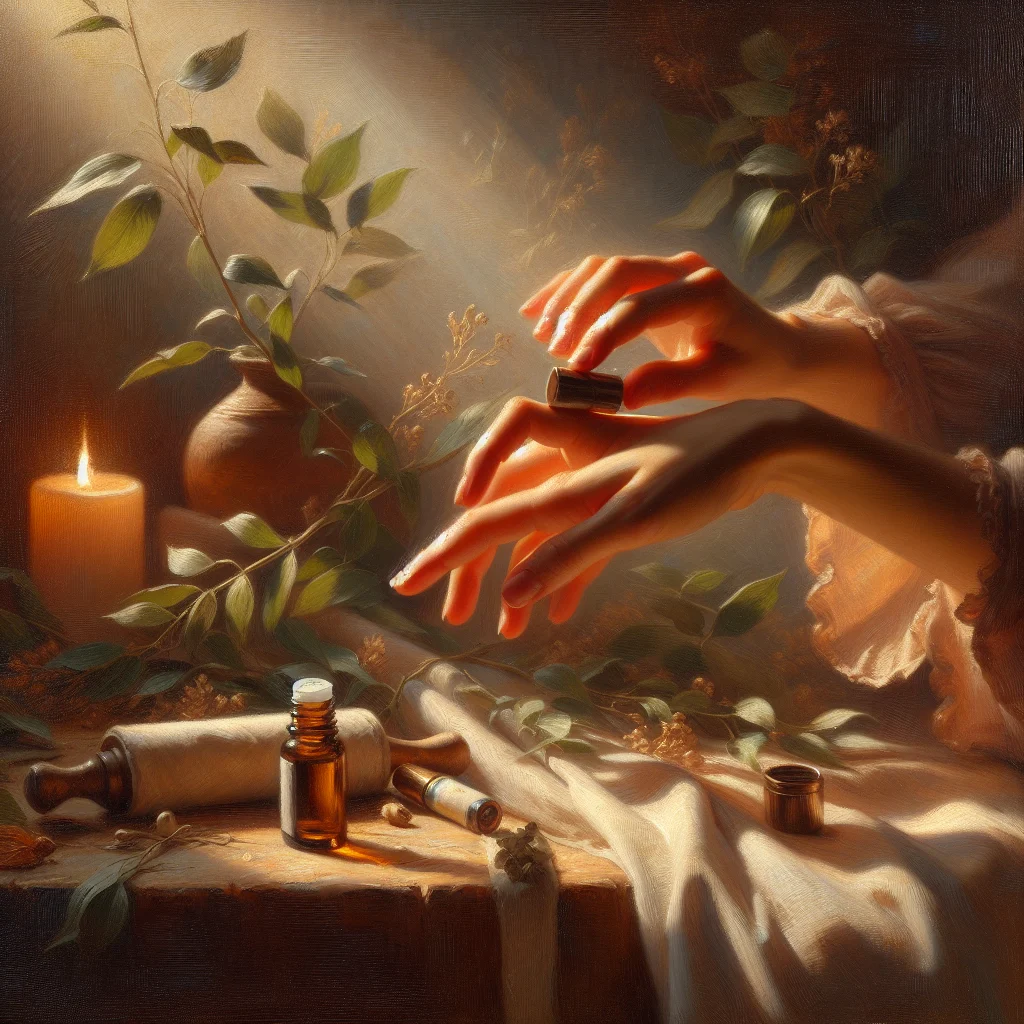
Creating Synergistic Blends for Deeper Release
While single oils are powerful, combining them creates synergistic effects that enhance emotional release. Essential oil blends can target multiple emotional layers simultaneously, providing more comprehensive support.
Grief Release Blend
This gentle blend supports the grieving process and helps release stuck sorrow:
- 4 drops Rose essential oil
- 3 drops Frankincense essential oil
- 2 drops Cypress essential oil
- 1 drop Marjoram essential oil
Dilute in 1 ounce of carrier oil and apply over the heart, or add to a diffuser. This blend acknowledges pain while providing comfort and support.
Anger Transformation Blend
When anger needs a healthy outlet, this blend helps transform rage into constructive energy:
- 3 drops Ylang Ylang essential oil
- 3 drops Roman Chamomile essential oil
- 2 drops Bergamot essential oil
- 2 drops Vetiver essential oil
This combination cools fiery emotions while grounding you in your body. Use in a diffuser during anger work or apply diluted to the solar plexus.
Fear and Anxiety Release Blend
For releasing fear patterns and anxious thoughts, this blend provides courage and calm:
- 4 drops Lavender essential oil
- 3 drops Frankincense essential oil
- 2 drops Cedarwood essential oil
- 1 drop Vetiver essential oil
Apply to pulse points before challenging situations or diffuse during meditation practice to deepen your sense of safety.
Emotional Balance Blend
When everything feels unstable, this blend restores equilibrium:
- 3 drops Geranium essential oil
- 3 drops Lavender essential oil
- 2 drops Bergamot essential oil
- 2 drops Clary Sage essential oil
This versatile blend supports hormonal balance, mood stability, and emotional balance on multiple levels.
Integrating Essential Oils with Other Healing Practices
While essential oils are powerful on their own, combining them with complementary practices amplifies their effectiveness. Many holistic health healing modalities work synergistically with aromatherapy.
Essential Oils and Meditation
Pairing essential oils with meditation creates a powerful container for emotional release. Begin your meditation by inhaling your chosen oil for 1-2 minutes, then sit in stillness. The oil helps quiet mental chatter and creates an aromatic anchor for your practice.
As emotions arise during meditation, continue breathing the essential oil. This prevents you from getting lost in the story of the emotion and instead helps you witness it with compassion. Over time, this practice trains your nervous system to process emotions more effectively.
Breathwork and Aromatherapy
Conscious breathing exercises paired with essential oils facilitate rapid emotional release. Try this simple practice:
- Apply diluted essential oil to your wrists
- Sit comfortably and close your eyes
- Inhale deeply through your nose for 4 counts
- Hold your breath for 4 counts
- Exhale through your mouth for 6-8 counts
- Repeat for 5-10 minutes
During this practice, emotions may surface intensely. Allow tears, sounds, or movements to occur naturally without censoring yourself.
Journaling with Essential Oils
Diffusing or applying essential oils before journaling can unlock deeper emotional insights. The oils help bypass mental defenses, allowing subconscious material to surface more easily.
Try this journaling practice for emotional release:
- Choose an essential oil that resonates with your current emotional state
- Diffuse it or apply it diluted to your wrists
- Set a timer for 15-20 minutes
- Write continuously without editing or censoring
- Allow whatever wants to emerge onto the page
- Notice patterns or insights that arise
This practice, combined with resources like Everyday Calm: A Beginner’s Guide to Daily Meditation, creates a comprehensive approach to emotional wellbeing.
Sound Healing and Aromatherapy
The combination of sound healing and essential oils creates a multi-sensory experience that facilitates profound release. Sound vibrations help dislodge stuck emotions from the body, while essential oils provide aromatic support for processing what emerges.
During sound baths or while listening to healing frequencies, diffuse or apply appropriate essential oils. The synergy between vibrational and aromatic healing creates conditions for deep transformation.
Safety Considerations and Contraindications
While essential oils offer powerful support for emotional release, using them safely is paramount. These concentrated plant essences require respect and proper handling.
Essential Safety Guidelines
Always follow these basic safety principles:
- Dilute properly: Never apply undiluted essential oils directly to skin (except lavender and tea tree in small amounts for specific purposes)
- Patch test: Test new oils on a small skin area before widespread use
- Avoid mucous membranes: Keep oils away from eyes, inner ears, and other sensitive areas
- Quality matters: Use only pure, therapeutic-grade essential oils from reputable suppliers
- Storage: Keep oils in dark glass bottles away from heat and light
Moreover, certain essential oils have specific contraindications that must be respected.
Special Populations
Pregnancy and nursing: Many essential oils should be avoided during pregnancy and while breastfeeding. Always consult a qualified aromatherapist or healthcare provider before use.
Children: Children require much lower dilutions and some oils are inappropriate for young ages. Generally, avoid essential oils for babies under three months old.
Medical conditions: If you have epilepsy, high blood pressure, or other medical conditions, research each oil’s contraindications carefully. Some oils can trigger seizures or interact with medications.
Pets: Cats and some other animals cannot metabolize essential oils properly. Use extreme caution around pets and research safe practices.
Emotional Safety
Beyond physical safety, emotional safety matters when working with these powerful tools. Essential oils can trigger intense emotional releases, so consider these guidelines:
- Start slowly with gentle oils like lavender before working with more intense options
- Create a safe space where you can process emotions privately
- Have support available if deep trauma surfaces
- Work with a qualified therapist for serious emotional issues
- Don’t use essential oils as a substitute for professional mental health care
Remember, essential oils are complementary tools that enhance—not replace—appropriate professional support.
Choosing Quality Essential Oils
The effectiveness of your emotional release work depends significantly on oil quality. Unfortunately, the essential oil market contains many adulterated or synthetic products masquerading as pure oils.
What to Look For
When selecting emotional release essential oils, prioritize these quality indicators:
- Botanical name: Labels should include the Latin botanical name
- Country of origin: Reputable companies disclose where plants were grown
- Extraction method: Look for steam distilled or cold-pressed oils
- Purity testing: Companies should provide GC/MS testing results
- Dark glass bottles: Quality oils come in amber or cobalt glass
- Price consistency: If all oils cost the same, they’re likely not pure (rose should cost significantly more than lavender)
Additionally, beware of terms like “fragrance oil” or “perfume oil,” which indicate synthetic products without therapeutic benefits.
Trusted Sources
Research companies thoroughly before purchasing. Look for suppliers who:
- Provide transparent sourcing information
- Offer batch-specific testing data
- Have knowledgeable customer service
- Don’t make exaggerated health claims
- Support sustainable and ethical harvesting practices
While quality essential oils cost more initially, their potency means you’ll use less, making them economical over time.
Creating Your Personal Emotional Release Practice
Now that you understand the fundamentals, it’s time to develop a personalized practice that supports your unique emotional journey. Consistency matters more than perfection, so start small and build gradually.
Assessing Your Emotional Needs
Begin by honestly evaluating what emotions you’re currently holding. Ask yourself:
- What emotion do I most frequently suppress?
- Where in my body do I feel tension or discomfort?
- What emotional pattern keeps repeating in my life?
- What would I like to feel instead?
Your answers will guide which essential oils and practices to prioritize. For example, if you identify chronic worry and anxiety, lavender and frankincense might become your primary oils.
Starting a Daily Practice
Begin with this simple daily routine:
- Morning grounding: Upon waking, inhale grounding oils like cedarwood or frankincense while setting intentions for the day
- Midday check-in: Pause during the day to assess your emotional state and apply appropriate oils to pulse points
- Evening release: Before bed, diffuse calming oils while journaling or meditating on the day’s emotional experiences
This framework provides structure while remaining flexible enough to adapt to your needs.
Tracking Your Progress
Keep a simple journal documenting which oils you use and what emotional shifts you notice. Over time, patterns will emerge showing which oils work best for your unique biochemistry.
Track:
- Which oils you used and how
- Your emotional state before and after
- Any physical sensations or releases
- Dreams or insights that arise
- Changes in recurring patterns
This documentation helps refine your practice and provides tangible evidence of progress during challenging times.
The Spiritual Dimension of Emotional Release Work
While essential oils work on physical and emotional levels, many practitioners find they also facilitate spiritual development. As we release trapped emotions, we create space for deeper connection with our authentic selves and higher consciousness.
This spiritual dimension aligns beautifully with practices explored in spirituality and inner work. Essential oils can become sacred tools that bridge the physical and spiritual realms.
Essential Oils as Plant Allies
Many traditions view plants as conscious beings offering healing gifts to humanity. When we work with essential oils, we’re not just using chemical compounds—we’re partnering with plant intelligence that has evolved over millions of years.
Approaching essential oils with reverence and gratitude deepens their effectiveness. Before using an oil, take a moment to thank the plant for its medicine. This simple practice shifts your relationship from consumer to collaborator.
Ceremony and Ritual
Incorporating essential oils into personal ceremonies enhances their transformative power. Create rituals around significant life transitions, moon phases, or seasonal changes using appropriate oils.
For instance, a new moon ceremony might include frankincense and sandalwood for setting intentions, while a full moon release ceremony could feature rose and cypress for letting go of what no longer serves you.
Conclusion: Your Journey Toward Emotional Freedom
Working with emotional release essential oils is a journey, not a destination. As you develop your practice, be patient with yourself and trust the process. Some emotions release quickly, while others require repeated attention over months or years.
The beautiful truth is that every moment you spend honoring your emotions—whether through aromatherapy, meditation, or other practices—moves you toward greater wholeness. Your willingness to feel, process, and release creates space for more joy, peace, and authentic connection in your life.
Remember that essential oils are powerful allies, but they work best within a comprehensive approach to emotional wellbeing that includes proper self-care, supportive relationships, and professional help when needed. Resources like Manifest Your Dreams: A Practical Guide to the Law of Attraction complement your aromatherapy practice by addressing the mental and spiritual dimensions of emotional healing.
As you move forward, trust your intuition about which oils call to you. Your body’s wisdom knows what it needs for healing. By combining that inner knowing with the practical information shared here, you have everything necessary to create a transformative emotional release practice.
Start today with just one oil and one simple practice. Notice what shifts. Honor what arises. And gradually, with patience and consistency, watch as trapped emotions transform into fuel for your most vibrant, authentic life.
Silence the Chaos in Your Head —
in 5 Minutes Flat.
Get instant access to a free guided meditation audio that rewires your nervous system for calm, kills anxiety at the root, and resets your entire day — no experience needed.
- Instantly drop cortisol levels — feel the shift before the 5 minutes is up
- Unlock razor-sharp focus — designed for high-achievers who can't afford brain fog
- Break the anxiety loop for good — a repeatable reset, every single morning
- 100% free, zero fluff — no apps, no subscriptions, just results
You're In.
Check Your Inbox.
Your free 5-minute guided meditation is on its way.
Open the email and hit play — your first reset starts now.
Can't find it? Check spam and mark us as safe.

