
The simple act of saying “thank you” might seem like just good manners, but science tells us it’s much more than that. Gratitude and the science of positive psychology have become intertwined in fascinating ways over the past few decades, revealing how appreciation can fundamentally transform our mental health and overall wellbeing. Research conducted at leading universities worldwide has demonstrated that cultivating thankfulness isn’t just about feeling good—it’s about rewiring our brains for resilience, happiness, and stronger relationships.
When we express gratitude regularly, we’re essentially training our minds to notice the positive aspects of life that often go unnoticed. This practice has roots in ancient philosophical traditions, but modern psychology has given us the tools to measure and understand its profound effects. From improved sleep quality to enhanced immune function, the benefits extend far beyond what we might initially expect. Moreover, gratitude practices have shown promise in treating depression, anxiety, and even post-traumatic stress disorder.
For those interested in deepening their practice of positive thinking, exploring resources like Manifest Your Dreams: A Practical Guide to the Law of Attraction can provide structured approaches to cultivating appreciation alongside other transformative techniques.

Understanding Gratitude Through the Lens of Positive Psychology
Positive psychology emerged in the late 1990s as a revolutionary approach to mental health, shifting focus from merely treating illness to actively promoting flourishing. Dr. Martin Seligman, often called the father of positive psychology, identified gratitude as one of the key character strengths that contribute to a meaningful life. Unlike traditional psychology, which primarily addressed pathology, this field examines what makes life worth living.
Gratitude, within this framework, represents more than a fleeting emotion. It’s a complex psychological state that involves recognizing goodness in our lives and acknowledging that the sources of this goodness lie at least partially outside ourselves. This recognition connects us to something larger—whether that’s other people, nature, or a higher power. Consequently, gratitude becomes a relational emotion that strengthens our social bonds.
Dr. Robert Emmons, a leading gratitude researcher at UC Davis, has spent over two decades studying its effects. His work reveals that gratitude has two critical components: first, affirming the good things we’ve received, and second, recognizing the role others play in providing these gifts. This dual nature explains why gratitude is such a powerful social emotion. Furthermore, it helps us reframe our experiences from a perspective of abundance rather than scarcity.
The Neurological Foundations of Thankfulness
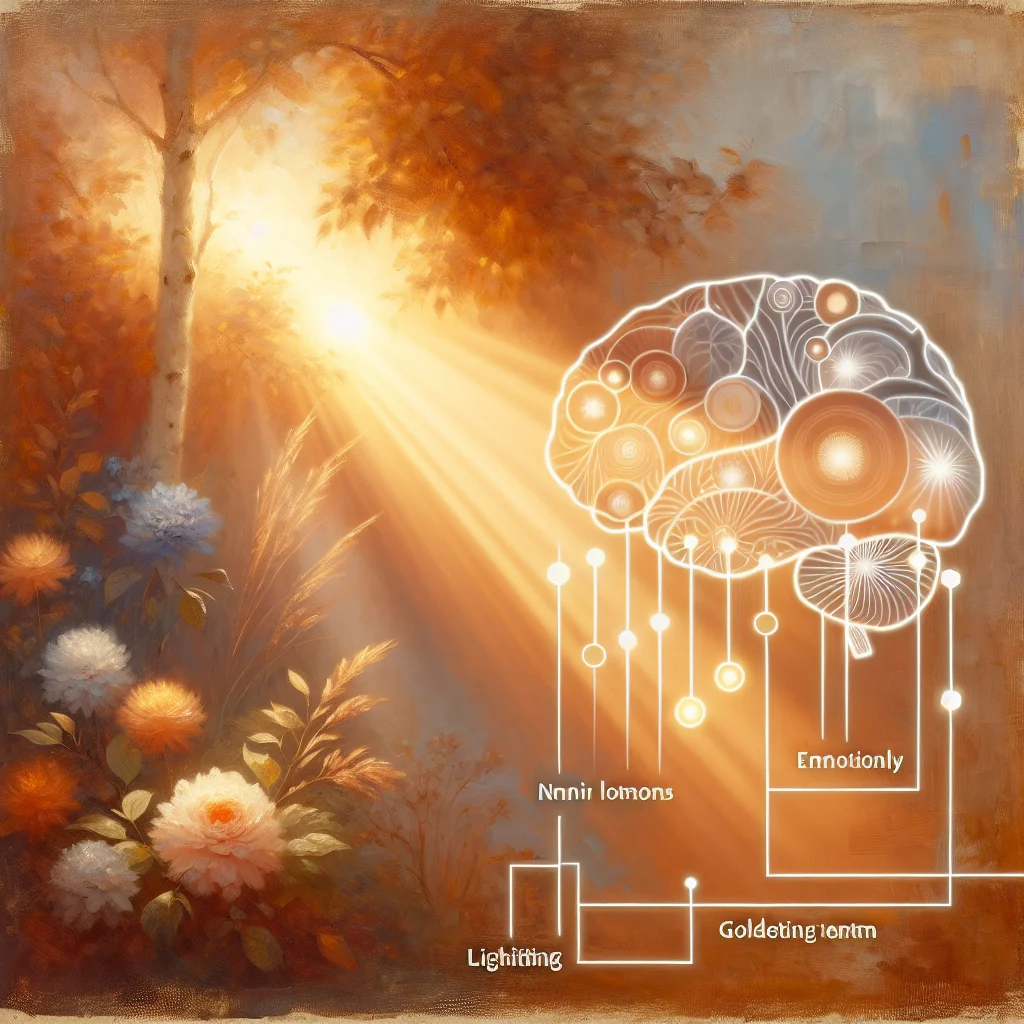
Neuroscience has provided remarkable insights into how gratitude affects our brains. When we experience grateful feelings, specific neural circuits activate, particularly in the prefrontal cortex and anterior cingulate cortex—regions associated with moral cognition, value judgment, and emotional regulation. These areas light up during brain imaging studies when participants engage in gratitude exercises.
Additionally, gratitude practices trigger the release of dopamine and serotonin, neurotransmitters responsible for feelings of pleasure and wellbeing. This neurochemical response creates a positive feedback loop: the more we practice gratitude, the more our brains become wired to notice things worthy of appreciation. Over time, this rewiring can become automatic, fundamentally changing our default perspective on life.
Research published in the journal NeuroImage showed that gratitude correlates with increased activity in the hypothalamus, which regulates stress, and the ventral tegmental area, which plays a key role in the brain’s reward system. Because of these neural connections, regular gratitude practice can literally reshape our brain structure through neuroplasticity, making positive thinking more natural and accessible.
How Gratitude Differs from Mere Optimism
While often confused with simple positive thinking, gratitude possesses distinct characteristics that set it apart. Optimism involves expecting good things to happen in the future, whereas gratitude focuses on appreciating what already exists or has occurred. This present-focused nature makes gratitude more grounded and accessible, even during difficult times when optimism might feel forced or inauthentic.
Another important distinction lies in their relational aspects. Gratitude inherently involves recognizing contributions from others or from life circumstances beyond our control. This outward focus contrasts with optimism, which can sometimes remain entirely self-referential. As a result, gratitude naturally strengthens social connections and combats the isolation that often accompanies mental health challenges.
Integrating gratitude with other personal development practices, such as those found in the Affirmations & Positive Thinking category, can create a comprehensive approach to wellbeing that addresses multiple dimensions of psychological health simultaneously.
Evidence-Based Benefits of Practicing Gratitude
The research supporting gratitude’s positive effects is both extensive and impressive. In landmark studies, participants who kept weekly gratitude journals for just ten weeks reported feeling more optimistic about their lives and exercising significantly more than control groups. These findings sparked dozens of subsequent studies exploring gratitude’s impact across various populations and contexts.
Mental health benefits stand out most prominently in the literature. Gratitude practices have been shown to reduce symptoms of depression by up to 35% in some studies, while also decreasing anxiety and stress levels. People who regularly engage with gratitude report greater life satisfaction, increased positive emotions, and improved self-esteem. Moreover, these benefits appear to accumulate over time rather than diminishing with habituation.
Physical health improvements have surprised even researchers. Studies indicate that grateful people experience fewer aches and pains, report feeling healthier overall, and are more likely to attend regular check-ups. They also tend to sleep better—spending more time asleep and waking feeling more refreshed. This connection between mental practices and physical outcomes demonstrates the profound mind-body integration that positive psychology emphasizes.
Gratitude’s Impact on Relationships and Social Wellbeing
Perhaps nowhere does gratitude shine more brightly than in its effects on relationships. Expressing appreciation to partners, friends, and family members strengthens bonds and increases relationship satisfaction for both the giver and receiver. Research shows that couples who regularly express gratitude toward each other report higher relationship quality and are more likely to stay together long-term.
In professional settings, gratitude transforms workplace dynamics. Managers who express appreciation have more motivated employees, while colleagues who acknowledge each other’s contributions create more collaborative environments. A study published in Emotion found that thanking new acquaintances makes them more likely to seek ongoing relationships, demonstrating gratitude’s power to initiate and maintain social connections.
Social gratitude also combats the comparison trap that social media often creates. When we focus on appreciating what we have rather than envying others, we build genuine contentment. This shift away from comparative thinking reduces feelings of inadequacy and fosters authentic self-acceptance, which connects beautifully with practices explored in focusing on self-love.
Resilience and Coping Through Grateful Perspectives
One of gratitude’s most valuable functions is enhancing psychological resilience—our ability to bounce back from adversity. Studies of trauma survivors, including Vietnam veterans and people who experienced the September 11 attacks, found that those who naturally experienced gratitude showed lower rates of PTSD and recovered more quickly from traumatic stress.
This resilience stems partly from gratitude’s ability to help us find meaning in difficult experiences. By acknowledging what we’ve learned or the support we’ve received during challenges, we integrate hardship into our life narrative in constructive ways. Rather than viewing ourselves as victims, we can recognize our strength and the resources available to us. Consequently, gratitude doesn’t deny pain but provides a balanced perspective that includes both suffering and gifts.
Research by Dr. Philip Watkins demonstrates that grateful people possess what he calls “amplification mechanisms”—they naturally savor positive experiences more fully, extracting maximum benefit from life’s good moments. This savoring extends the emotional benefit of positive events while also creating stronger memories that can be recalled during difficult times for comfort and encouragement.
Practical Gratitude Interventions Backed by Research
Translating gratitude research into daily practice doesn’t require complex protocols or significant time investments. The most studied intervention—the gratitude journal—involves writing down three to five things you’re grateful for several times per week. Importantly, research suggests that journaling two to three times weekly may be more effective than daily practice, as it prevents the exercise from becoming routine or mechanical.
The gratitude letter represents another powerful intervention. Participants write a detailed letter to someone who positively impacted their life but whom they’ve never properly thanked. When possible, reading this letter aloud to the recipient creates one of the most potent wellbeing boosts documented in positive psychology research—effects that can last for months. Even without delivering the letter, writing it provides significant benefits.
Mental subtraction exercises offer a different approach. Instead of listing what you’re grateful for, imagine your life without certain positive elements—a supportive friend, your health, or a career opportunity. This counterfactual thinking helps combat hedonic adaptation, the tendency to take good things for granted once we get used to them. By temporarily imagining their absence, we renew our appreciation for their presence.
Incorporating Gratitude into Existing Mindfulness Practices
Gratitude naturally complements mindfulness and meditation practices, creating synergistic effects. A gratitude meditation might involve sitting quietly and bringing to mind people, experiences, or aspects of yourself for which you feel thankful, allowing appreciation to fill your awareness. This combination trains both present-moment awareness and positive attention.
Body scan meditations can incorporate gratitude by appreciating each body part for its function rather than judging it by appearance or performance. Thank your legs for carrying you, your eyes for allowing you to see beauty, your heart for its tireless work. This practice fosters body acceptance while connecting gratitude to physical experience, making both more tangible and embodied.
Walking meditations become gratitude practices when we consciously notice and appreciate elements of our environment—the warmth of sunlight, the beauty of trees, the gift of mobility. This approach transforms ordinary experiences into opportunities for appreciation, gradually training our attention toward the positive aspects of daily life that typically escape notice.
Digital Tools and Modern Approaches to Gratitude Practice
Technology offers new avenues for cultivating thankfulness. Numerous apps provide daily prompts, track gratitude entries over time, and offer reminders to pause and appreciate. While some critics worry that digitizing gratitude might reduce its authenticity, research suggests that any consistent practice—whether analog or digital—delivers benefits. The key lies in genuine engagement rather than the medium.
Social media, despite its pitfalls, can serve gratitude practice when used intentionally. Posting daily appreciations or participating in gratitude challenges creates public accountability while potentially inspiring others. However, ensure these posts reflect genuine feelings rather than performing gratitude for external validation, which can undermine the practice’s psychological benefits.
Photo gratitude journals represent another modern adaptation. Instead of writing, take daily photos of things you appreciate. This visual approach engages different cognitive processes and may appeal to those who struggle with writing or prefer creative expression. Looking back through these images provides a powerful reminder of life’s accumulated blessings during difficult periods.
Integrating Gratitude into a Comprehensive Wellbeing Practice
While gratitude offers tremendous benefits independently, its power multiplies when integrated with other positive psychology interventions. Combining gratitude with affirmations about self creates a practice that both appreciates external gifts and affirms internal worth. This dual approach addresses both connection and autonomy—fundamental psychological needs identified by self-determination theory.
Setting daily intentions alongside gratitude practice provides direction while maintaining appreciation. You might begin each morning by identifying what you’re grateful for, then setting an intention for how you want to show up in the world that day. This combination grounds you in abundance while propelling you toward meaningful action, preventing gratitude from becoming passive acceptance of the status quo.
Character strengths assessments, another positive psychology tool, help identify your unique psychological resources. When combined with gratitude, you can specifically appreciate your own strengths and those of others, creating a more complete picture of human goodness. The VIA Character Strengths survey offers a free, scientifically validated assessment for discovering your top strengths.
Overcoming Obstacles to Consistent Gratitude Practice
Despite gratitude’s benefits, maintaining consistent practice challenges many people. Depression, trauma, and chronic stress can make gratitude feel impossible or even invalidating. During these times, starting small proves essential—appreciating something as simple as a warm shower or a comfortable bed. You needn’t force profound appreciation; genuine acknowledgment of small comforts begins the process.
Some people resist gratitude because they fear it means accepting injustice or abandoning desires for positive change. However, gratitude doesn’t require ignoring problems or ceasing improvement efforts. Instead, it provides a foundation of appreciation from which we can work toward change without bitterness or depletion. We can simultaneously appreciate what we have while striving for better circumstances.
Cultural factors also influence gratitude practice. Some cultures emphasize communal gratitude expressed through ritual, while others favor private, individual appreciation. Adapting gratitude practices to align with your cultural background and personal values increases authenticity and sustainability. There’s no single “correct” way to practice gratitude—effectiveness depends on what resonates with your unique perspective and circumstances.
Advanced Gratitude Practices for Deepening Your Experience
Once basic gratitude practices become habitual, exploring advanced variations can deepen the experience. Gratitude for challenges involves appreciating difficult experiences for the growth they catalyzed or the strength they revealed. This practice requires care—it shouldn’t minimize pain or blame victims for suffering—but can help integrate hardship into a meaningful life narrative when applied thoughtfully.
Prospective gratitude means thanking life for good things before they occur, combining gratitude with visualization techniques. This approach connects with visualization and manifestation practices, though it differs by emphasizing appreciation over acquisition. You’re not demanding outcomes but expressing gratitude for possibilities and opportunities yet to unfold.
Gratitude for ordinary moments represents perhaps the most transformative practice. Rather than focusing only on obvious blessings, we appreciate mundane experiences—the taste of water when thirsty, the softness of clothing, the ability to breathe without effort. This radical appreciation for the ordinary cultivates profound contentment independent of external circumstances, embodying positive psychology’s highest aspirations.
If you’re looking for structured guidance on developing a comprehensive personal growth practice that includes gratitude, consider exploring Everyday Calm: A Beginner’s Guide to Daily Meditation, which offers accessible techniques for building lasting habits that support mental wellbeing.
The intersection of gratitude and the science of positive psychology continues revealing new insights into human flourishing. As research expands, we’re discovering that appreciation isn’t just a pleasant emotion but a fundamental capacity that shapes our mental health, relationships, physical wellbeing, and overall life satisfaction. By understanding the science behind gratitude and implementing evidence-based practices, we can harness this simple yet profound tool for transformation. Whether you start with a basic journal or explore advanced practices, cultivating gratitude offers accessible, cost-free benefits that accumulate over time. In a world that often emphasizes what’s lacking, choosing to notice what’s present creates a radical shift toward contentment, connection, and authentic happiness.

