
In today’s fast-paced world, learning meditation is more than just a trend — it’s a path to lasting calm and clarity. Whether you’re seeking peace, focus, or emotional resilience, meditation is a powerful tool that anyone can learn. This guide will walk you through everything you need to know to begin your journey.
What Is Meditation?
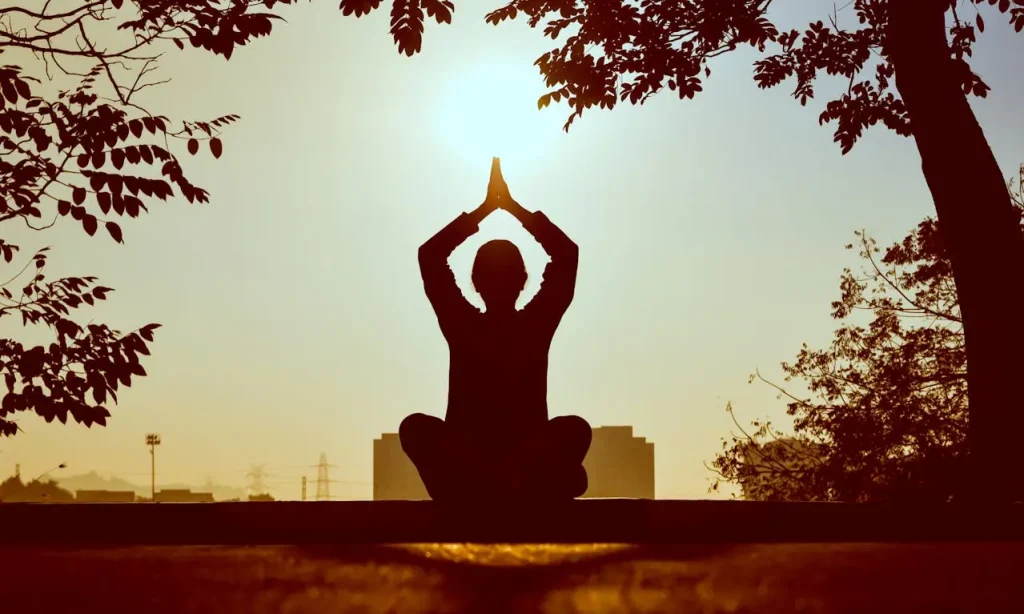
Meditation is the practice of training your awareness. At its core, it means focusing your attention in a deliberate way to quiet the mind, reduce stress, and increase presence. You don’t need to be spiritual, flexible, or experienced. All you need is curiosity and willingness.
Although it is often associated with Eastern spiritual traditions, meditation is a universal human practice. It can be religious or secular, active or passive. What matters most is your intention to connect with the present moment.
Why Learn Meditation?
The benefits of meditation are backed by science. According to Harvard Medical School, regular meditation can reduce anxiety, improve sleep, and increase focus. Additionally, it strengthens emotional regulation and promotes a greater sense of self-awareness.
From enhancing creativity and memory to lowering blood pressure, meditation influences both mind and body. It creates a pause from the chaos and allows your nervous system to reset.
Types of Meditation for Beginners
If you’re wondering how to learn meditation, it helps to know the different styles:
- Mindfulness meditation: Observing your breath or sensations without judgment.
- Loving-kindness (Metta): Sending compassion to yourself and others.
- Body scan: Bringing awareness to different parts of the body.
- Mantra meditation: Repeating a word or phrase to stay focused.
- Walking meditation: Mindfully moving and observing sensations in the body.
- Guided meditation: Following verbal instructions (via apps or recordings).
Try a few to see what resonates. There is no one-size-fits-all approach. With consistency, any method can become transformative.
How to Start Meditating in 5 Simple Steps
1. Find a Quiet Space
Choose a place where you won’t be disturbed. It doesn’t need to be silent, just calm. Dim the lights or light a candle if it helps set the mood.
2. Sit Comfortably
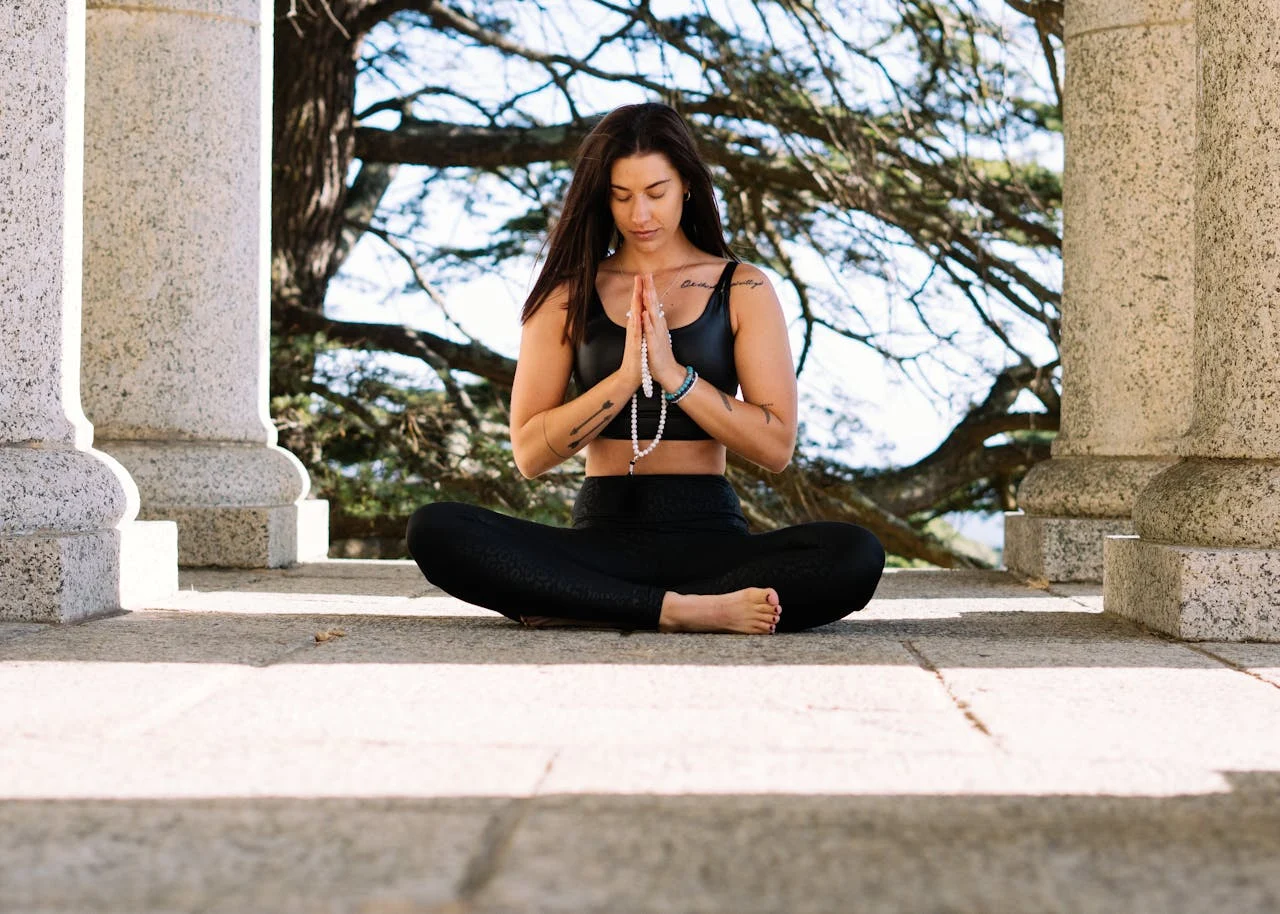
You can sit on a chair, cushion, or floor — just make sure your spine is upright but not stiff. Allow your body to relax without collapsing.
3. Set a Timer
Start with 5–10 minutes a day. Use a soft chime or bell to avoid sudden disruption. You can increase gradually as you grow more comfortable.
4. Focus on Your Breath
Notice the inhale and exhale. Feel the air entering and leaving your nostrils. When your mind wanders, gently return to your breath.
5. Be Kind to Yourself
There is no “perfect” meditation. Every time you return to your breath, you’re doing it right. Your mind will wander. That’s part of the process.
Common Challenges and How to Overcome Them
- “I can’t stop thinking”: You don’t have to. Meditation is not about emptying the mind but observing thoughts without attachment. Imagine your thoughts as clouds drifting across the sky.
- “I’m too busy”: Even 2–5 minutes counts. Try meditating during breaks, after meals, or before bed.
- “I fall asleep”: Sit upright, meditate earlier in the day, or open your eyes slightly.
- “I get restless”: Consider movement-based practices like walking meditation or gentle yoga.
Tools That Can Help You Learn
- Apps: Try Insight Timer, Headspace, or Calm.
- Digital Journals: Reflecting after each session can deepen the experience.
- Meditation timers & calming soundscapes: Add structure and ambiance to your practice.
- YouTube Channels: Follow teachers offering free guided meditations.
You can also explore printable prompts, intention cards, or mindfulness calendars — many of which are available in our digital shop.
How Long Does It Take to See Results?
Some benefits, like reduced stress or a clearer mind, may appear after just a few sessions. However, long-term change comes with regular practice. Think of meditation like a muscle: the more you use it, the stronger your awareness becomes.
A 2020 study published in Frontiers in Psychology found that even 10 minutes of daily mindfulness for two weeks improved emotional regulation and concentration in adults.
Incorporate Meditation into Daily Life
Meditation doesn’t have to happen on a cushion. Practice mindfulness while walking, eating, brushing your teeth, or even washing dishes. The key is presence.
You can turn routine moments into rituals. Begin each morning with one mindful breath. Pause before opening your email. Let silence punctuate your day.
Meditation and Mental Health
While meditation is not a substitute for therapy, it can support emotional resilience and stress management. If you experience intense emotions or trauma during practice, consider working with a trauma-informed teacher or mental health professional.
Remember: seeking support is a sign of strength, not weakness.
Final Thoughts: Start Where You Are
The question isn’t “Can I learn meditation?” but rather “Am I willing to begin?” You don’t need to get it perfect. You just need to show up.
Even one conscious breath can shift your state. Over time, your practice becomes a safe space within — one you can return to anytime, anywhere.
So start today. Sit down. Breathe. Notice. Let that be enough.

