
Introduction: Embrace Calm Through Rudraksha Meditation
Meditation is a powerful path to inner peace, clarity, and spiritual growth. Yet, for many, staying focused during meditation can be a challenge. That’s where spiritual tools like Rudraksha beads come into play. If you’ve ever wondered how to meditate with Rudraksha, you’re not alone. Practitioners around the world have used these sacred beads for centuries to deepen their meditative state, align their energy, and find a greater sense of calm.
If you’re just beginning your mindfulness journey or want to integrate ancient spiritual tools into your routine, Everyday Calm: A Beginner’s Guide to Daily Meditation can be the perfect complement to your practice.

What is Rudraksha?
Rudraksha are the dried seeds of the tree Elaeocarpus ganitrus, native to the Himalayan region. According to Hindu mythology, the Rudraksha originated from the tears of Lord Shiva, making them incredibly significant in spiritual practices. Traditionally used to create malas (prayer bead necklaces), these seeds are believed to carry divine vibrations that aid in concentration, healing, and protection.
Besides their spiritual appeal, scientific curiosity has also embraced Rudraksha. Research shows that they may have bioelectric properties that influence the human body’s electromagnetic field, supporting calmness and mental clarity [Wikipedia source].
Why Meditate with Rudraksha?
While there are many tools to enhance a meditative practice, Rudraksha offers unique benefits. Their natural composition is said to absorb and amplify your energy while grounding your thoughts. Here are some key advantages:
- Enhanced focus: Counting each bead during Japa (repetition of a mantra) helps anchor your mind.
- Energy balancing: Rudraksha beads are believed to align the chakras and soothe emotional turbulence.
- Protection: Many wear Rudraksha as talismans to ward off negativity and maintain spiritual integrity.
- Natural feel: The texture of the beads helps to center your awareness in the present moment.
Because meditation isn’t just about sitting still—it’s about creating a space where you can be fully present—adding a tactile element, like Rudraksha, can be quite transformative.
How to Meditate with Rudraksha: A Step-by-Step Guide
1. Choose the Right Rudraksha Bead
Not all Rudraksha beads are the same. They come in different “mukhis” or faces, each with a specific energetic signature. For beginners, the 5 Mukhi Rudraksha is highly recommended. It’s easily available and supports calmness, clarity, and health.
2. Cleanse the Beads
Before using your Rudraksha mala or single bead in meditation, it’s important to cleanse the energy. This can be done by soaking the beads in clean water overnight and then gently drying them. Some also chant a mantra or sprinkle holy water during the process.
3. Set Your Intention
As with any spiritual practice, intention is everything. Sit quietly with your Rudraksha beads and decide what you wish to cultivate—peace, self-love, clarity, or spiritual awakening.
4. Choose Your Mantra
While silent meditation is effective, chanting a mantra while moving through each bead helps maintain focus. You could choose a traditional mantra like “Om Namah Shivaya” or adopt one that resonates personally. For inspiration on exploring different meditation styles, see our post How to Meditate: Ramana Maharshi’s Approach.
5. Begin the Japa Process
Hold the Rudraksha mala in your right hand. Start with the first bead next to the guru bead, which acts as the starting marker. For each repetition of a mantra, move your fingers to the next bead. Traditionally, a mala contains 108 beads, and going through all beads once counts as one round of Japa.
6. Focused Breathing with Rudraksha
If chanting isn’t your thing, you can simply breathe deeply while holding the beads. This tactile method of grounding can be especially useful when the mind is restless. The beads offer a sense of rhythm and continuity, helping your breath and thoughts sync in harmony.
When and Where Should You Meditate with Rudraksha?
Setting matters. Choose a quiet, clean environment free from distractions. Early morning, known as Brahma Muhurta (roughly 4–6 a.m.), is traditionally considered the most powerful time for spiritual practice. However, anytime you can sit in peace—be it during lunch break or before bed—can be just as profound.
For more context on timing and meditation circumstances, you may find When Should You NOT Meditate? helpful.
What to Expect from Rudraksha Meditation
Consistency is key. While immediate calm might be noticed, the deeper benefits—such as increased self-awareness, emotional balance, and spiritual insight—build over time. Some users report feeling tingling sensations or warmth when meditating with Rudraksha, which is often interpreted as energy alignment or a spiritual awakening.
Common Challenges and How to Overcome Them
Even with Rudraksha, meditation isn’t always effortless. You might feel discomfort, restlessness, or even unexpected emotions emerging. This is natural. Instead of resisting, acknowledge and allow them. Remember, tools like Rudraksha are there to support—not replace—your inner work.
If you’re combining crystals and other tools into your practice, you might explore further steps in posts like How to Meditate with Malachite or How to Meditate with Carnelian.
Deepen Your Relationship with Yourself
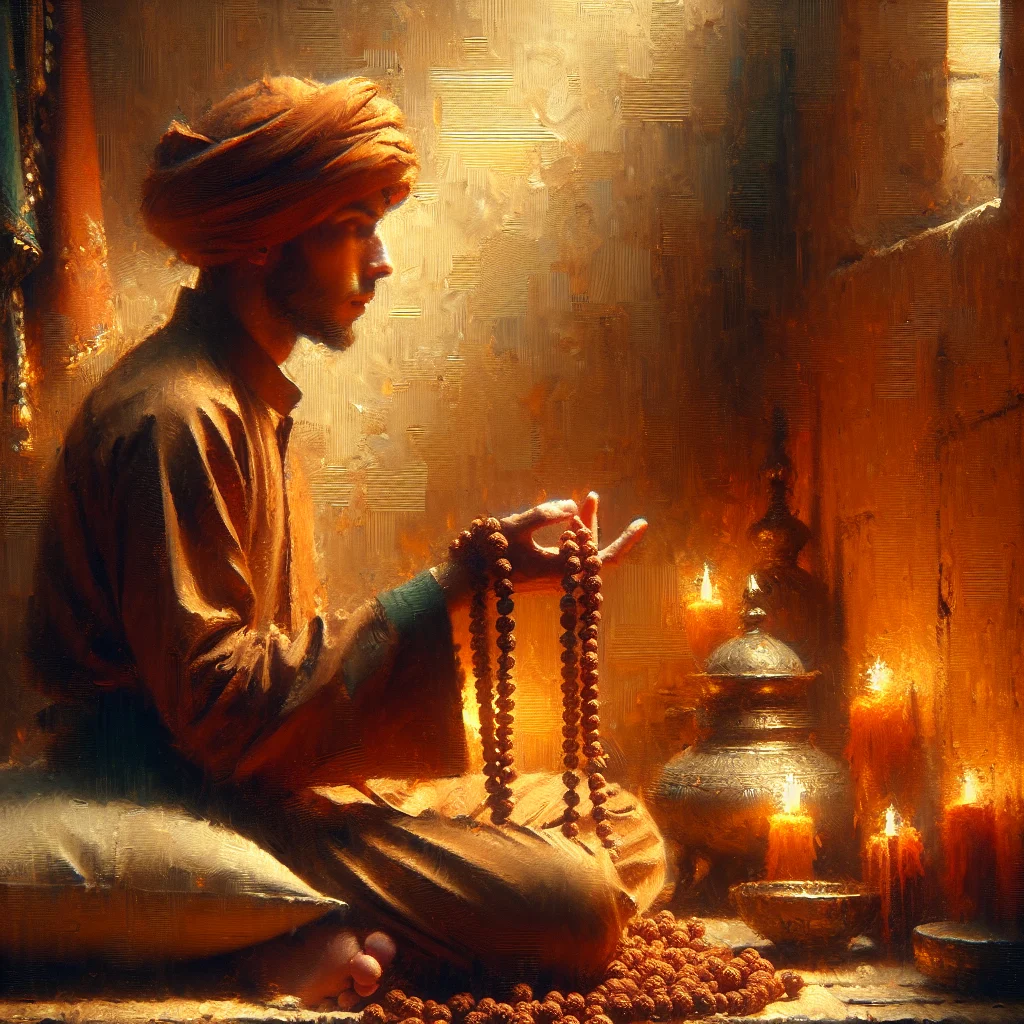
Learning how to meditate with Rudraksha is ultimately a pathway to reconnecting with your true self. These sacred beads act as spiritual allies, providing focus, energy, and protection on your journey inward. As with any meditation technique, the key is patience, dedication, and openness to explore what lies within.
Ready to take your self-discovery to the next level? Then you’ll love The Self-Love Reset: A Journey to Rediscover Yourself.

