
What Does It Mean to Pray for Inner Peace?
When life becomes chaotic and the noise of the world drowns out your inner voice, many people find themselves searching for peace. For centuries, prayer has offered a path back to stillness, clarity and connection. Learning how to pray for inner peace doesn’t require a specific religion or doctrine—just an open heart and a willingness to slow down and listen. Ultimately, it’s about finding alignment with your true self and the universe.
If you’re just beginning your journey to stillness, Everyday Calm: A Beginner’s Guide to Daily Meditation is a gentle intro companion that goes hand in hand with prayer practice—ideal for creating space to tune inward.
Why Inner Peace Matters Now More Than Ever
In today’s fast-paced, digitally connected world, most of us are constantly bombarded with distractions, stressors, and overwhelming emotions. That’s why the concept of inner peace—a state of emotional and mental calm despite external chaos—has never felt more essential.
Prayers for peace help us pause and reconnect with what truly matters. They offer a sacred pause where we can release tension, center our minds, and remind ourselves that calm is always accessible—even in the mess.
How to Pray for Inner Peace: 7 Gentle Practices
1. Start with a Centering Breath
Before you begin your prayer, ground yourself using a simple breathing exercise. Take a few slow inhales through the nose, holding for a moment, then exhaling gently. This breathing rhythm not only calms the nervous system but helps transition your attention inward. This step is crucial because many of us pray while still caught up in stressful thoughts. Breath is the bridge to presence.
2. Speak from the Heart, Not a Script
You don’t need to recite memorized phrases or formal prayers to connect with your inner peace. In fact, spontaneous, honest communication often feels more healing. Speak out loud or silently about your current state: how you feel, what’s troubling you, what you hope for. Imagine speaking to a loving presence—God, the Universe, your Higher Self, or simply your inner wisdom.
3. Use Short, Peace-Centric Affirmations
Sometimes, words fail us. In those moments, repeating simple phrases like “I release what I cannot control” or “May I be filled with stillness” can anchor you. Incorporating positive affirmation practices into your prayer forms a seamless blend of intention and surrender.
4. Visualize a Peaceful Place
Closing your eyes and picturing a quiet forest, a serene ocean, or a radiant light filling your heart can enhance your prayer experience. Visualization not only helps quiet the inner noise but also sends a clear message to your mind-body system that it is safe, supported, and held.
5. Be Willing to Listen, Not Just Speak
Prayer is often thought of as speaking only—but the most transformative moments often happen in the silence after. Take time to sit in stillness after your prayer. Listen for intuitive nudges, felt guidance, or just savor the spacious calm that follows your expression. This aspect mirrors what you may find powerful in meditative practices like qigong for inner peace, where stillness reveals insight.
6. Incorporate Journaling as Sacred Reflection
After you pray, reflect. Journaling is a beautiful tool for this. Write down how you felt during the prayer, anything that came through emotionally, or your intentions for ongoing peace. Not only does this track your growth, but it deepens your relationship with your own intuition. Interested in prompts to get started? Explore these journal prompts for inner peace.
7. Be Consistent, Not Perfect
Your prayer practice doesn’t need to be long or eloquent to be effective. What matters is consistency. Carving out five minutes each morning or before bed can create powerful shifts over time. Like any inner work, it’s a relationship worth nurturing gently, with patience and grace.
Tips to Deepen Your Prayer Practice
As you grow in your prayer life, you may find these added tips helpful:
- Use mala beads or prayer stones to keep your hands engaged.
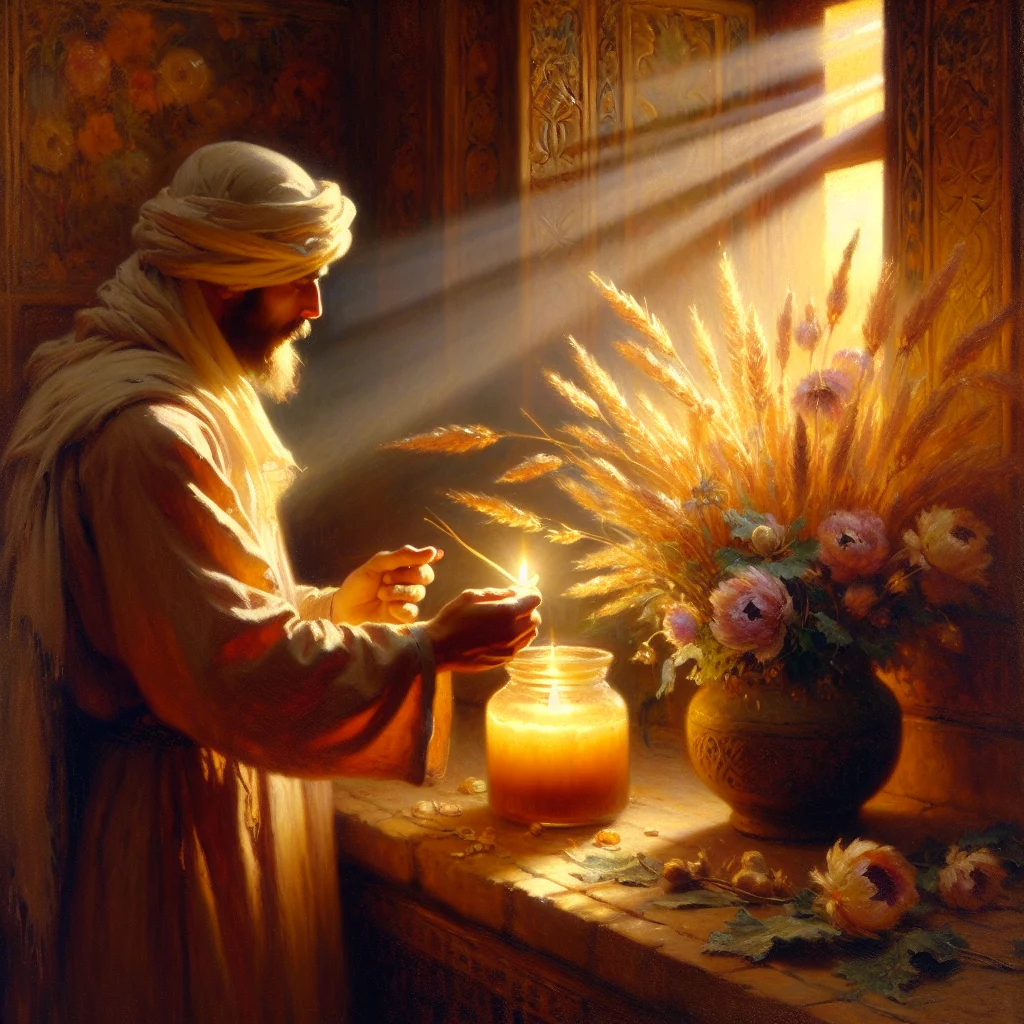
- Light a candle to symbolize peace entering your space.
- Combine prayer with movement like yoga, to reconnect body and soul.
- Explore which chakra is best for healing your emotional wounds or anxieties that block inner peace.
Everyone’s path to inner peace is unique. For some, it involves healing spiritual blocks. For others, it may mean letting go of past wounds. Either way, welcoming prayer into the journey creates space for softening, insight, and renewal.
It’s not about asking for a life without difficulty—but about courageously seeking calm energy, even in the middle of it.

Other Ways to Support a Peaceful Mind and Spirit
Incorporating prayer is powerful, but it’s even more effective when supported by other practices aligned with spiritual and mental harmony. Consider pairing your prayer work with:
- Gentle meditative rituals like breathwork or mindfulness practices
- Intentional living routines from the realm of Holistic Living
- Understanding emotional health through spiritual awakening and its effects
And as always, remember that personal growth is an unfolding journey. Grounding daily through prayer makes space for authentic healing, release, and awakening.
If you’re interested in manifesting aligned energy into your life and creating space for what truly matters, don’t miss Manifest Your Dreams: A Practical Guide to the Law of Attraction. It’s a powerful companion for those integrating intention and peace.

