
Finding inner peace and meditation in today’s chaotic world can feel like searching for a quiet corner in a bustling city. However, the journey toward tranquility begins with understanding that peace isn’t something we find externally—it’s cultivated from within through consistent practice and mindful awareness. In this comprehensive guide, we’ll explore how meditation serves as the gateway to lasting inner peace and how you can integrate these practices into your daily life.
The relationship between meditation and inner peace is inseparable. While meditation is the practice, inner peace is the destination we’re traveling toward. Throughout this article, you’ll discover practical techniques, scientific insights, and actionable strategies to help you develop a meditation practice that brings genuine serenity to your life.
If you’re just beginning your meditation journey, consider exploring Everyday Calm: A Beginner’s Guide to Daily Meditation. This resource offers structured guidance for establishing a sustainable practice that fits seamlessly into your routine.
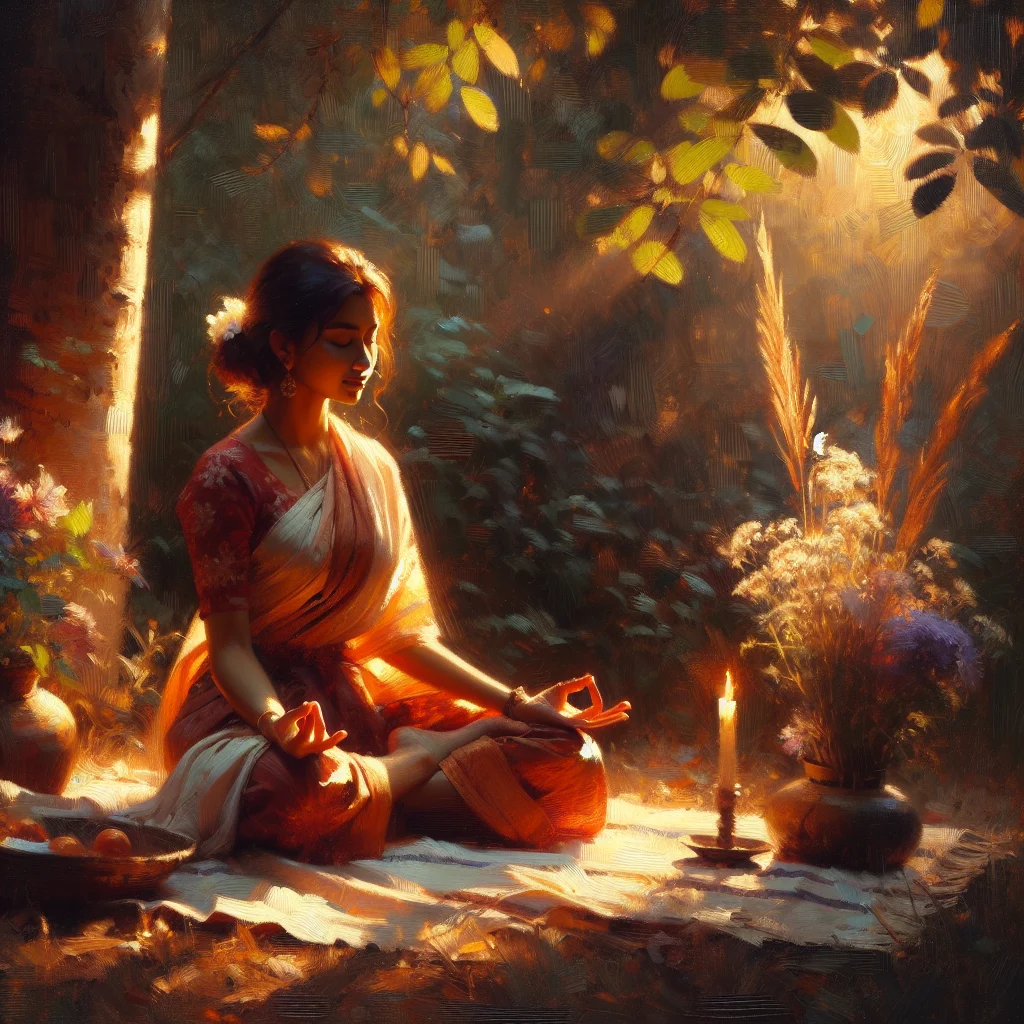
Understanding the Connection Between Inner Peace and Meditation
Inner peace represents a state of mental and emotional calmness, where worry, stress, and anxiety hold minimal influence over our well-being. According to the American Psychological Association, this state correlates strongly with improved mental health outcomes and greater life satisfaction.
Meditation acts as the vehicle that transports us toward this peaceful state. Unlike temporary relaxation techniques, meditation creates lasting neurological changes that fundamentally alter how we process stress and emotional challenges. Research from Harvard Medical School demonstrates that consistent meditation practice literally changes brain structure, increasing gray matter in regions associated with emotional regulation.
Because our minds are constantly active, generating thousands of thoughts daily, finding stillness requires intentional practice. Meditation provides the framework for observing these thoughts without becoming entangled in them, creating space between stimulus and response.
The Science Behind Meditation and Inner Calm
Neuroscience has revealed fascinating insights into how meditation cultivates inner peace. When we meditate, our brains shift from the beta wave state (associated with active thinking) to alpha and theta wave states (linked with deep relaxation and creativity).
Furthermore, meditation reduces activity in the default mode network—the brain region responsible for self-referential thinking and mind-wandering. As a result, practitioners experience fewer intrusive thoughts and less mental chatter, creating the spaciousness necessary for inner peace to emerge.
The amygdala, our brain’s fear center, actually shrinks with regular meditation practice. Meanwhile, the prefrontal cortex—responsible for decision-making and emotional regulation—becomes more robust. This biological transformation explains why long-term meditators naturally maintain greater equanimity during challenging situations.
Types of Meditation for Cultivating Inner Peace
Different meditation techniques offer various pathways to inner peace. While all styles share the goal of quieting mental noise, each approach resonates differently with individual practitioners. Exploring multiple methods helps you discover what works best for your unique temperament and lifestyle.
Mindfulness Meditation for Present-Moment Awareness
Mindfulness meditation trains attention on the present moment without judgment. This practice, rooted in Buddhist Vipassana traditions, involves observing thoughts, sensations, and emotions as they arise and pass away.
To begin mindfulness practice, sit comfortably and bring attention to your breath. Notice the sensation of air entering and leaving your nostrils. When your mind wanders—and it will—gently redirect focus back to the breath without self-criticism.
In addition to seated practice, mindfulness extends into daily activities. You can practice while washing dishes, walking, or eating. The key is maintaining present-moment awareness rather than operating on autopilot. For more guidance on this practice, visit our article on mindfulness how to practice.
Loving-Kindness Meditation for Emotional Healing
Metta, or loving-kindness meditation, specifically cultivates feelings of compassion and goodwill toward yourself and others. This practice directly addresses inner turmoil by replacing harsh self-judgment with gentle acceptance.
Begin by silently repeating phrases like:
- May I be happy
- May I be healthy
- May I be safe
- May I live with ease
After directing these wishes toward yourself, gradually extend them to loved ones, neutral people, difficult individuals, and eventually all beings. Although this might feel awkward initially, the practice becomes more natural over time and profoundly shifts your emotional landscape.
Research published in *Emotion* journal shows that loving-kindness meditation increases positive emotions and social connectedness while reducing symptoms of depression. Consequently, practitioners often report feeling more at peace with themselves and their relationships.
Transcendental Meditation for Deep Rest
Transcendental Meditation (TM) involves silently repeating a personalized mantra for 15-20 minutes twice daily. This technique, popularized by Maharishi Mahesh Yogi, allows the mind to settle into progressively quieter levels of thought until it transcends mental activity entirely.
Unlike mindfulness meditation, TM doesn’t require concentration or contemplation. Instead, practitioners use the mantra effortlessly, allowing the mind to naturally dive inward. This approach appeals to those who find it challenging to focus on breath or bodily sensations.
Studies indicate that TM effectively reduces anxiety, improves cardiovascular health, and enhances overall psychological well-being. Many practitioners describe experiencing profound states of inner silence that persist even during daily activities.
Practical Steps to Develop Inner Peace Through Meditation
Establishing a meditation practice that genuinely transforms your inner experience requires more than good intentions. It demands consistent effort, realistic expectations, and strategic planning. Let’s explore how to build a sustainable practice that delivers lasting results.
Creating Your Meditation Sanctuary
Your environment significantly influences meditation quality. Designate a specific space in your home as your meditation area—even if it’s just a corner with a cushion. This dedicated space becomes psychologically associated with peace, making it easier to settle into practice.
Consider these elements when creating your sanctuary:
- Minimal distractions: Choose a quiet location away from high-traffic areas
- Comfortable seating: Use cushions, benches, or chairs that support proper posture
- Pleasant atmosphere: Add candles, plants, or meaningful objects that inspire tranquility
- Consistent temperature: Ensure the space is neither too hot nor too cold
However, don’t let the absence of a perfect space prevent you from practicing. Many people successfully meditate in parks, cars during lunch breaks, or even bathrooms when necessary. The important thing is consistency rather than perfection.
Establishing a Sustainable Practice Schedule
The most effective meditation practice is the one you’ll actually maintain. Therefore, start small rather than setting overly ambitious goals that lead to burnout. Five minutes of daily meditation surpasses an hour-long session you only complete once weekly.
Morning meditation offers distinct advantages because your mind is typically clearer and less cluttered with the day’s concerns. Additionally, establishing this routine creates a peaceful foundation that influences your entire day. Nevertheless, if evenings work better for your schedule, that timing is equally valid.
Try this progressive approach:
- Week 1-2: 5 minutes daily
- Week 3-4: 10 minutes daily
- Week 5-8: 15 minutes daily
- Beyond 8 weeks: 20-30 minutes daily
As you build consistency, meditation becomes as natural as brushing your teeth. The practice shifts from something you force yourself to do into something you genuinely look forward to. For inspiration on deepening your practice, explore our guide on 7 day meditation to transform your life.
Working with Common Obstacles
Restlessness is perhaps the most common challenge beginners face. Your body may fidget, itch, or feel uncomfortable. Rather than viewing this as failure, recognize it as a normal part of the process. The mind and body are learning a new skill.
When restlessness arises, gently acknowledge it without judgment. You might mentally note “restlessness” or “discomfort,” then return attention to your meditation object. Over time, your nervous system learns to settle more quickly.
Mental chatter presents another frequent obstacle. You sit down to meditate, and suddenly your mind floods with thoughts about grocery lists, work projects, and random memories. This is completely normal. The goal isn’t to eliminate thoughts but to change your relationship with them.
Imagine your thoughts as clouds passing through the sky of your awareness. You observe them without grabbing onto them or pushing them away. This neutral observation itself cultivates inner peace, regardless of whether your mind ever becomes completely quiet.

Integrating Meditation into Daily Life for Lasting Inner Peace
Formal meditation practice provides essential training, but the real transformation occurs when meditative awareness permeates your entire life. This integration transforms meditation from an isolated activity into a way of being that continuously nourishes inner peace.
Mindful Transitions Throughout Your Day
The transitions between activities offer perfect opportunities for micro-meditations. Before starting your car, take three conscious breaths. When entering your home after work, pause at the doorway and mentally release the day’s stress. These brief moments of presence accumulate significantly over time.
Similarly, use routine activities as meditation anchors. While waiting in line, bring attention to your breath instead of reaching for your phone. During meals, eat slowly and savor each bite rather than multitasking. These practices extend meditation’s benefits throughout your waking hours.
The Mindfulness & Meditation section of our blog offers numerous additional strategies for maintaining present-moment awareness during daily activities.
Responding Rather Than Reacting to Life’s Challenges
One of meditation’s greatest gifts is creating space between stimulus and response. Without this space, we react automatically to situations based on conditioned patterns. With it, we can choose responses that align with our values and serve our wellbeing.
When someone criticizes you, for instance, meditation practice allows you to pause before responding defensively. In that pause, you might recognize the other person’s pain or consider whether their feedback contains useful information. This conscious response preserves your inner peace rather than allowing external circumstances to dictate your emotional state.
Additionally, meditation helps you recognize when you’re operating from fear, anger, or anxiety rather than clarity and wisdom. This recognition alone often shifts your perspective, allowing peace to return more quickly after disruption.
The Relationship Between Self-Compassion and Inner Peace
Self-compassion forms the foundation upon which lasting inner peace is built. Many people approach meditation as another self-improvement project, harshly judging themselves for wandering minds or inconsistent practice. This approach, however, contradicts meditation’s essential spirit.
Inner peace requires befriending yourself rather than constantly critiquing your performance. When you notice judgment arising during meditation, respond with gentle understanding. You might think, “This is difficult right now, and that’s okay. I’m learning.”
Research by Dr. Kristin Neff demonstrates that self-compassionate people experience greater emotional resilience and life satisfaction. Furthermore, they’re more likely to maintain healthy habits because they’re motivated by genuine self-care rather than self-criticism. Learn more about cultivating this quality through our article on mindfulness and self-love.
Embracing Imperfection in Your Practice
Your meditation practice will never be perfect, and that’s precisely the point. Some days you’ll feel peaceful and focused; other days your mind will race uncontrollably. Both experiences are valuable teachers.
The difficult sessions often provide deeper insights than the blissful ones. They reveal your habitual patterns, show where you’re holding tension, and teach you to maintain equanimity during challenging circumstances. Therefore, approach each session with curiosity rather than expectation.
Remember that even experienced practitioners have wandering minds and challenging sessions. The difference is they’ve learned to accept this reality without it disturbing their underlying sense of peace.
Deepening Your Practice: Advanced Considerations
As your practice matures, you may feel called to deepen your exploration of meditation and inner peace. This journey has no endpoint—there are always subtler dimensions to discover and integrate.
Attending Meditation Retreats
Meditation retreats offer immersive experiences that dramatically accelerate your practice. By dedicating days or weeks exclusively to meditation, you access states of consciousness rarely touched during brief daily sessions.
Retreats typically involve extended periods of sitting and walking meditation, minimal talking, and simple routines that support inward focus. While initially challenging, many practitioners describe retreats as transformative experiences that fundamentally shift their relationship with themselves and reality. If you’re considering this option, read about 10 day meditation retreats in California.
However, retreats aren’t necessary for everyone. Some people cultivate profound inner peace entirely through daily home practice. Trust your intuition regarding whether retreat participation aligns with your path.
Working with a Teacher or Sangha
A qualified meditation teacher provides personalized guidance, answers questions, and helps you navigate obstacles that might otherwise derail your practice. Teachers recognize patterns in your experience that you might miss and offer techniques specifically suited to your needs.
Likewise, practicing with a sangha (spiritual community) provides motivation, accountability, and collective energy that supports individual practice. Many practitioners find that meditating with others feels qualitatively different than solo practice, with a palpable sense of shared intention deepening the experience.
Both in-person and online communities exist for virtually every meditation tradition. Exploring different options helps you find the right fit for your temperament and philosophical orientation.
The Ripple Effects of Inner Peace
Inner peace isn’t a selfish pursuit—it’s one of the greatest gifts you can offer the world. When you cultivate peace within yourself, it naturally extends outward, influencing your relationships, work, and community in positive ways.
Transformed Relationships
As you develop inner peace through meditation, your relationships naturally improve. You become less reactive, more patient, and genuinely present with others. Instead of half-listening while planning your response, you truly hear what people are saying.
Moreover, you stop projecting your internal turmoil onto others. When you’re at peace with yourself, you don’t need others to behave in specific ways to maintain your emotional equilibrium. This freedom allows for more authentic, less controlling relationships.
Your capacity for compassion expands as well. Because you’ve learned to meet your own pain with kindness, you naturally extend that same quality to others’ suffering. This transformation often surprises practitioners’ loved ones, who notice they’re becoming easier to be around.
Enhanced Creativity and Performance
Contrary to popular belief, inner peace doesn’t make you passive or unmotivated. In fact, research shows that meditation enhances creativity, problem-solving, and cognitive performance. When your mind isn’t cluttered with anxiety and rumination, mental resources become available for productive thinking.
Additionally, the emotional stability cultivated through meditation allows you to take appropriate risks and handle setbacks gracefully. Entrepreneurs, artists, and athletes increasingly recognize meditation as a performance-enhancing practice, not just a relaxation technique.
Many people report that solutions to long-standing problems spontaneously arise during or after meditation. The quiet mind becomes fertile ground for insight and innovation.
Common Misconceptions About Meditation and Inner Peace
Several myths about meditation prevent people from starting or continuing practice. Let’s address these misconceptions directly so they don’t become unnecessary obstacles on your journey.
Myth: You Must Clear Your Mind Completely
Perhaps the most pervasive myth is that meditation requires achieving a thought-free mind. In reality, even experienced practitioners have thoughts during meditation. The practice involves changing your relationship with thoughts rather than eliminating them entirely.
Think of it this way: you don’t stop the waves to find the ocean’s depths. Similarly, you don’t stop thoughts to find inner peace—you learn to rest in the awareness that contains all thoughts. This awareness itself is peaceful, regardless of mental content.
Myth: Meditation is Religious
While meditation originates from various spiritual traditions, the practice itself is essentially secular. You don’t need to adopt any belief system to benefit from meditation. Neuroscience confirms its effects regardless of practitioner worldview.
Many people successfully integrate meditation into Christian, Jewish, Muslim, or atheist frameworks. The technique is simply a method for training attention and cultivating wellbeing—how you contextualize it remains entirely personal.
Myth: Inner Peace Means Never Feeling Negative Emotions
Some people imagine that achieving inner peace means existing in constant bliss, never experiencing sadness, anger, or fear. This unrealistic expectation sets people up for disappointment and self-judgment.
Authentic inner peace involves accepting the full spectrum of human emotion rather than resisting half of it. You still feel sadness when losses occur, but you’re not overwhelmed by it. You experience anger at injustice, but it doesn’t consume you. Peace coexists with the natural ebb and flow of emotional life.
Resources for Your Journey Toward Inner Peace
Your meditation journey is deeply personal, but you don’t need to travel it alone. Numerous resources can support your practice and help you navigate challenges along the way.
Books and Guided Meditations
High-quality books provide theoretical understanding and practical instruction that complement experiential practice. Classics like “Wherever You Go, There You Are” by Jon Kabat-Zinn and “The Miracle of Mindfulness” by Thich Nhat Hanh offer timeless wisdom accessible to beginners and experienced practitioners alike.
Guided meditation recordings prove especially helpful when establishing your practice. They provide structure, prevent mind-wandering, and introduce you to various techniques. Apps like Insight Timer, Calm, and Headspace offer extensive libraries of guided meditations for different purposes and durations.
Online Courses and Workshops
Structured online courses provide systematic training that builds skills progressively. Many programs include community forums where you can ask questions and connect with fellow practitioners experiencing similar challenges.
Additionally, recorded workshops with renowned teachers allow you to learn from masters you might never encounter in person. These teachings can deepen your understanding and inspire renewed commitment when your practice feels stale.
Practical Guides for Consistent Practice
If you’re serious about developing a meditation practice that genuinely cultivates inner peace, consider investing in comprehensive guides designed specifically for this purpose. Everyday Calm: A Beginner’s Guide to Daily Meditation offers step-by-step instructions for building a sustainable practice, while Manifest Your Dreams: A Practical Guide to the Law of Attraction explores how inner peace supports manifesting your aspirations.
For those interested in the connection between meditation and self-relationship, The Self-Love Reset: A Journey to Rediscover Yourself provides valuable insights into cultivating the self-compassion that underlies lasting inner peace.
Your Next Steps on the Path to Inner Peace
Understanding meditation intellectually differs vastly from experiencing its benefits firsthand. Therefore, knowledge must translate into action for transformation to occur. The path to inner peace begins with the simple decision to start—and then the commitment to continue even when it feels difficult.
Start today with just five minutes. Sit comfortably, close your eyes, and bring attention to your breath. When your mind wanders, gently return to the breath without judgment. This simple act, repeated daily, will gradually transform your inner landscape in ways you can’t yet imagine.
Remember that meditation is a practice, not a performance. You’re not trying to achieve anything or become someone different. You’re simply learning to be present with what is, cultivating the inner spaciousness where genuine peace naturally arises.
The journey may sometimes feel challenging, but it’s also profoundly rewarding. As you continue practicing, you’ll likely notice subtle shifts—greater patience in traffic, less reactivity during disagreements, moments of spontaneous gratitude for simple pleasures. These small changes accumulate into a fundamentally transformed way of experiencing life.
For additional support on your journey, explore our Spirituality & Inner Work resources, which offer complementary practices that deepen meditation’s benefits. You might also find value in learning about meditation for clearing your mind, which addresses one of practice’s most common challenges.
Inner peace isn’t a destination you reach and then possess forever. It’s a quality you cultivate daily through conscious practice and intentional living. Some days you’ll feel deeply peaceful; other days you’ll struggle. Both experiences are part of the journey, and both offer valuable lessons.
The most important thing is to keep showing up—for yourself, for your practice, and for the peace that awaits you in the present moment. That peace has always been there, beneath the noise and chaos. Meditation simply helps you remember it’s there and teaches you how to access it reliably.
May your practice bring you the profound peace you seek, and may that peace ripple outward to benefit all beings.

