
When you think of Italy, what comes to mind? Perhaps it’s the rolling hills of Tuscany, the aroma of freshly brewed espresso, or the sound of laughter echoing through cobblestone streets. Italian slow living represents more than just a lifestyle choice—it’s a philosophy deeply rooted in centuries of tradition, where quality trumps quantity and moments are savored rather than rushed. In a world that constantly demands our attention and pushes us toward productivity, the Italian approach to life offers a refreshing alternative that prioritizes presence, pleasure, and meaningful connection.
Unlike the hustle culture that dominates much of modern society, Italian slow living encourages us to pause, breathe, and appreciate the simple joys that surround us daily. This mindset doesn’t require moving to a villa in the countryside; instead, it invites us to adopt attitudes and practices that can transform our everyday experiences, regardless of where we call home.
If you’re ready to cultivate more peace and intention in your daily routine, consider starting with Everyday Calm: A Beginner’s Guide to Daily Meditation, which can help you develop the mindfulness that underpins the slow living philosophy.

The Heart of Italian Slow Living
At its core, Italian slow living revolves around the concept of la dolce vita—the sweet life. This isn’t about laziness or lack of ambition; rather, it’s about recognizing what truly matters and giving those things the time and attention they deserve. Italians have mastered the art of living well, which means enjoying good food, nurturing relationships, and finding beauty in everyday moments.
Understanding the Philosophy
The Italian approach to life emerged from a culture that values tradition, family, and community above individual achievement and material accumulation. While other societies chase the next promotion or purchase, Italians often prioritize long meals with loved ones, afternoon riposo (rest), and evening passeggiata (leisurely walks). These aren’t seen as luxuries but as essential components of a well-lived life.
For example, the Italian meal structure reflects this philosophy perfectly. Lunch, traditionally the main meal, can last two to three hours, allowing family members to gather, share stories, and truly connect. This stands in stark contrast to the grab-and-go mentality prevalent in many other cultures, where eating has become just another task to check off a list.
The Role of Community and Connection
Italian culture places tremendous importance on relationships and community bonds. Neighborhoods function like extended families, where shopkeepers know their customers by name and neighbors regularly check in on one another. This social fabric creates a sense of belonging that contributes significantly to overall wellbeing and life satisfaction.
Free Guided Meditation · Day 1
You Are Safe Right Now.
5 min · Breathwork & body scan · Stress release
Liked it? Get the full audio.
Enter your email and we'll send you the complete 5-minute meditation — free, straight to your inbox.
Zero spam. Unsubscribe anytime.
Check Your Inbox.
Your full 5-minute meditation is on its way. Open the email and hit play — your reset starts now.
Can't find it? Check your spam folder.
According to research from the World Health Organization, strong social connections are associated with numerous health benefits, including reduced stress, lower rates of depression, and even increased longevity. Italian slow living naturally cultivates these connections through its emphasis on face-to-face interaction and shared experiences.
Key Principles of Italian Slow Living
To truly embrace this lifestyle, it helps to understand the fundamental principles that guide Italian daily life. These concepts aren’t rigid rules but rather flexible guidelines that can be adapted to suit individual circumstances and cultural contexts.
Food as a Sacred Ritual
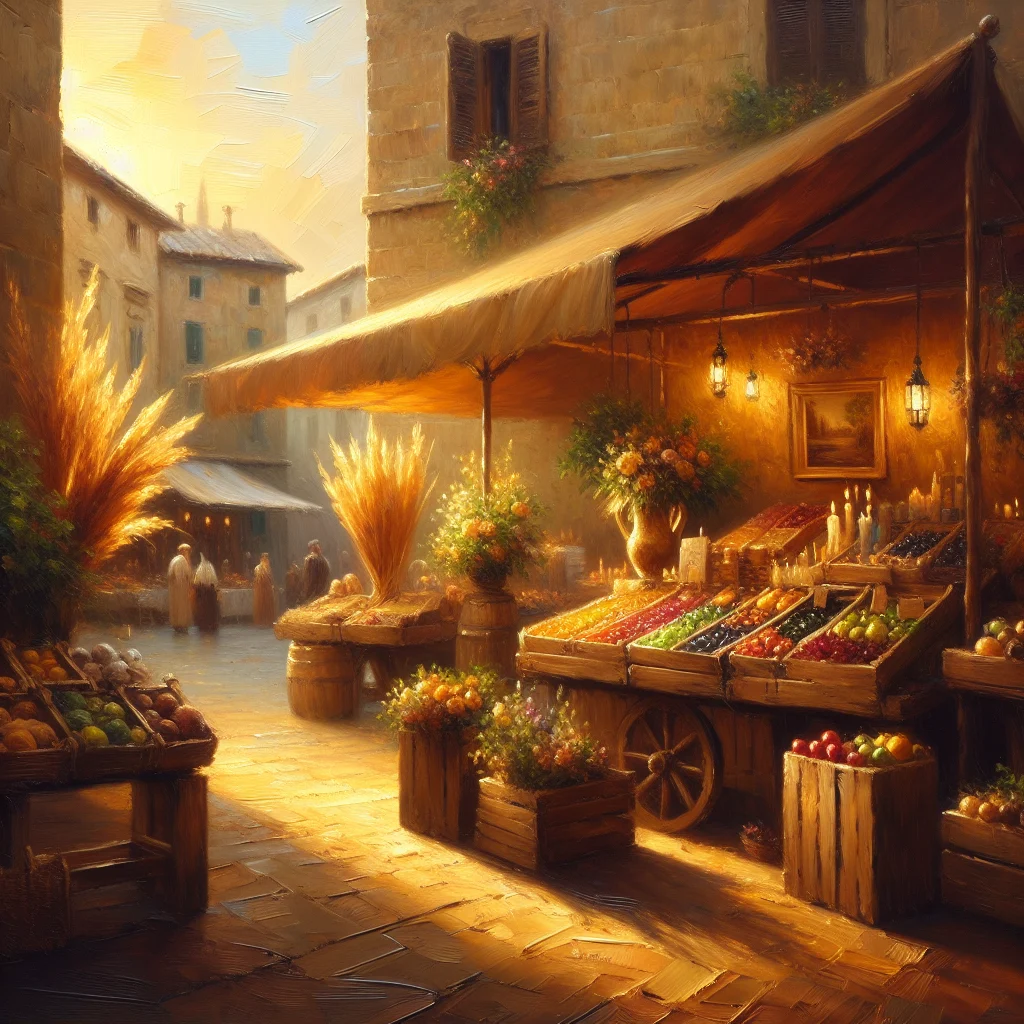
In Italy, food preparation and consumption are treated with reverence. Meals aren’t merely about sustenance—they’re opportunities for creativity, connection, and celebration. Italians shop for fresh ingredients daily at local markets, cook with care, and eat without distractions like television or smartphones.
The slow food movement, which originated in Italy in the 1980s as a response to fast food culture, perfectly encapsulates this principle. Founded by Carlo Petrini, the movement advocates for traditional cooking methods, local ingredients, and mindful eating practices that honor both the environment and cultural heritage.
Quality Over Quantity
Italians typically prefer fewer, higher-quality possessions over accumulating mass-produced items. This extends to clothing, where classic, well-made pieces are chosen over trendy fast fashion; to home furnishings, where antique or artisan-crafted items hold pride of place; and to daily purchases, where locally-made products are favored despite potentially higher prices.
This principle also applies to time management. Rather than cramming schedules with countless activities, Italian slow living encourages doing fewer things but doing them well and with full attention. Whether it’s preparing a meal, having a conversation, or working on a project, the focus is on being fully present rather than multitasking.
Embracing Natural Rhythms
The Italian lifestyle respects natural cycles and seasons. Many businesses still close for riposo during the hottest afternoon hours, allowing people to rest or share lunch with family. Additionally, Italians eat seasonal produce, celebrate local festivals tied to harvests, and adjust their daily routines according to weather and daylight.
This alignment with natural rhythms extends to work-life balance. While Italians work hard, they generally maintain clearer boundaries between professional and personal time. Evenings and weekends are protected for family, leisure, and restoration—concepts that support holistic living and overall wellness.
Bringing Italian Slow Living Into Your Daily Life
You don’t need to move to Italy to adopt elements of this enriching lifestyle. With intention and practice, you can incorporate Italian slow living principles into your current circumstances, creating more peace, pleasure, and meaning in everyday moments.
Transform Your Relationship With Food
Start by reconsidering how you approach meals. Instead of eating on the go or in front of screens, create dedicated time for eating without distractions. Set the table, even if you’re dining alone, and treat mealtime as something worth savoring rather than rushing through.
Consider these practical steps:
- Shop at farmers’ markets or local grocers when possible to connect with seasonal, fresh ingredients
- Cook from scratch at least a few times weekly, viewing preparation as a meditative practice rather than a chore
- Invite friends or family for regular shared meals, even if they’re simple gatherings
- Practice mindful eating by noticing flavors, textures, and aromas with each bite
- Extend mealtimes slightly, allowing for conversation and connection rather than eating as quickly as possible
Cultivate Your Environment
Italians take pride in their spaces, whether that’s a small apartment balcony adorned with flowers or a carefully tended vegetable garden. Your environment significantly impacts your mental state and wellbeing, so investing time in creating beauty around you aligns perfectly with slow living principles.
Transform your space with these approaches:
- Declutter thoughtfully, keeping only items that serve a purpose or bring genuine joy
- Add natural elements like plants, flowers, or natural light to create a more organic atmosphere
- Display meaningful objects—photos, artwork, or handcrafted items—that tell your story
- Create designated areas for specific activities, helping your brain associate different spaces with different states of mind
- Maintain your space regularly with simple, consistent care rather than occasional deep cleans
Prioritize Leisure and Rest
Perhaps one of the most challenging aspects of Italian slow living for those raised in hustle culture is giving yourself permission to rest without guilt. Italians understand that leisure isn’t laziness—it’s essential for creativity, health, and happiness.
Build restorative practices into your routine by scheduling regular downtime with the same importance you’d give to work commitments. This might mean afternoon naps on weekends, evening walks through your neighborhood, or simply sitting with a book and coffee without feeling the need to be productive.
If you’re exploring similar philosophies from other cultures, you might find interesting parallels in our article about slow living in Tuscany or even in the Japanese approach to slow living.
The Italian Approach to Work and Productivity
Contrary to stereotypes, Italians are productive and hardworking; however, they approach work differently than many other cultures. The distinction lies in how work fits into life rather than how life fits around work.
Establishing Boundaries
In Italy, work typically stays at work. Once the workday ends, people shift their focus entirely to personal life, family, and leisure. This clear boundary prevents burnout and maintains space for the activities that nourish the soul.
While implementing Italian-style boundaries might require negotiation in work cultures that expect constant availability, even small steps can make a difference. Try turning off work notifications after a certain hour, avoiding email checks during meals, or designating one weekend day as completely work-free.
Working With Purpose
Many Italians choose careers or maintain businesses that align with their values and allow for personal expression. Whether it’s the baker who takes pride in perfecting traditional recipes or the craftsperson who creates beautiful leather goods, work is viewed as an extension of identity rather than merely a means to earn money.
While changing careers isn’t always feasible, you can still infuse purpose into your current role by identifying aspects that align with your values, seeking opportunities to develop meaningful skills, or finding ways to contribute to your community through your work.
Italian Slow Living and Personal Wellbeing
The benefits of adopting an Italian approach to life extend far beyond simply having more pleasant days—they significantly impact physical health, mental wellbeing, and overall life satisfaction.
Mental Health Benefits
Research consistently shows that the lifestyle factors common in Italian culture—strong social connections, regular physical activity, stress reduction through rest, and time spent outdoors—all contribute to better mental health outcomes. The emphasis on presence rather than constant productivity can significantly reduce anxiety and depression symptoms.
Additionally, the Italian practice of savoring life’s pleasures activates reward centers in the brain and increases positive emotions. When you take time to truly taste your food, appreciate a beautiful sunset, or fully engage in conversation, you’re training your brain to notice and appreciate positive experiences, which builds resilience against stress.
For those interested in deepening their mental and emotional wellbeing practices, exploring mental health and wellbeing resources can complement the slow living philosophy beautifully.
Physical Health Advantages
The Mediterranean diet, typical in Italy, is widely recognized as one of the healthiest eating patterns in the world. Rich in vegetables, fruits, whole grains, legumes, olive oil, and moderate amounts of fish and wine, this diet has been linked to reduced risk of heart disease, diabetes, and certain cancers.
Moreover, the Italian lifestyle naturally incorporates movement throughout the day. Rather than sitting for long periods followed by intense gym sessions, Italians walk to shops, climb stairs, and engage in gentle, regular activity. This pattern of consistent, low-intensity movement is increasingly recognized as beneficial for longevity and disease prevention.
Overcoming Challenges to Slow Living
While the principles of Italian slow living are appealing, implementing them in contexts that don’t naturally support this lifestyle can present challenges. However, with creativity and commitment, it’s possible to overcome these obstacles.
Time Constraints
Perhaps the most common barrier is feeling there simply aren’t enough hours in the day. In reality, though, slow living isn’t about adding more activities—it’s about approaching existing activities differently.
Instead of trying to implement every principle at once, start small. Choose one meal per week to eat slowly and mindfully. Schedule one thirty-minute walk into your weekly routine. Gradually, these small changes accumulate, creating meaningful shifts in how you experience daily life.
Cultural Resistance
If you live in a culture that values constant productivity, others might not understand or support your choice to slow down. Friends might question why you’re not pursuing every opportunity, while colleagues might view boundaries as lack of commitment.
Remember that you’re not obligated to explain or justify your choices to everyone. Focus on those who understand and support your values, and recognize that by modeling a different way of living, you might inspire others to reconsider their own relationships with time, work, and leisure.
Financial Considerations
Some aspects of Italian slow living—like shopping at farmers’ markets or buying artisan products—can be more expensive than conventional alternatives. However, many principles cost nothing: eating without distractions, taking walks, spending time with loved ones, and resting are all free.
Additionally, slow living often leads to reduced spending overall. When you focus on quality over quantity, you naturally buy less. When you find satisfaction in simple pleasures, you’re less vulnerable to the constant marketing that encourages unnecessary consumption.
Creating Your Personal Italian Slow Living Practice
The beauty of Italian slow living is that it’s infinitely adaptable. You don’t need to adopt every aspect of Italian culture; instead, choose elements that resonate with you and fit your unique circumstances.
Start With Your “Why”
Before implementing changes, reflect on what draws you to this lifestyle. Are you seeking less stress? Deeper connections? Better health? More joy? Understanding your motivation helps you prioritize which aspects to focus on first and provides encouragement when challenges arise.
Consider journaling about your current relationship with time, productivity, and pleasure. What would change if you gave yourself permission to slow down? What fears arise when you contemplate doing less? These reflections provide valuable insight into where to begin your slow living journey.
Design Your Ideal Day
Imagine a day that perfectly embodies your version of Italian slow living. What would you do? How would you feel? Who would you spend time with? While you might not be able to live this ideal every day, identifying the elements that matter most helps you incorporate them regularly.
Perhaps your ideal includes morning coffee savored slowly, a lunch break away from your desk, an evening walk, and dinner with loved ones. Once you’ve identified these priorities, you can begin structuring your schedule to accommodate them, even in small ways.
Build Supportive Rituals
Italians are masters of ritual—from the morning espresso at the bar to the evening passeggiata through town. These repeated practices create rhythm and meaning in daily life.
Develop your own rituals that support slow living values. This might include a Sunday market trip followed by afternoon cooking, a weekly dinner party with friends, or a daily sunset viewing practice. The key is consistency; rituals derive their power from repetition.
For additional support in creating meaningful daily practices, Manifest Your Dreams: A Practical Guide to the Law of Attraction can help you align your intentions with your actions.
Italian Slow Living for Modern Times
As we navigate an increasingly digital, fast-paced world, the principles of Italian slow living become more relevant, not less. Technology has brought countless benefits, but it has also fragmented our attention, disrupted our sleep, and created an expectation of constant availability that previous generations never experienced.
Technology and Slow Living
Italian slow living doesn’t require abandoning technology entirely; rather, it encourages intentional use. Consider implementing tech-free zones or times—perhaps no devices at the dinner table or during the first hour after waking.
Use technology purposefully to support slow living goals. Apps that help you find local farmers’ markets, connect with community groups, or learn traditional recipes can enhance your practice. The key is ensuring that technology serves your values rather than constantly pulling you away from present-moment experience.
Sustainability and Slow Living
The Italian approach to life naturally aligns with environmental sustainability. Buying local, seasonal products reduces transportation emissions. Choosing quality over quantity means less waste. Walking instead of driving decreases carbon footprint. These choices benefit both personal wellbeing and planetary health.
As climate concerns become increasingly urgent, slow living offers a model for how humans might live more harmoniously with the earth. The lifestyle changes that support personal peace—eating less meat, consuming less overall, connecting with nature—are the same changes needed to address environmental challenges.
Living La Dolce Vita Wherever You Are
Ultimately, Italian slow living is less about geography and more about mindset. While visiting or living in Italy can certainly inspire and support this lifestyle, its core principles can be practiced anywhere. The essence lies in valuing presence over productivity, quality over quantity, and connection over consumption.
As you begin incorporating these practices into your life, be patient with yourself. Shifting from a fast-paced, achievement-oriented mindset to one that prioritizes savoring and being takes time. There will be days when you fall back into old patterns, and that’s perfectly normal. What matters is the overall direction you’re moving toward.
Start where you are. Choose one principle that resonates most strongly—perhaps it’s eating one meal daily without distractions, or taking an evening walk, or setting clearer work boundaries. Practice that one change until it feels natural, then gradually add others. Over time, these small shifts accumulate into a genuinely different way of experiencing life.
The Italian gift to the world isn’t just beautiful art, delicious food, or stunning landscapes—it’s the reminder that life is meant to be enjoyed, not merely endured. By embracing slow living principles, you’re not rejecting ambition or achievement; you’re simply redefining what success means to include wellbeing, connection, and daily joy.
For those ready to deepen their journey toward a more intentional, peaceful life, The Self-Love Reset: A Journey to Rediscover Yourself provides valuable guidance for reconnecting with what truly matters.
In a world that constantly urges us to do more, be more, and achieve more, Italian slow living offers a radical alternative: What if you’re already enough? What if the sweetest life isn’t found in some distant future achievement but in this moment, right here, right now? That, perhaps, is the greatest lesson Italy has to teach us.
Silence the Chaos in Your Head —
in 5 Minutes Flat.
Get instant access to a free guided meditation audio that rewires your nervous system for calm, kills anxiety at the root, and resets your entire day — no experience needed.
- Instantly drop cortisol levels — feel the shift before the 5 minutes is up
- Unlock razor-sharp focus — designed for high-achievers who can't afford brain fog
- Break the anxiety loop for good — a repeatable reset, every single morning
- 100% free, zero fluff — no apps, no subscriptions, just results
You're In.
Check Your Inbox.
Your free 5-minute guided meditation is on its way.
Open the email and hit play — your first reset starts now.
Can't find it? Check spam and mark us as safe.

