
Understanding Meditation Frequency Hz: The Sound of Inner Peace
Have you ever wondered why some meditations make you feel more relaxed, focused, or even euphoric than others? The secret might lie in something you can’t even see—meditation frequency hz. These invisible vibrations play a powerful role in influencing our brainwaves and emotional states, guiding us toward different layers of consciousness and healing.
Whether you’re brand new to meditation or a seasoned practitioner, knowing how these frequencies work can enrich your practice significantly. If you’re ready to deepen your connection with sound for more powerful mindfulness, Everyday Calm: A Beginner’s Guide to Daily Meditation is a great place to start.
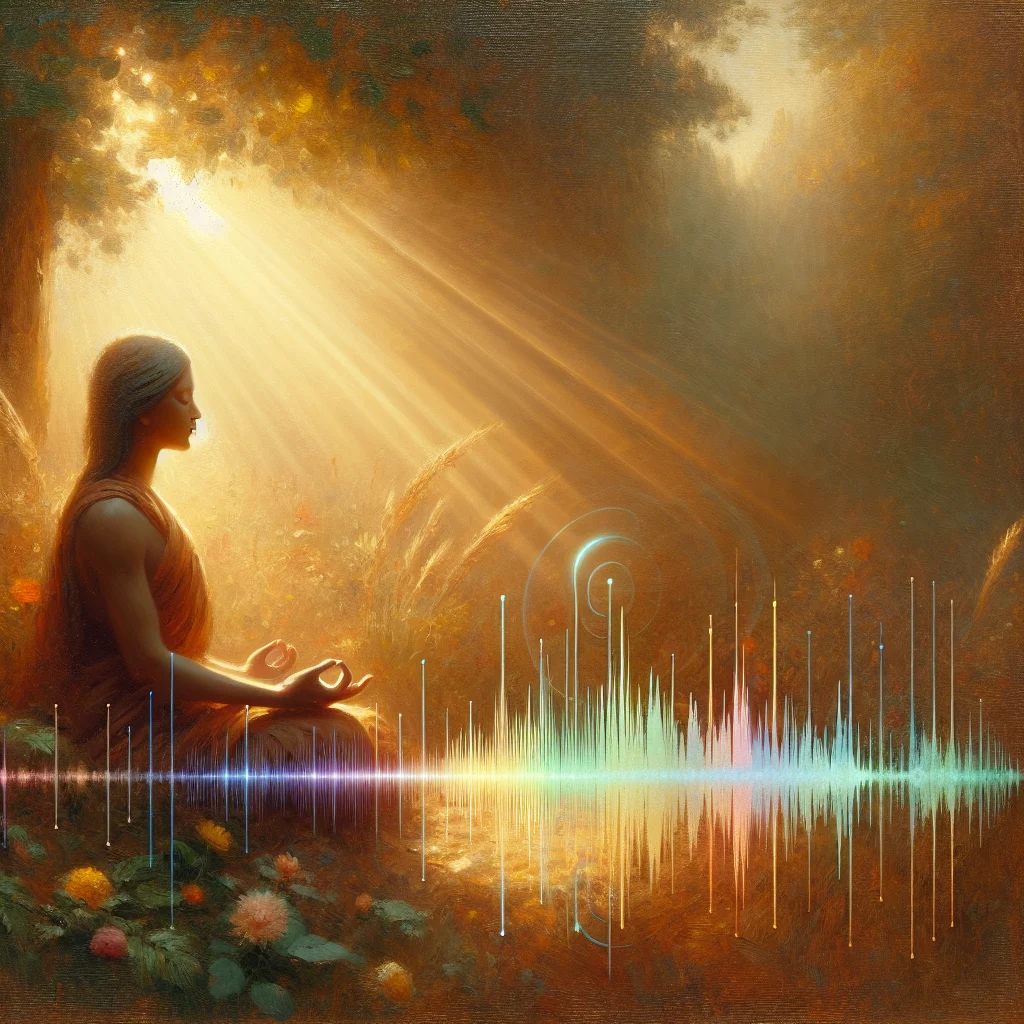
What Are Meditation Frequencies in Hz?
In simple terms, meditation frequencies in Hz (hertz) refer to specific sound vibrations or brainwave frequencies that influence our mental and emotional states. Our brains operate using electrical signals, which can be measured in cycles per second—also known as hertz. Meditation music often includes frequencies designed to guide the brain into desired states like deep relaxation, alert awareness, or elevated consciousness.
By listening to audio programmed with precise frequencies, we can support shifts in our brainwaves to enhance focus, boost creativity, calm anxiety, and even promote emotional healing.
How Our Brainwaves Respond
Depending on the frequency, our brain activity may slow down into a calm, dreamy state or speed up to enhance cognitive function. Here’s a quick breakdown of the main frequency bands associated with meditation:
- Delta (0.5–4 Hz): Associated with deep sleep and subconscious healing.
- Theta (4–8 Hz): Linked to deep meditation, intuition, and creativity.
- Alpha (8–14 Hz): Promotes calm and relaxed awareness; ideal for light meditation.
- Beta (14–30 Hz): Encourages alertness and active thinking—less commonly used in meditation.
- Gamma (30–100 Hz): Tied to higher states of consciousness and spiritual insight.
To learn more about the mechanisms behind mindfulness and awareness, take a look at Mindfulness and Living in the Moment.
The Science Behind Meditation Frequencies
While it may sound mystical, there’s scientific research backing the use of meditation frequency hz for therapeutic benefits. Frequencies like 528 Hz and 432 Hz have been shown to lower stress levels, increase emotional clarity, and boost feelings of well-being.
One popular method, known as binaural beats, uses slightly different tones in each ear to produce a perceived third tone in the brain. This technique gently entrains the brain to move toward a specific frequency range, making it an effective tool in meditation and personal growth.
Popular Meditation Frequencies and Their Effects
Here are some of the most commonly used meditation hz frequencies and what they are believed to help with:
- 396 Hz: Releases fear and guilt, grounding your energy.
- 417 Hz: Undoing negative situations and facilitating change.
- 432 Hz: Natural tuning of the universe; promotes harmony and emotional healing.
- 528 Hz: Known as the “love frequency”; said to repair DNA and instill feelings of peace.
- 639 Hz: Improves interpersonal relationships and communication.
- 741 Hz: Detoxifies the body and mind; increases awareness.
- 852 Hz: Awakens intuition and spiritual awareness.
Although personal experiences may vary, many people report profound changes in mood, clarity, and connection when integrating these frequencies into their meditation practice.
How to Use Frequencies in Your Daily Meditation
Incorporating these sound vibrations into your routine is easier than you might think. Whether you meditate in silence, with nature sounds, or guided sessions—there’s always a way to experiment and personalize your approach.
Spotify, YouTube, and Apps
You can easily find meditation tracks on platforms like Spotify or YouTube Meditation Morning mixes. Just search for specific Hz frequencies (e.g., “528 Hz meditation music”) and see which ones resonate with you.
Using Headphones for Binaural Beats
For meditation sessions that include binaural beats, use stereo headphones to ensure the distinct frequencies are accurately delivered to each ear. This setup allows your brain to synchronize and fine-tune itself to the desired mental state.
Create Your Own Frequency Experience
Feeling adventurous? There are even frequency generator apps and audio tools that let you blend and match frequencies. This way, you can create personalized soundscapes catered to your unique goals—whether that’s emotional balancing, deep relaxation, or mental focus.
For more inspiration on tailoring your mindfulness rituals, check out Forms of Mindfulness Explained.
Meditation Frequency Hz and Emotional Well-being
There’s growing interest in using sound frequency meditation as a complement to emotional therapy. Specific frequencies can help release trauma, ease anxiety, and lift chronic stress. Practicing regularly can lead to a rewiring of your thought patterns by promoting neuroplasticity.

Start small—experiment with a few tracks and observe how your emotions respond. Some people cry, others laugh. Some find insight, others simply fall into deep, healing rest. The key is consistency and curiosity. If you’re drawn to calming melodies or shimmering tone layers, trust that your body knows what it needs.
Final Thoughts: Choosing the Right Meditation Frequency for You
There’s no one-size-fits-all frequency. Some days you may gravitate toward grounding vibrations, while others you’ll seek uplifting, energetic tones. That’s the beauty of sound—it evolves with your own emotional landscape.
If you’re interested in diving deeper into sound-based mindfulness, or manifesting your inner dreams through energy alignment, Manifest Your Dreams: A Practical Guide to the Law of Attraction is an empowering next step.
Explore More
If you’re intrigued by how sound can shape your thoughts, emotions, and behaviors, the following articles offer a deeper dive:
- Meditation and Thinking: Quieting the Inner Chatter
- Examples of Mindfulness in Everyday Life
- Your Personal Mindfulness Journey Begins Here
Don’t forget to explore more related content in our Mindfulness & Meditation and Mental Health & Wellbeing categories.

