
In recent years, major media outlets like CNN have been spotlighting the slow living movement, bringing this intentional lifestyle philosophy into mainstream conversation. The concept of slow living—essentially, the practice of slowing down and being more present in daily life—has captured the attention of journalists, wellness experts, and everyday people seeking refuge from our increasingly frantic world.
CNN’s coverage of slow living reflects a broader cultural shift. More people are questioning whether constant productivity and speed truly lead to fulfillment. As a result, this lifestyle approach has moved from niche blogs to prominent news segments, indicating its growing relevance in modern society.
Understanding why slow living has gained such media attention can help us appreciate its value and apply its principles to our own lives. Let’s explore what CNN and other outlets are saying about this transformative approach to everyday existence.
Everyday Calm: A Beginner’s Guide to Daily Meditation

What Is Slow Living and Why Is CNN Covering It?
The slow living philosophy encourages individuals to prioritize quality over quantity, mindfulness over multitasking, and intention over impulse. Unlike what some might assume, it’s not about doing everything at a snail’s pace or abandoning ambition altogether.
Instead, slow living means making deliberate choices about how we spend our time and energy. For instance, it might involve cooking a meal from scratch rather than grabbing fast food, or taking a walk without your phone instead of scrolling through social media.
The Origins of Slow Living
The movement traces its roots to the Slow Food movement that began in Italy during the 1980s. Founded by Carlo Petrini, this initiative opposed the opening of a McDonald’s near the Spanish Steps in Rome. As documented by Wikipedia, Slow Food advocated for traditional cooking methods, local ingredients, and mindful eating.
Free Guided Meditation · Day 1
You Are Safe Right Now.
5 min · Breathwork & body scan · Stress release
Liked it? Get the full audio.
Enter your email and we'll send you the complete 5-minute meditation — free, straight to your inbox.
Zero spam. Unsubscribe anytime.
Check Your Inbox.
Your full 5-minute meditation is on its way. Open the email and hit play — your reset starts now.
Can't find it? Check your spam folder.
From there, the “slow” philosophy expanded into other areas of life. Carl Honoré’s influential work helped popularize the concept globally, showing how slowing down could improve everything from work performance to relationships.
Why Major News Outlets Like CNN Are Paying Attention
CNN’s interest in slow living isn’t accidental. The network has recognized several trends that make this topic newsworthy:
- Rising burnout rates: According to research, workplace stress and burnout have reached epidemic levels, particularly following the pandemic
- Mental health awareness: More people are openly discussing anxiety, depression, and the need for lifestyle changes
- Digital fatigue: Screen time and constant connectivity are prompting many to seek alternatives
- Environmental concerns: Slow living often aligns with sustainable practices, which resonates with eco-conscious audiences
Because of these factors, slow living has become a relevant story that connects with viewers’ lived experiences. Moreover, it offers practical solutions rather than just highlighting problems.
Key Themes in CNN’s Slow Living Coverage
When CNN and similar outlets discuss slow living, certain themes consistently emerge. These recurring topics reveal what aspects of the lifestyle resonate most with contemporary audiences.
Mindfulness and Mental Wellness
One central theme is the connection between slow living and mental health and wellbeing. News segments often feature experts explaining how intentional living can reduce anxiety and improve overall psychological health.
For example, practicing mindfulness—a core component of slow living—has been extensively studied. Research published by institutions like the National Institute of Mental Health confirms its benefits for stress reduction and emotional regulation.
Furthermore, slow living encourages us to create space for reflection. This practice allows us to process emotions rather than constantly pushing them aside in our rush to the next task.
Work-Life Balance in the Modern Era
Another prominent theme involves reconsidering our relationship with work. CNN’s coverage often highlights individuals who have stepped back from demanding careers or restructured their professional lives to align with slow living principles.
The pandemic accelerated conversations about remote work, flexible schedules, and whether traditional career paths still make sense. Consequently, slow living has become part of larger discussions about workplace culture and personal fulfillment.
These stories resonate because many people feel trapped on a treadmill of constant productivity. However, slow living suggests there might be another way—one that doesn’t require sacrificing everything for professional success.
Sustainable and Conscious Consumption
CNN’s reporting frequently connects slow living with environmental sustainability. When we slow down, we tend to consume less, choose quality over quantity, and consider the impact of our purchases.
This aspect appeals to viewers concerned about climate change and environmental degradation. In addition, it offers actionable steps individuals can take, which is refreshing in the face of overwhelming global challenges.
Slow living encourages practices like:
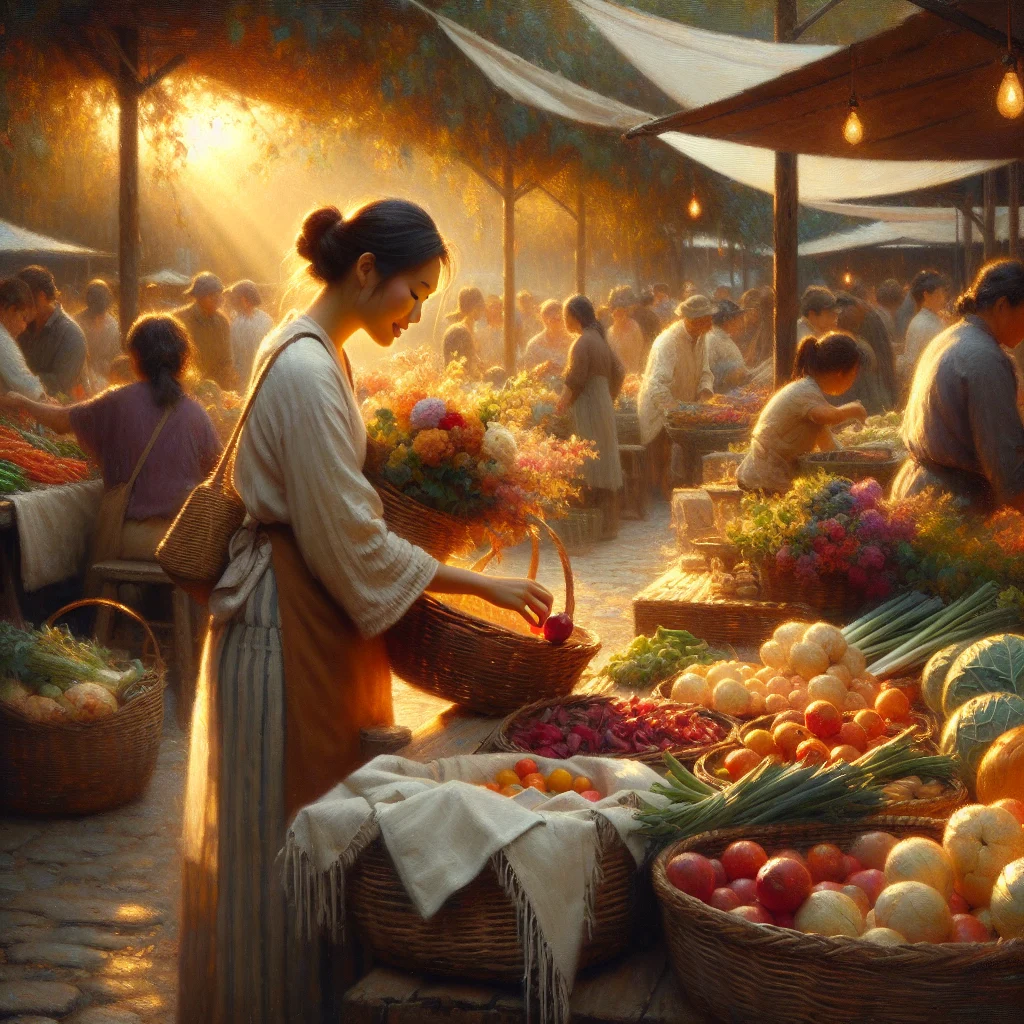
- Shopping at local farmers’ markets instead of large supermarkets
- Repairing items rather than immediately replacing them
- Choosing experiences over material possessions
- Supporting small, ethical businesses
Practical Slow Living Strategies Featured in Media Coverage
What makes CNN’s slow living content particularly valuable is its focus on practical implementation. Rather than presenting the lifestyle as an unattainable ideal, coverage often includes concrete suggestions anyone can try.
Starting Your Morning Intentionally
Many slow living advocates recommend beginning each day with purpose. Instead of immediately checking your phone, consider starting with a calming routine that sets a positive tone.
This might include meditation, journaling, or simply enjoying your coffee without distractions. As explored in resources like slow living explained, these small shifts can significantly impact your entire day.
Although it requires discipline at first, establishing a morning ritual becomes easier with practice. The key is consistency rather than perfection.
Creating Technology Boundaries
CNN’s coverage often addresses our complex relationship with technology. While digital tools offer tremendous benefits, they can also fragment our attention and increase stress levels.
Slow living encourages establishing healthy boundaries with devices. For instance, you might designate phone-free times during meals or before bed. Similarly, you could disable non-essential notifications that constantly pull your focus.
These boundaries help create mental space for deeper thinking and genuine connection with others. As a result, many people report feeling less overwhelmed and more present in their daily lives.
Simplifying Your Schedule
Another common recommendation involves examining your commitments critically. Many of us fill our calendars to the brim, leaving no room for spontaneity or rest.
Slow living suggests regularly evaluating your obligations and saying no to activities that don’t align with your values. This concept, sometimes called “essentialism,” helps you focus energy on what truly matters.
While declining invitations or stepping back from committees can feel uncomfortable initially, it creates space for more meaningful engagement with your chosen priorities. Therefore, less can genuinely become more.
The Slow Living Wellness Connection
CNN and other outlets frequently highlight the wellness dimensions of slow living. This lifestyle naturally intersects with physical health, emotional balance, and spiritual growth.
Physical Health Benefits
When we slow down, we often make better choices for our bodies. Slow living wellness practices might include preparing nutritious meals, getting adequate sleep, and engaging in gentle movement like walking or yoga.
Research consistently shows that chronic stress negatively impacts physical health. By contrast, slow living’s emphasis on relaxation and balance can support better immune function, lower blood pressure, and improved digestion.
Moreover, when we’re not constantly rushing, we’re more likely to notice what our bodies need. This increased awareness can lead to addressing health concerns earlier and treating ourselves with greater compassion.
Emotional and Spiritual Dimensions
Beyond physical wellness, slow living supports spiritual and inner work. The lifestyle creates opportunities for self-reflection, connection with nature, and exploration of life’s deeper questions.
Many people discover that when they stop filling every moment with activity, they encounter parts of themselves they’d been avoiding. Although this can be challenging, it’s also where significant growth occurs.
Furthermore, slow living encourages gratitude and appreciation for simple pleasures. These practices, well-documented in positive psychology research, contribute to greater life satisfaction and resilience during difficult times.
Common Misconceptions About Slow Living
Despite increasing media coverage, several misconceptions about slow living persist. CNN’s reporting occasionally addresses these misunderstandings, helping clarify what the lifestyle truly entails.
Myth: Slow Living Means Being Lazy
Perhaps the most common misconception is that slow living equals laziness or lack of ambition. In reality, it’s about intentionality rather than inactivity.
People practicing slow living often accomplish significant things. However, they’re selective about their commitments and approach tasks with greater focus. Because they’re not constantly multitasking, their work may actually be higher quality.
The distinction lies in choosing purposeful action over frantic busyness. Therefore, slow living can coexist with productivity—it simply redefines what productivity means.
Myth: You Need Money or Privilege to Practice Slow Living
Another misconception is that slow living requires financial resources or certain lifestyle privileges. While some aspects of the movement have been marketed to affluent audiences, its core principles are accessible to everyone.
Slow living is fundamentally about mindset and choices within your current circumstances. For example, savoring your morning tea costs nothing, nor does taking a different route home to notice your surroundings.
In fact, slow living often reduces expenses by encouraging less consumption and greater appreciation for what you already have. Consequently, it can be particularly valuable for people navigating financial constraints.
Myth: Slow Living Requires Moving to the Countryside
Media coverage sometimes perpetuates the idea that slow living necessitates relocating to a rural area. While countryside living appeals to some, you can absolutely practice slow living in urban environments.
City dwellers might create slow living moments by visiting parks, supporting neighborhood businesses, or cultivating relationships with nearby residents. The Orford slow living market concept demonstrates how communities can foster these values regardless of location.
What matters most is your approach to daily life rather than your zip code. Thus, slow living adapts to diverse settings and circumstances.
Slow Living for Different Demographics
CNN’s coverage recognizes that slow living isn’t one-size-fits-all. Different groups may approach the lifestyle in unique ways that reflect their particular needs and challenges.
Slow Living for Families
Parents often feel especially overwhelmed by competing demands on their time. Natural family wellness approaches incorporating slow living principles can help families create more meaningful time together.
This might involve establishing screen-free evenings, cooking meals together, or prioritizing unstructured play over scheduled activities. Although it requires bucking cultural norms around intensive parenting, many families find it reduces stress for both parents and children.
Additionally, modeling slow living teaches children valuable lessons about balance, presence, and self-care that will serve them throughout their lives.
Slow Living for Men
Traditional masculinity often emphasizes constant achievement and emotional suppression. However, slow living for men offers an alternative framework that honors vulnerability and holistic wellbeing.
Men embracing slow living report feeling more connected to their emotions, relationships, and sense of purpose. Because societal expectations around male productivity are particularly intense, slow living can be especially liberating for men willing to challenge these norms.
Furthermore, slow living addresses men’s health issues that often stem from chronic stress, including cardiovascular problems and mental health challenges.
Slow Living in Professional Contexts
Interestingly, some companies are exploring how slow living principles might improve workplace culture. CNN has featured businesses implementing policies like no-meeting days, flexible scheduling, or encouraging employees to disconnect outside work hours.
These organizations recognize that burned-out employees aren’t productive or creative. By contrast, workers who feel balanced and supported tend to perform better and stay with companies longer.
While systemic workplace changes remain limited, individual professionals can still incorporate slow living elements into their careers. This might mean negotiating remote work arrangements, setting clearer boundaries, or redefining career success on their own terms.
Resources for Deepening Your Slow Living Practice
If CNN’s slow living coverage has sparked your interest, numerous resources can help you explore this lifestyle further. Building knowledge through multiple sources enriches your understanding and provides diverse perspectives.
Books and Written Resources
Reading remains one of the best ways to deeply engage with slow living philosophy. Books on slow living offer comprehensive frameworks, personal stories, and practical guidance.
Consider starting with foundational texts that explain the movement’s history and principles. Then, explore more specialized books addressing specific interests like slow parenting, slow fashion, or slow travel.
Because reading itself is a slow activity that requires focus and presence, it perfectly embodies the lifestyle it describes. Therefore, the medium reinforces the message.
Online Communities and Support
Finding others interested in slow living can provide encouragement and accountability. Online communities, local meetups, and social media groups connect people exploring this lifestyle together.
These spaces allow you to share challenges, celebrate successes, and learn from others’ experiences. Moreover, they remind you that you’re not alone in questioning mainstream cultural values around speed and productivity.
While maintaining boundaries with digital platforms remains important, using technology intentionally to support your slow living practice demonstrates the lifestyle’s flexibility and nuance.
Holistic Living and Related Practices
Slow living naturally connects with broader holistic living approaches. Exploring complementary practices like minimalism, mindfulness meditation, or sustainable living can deepen your experience.
For instance, understanding how emotional healing relates to physical symptoms adds another dimension to slow living’s wellness benefits. Similarly, exploring natural health and wellness approaches aligns with slow living’s emphasis on simplicity and authenticity.
These interconnected practices support each other, creating a comprehensive lifestyle framework rather than isolated techniques. Consequently, your slow living journey may lead you toward unexpected areas of growth and discovery.
Implementing Slow Living: Starting Today
After learning about slow living through CNN or other sources, you might wonder how to actually begin. The good news is that slow living doesn’t require dramatic overnight changes or perfect execution.
Begin With Small, Sustainable Changes
Ironically, rushing into slow living defeats its purpose. Instead, identify one or two small practices you can realistically maintain. This might be as simple as eating one meal per day without screens or taking five minutes each morning for quiet reflection.
As these practices become habitual, gradually add others that resonate with you. Because slow living emphasizes personal authenticity, your practice should reflect your unique values and circumstances rather than mimicking someone else’s approach.
Furthermore, expect setbacks and imperfection. Slow living isn’t about rigid rules but rather gentle, consistent movement toward greater intentionality.
Regular Reflection and Adjustment
Periodically assess what’s working and what isn’t. Slow living evolves as your life circumstances change, so flexibility matters more than adherence to specific practices.
You might keep a journal to track observations about your experiences with slow living. Over time, patterns emerge revealing what truly supports your wellbeing versus what you’re doing because it seems like you “should.”
This reflective practice itself embodies slow living by creating space for self-awareness and thoughtful decision-making. Therefore, the process of implementing slow living reinforces its core principles.
Extending Compassion to Yourself
Perhaps most importantly, approach slow living with self-compassion rather than self-judgment. Modern life presents genuine challenges to slowing down, and you’ll inevitably have days when you feel rushed and overwhelmed.
Rather than viewing these moments as failures, treat them as information about what needs attention. Maybe your schedule truly is unsustainable and requires restructuring, or perhaps you simply need better stress management tools.
Slow living invites us to treat ourselves with the same gentleness and patience we extend to others. In this way, it becomes not just a lifestyle but a practice of self-love and acceptance.
The Self-Love Reset: A Journey to Rediscover Yourself
The Future of Slow Living in Mainstream Media
As CNN and other outlets continue covering slow living, the movement’s influence will likely expand. However, increased visibility also brings risks of commercialization and dilution of core principles.
Opportunities for Broader Impact
Mainstream media attention helps normalize alternative approaches to living. When major networks validate slow living, they give permission to people who’ve felt pressured to constantly do more, achieve more, and be more.
This visibility can also influence institutional policies. For example, coverage of slow living might contribute to conversations about work hours, parental leave, or urban planning that prioritizes green space and community connection.
Additionally, diverse voices within the slow living movement are increasingly being heard. This expansion enriches the conversation by acknowledging different cultural perspectives and socioeconomic realities.
Challenges to Maintain Authenticity
Nevertheless, as slow living becomes trendy, there’s danger it will be reduced to superficial aesthetics or marketed as another thing to purchase. Ironically, consumerist versions of slow living contradict its fundamental values.
Critical engagement with media coverage helps distinguish authentic slow living content from marketing disguised as journalism. Ask yourself whether the coverage emphasizes internal shifts and behavioral changes or primarily features products to buy.
True slow living is accessible and anti-consumerist at its core. Therefore, coverage that emphasizes expensive goods or exclusive experiences may miss the movement’s essential spirit.
Conclusion: Embracing the Slow Living Journey
CNN’s coverage of slow living reflects growing recognition that our culture’s obsession with speed and productivity comes at a significant cost. Whether you discovered slow living through news media or other sources, the principles offer a compelling alternative to constant overwhelm.
Remember that slow living is a journey rather than a destination. There’s no perfect way to practice it, and your approach will naturally evolve over time. What matters most is the consistent intention to live more mindfully, authentically, and deliberately.
As you explore this lifestyle, extend patience to yourself and curiosity about what works for your unique circumstances. Slow living invites us to step off the treadmill of constant doing and rediscover the richness available in simply being.
The fact that mainstream outlets are now discussing these ideas suggests a cultural moment ripe for transformation. By engaging with slow living—however imperfectly—you participate in a broader movement toward more sustainable, humane, and fulfilling ways of living.
Silence the Chaos in Your Head —
in 5 Minutes Flat.
Get instant access to a free guided meditation audio that rewires your nervous system for calm, kills anxiety at the root, and resets your entire day — no experience needed.
- Instantly drop cortisol levels — feel the shift before the 5 minutes is up
- Unlock razor-sharp focus — designed for high-achievers who can't afford brain fog
- Break the anxiety loop for good — a repeatable reset, every single morning
- 100% free, zero fluff — no apps, no subscriptions, just results
You're In.
Check Your Inbox.
Your free 5-minute guided meditation is on its way.
Open the email and hit play — your first reset starts now.
Can't find it? Check spam and mark us as safe.

