
The Orford Slow Living Market represents more than just a shopping destination—it’s a celebration of mindful consumption, local craftsmanship, and community connection. Nestled in the charming village of Orford, this market embodies the principles of slow living by encouraging visitors to pause, appreciate quality over quantity, and support artisans who pour their heart into every creation. In a world dominated by fast fashion and mass production, markets like this offer a refreshing alternative that aligns with intentional living and sustainable values.
For those unfamiliar with the concept, slow living explained helps us understand why these markets have become increasingly popular. They provide spaces where we can reconnect with what truly matters: authentic experiences, meaningful purchases, and relationships with the people behind the products.
If you’re looking to embrace these principles in your daily routine, consider exploring Everyday Calm: A Beginner’s Guide to Daily Meditation to complement your mindful lifestyle choices.
What Makes the Orford Slow Living Market Special
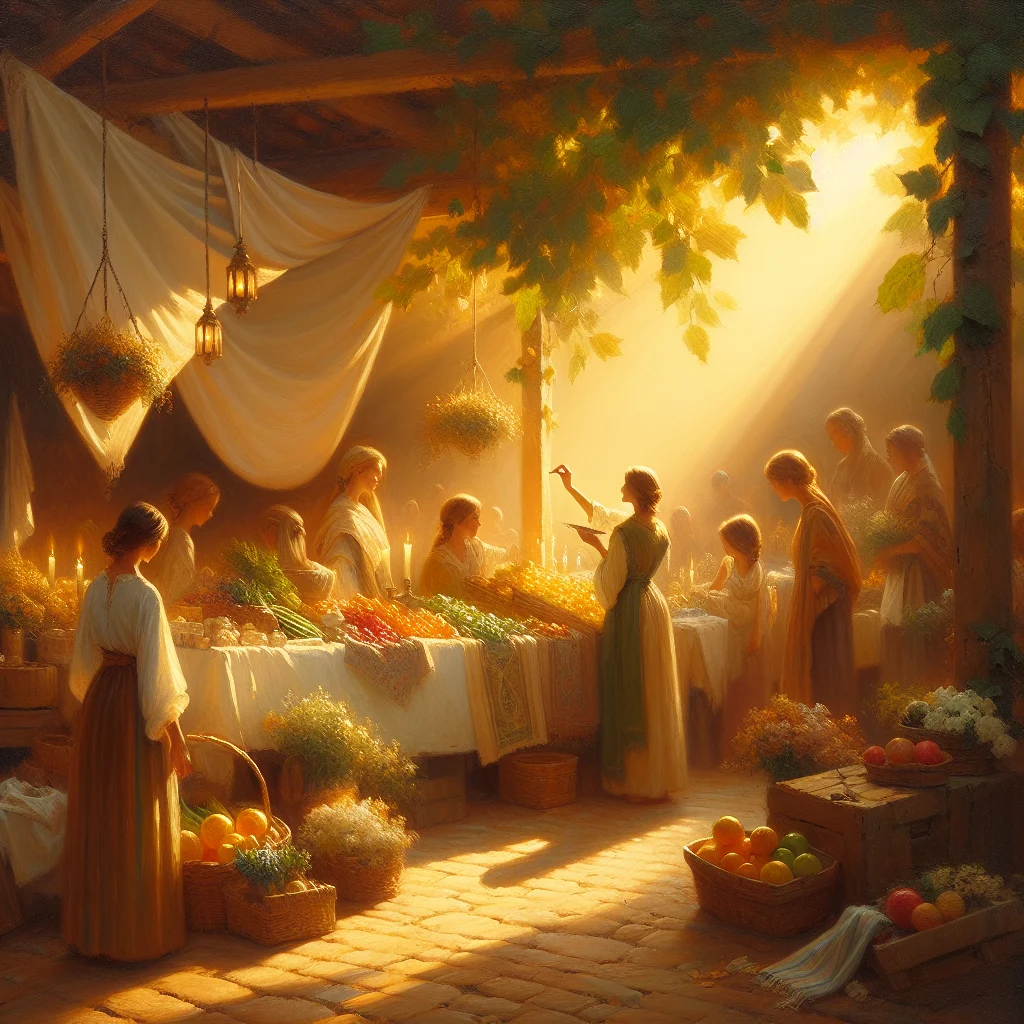
The beauty of the Orford Slow Living Market lies in its commitment to authenticity. Unlike typical markets that prioritize volume and speed, this gathering focuses on quality craftsmanship, sustainable practices, and genuine human connection. Vendors are carefully selected based on their dedication to traditional methods, ethical sourcing, and environmental responsibility.
Every stall tells a story. When you purchase a handwoven basket or organic honey, you’re not just buying a product—you’re supporting someone’s livelihood and preserving traditional skills. This connection between maker and buyer creates a sense of community that’s increasingly rare in our digital age.
The Philosophy Behind Slow Markets
Slow markets emerged as a counter-movement to consumer culture’s relentless pace. They draw inspiration from the Slow Movement, which originated in Italy during the 1980s. The philosophy emphasizes quality, sustainability, and mindful consumption over speed and convenience.
At Orford Slow Living Market, this philosophy manifests in several ways. Vendors prioritize small-batch production, ensuring each item receives proper attention and care. Additionally, many sellers use locally sourced materials, reducing environmental impact while supporting regional economies.

What You’ll Find at Orford Slow Living Market
The variety at this market reflects the diverse talents within the community. However, everything shares a common thread: intentionality and craftsmanship. Let’s explore what awaits visitors who embrace this mindful shopping experience.
Handcrafted Goods and Artisan Products
Handmade textiles often feature prominently at the market. Local weavers, knitters, and seamstresses showcase items created through traditional techniques passed down through generations. These pieces carry character and uniqueness impossible to replicate in factory settings.
Pottery and ceramics represent another cornerstone of the market. Because each piece is individually crafted, no two items are exactly alike. The slight variations in glaze and form remind us of the human touch behind every creation.
Woodworkers display functional art ranging from cutting boards to furniture. These craftspeople often source timber from sustainably managed forests, ensuring their work doesn’t contribute to deforestation. Furthermore, they frequently use natural finishes free from harmful chemicals.
Local Food and Organic Produce
The market’s food section celebrates regional flavors and seasonal eating. Organic farmers bring fresh vegetables and fruits harvested at peak ripeness, offering superior taste and nutritional value compared to supermarket alternatives transported long distances.
Artisan bakers provide bread made with heritage grains and natural fermentation processes. Similarly, local honey producers offer varieties that reflect the specific flora of the surrounding countryside. These foods connect consumers to the landscape in tangible ways.
- Seasonal vegetables grown without synthetic pesticides
- Artisan cheeses from small-scale dairy producers
- Preserves and pickles made in small batches
- Freshly baked goods using traditional methods
- Local honey and bee products
Natural Wellness Products
In alignment with natural health wellness principles, many vendors offer products designed to support holistic wellbeing. Herbal remedies, essential oils, and natural skincare products feature ingredients harvested responsibly from gardens and wild spaces.
These items appeal to those seeking alternatives to commercial products laden with synthetic ingredients. Because they’re made in small quantities, creators can ensure freshness and potency while maintaining rigorous quality standards.
The Community Aspect of Orford Slow Living Market
Beyond commerce, the market serves as a vital community gathering space. It provides opportunities for neighbors to reconnect, share stories, and strengthen social bonds that modern life often erodes. In this sense, the market functions as much as a social institution as a commercial one.
Regular visitors develop relationships with vendors, learning about their processes and challenges. This transparency builds trust and appreciation for the work involved in creating quality products. Consequently, shoppers become more conscious consumers who value craftsmanship appropriately.
Educational Opportunities and Workshops
Many markets, including Orford’s, incorporate educational elements. Vendors often demonstrate their techniques, allowing visitors to observe traditional crafts firsthand. Some organize workshops where participants can try activities like pottery throwing, natural dyeing, or bread baking.
These experiences foster deeper appreciation for handmade goods. After attempting to create something yourself, you understand the skill and time required. As a result, the prices of artisan products begin to seem more reasonable when you recognize the labor they represent.
How Orford Slow Living Market Supports Sustainability
Environmental consciousness permeates every aspect of the market’s operation. From vendor selection to waste management, organizers prioritize sustainability. This commitment makes the market an exemplar of how commerce can operate in harmony with ecological principles.
Reducing Transportation Emissions
By focusing on local vendors, the market dramatically reduces the carbon footprint associated with product transportation. Most items travel only a few miles rather than crossing continents. This localization represents a significant environmental benefit compared to conventional retail supply chains.
Moreover, encouraging local production reduces dependence on fossil fuels and supports regional self-sufficiency. When communities produce more of what they consume locally, they become more resilient to global supply chain disruptions.
Minimizing Packaging Waste
The market encourages shoppers to bring reusable bags and containers. Many vendors sell products unpackaged or in minimal, biodegradable wrapping. This approach contrasts sharply with supermarkets where even organic produce often comes wrapped in plastic.
Some vendors offer refill stations for products like honey, oils, and cleaning supplies. Customers can return with the same container repeatedly, eliminating packaging waste entirely. These practices demonstrate how small changes can significantly reduce environmental impact.
Incorporating Market Philosophy Into Daily Life
Visiting the Orford Slow Living Market can inspire broader lifestyle changes. The principles observed there—mindfulness, quality, and sustainability—translate beautifully into everyday decisions. Let’s explore how to carry this ethos beyond market day.
Mindful Purchasing Decisions
The market teaches us to consider each purchase carefully. Instead of impulse buying, we learn to ask questions: Do I need this? Who made it? What materials were used? How long will it last? This intentional living approach helps us consume less while appreciating more.
Quality items typically cost more initially but provide better value long-term. A well-made wooden spoon might cost five times more than a plastic one, yet it could last decades instead of months. Therefore, investing in quality actually saves money while reducing waste.
Supporting Local Economies
When you buy from local artisans, more money stays within your community. Small businesses typically purchase supplies locally, creating a multiplier effect. In contrast, money spent at chain stores often leaves the region, benefiting distant shareholders rather than neighbors.
This economic localization strengthens communities in numerous ways. Local businesses sponsor youth sports teams, support schools, and contribute to community events. They provide employment opportunities and mentor the next generation of craftspeople.
Planning Your Visit to Orford Slow Living Market
To make the most of your market experience, some preparation helps. Understanding what to expect and how to engage with vendors enhances enjoyment and ensures you don’t miss hidden treasures.
Best Times to Visit
Most slow living markets operate seasonally or monthly rather than daily. Check the official Visit England website or local tourism boards for specific dates and times. Early arrival often provides access to the best selection, though arriving later might offer opportunities to negotiate as vendors prepare to pack up.
Weather considerations matter for outdoor markets. Dress appropriately and bring rain protection if forecasts suggest unsettled conditions. However, don’t let questionable weather deter you—vendors who brave the elements often appreciate dedicated customers who show up regardless.
What to Bring
Come prepared with reusable shopping bags in various sizes. Bring a cooler if you plan to purchase fresh or frozen items. Cash remains important as not all vendors accept cards, though this varies by market.
Consider bringing a notebook or using your phone to record vendor names and products you’re interested in. Many artisans take custom orders, so collecting contact information allows you to commission specific items later.
- Reusable bags and containers for packaging-free purchases
- Sufficient cash in various denominations
- Cooler or insulated bag for perishable items
- Notebook for recording vendor information
- Water bottle and snacks for longer visits
The Connection Between Slow Living Markets and Personal Wellbeing
Participating in slow living markets offers benefits beyond acquiring quality products. The experience itself contributes to mental health and wellbeing through several mechanisms that modern research increasingly recognizes.
Reducing Consumer Anxiety
The overwhelming choice in conventional retail environments can trigger decision fatigue and anxiety. In contrast, slow living markets offer curated selections that simplify decision-making. Because vendors personally vouch for their products’ quality, you can shop with greater confidence and less stress.
Furthermore, the human interaction inherent in market shopping combats the isolation many experience in self-service retail environments. Brief conversations with vendors provide social connection that nourishes mental health, even for introverts who might find extensive socializing draining.
Fostering Gratitude and Appreciation
When you understand the work behind each item, gratitude naturally follows. This appreciation extends beyond purchases to influence how we care for possessions. Items bought mindfully tend to receive better treatment, lasting longer and providing more satisfaction.
Research in holistic living suggests that gratitude practices improve overall wellbeing. Markets that connect us with makers and processes essentially provide built-in gratitude training, enriching our lives in ways that transcend material acquisition.
Orford’s Role in the Broader Slow Living Movement
The Orford Slow Living Market doesn’t exist in isolation. It represents part of a global movement reimagining how communities can organize commerce, relationships, and daily life. Understanding this context helps appreciate its significance beyond the local level.
Similar markets have emerged worldwide, from farmers’ markets in California to artisan fairs in Japan. Each adapts slow living principles to local culture and needs, yet all share common values. This international network demonstrates widespread dissatisfaction with conventional consumer culture and hunger for alternatives.
Learning from Slow Living Pioneers
Thought leaders like Carl Honoré have articulated why slowing down improves quality of life. His work documents how speed obsession degrades experiences across domains from work to parenting. Slow living markets embody his insights by creating spaces where hurry has no place.
These spaces prove that alternative economic models remain viable. They demonstrate that commerce needn’t prioritize profit maximization above all else. Instead, markets can balance economic sustainability with environmental stewardship and community wellbeing.
Challenges and Future of Slow Living Markets
Despite their benefits, slow living markets face challenges. Understanding these obstacles helps supporters advocate effectively and ensures these valuable institutions survive and thrive.
Economic Pressures and Vendor Sustainability
Artisans often struggle to price products competitively while earning livable wages. Handmade items require significantly more time than mass-produced alternatives, creating inherent cost differences. Educating consumers about these realities remains crucial for market viability.
Additionally, vendors need consistent income streams. Markets operating only monthly or seasonally may not provide sufficient revenue. Therefore, successful vendors typically maintain multiple sales channels including online shops and wholesale arrangements.
Reaching Younger Generations
Ensuring slow living markets appeal to younger shoppers secures their future. While these events attract many older participants, engaging millennials and Gen Z requires adapting to their preferences and communication styles.
Social media provides powerful tools for reaching younger audiences. Markets with strong Instagram presences showcasing beautiful products and vibrant atmospheres tend to attract diverse age groups. However, online promotion must be balanced with the authentic, unplugged experience that defines slow living.
Embracing Slow Living Beyond the Market
The principles observed at Orford Slow Living Market extend far beyond shopping. They offer a template for restructuring various life aspects to prioritize quality, connection, and sustainability. Applying these lessons transforms not just what we buy but how we live.
Consider adopting similar mindfulness in other domains. Slow food emphasizes cooking from scratch with seasonal ingredients. Slow fashion involves building capsule wardrobes of quality pieces rather than chasing trends. Slow parenting prioritizes unstructured play over scheduled activities.
These practices share a common thread: intentionality. By consciously choosing how we spend time and resources, we reclaim agency from the cultural forces pushing constant acceleration. As a result, life becomes richer, more meaningful, and ultimately more satisfying.
For those seeking to deepen their practice of mindful living, resources like Manifest Your Dreams: A Practical Guide to the Law of Attraction can help align your daily choices with your deepest values and aspirations.
Creating Your Own Slow Living Practice
You don’t need to wait for market day to incorporate slow living principles. Small daily practices can transform your relationship with consumption and community. Start with manageable changes that align with your circumstances and gradually expand as they become habitual.
Simple Daily Practices
Begin each morning without immediately checking your phone. Instead, spend a few minutes in quiet reflection or gentle stretching. This small act sets a mindful tone for the entire day, helping you approach tasks with greater presence.
When making purchases, implement a waiting period. If you see something you want, wait 24 hours before buying. Often, the impulse fades, revealing it wasn’t needed. When desire persists, you can purchase with confidence, knowing it’s a considered decision rather than impulse.
Cook at least one meal from scratch weekly, preferably with local ingredients. Even if you’re not an experienced cook, simple dishes like roasted vegetables or homemade soup connect you with food’s origins. Moreover, cooking provides meditative qualities that benefit mental health.
Building Community Connections
Seek opportunities to know your neighbors. Attend community events, join local groups, or simply chat with people you encounter regularly. These relationships create support networks that enhance resilience and life satisfaction.
Consider starting or joining a skill-sharing group. Members teach each other practical abilities like preserving food, basic carpentry, or garment repair. These exchanges build community while reducing dependence on commercial services for basic needs.
Conclusion: The Lasting Impact of Slow Living Markets
The Orford Slow Living Market represents more than a charming weekend activity. It embodies a philosophical approach to living that challenges predominant cultural assumptions about consumption, community, and success. By supporting such markets, we vote with our wallets for the kind of world we want to inhabit.
These gatherings remind us that economics can serve humanity rather than dominating it. They demonstrate that quality of life improves when we prioritize meaningful experiences over material accumulation. Most importantly, they prove that alternatives to mainstream consumer culture not only exist but thrive when given support.
As you explore slow living markets like Orford’s, pay attention to how they make you feel. Notice the pace, the interactions, and the satisfaction of purchases made consciously. Then consider how to carry those feelings into daily life, creating your own version of slow living that honors your values and circumstances.
Whether you’re just beginning your journey toward more intentional living or you’re a seasoned practitioner, resources like The Self-Love Reset: A Journey to Rediscover Yourself can provide guidance and inspiration. The path of slow living ultimately leads inward, helping us reconnect with our authentic selves beneath the noise of modern life.
The Orford Slow Living Market awaits your visit. When you go, bring an open heart, reusable bags, and curiosity. You’ll likely return home with more than products—you’ll carry the seed of a different way of being, one that might just transform how you move through the world.

