
In a world where everything moves at lightning speed, slow living recipes offer a refreshing antidote to the hustle culture that dominates our kitchens. These aren’t just meals—they’re meditative experiences that transform cooking from a rushed chore into a peaceful ritual. By embracing slow cooking methods and mindful preparation, we reconnect with our food, our bodies, and the simple pleasure of nourishing ourselves.
The philosophy behind slow living recipes extends far beyond the plate. It’s about savoring each moment, appreciating the journey as much as the destination, and choosing quality over convenience. Whether you’re kneading bread dough by hand or letting a stew simmer for hours, these practices invite you to slow down and truly inhabit the present moment.
If you’re ready to transform your relationship with cooking and eating, exploring resources like Everyday Calm: A Beginner’s Guide to Daily Meditation can complement your journey toward a more intentional lifestyle in the kitchen and beyond.

Understanding the Philosophy Behind Slow Living Recipes
The concept of slow living recipes emerged from the Slow Food movement, which began in Italy during the 1980s as a response to fast food culture. However, this approach to cooking goes deeper than simply opposing convenience foods. It represents a complete shift in how we view our relationship with nourishment.
At its core, slow living cooking embraces several key principles. First, it prioritizes seasonal and local ingredients, connecting us to the rhythms of nature and our regional food systems. Additionally, it values traditional cooking methods that have been passed down through generations, preserving culinary heritage while creating deeper flavors.
The Mental Health Benefits of Slow Cooking
Research consistently shows that mindful cooking practices reduce stress and anxiety. When we practice slow living in the kitchen, we engage multiple senses simultaneously—the texture of ingredients, aromatic herbs, bubbling sounds, and vibrant colors. This sensory engagement naturally anchors us in the present moment, similar to formal mindfulness and meditation practices.
Furthermore, the repetitive motions involved in slow cooking—stirring, chopping, kneading—can induce a meditative state. These activities allow our minds to wander productively while our hands stay busy, often leading to creative insights and emotional processing. Because of this, many people find cooking from scratch to be genuinely therapeutic.
Free Guided Meditation · Day 1
You Are Safe Right Now.
5 min · Breathwork & body scan · Stress release
Liked it? Get the full audio.
Enter your email and we'll send you the complete 5-minute meditation — free, straight to your inbox.
Zero spam. Unsubscribe anytime.
Check Your Inbox.
Your full 5-minute meditation is on its way. Open the email and hit play — your reset starts now.
Can't find it? Check your spam folder.
Environmental and Social Impacts
Slow living recipes naturally align with sustainable practices. By choosing whole ingredients over processed foods, we reduce packaging waste and our carbon footprint. Moreover, shopping at farmers’ markets and supporting local producers strengthens community bonds and keeps money circulating within local economies.
The social aspect of slow cooking shouldn’t be underestimated either. When meals take time to prepare, they become events worth gathering around. Family members might join in the preparation, sharing stories while peeling vegetables or setting the table. Consequently, slow cooking becomes a vehicle for strengthening relationships and creating lasting memories.
Essential Slow Living Recipes to Transform Your Kitchen
Starting your journey with slow living recipes doesn’t require professional skills or expensive equipment. Instead, it calls for patience, presence, and a willingness to let food develop at its own pace. Below are foundational recipes that embody the slow living philosophy while delivering exceptional flavor and nourishment.
Overnight Sourdough Bread
Few things exemplify slow cooking better than sourdough bread. The process spans several days, beginning with nurturing a living starter culture and culminating in a crusty, tangy loaf that bears little resemblance to store-bought bread. The extended fermentation breaks down gluten and phytic acid, making the bread more digestible and nutritious.
Creating sourdough requires minimal active work—most of the time, the dough simply rests while wild yeasts work their magic. However, the process demands attention and responsiveness to the dough’s changing texture and aroma. This back-and-forth dialogue between baker and bread represents the essence of slow living cooking.
- Active time: 30 minutes spread across 2-3 days
- Passive time: 24-72 hours
- Key ingredients: Flour, water, salt, sourdough starter
- Special equipment: Dutch oven (optional but recommended)
Long-Simmered Bone Broth
Bone broth has nourished humans for millennia, extracting minerals, collagen, and amino acids from bones through extended cooking. This ancient recipe transforms something typically discarded into liquid gold packed with health benefits. In addition to being economical, bone broth represents zero-waste cooking at its finest.
The slow simmering process—ideally 24-48 hours—allows time for reflection and other activities. Many practitioners of slow living activities appreciate having broth bubbling on the stove, filling their home with comforting aromas while they read, work, or rest.
- Roast bones with vegetables at 400°F for 30 minutes
- Transfer to a large stockpot with water and apple cider vinegar
- Bring to a gentle simmer, never allowing it to boil vigorously
- Maintain low heat for 24-48 hours, adding water as needed
- Strain, cool, and refrigerate or freeze in portions
Slow-Roasted Tomato Sauce
While jarred tomato sauce offers convenience, homemade versions created using slow living recipes deliver incomparable depth and satisfaction. This recipe capitalizes on seasonal tomatoes, transforming them through gentle, prolonged heat into a concentrated sauce that tastes like summer preserved in a jar.
The slow roasting process caramelizes natural sugars in the tomatoes while evaporating excess moisture. As a result, you’ll need no added sugar to balance acidity—the time in the oven does that work naturally. This technique works beautifully with slightly overripe tomatoes, preventing food waste while creating something delicious.
Simply halve ripe tomatoes, arrange cut-side up on baking sheets, drizzle with olive oil, sprinkle with salt, and roast at 250°F for 3-4 hours. The tomatoes will shrivel and concentrate, developing sweet-savory complexity. Afterward, blend them with fresh basil, garlic, and additional olive oil for a sauce that needs nothing more.
Seasonal Slow Living Recipes Throughout the Year
One of the most rewarding aspects of slow living recipes is their natural alignment with seasonal rhythms. Rather than fighting against nature by seeking strawberries in December, slow cooks celebrate what’s abundant and fresh during each season. This approach not only improves flavor and nutrition but also reconnects us with cyclical time.
Spring: Fermented Vegetables
Spring’s tender vegetables—asparagus, radishes, spring onions—lend themselves beautifully to lacto-fermentation. This ancient preservation technique requires only vegetables, salt, and time. The beneficial bacteria naturally present on vegetables transform them into probiotic-rich foods that support gut health.
Creating ferments is remarkably simple, though patience is essential. Submerge chopped vegetables in a salt-water brine, keep them below the liquid surface, and wait 3-10 days while fermentation occurs. Because the process happens at room temperature, you can observe the transformation—bubbles rising, colors shifting, and flavors developing complexity.
Summer: Sun Tea and Cold Brew Coffee
Summer invites us to harness natural warmth for beverage preparation. Sun tea epitomizes slow living—simply place tea bags in water, set the jar in sunlight, and let solar energy gently extract flavors over 3-4 hours. The result is smooth, never bitter, with a subtle sweetness that hot-brewed tea rarely achieves.
Similarly, cold brew coffee uses time instead of heat to extract caffeine and flavor compounds. Steeping coarse-ground coffee in cold water for 12-24 hours produces a concentrate that’s less acidic and more naturally sweet than hot-brewed coffee. These methods align perfectly with the holistic living approach to daily rituals.
Autumn: Slow-Cooked Grains and Legumes
As temperatures cool, heartier ingredients take center stage. Whole grains like farro, barley, and wheat berries benefit tremendously from slow cooking methods. Soaking them overnight, then simmering gently for 45-90 minutes, transforms these nutritious seeds into tender, nutty additions to salads, soups, and grain bowls.
Legumes similarly reward patience. While canned beans offer convenience, cooking dried beans from scratch yields superior texture and flavor. Moreover, the cooking liquid—known as pot liquor—becomes a flavorful base for soups and stews, capturing nutrients that would otherwise be discarded.
Winter: Braised Meats and Root Vegetables
Winter calls for warming, substantial meals that fill the home with comforting aromas. Braising—searing meat, then cooking it slowly in liquid—transforms tough cuts into fork-tender delicacies. A chuck roast or lamb shoulder that might seem unpromising becomes succulent after 3-4 hours in a low oven.
Root vegetables thrive under similar treatment. Carrots, parsnips, turnips, and beets develop concentrated sweetness when roasted slowly at low temperatures. Tossed with olive oil, herbs, and salt, then cooked at 325°F for 60-90 minutes, they caramelize beautifully while maintaining their structure.
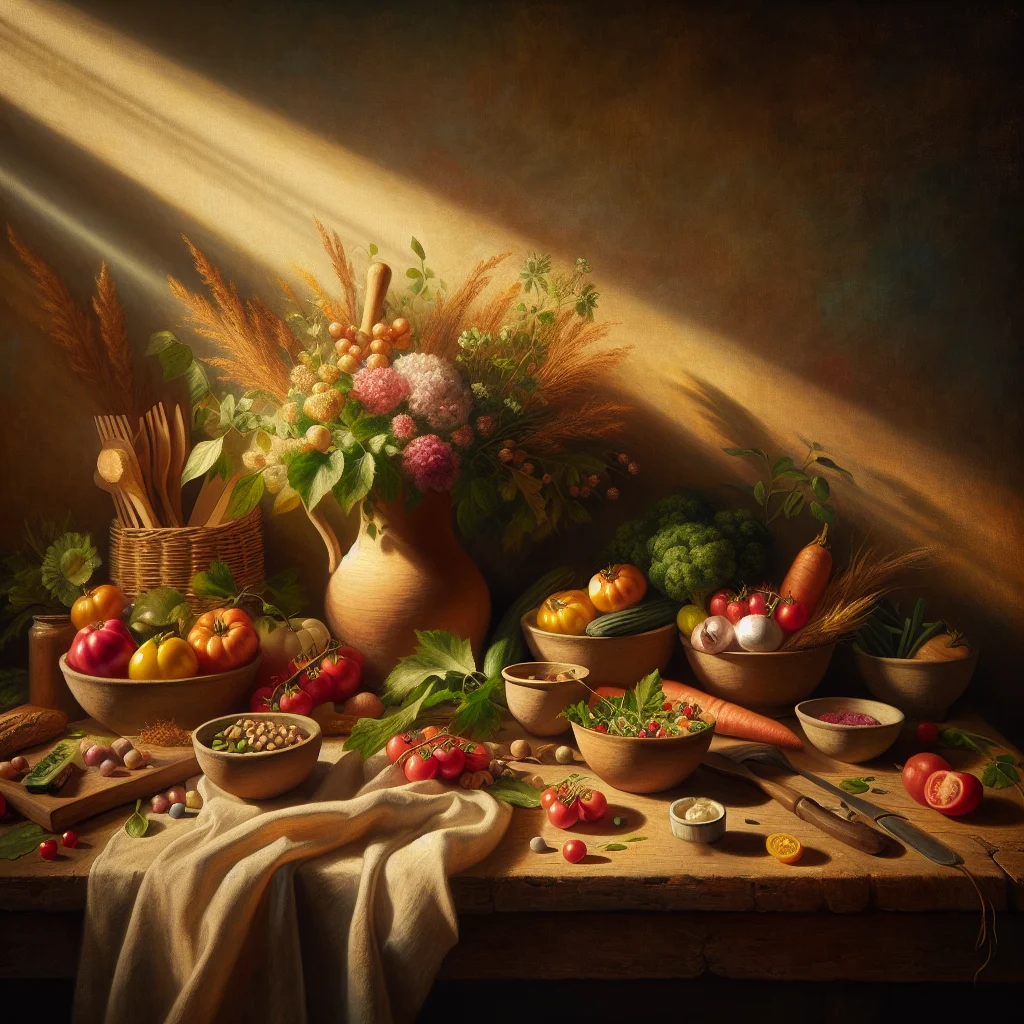
Building a Slow Living Kitchen: Tools and Techniques
Embracing slow living recipes doesn’t require a complete kitchen overhaul. However, certain tools and techniques facilitate the process, making it more enjoyable and successful. The focus should be on quality over quantity—well-made implements that will serve you for years rather than trendy gadgets that quickly break or lose appeal.
Essential Equipment for Slow Cooking
A heavy-bottomed pot or Dutch oven ranks among the most valuable investments for slow cooking. These vessels distribute heat evenly, preventing scorching during long cooking times. Cast iron options can transition from stovetop to oven, providing versatility for various recipes.
Similarly, a slow cooker or Instant Pot with slow-cook function allows unattended cooking while you’re away or sleeping. Although purists might argue these devices contradict the hands-on spirit of slow cooking, they make the lifestyle accessible for busy individuals who still value home-cooked meals.
- Cast iron Dutch oven: For braising, bread-baking, and stovetop-to-oven cooking
- Stone or ceramic crock: For fermenting vegetables and culturing dairy
- Sharp knives: Quality blades make vegetable preparation meditative rather than frustrating
- Wooden spoons and utensils: Gentle on cookware, pleasant to hold
- Glass storage containers: For preserving prepared foods without plastic
Mastering Key Slow Cooking Techniques
Beyond equipment, certain techniques form the foundation of slow living recipes. Mise en place—the French culinary term meaning “everything in its place”—transforms cooking from chaotic to calm. Before you begin cooking, prepare and measure all ingredients. This preliminary work allows you to cook mindfully, without frantic last-minute chopping.
Another essential technique is learning to trust your senses over strict timers. While recipes provide helpful guidelines, your eyes, nose, and taste buds offer more accurate information about when food is ready. Consequently, slow cooking becomes an exercise in developing intuition and confidence in the kitchen.
Meal Planning and Preparation for Slow Living
Paradoxically, successfully implementing slow living recipes in modern life requires some planning. Because these recipes demand time, integrating them into busy schedules needs thoughtful consideration. However, this planning itself becomes a mindful practice, helping you align your food choices with your values and intentions.
Weekend Batch Cooking Sessions
Many slow living practitioners dedicate a few hours on weekends to preparing staples for the week ahead. This might include baking several loaves of bread, cooking large batches of grains or legumes, or preparing base sauces that can be transformed into different meals. These sessions become meditative rituals, often accompanied by music, podcasts, or family conversation.
The key is choosing recipes that actually benefit from advance preparation. Soups, stews, and braised dishes often taste better the next day as flavors meld. Cooked grains and beans refrigerate well for 4-5 days, ready to be reheated and incorporated into quick meals during busy weekdays.
Creating a Slow Living Pantry
Stocking your pantry thoughtfully supports spontaneous slow cooking. Rather than relying on specific recipes that require shopping trips, maintain staples that allow flexible meal creation. Dried beans, whole grains, canned tomatoes, olive oil, vinegars, and a variety of spices form the foundation for countless slow-cooked dishes.
Additionally, home-preserved foods connect you to seasonal abundance year-round. Jams made from summer fruit, pickles from autumn cucumbers, and frozen berries extend the seasons, allowing you to enjoy peak flavors during winter months. These practices align beautifully with the principles of practicing slow living in all aspects of life.
Slow Living Recipes for Busy People
A common misconception suggests that slow living recipes require all-day kitchen presence. While some recipes do demand attention, many use passive time—periods when food cooks unattended while you do other things. Understanding this distinction makes slow cooking accessible even for those with demanding schedules.
Overnight and All-Day Recipes
Overnight oats represent the simplest slow living breakfast. Combine rolled oats with milk or yogurt, add dried fruit and spices, refrigerate overnight, and wake to a ready-made breakfast. The long soak softens oats and develops flavors without any morning effort.
Similarly, recipes designed for slow cookers or overnight ovens cook while you sleep or work. A pot roast started before bed emerges tender and flavorful by morning. Steel-cut oats cooked overnight at very low heat become creamy and nutty, far superior to quick-cooking varieties.
Hands-Off Cooking Methods
Techniques like oven-braising and slow-roasting require minimal active time. After initial preparation—searing meat, chopping vegetables, combining ingredients—the oven does the work. You’re free to relax, work, or engage in other activities while wonderful aromas fill your home.
Furthermore, these methods are forgiving. Unlike stovetop cooking that can quickly burn if neglected, low-temperature oven cooking allows flexibility. If something needs an extra 30 minutes, it typically improves rather than suffers. This flexibility reduces cooking stress, making it more enjoyable and sustainable.
Connecting Slow Living Recipes to Broader Lifestyle Practices
The beauty of slow living recipes extends beyond the kitchen, influencing how we approach other aspects of daily life. When we slow down to prepare food mindfully, this intentionality often spreads to other activities. We might find ourselves walking more slowly, listening more deeply, or choosing quality over quantity in other purchases.
Mindful Eating Practices
After investing time in slow cooking, rushing through the meal would be contradictory. Instead, slow living extends to consumption—eating without distractions, chewing thoroughly, and savoring each bite. This mindful eating supports better digestion, greater satisfaction with smaller portions, and deeper appreciation for the nourishment you’ve created.
Setting the table beautifully, even for solo meals, honors the food and the process. Simple touches—cloth napkins, fresh flowers, lit candles—transform everyday meals into special occasions. As a result, eating becomes a form of self-care rather than mere fuel intake.
Integrating Cooking with Personal Growth
Many people find that slow cooking supports broader personal growth practices. The patience required to let bread rise or broth simmer translates into greater patience with ourselves and others. The acceptance that some things simply cannot be rushed becomes a valuable life lesson.
Additionally, cooking provides tangible evidence of our creative capacity. When we transform simple ingredients into nourishing meals, we reinforce the belief that we can create positive change in other areas of life. This connection between kitchen creativity and life satisfaction shouldn’t be underestimated.
Overcoming Common Challenges with Slow Living Recipes
Despite its rewards, adopting slow living recipes comes with challenges. Time constraints, ingrained habits, and modern life’s demands can make slow cooking feel impractical. However, understanding common obstacles and developing strategies to address them increases success rates significantly.
Managing Time Constraints
The most frequently cited barrier is lack of time. However, reframing how we think about time helps considerably. Instead of viewing cooking as time “spent,” consider it time invested in health, relationships, and personal wellbeing. This shift in perspective makes allocating time for slow cooking feel worthwhile rather than wasteful.
Additionally, start small rather than attempting a complete lifestyle overhaul. Perhaps you commit to one slow-cooked meal weekly, gradually increasing as the practice becomes more natural. Even occasional slow cooking provides benefits, both nutritional and psychological.
Dealing with Recipe Failures
Not every slow-cooked meal will turn out perfectly, especially initially. Bread might not rise properly, ferments might become too sour, or braises might lack depth. Rather than viewing these as failures, consider them learning opportunities that build skills and intuition.
Moreover, most “failures” remain edible and nutritious, even if not Instagram-worthy. Our perfectionistic culture often prevents us from trying new things for fear of imperfect results. Slow living invites us to embrace imperfection, finding beauty in the authentic and handmade rather than the flawless and mass-produced.
Building Community Through Slow Living Recipes
While slow cooking can be a solitary practice, it also creates opportunities for meaningful connection. Sharing food prepared with care and attention becomes an act of generosity that strengthens social bonds. In fact, many cultures have traditions of communal cooking that bring people together around shared labor and later, shared meals.
Hosting Slow Food Gatherings
Consider organizing potlucks where guests bring slow living recipes to share. These gatherings naturally facilitate conversation as people discuss their cooking processes, share recipes, and exchange tips. The meals tend to unfold at a leisurely pace, with people lingering over food and conversation rather than rushing off.
Alternatively, cooking together can be the activity itself. Invite friends for bread-baking sessions, canning parties, or dumpling-making gatherings. These events combine productivity with socializing, creating memories while stocking pantries and freezers.
Teaching the Next Generation
Involving children in slow cooking teaches valuable life skills while creating family bonds. Kids can help knead dough, stir pots, or arrange ingredients. Because slow recipes aren’t rushed, there’s time for mistakes, questions, and learning without the stress that often accompanies weeknight dinner preparation.
Furthermore, children who participate in cooking are more likely to try new foods and develop healthy eating habits. They gain understanding of where food comes from and what’s involved in preparation, fostering appreciation rather than taking meals for granted.
Resources and Inspiration for Your Slow Living Journey
As you explore slow living recipes, various resources can provide inspiration, guidance, and community support. Books, websites, and local organizations offer knowledge while connecting you with like-minded individuals who share your values around food and intentional living.
Classic cookbooks like those by Alice Waters emphasize seasonal, local ingredients and simple preparations that let quality ingredients shine. Traditional cookbooks from various cultures often feature slow-cooked dishes that have nourished communities for generations.
For those seeking broader lifestyle integration, resources like Manifest Your Dreams: A Practical Guide to the Law of Attraction can help align your intentions with your daily practices, including how you approach cooking and nourishing yourself.
Online communities dedicated to slow living, traditional cooking, and food preservation provide ongoing inspiration and troubleshooting support. Social media groups focused on sourdough, fermentation, or slow food allow you to share successes and challenges with others on similar journeys.
Embracing the Journey: Your Next Steps
Beginning your adventure with slow living recipes doesn’t require dramatic life changes or expensive investments. Instead, it starts with a single decision to slow down and bring greater intention to how you nourish yourself and those you love. Choose one recipe that speaks to you—perhaps overnight bread or long-simmered soup—and commit to trying it this week.
Pay attention to how you feel during the process. Notice any resistance that arises, but also observe moments of peace, satisfaction, or unexpected joy. The cooking itself becomes practice in presence, teaching lessons that extend far beyond the kitchen into every corner of your life.
As you continue this journey, remember that slow living isn’t about perfection or rigid adherence to rules. Rather, it’s about making conscious choices that align with your values, finding sustainable rhythms that nourish body and soul, and savoring life’s simple pleasures—one slowly prepared meal at a time.

If you’re ready to deepen your mindfulness practice beyond the kitchen, consider exploring The Self-Love Reset: A Journey to Rediscover Yourself. This resource complements slow living recipes beautifully, helping you cultivate the self-compassion and patience that make intentional living sustainable and joyful.
Ultimately, slow living recipes represent more than cooking techniques—they’re invitations to reclaim time, reconnect with traditions, and rediscover the profound satisfaction of creating something nourishing with your own hands. In a world that constantly demands more speed, choosing slowness becomes a radical act of self-care and resistance, one delicious meal at a time.
Silence the Chaos in Your Head —
in 5 Minutes Flat.
Get instant access to a free guided meditation audio that rewires your nervous system for calm, kills anxiety at the root, and resets your entire day — no experience needed.
- Instantly drop cortisol levels — feel the shift before the 5 minutes is up
- Unlock razor-sharp focus — designed for high-achievers who can't afford brain fog
- Break the anxiety loop for good — a repeatable reset, every single morning
- 100% free, zero fluff — no apps, no subscriptions, just results
You're In.
Check Your Inbox.
Your free 5-minute guided meditation is on its way.
Open the email and hit play — your first reset starts now.
Can't find it? Check spam and mark us as safe.

