
If you’ve ever felt the profound relaxation that comes from listening to singing bowls or experienced the therapeutic effects of sound frequencies, you might be wondering how to deepen your practice or even share these healing modalities with others. A sound healing course can open doors to ancient wisdom while providing modern techniques for wellness and therapeutic application.
Sound healing has gained remarkable popularity in recent years, and for good reason. As people seek alternative approaches to stress relief and holistic wellness, vibrational therapy offers a non-invasive, deeply relaxing method that addresses physical, emotional, and spiritual imbalances. However, learning to facilitate these experiences requires proper training and understanding of the principles behind sound therapy.
In this comprehensive guide, we’ll explore everything you need to know about enrolling in a sound healing course, what you can expect to learn, and how this training can transform both your personal practice and professional opportunities. Whether you’re a complete beginner or someone with experience in holistic living, there’s a path forward for you in the world of sound healing.
Before diving deeper, consider complementing your sound healing journey with structured meditation practices. Everyday Calm: A Beginner’s Guide to Daily Meditation provides an excellent foundation that pairs beautifully with vibrational healing work.
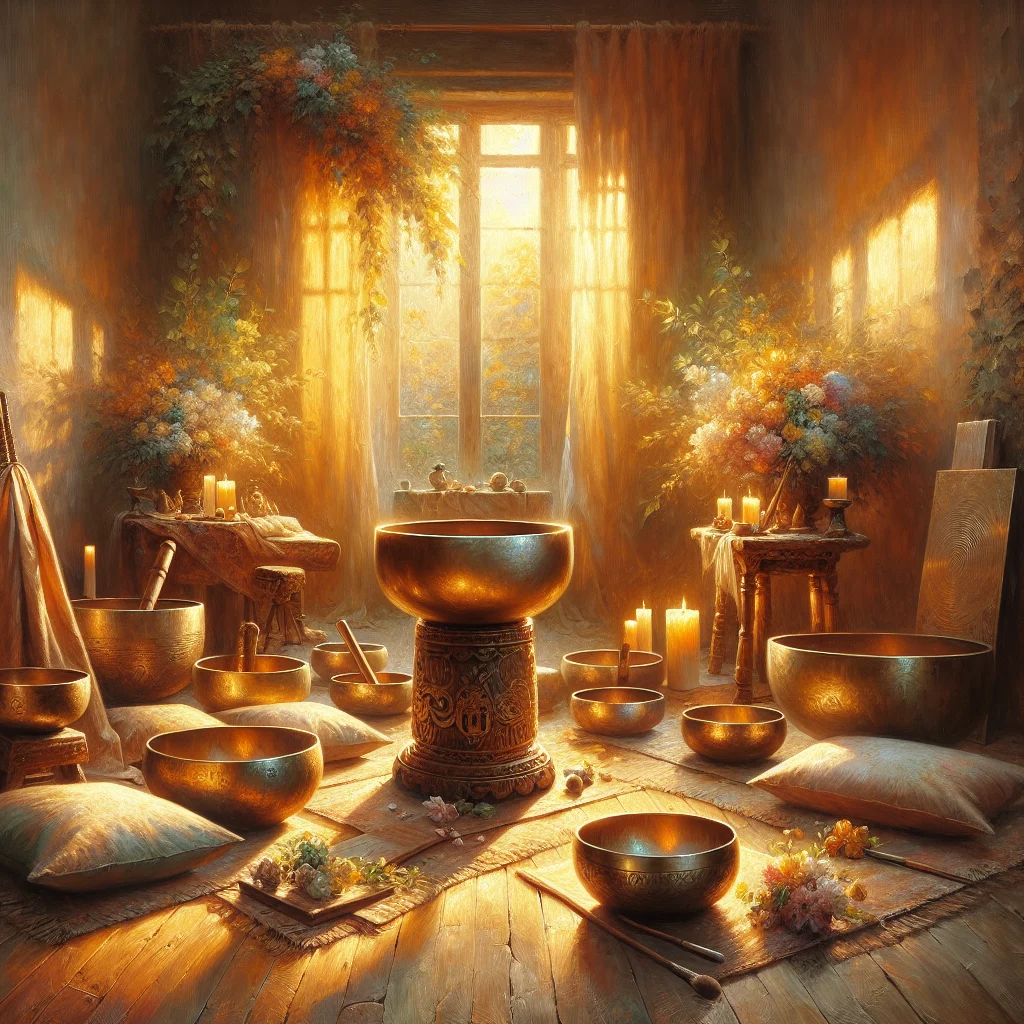
What Is Sound Healing and Why Take a Course?
Sound healing, also known as sound therapy or vibrational medicine, is an ancient practice that uses various instruments and vocal techniques to create therapeutic frequencies. These vibrations interact with our body’s own frequencies, promoting balance and facilitating the body’s natural healing processes.
The practice isn’t simply about making pleasant sounds. Instead, it’s rooted in the understanding that everything in the universe vibrates at specific frequencies, including our cells, organs, and energy systems. When we’re exposed to healing frequencies, our bodies can recalibrate and restore harmony.
The Science Behind Sound Healing
While sound healing has ancient roots, modern science has begun validating its effects. Research shows that sound frequencies can influence brainwave patterns, shifting us from stressed beta states into relaxed alpha and theta states. This shift promotes healing, reduces anxiety, and enhances overall wellbeing.
Free Guided Meditation · Day 1
You Are Safe Right Now.
5 min · Breathwork & body scan · Stress release
Liked it? Get the full audio.
Enter your email and we'll send you the complete 5-minute meditation — free, straight to your inbox.
Zero spam. Unsubscribe anytime.
Check Your Inbox.
Your full 5-minute meditation is on its way. Open the email and hit play — your reset starts now.
Can't find it? Check your spam folder.
Studies published by institutions like the National Center for Biotechnology Information have documented the positive effects of sound therapy on conditions ranging from chronic pain to post-traumatic stress disorder. As a result, hospitals and wellness centers increasingly incorporate sound healing into their therapeutic offerings.
Additionally, the practice of sound healing aligns beautifully with other contemplative practices. Many practitioners find that combining sound work with mindfulness and meditation creates particularly powerful healing experiences.
Who Should Consider a Sound Healing Course?
Sound healing training appeals to a diverse range of individuals. Perhaps you’re a yoga instructor looking to enhance your classes, a massage therapist wanting to expand your toolkit, or a mental health professional exploring complementary approaches. Alternatively, you might simply be someone drawn to sound healing for personal growth and healing.
The beauty of sound healing is its accessibility. Unlike some healing modalities that require years of study, many people can begin offering basic sound healing sessions after completing a comprehensive course. However, the depth of this practice means there’s always more to learn and explore.
Types of Sound Healing Courses Available
When exploring sound healing training options, you’ll discover various course formats and specializations. Understanding these differences will help you choose the right program for your needs and goals.
Introductory Sound Healing Workshops
These short-format courses typically span one to three days and provide foundational knowledge. Participants learn basic techniques with crystal singing bowls, Tibetan bowls, or other instruments. While these workshops won’t qualify you as a professional practitioner, they offer an excellent starting point for personal exploration.
Introductory workshops usually cover the history of sound healing, basic playing techniques, and simple protocols for personal practice. Many people use these experiences to determine whether they want to pursue more advanced training.
Comprehensive Certification Programs
For those serious about becoming professional sound healing practitioners, certification programs offer thorough training. These courses typically require 100-300 hours of study and practice, covering theoretical foundations, multiple instrument techniques, client management, and business considerations.
Most comprehensive programs include both in-person and online components. Because of this structure, students can learn at their own pace while still receiving hands-on instruction during intensive training weekends or week-long immersions.
Specialized Sound Healing Training
Beyond general certification, specialized courses focus on specific instruments or applications. You might find programs dedicated exclusively to crystal bowls, gong therapy, tuning forks, or vocal toning. Similarly, some courses specialize in particular applications like sound healing for trauma, prenatal sound therapy, or sound healing in clinical settings.
Specialized training allows practitioners to develop expertise in their areas of greatest interest. Furthermore, this focused approach often leads to more refined skills and unique professional offerings in the marketplace.
What You’ll Learn in a Quality Sound Healing Course
Although specific curricula vary between programs, quality sound healing courses share common core elements. Let’s explore what you can expect to study during your training journey.
Fundamental Principles of Sound Therapy
Every solid program begins with theoretical foundations. Students learn about the physics of sound, how frequencies interact with matter, and the concept of resonance. This scientific understanding provides context for the experiential aspects of training.
Additionally, courses explore the historical and cultural contexts of sound healing. From ancient Egyptian use of vowel sounds to Tibetan singing bowl traditions, understanding this rich heritage deepens your appreciation and practice. Many programs also incorporate perspectives from Traditional Chinese Medicine and Ayurveda.
Instrument Techniques and Mastery
The practical heart of any sound healing course involves learning to play various instruments therapeutically. This goes beyond simply creating pleasant sounds; you’ll learn how to generate specific frequencies, maintain consistent tones, and use instruments in combination for maximum therapeutic effect.
Common instruments covered in most programs include:
- Tibetan singing bowls – Traditional metal bowls that produce rich, harmonious overtones
- Crystal singing bowls – Made from quartz crystal, these produce pure tones aligned with chakras
- Gongs – Create powerful, immersive soundscapes for deep transformation
- Tuning forks – Precision instruments for targeted frequency application
- Drums and rattles – Rhythmic instruments for grounding and energy movement
- Voice and toning – Using your own voice as a healing instrument
Mastering these instruments takes practice and patience. Therefore, quality courses provide ample time for hands-on learning and skill development.
Energy Anatomy and Chakra Systems
Sound healing works intimately with the body’s energy systems. Consequently, comprehensive courses include training on chakras, meridians, and the subtle body. You’ll learn which frequencies correspond to different energy centers and how to assess energetic imbalances.
This knowledge connects sound healing with broader traditions of spirituality and inner work, creating a holistic understanding of human wellness. Understanding energy anatomy also helps practitioners customize sessions for individual client needs.
Creating Therapeutic Sound Baths
One of the most popular applications of sound healing is the sound bath – a meditative experience where participants lie down and receive sound immersion. Learning to facilitate effective sound baths requires understanding of pacing, instrument selection, and creating safe, supportive environments.
Courses teach you how to structure sessions, set intentions, and guide participants through the experience. You’ll also learn to handle common situations like emotional releases or restless participants. These practical skills ensure you can confidently lead group sessions.
One-on-One Sound Healing Sessions
While group sound baths are popular, many practitioners also offer individual sessions. Private sessions allow for deeper customization based on specific client needs and goals. Training covers intake procedures, assessment techniques, and protocols for addressing particular conditions.
Individual work often incorporates targeted application of tuning forks, specific bowl placements, and personalized frequency selections. As a result, private sessions can address focused concerns like pain management, anxiety reduction, or energetic blockages.

Choosing the Right Sound Healing Course for You
With growing interest in sound therapy, numerous training programs have emerged. However, not all courses offer the same quality or depth. Here’s what to consider when selecting your training path.
Accreditation and Credentials
While sound healing doesn’t have universal regulatory standards, reputable programs often seek accreditation from complementary therapy organizations. Look for courses recognized by bodies like the International Association of Sound Therapy or similar professional organizations.
Additionally, investigate the credentials and experience of your instructors. The best teachers combine extensive personal practice with teaching experience and, ideally, backgrounds in related fields like music therapy, psychology, or traditional healing systems.
Course Format and Schedule
Consider your learning style and availability. Some people thrive in intensive immersion programs where they dedicate a week or two to full-time study. Others prefer extended programs that meet regularly over several months, allowing time to integrate learning between sessions.
Online courses offer flexibility but may lack hands-on instruction opportunities. Hybrid programs combining online theory with in-person practicums often provide the best of both worlds. Evaluate what format will support your learning and fit your lifestyle.
Program Philosophy and Approach
Different schools emphasize different aspects of sound healing. Some take a more spiritual approach, incorporating ceremony and ritual. Others focus primarily on therapeutic applications with scientific grounding. Neither is inherently better; the question is which resonates with your values and intended practice.
Review course descriptions carefully and, if possible, speak with alumni. Their experiences will give you insight into the program’s atmosphere and teaching style. This research helps ensure alignment between your expectations and the course reality.
Investment and Value
Sound healing courses range from a few hundred dollars for introductory workshops to several thousand for comprehensive certification programs. While cost is certainly a consideration, remember that quality training is an investment in your future practice.
Consider what’s included in the tuition. Does it cover instruments, practice materials, and ongoing support? Some programs include starter instrument sets, while others require separate purchases. Factor these additional costs into your decision-making process.
Building Your Practice After Course Completion
Completing a sound healing course is just the beginning. The real journey involves developing your unique practice and, if desired, building a professional presence in the field.
Continued Practice and Skill Refinement
Like any healing art, sound therapy requires ongoing practice to develop mastery. Set aside regular time for personal practice with your instruments. Record your sessions and listen critically to refine your technique. Many practitioners find that daily practice deepens their connection with the instruments and enhances their intuitive abilities.
Furthermore, consider seeking mentorship from experienced practitioners. Many course instructors offer ongoing support or advanced training opportunities. This continued connection provides guidance as you navigate early challenges and questions.
Gaining Practical Experience
Theory and coursework provide foundations, but nothing replaces actual client experience. Start by offering free or discounted sessions to friends and family. Not only does this build your confidence, but it also provides valuable feedback for improvement.
As you gain experience, gradually expand your offerings. You might volunteer at wellness centers, yoga studios, or community events. These opportunities help you refine your skills while building visibility in your local wellness community.
Developing Your Unique Approach
While your training provides techniques and structures, the most successful practitioners develop their own signature style. Perhaps you’re particularly drawn to combining sound healing with guided visualization. Maybe you want to specialize in working with specific populations like children or seniors.
Allow your practice to evolve organically based on your interests, skills, and the needs you observe in your community. This authentic approach creates more fulfilling work and attracts clients who resonate with your particular offerings. You might even combine sound healing with practices from visualization and manifestation work.
Professional Considerations and Business Development
If you’re interested in building a professional practice, you’ll need to consider business basics. This includes liability insurance, appropriate business structure, pricing strategies, and marketing approaches. Some certification programs include business training, but you may need to seek additional resources.
Develop a clear description of your services and ideal clients. Create a professional website and presence on relevant platforms. Consider offering both group sessions and private appointments to diversify your income streams. Remember that building a sustainable practice takes time and patience.
Integrating Sound Healing with Other Modalities
One of sound healing’s greatest strengths is its compatibility with other therapeutic approaches. Many practitioners successfully integrate vibrational therapy with complementary modalities to create rich, multidimensional healing experiences.
Sound Healing and Meditation Practices
Sound naturally supports meditation by helping practitioners enter deeper states of consciousness. The repetitive, harmonious tones act as anchors for attention, making meditation more accessible, especially for beginners. Consequently, many meditation teachers incorporate sound elements into their offerings.
You might begin meditation sessions with tuning forks to help participants settle, or conclude with singing bowls to seal the practice’s benefits. This integration creates powerful synergies between two complementary practices.
Combining with Bodywork and Massage
Massage therapists and bodyworkers often find that sound healing enhances manual therapy. The vibrations help muscles release tension, deepen relaxation, and facilitate energetic shifts. Some practitioners place singing bowls directly on the body, allowing vibrations to penetrate deeply into tissues.
This integration requires additional training to safely combine modalities. However, the results can be profound, offering clients comprehensive healing experiences that address both physical and energetic dimensions.
Sound Therapy in Yoga and Movement Classes
Yoga instructors increasingly incorporate sound healing into their classes. Playing crystal bowls during savasana enhances final relaxation, while gentle drum rhythms can accompany dynamic sequences. This combination honors yoga’s traditional inclusion of sound through mantras and chanting.
If you teach movement classes, consider how sound might enhance your offerings. Even simple additions like opening with a gong or closing with vocal toning can significantly deepen your students’ experiences.
Common Questions About Sound Healing Courses
Do I Need Musical Experience to Learn Sound Healing?
This is one of the most common concerns for prospective students. Fortunately, prior musical training isn’t necessary for most sound healing courses. While musical background can be helpful, the techniques taught in sound therapy differ significantly from traditional music performance.
The focus is on creating therapeutic frequencies rather than musical compositions. Most instruments used in sound healing, particularly singing bowls and gongs, don’t require reading music or complex technical skills. What matters most is sensitivity to sound, intentionality, and willingness to practice.
How Long Does It Take to Become a Certified Sound Healer?
The timeline varies depending on the program and your learning pace. Introductory certifications might require only 20-50 hours of training completed over a weekend or week. Comprehensive practitioner certifications typically involve 100-300 hours, which might take anywhere from three months to a year to complete.
Remember that certification is just one milestone. Developing true mastery and building a sustainable practice takes years of dedicated work. View your initial training as the foundation for ongoing learning and development.
What Equipment Do I Need to Start?
Starting a sound healing practice doesn’t require enormous investment, though quality instruments do cost more than basic versions. Most beginners start with one or two singing bowls and perhaps a set of tuning forks. As your practice develops, you can gradually acquire additional instruments.
Many courses include starter kits or offer guidance on purchasing appropriate instruments. Invest in the best quality you can afford, as superior instruments produce clearer, more therapeutic tones. Consider that your instruments are professional tools that will serve you for years with proper care.
The Growing Demand for Sound Healing Services
As wellness consciousness expands, so does interest in alternative and complementary therapies. Sound healing sits perfectly within this growing market, offering benefits that resonate with contemporary needs for stress relief, mindfulness, and holistic health.
Wellness centers, yoga studios, spas, and retreat centers increasingly seek qualified sound healing practitioners. Hospitals and mental health facilities are beginning to incorporate sound therapy into integrative treatment programs. According to the World Health Organization, there’s growing recognition of traditional and complementary medicine’s role in healthcare.
This expanding market creates opportunities for trained practitioners. Whether you want to offer sound healing as your primary profession or add it to existing wellness services, demand for these offerings continues to grow. The key is obtaining quality training and developing authentic skills that truly serve clients.
Sound Healing as Personal Transformation
While we’ve focused primarily on professional applications, it’s worth acknowledging that many people pursue sound healing training primarily for personal growth. The process of learning sound therapy often becomes a profound healing journey in itself.
Working intimately with healing frequencies affects practitioners on multiple levels. Many report increased sensitivity to energy, deeper meditation experiences, and enhanced intuition. The practice requires presence, mindfulness, and openness – qualities that naturally develop through consistent engagement with sound.
Furthermore, the process of learning to hold space for others’ healing often illuminates our own healing needs. This dual benefit makes sound healing training valuable regardless of professional aspirations. The skills and insights gained enrich personal practice and daily life in unexpected ways.
This transformative aspect connects beautifully with broader practices of personal growth and self-discovery. Sound healing becomes not just a technique to learn but a path to walk.
Taking the Next Step in Your Sound Healing Journey
If you’ve read this far, you likely feel a genuine calling toward sound healing. Trust that resonance. The world needs more practitioners who approach this work with sincerity, dedication, and respect for its ancient roots and modern applications.
Begin by researching available courses in your area or online. Attend introductory workshops to experience different teaching styles and approaches. Read books about sound healing, listen to recordings, and notice how various frequencies affect you personally. This exploration helps clarify your interests and intentions.
When you find a program that resonates, commit fully to the learning process. Embrace both the technical training and the personal transformation that accompanies it. Remember that becoming an effective sound healer is a journey, not a destination. The most respected practitioners maintain curiosity and continue learning throughout their careers.
As you develop your practice, stay connected to your original inspiration. Whether you’re drawn to the therapeutic applications, the spiritual dimensions, or simply the beauty of healing sound, let that motivation guide your development. Authentic passion creates the most effective practitioners.
To support your journey toward becoming a sound healing practitioner, consider strengthening related skills in manifestation and intention-setting. Manifest Your Dreams: A Practical Guide to the Law of Attraction offers valuable techniques that complement vibrational healing work beautifully.
Conclusion: Embracing the Path of Sound Healing
A sound healing course offers much more than technical training in playing instruments. It provides entry into an ancient lineage of healers who understood that vibration is fundamental to existence and healing. In our modern world filled with noise and stress, the ability to create therapeutic soundscapes is a genuine gift to offer others and yourself.
Whether you pursue sound healing professionally or for personal enrichment, the journey will likely surprise you with its depth and rewards. The practice demands presence, sensitivity, and ongoing learning – qualities that serve us well in all areas of life. As you work with healing frequencies, you’ll discover that the instruments are merely tools; the true healing comes through your presence, intention, and willingness to serve.
The field of sound healing continues to evolve, bridging ancient wisdom with contemporary science. By pursuing quality training now, you position yourself within this growing movement toward holistic, integrative approaches to wellness. Your unique contribution, informed by your training and personal journey, adds to the rich tapestry of healing arts available to support human flourishing.
Take that first step. Explore available courses, trust your intuition, and allow yourself to be guided by the resonance you feel with this profound healing modality. The journey of sound healing awaits, ready to transform both your life and the lives of those you’ll eventually serve.
Silence the Chaos in Your Head —
in 5 Minutes Flat.
Get instant access to a free guided meditation audio that rewires your nervous system for calm, kills anxiety at the root, and resets your entire day — no experience needed.
- Instantly drop cortisol levels — feel the shift before the 5 minutes is up
- Unlock razor-sharp focus — designed for high-achievers who can't afford brain fog
- Break the anxiety loop for good — a repeatable reset, every single morning
- 100% free, zero fluff — no apps, no subscriptions, just results
You're In.
Check Your Inbox.
Your free 5-minute guided meditation is on its way.
Open the email and hit play — your first reset starts now.
Can't find it? Check spam and mark us as safe.

