
If you’ve ever felt overwhelmed by the noise of modern life, Tibetan Buddhist guided meditation might be exactly what you need. This ancient practice, refined over centuries in the Himalayan monasteries, offers more than just relaxation—it’s a profound path to inner transformation and lasting peace.
Tibetan Buddhism has preserved meditation techniques that date back over a thousand years, combining visualization, mantra recitation, and mindfulness practices. Unlike simpler meditation forms, these guided practices often incorporate rich imagery, sacred sounds, and specific breathing patterns designed to calm the mind while awakening deeper consciousness.
What makes Tibetan Buddhist meditation particularly appealing today is its structured approach. Because it provides clear guidance and visualization techniques, beginners find it easier to maintain focus compared to silent meditation. Moreover, the compassion-centered philosophy underlying these practices naturally reduces stress while cultivating emotional resilience.
Ready to explore this transformative practice? If you’re looking for a solid foundation in meditation techniques, check out Everyday Calm: A Beginner’s Guide to Daily Meditation, which provides essential tools for starting your meditation journey.
Understanding Tibetan Buddhist Meditation Traditions
Tibetan Buddhism encompasses several schools, each with distinct meditation approaches. However, all share common elements rooted in the teachings brought from India to Tibet starting in the 8th century. The tradition emphasizes both analytical meditation (examining concepts intellectually) and placement meditation (resting the mind in awareness).
The Tibetan Buddhist tradition developed unique practices that combine Indian Buddhist philosophy with indigenous Tibetan spiritual elements. As a result, practitioners gained access to comprehensive systems addressing both mental training and spiritual development.
The Four Main Schools
Understanding the different schools helps you choose practices that resonate with your temperament:
- Nyingma: The oldest school, focusing on Dzogchen (Great Perfection) practices
- Kagyu: Emphasizes Mahamudra meditation and yogic practices
- Sakya: Known for balanced integration of study and practice
- Gelug: Focuses on graduated path approaches with systematic training
While each school has unique characteristics, they all offer guided meditation practices suitable for modern practitioners. Furthermore, many contemporary teachers blend elements from multiple traditions to create accessible programs.
Free Guided Meditation · Day 1
You Are Safe Right Now.
5 min · Breathwork & body scan · Stress release
Liked it? Get the full audio.
Enter your email and we'll send you the complete 5-minute meditation — free, straight to your inbox.
Zero spam. Unsubscribe anytime.
Check Your Inbox.
Your full 5-minute meditation is on its way. Open the email and hit play — your reset starts now.
Can't find it? Check your spam folder.
Core Philosophical Foundations
Tibetan Buddhist meditation rests on several key principles that distinguish it from secular mindfulness practices. First, there’s the recognition of Buddha nature—the inherent potential for enlightenment within all beings. Second, the practice emphasizes bodhicitta, the intention to achieve awakening for the benefit of all sentient beings.
These philosophical underpinnings aren’t merely theoretical. Instead, they shape how practitioners approach meditation, transforming it from self-centered stress relief into a practice of universal compassion. Consequently, many people find Tibetan Buddhist meditation profoundly meaningful beyond its immediate calming effects.
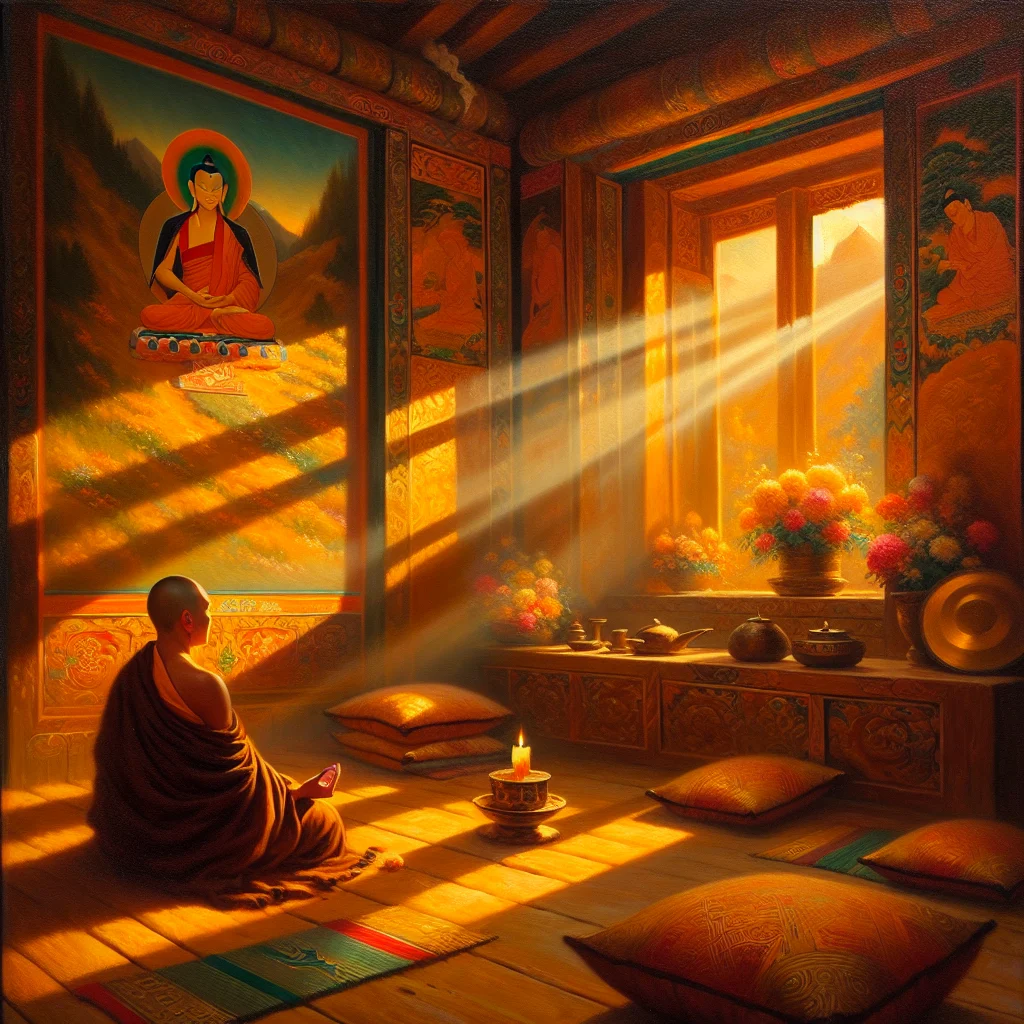
Essential Elements of Tibetan Buddhist Guided Meditation
Tibetan Buddhist guided meditation typically incorporates several distinctive components that work together synergistically. Understanding these elements helps you appreciate the depth of the practice and engage more fully with guided sessions.
Visualization Techniques
Visualization forms the cornerstone of many Tibetan practices. Rather than keeping the mind blank, practitioners create detailed mental images of enlightened beings, mandalas, or healing light. For example, you might visualize the Medicine Buddha, radiating blue healing light that dissolves physical and mental suffering.
These visualizations serve multiple purposes. They give the mind something positive to focus on, preventing wandering thoughts. Additionally, they activate the imagination in ways that can shift emotional states and cognitive patterns. Research suggests that visualization activates similar brain regions as actual perception, making it a powerful tool for transformation.
Mantra Recitation
Mantras—sacred syllables or phrases—accompany most Tibetan Buddhist meditation practices. The most famous is probably Om Mani Padme Hum, associated with Chenrezig, the Buddha of Compassion. However, different practices utilize different mantras depending on their specific purpose.
The repetition of mantras serves several functions:
- Focuses attention through rhythmic sound
- Creates vibrational resonance that practitioners believe has spiritual effects
- Occupies the verbal mind, allowing deeper awareness to emerge
- Connects practitioners with centuries of accumulated spiritual intention
You can recite mantras aloud, whisper them, or repeat them silently. Each method offers different benefits, and guided meditations typically specify which approach to use.
Breathing Practices
While less emphasized than in some traditions, pranayama (breath control) plays important roles in Tibetan meditation. The most fundamental practice involves simply observing the natural breath, using it as an anchor for awareness. More advanced practices include vase breathing, alternate nostril breathing, and tummo (inner heat) techniques.
Breath awareness naturally calms the nervous system. Because breathing connects body and mind, conscious breathing creates a bridge between physical relaxation and mental clarity. Furthermore, specific breathing patterns can energize or calm depending on the practice’s intent.
Mudras and Posture
Hand positions (mudras) and body posture complete the physical dimension of practice. The classic seven-point posture includes crossed legs, straight spine, hands in meditation position, slightly tucked chin, relaxed shoulders, tongue touching the palate, and soft gaze downward.
However, adaptations are always possible. If sitting cross-legged causes discomfort, chairs work perfectly well. The key principle is maintaining alertness without tension—a relaxed yet dignified posture that supports both physical comfort and mental clarity.
Popular Tibetan Buddhist Guided Meditation Practices
Several specific practices have become widely accessible through guided meditation recordings and apps. These practices offer entry points into the rich tradition without requiring years of preliminary study.
Loving-Kindness (Metta) Meditation
Though originating in early Buddhism, Tibetan traditions have elaborated loving-kindness practices extensively. This meditation systematically cultivates feelings of goodwill toward yourself, loved ones, neutral people, difficult people, and ultimately all beings.
A typical guided session might begin with visualizing yourself surrounded by warm light while mentally repeating phrases like “May I be happy, may I be healthy, may I be peaceful.” Gradually, you extend these wishes to expanding circles of beings. Research published in journals of the American Psychological Association shows that regular loving-kindness practice reduces depression, increases positive emotions, and improves social connections.
Tara Practice
Tara, the female Buddha embodying compassionate action, is central to Tibetan practice. Green Tara meditation specifically helps practitioners overcome fear and obstacles. Guided meditations typically involve visualizing Tara before you, radiant green light flowing from her heart into yours, dissolving anxieties and blockages.
This practice particularly appeals to people dealing with specific challenges. Because Tara represents swift compassionate action, practitioners invoke her when facing difficulties requiring both courage and wisdom. The combination of visualization, mantra recitation, and devotional feeling creates powerful psychological shifts.
Tonglen (Giving and Receiving)
Tonglen represents one of the most distinctive Tibetan practices. Counterintuitively, you breathe in the suffering of others (visualized as dark smoke) and breathe out healing, happiness, and relief (visualized as bright light). This reverses the usual self-protective instinct, cultivating genuine compassion.
Initially, the practice might seem strange or even unsettling. However, practitioners report that tonglen paradoxically reduces their own suffering while increasing their capacity for empathy. Guided versions carefully structure the practice, often beginning with personal suffering before extending to others.
Calm Abiding (Shamatha)
Shamatha meditation develops stable attention and mental tranquility. While found across Buddhist traditions, Tibetan approaches often incorporate visualization of a small luminous Buddha or syllable at the heart center. The practice trains concentration while simultaneously connecting with sacred imagery.
Guided shamatha sessions typically start with shorter periods (5-10 minutes) and gradually extend. The instructor reminds you to gently return attention to the visualization object whenever the mind wanders. Over time, this builds remarkable mental stability that supports both daily life and deeper spiritual practices.
For those exploring various Mindfulness & Meditation approaches, these Tibetan practices offer unique tools that complement other techniques beautifully.
Benefits of Tibetan Buddhist Guided Meditation
The advantages of this practice extend far beyond simple stress reduction. While immediate calming effects certainly occur, the deeper benefits emerge through consistent practice over time.
Mental and Emotional Benefits
Regular practice cultivates several psychological qualities that enhance wellbeing:
- Reduced anxiety and rumination: Visualization and mantra repetition interrupt anxious thought patterns
- Increased emotional regulation: Mindful awareness helps you respond rather than react to feelings
- Greater compassion: Practices like loving-kindness systematically develop empathy
- Enhanced concentration: Single-pointed focus training improves attention in all areas of life
- Decreased depression symptoms: Positive visualization and compassion practices counteract depressive thinking
Studies examining meditation’s effects on mental health consistently show positive results. Moreover, the structured nature of guided practices makes them particularly effective for beginners who might struggle with unguided meditation.
Physical Health Improvements
Although Tibetan Buddhist meditation primarily targets mental and spiritual development, physical benefits naturally follow. Research has documented several physiological changes associated with regular practice:
The relaxation response triggered by meditation reduces cortisol levels, lowering chronic stress that damages health. Additionally, focused breathing practices improve respiratory function and oxygenation. Some studies even suggest that meditation may slow cellular aging and strengthen immune function.
Furthermore, the mind-body connection emphasized in Tibetan practices helps practitioners become more attuned to physical sensations. This increased bodily awareness often leads to healthier lifestyle choices and earlier recognition of health issues requiring attention.
Spiritual and Existential Benefits
Beyond health improvements, many practitioners seek deeper meaning through Tibetan Buddhist meditation. The tradition offers comprehensive frameworks for understanding existence, suffering, and the potential for liberation. Consequently, practice addresses existential questions that scientific approaches cannot answer.
You don’t need to adopt Buddhist religious beliefs to benefit from these practices. However, engaging with the philosophical context often enriches the experience. Concepts like impermanence, interconnection, and non-self provide profound perspectives that shift how practitioners relate to life’s challenges.
Many people report that regular practice creates a sense of purpose extending beyond personal wellbeing. The emphasis on universal compassion naturally leads to more altruistic behavior and concern for others’ welfare. This shift from self-centered to other-centered orientation often brings unexpected fulfillment.
How to Start Tibetan Buddhist Guided Meditation
Beginning a new meditation practice can feel daunting, but guided approaches make the journey accessible. Here’s how to establish a sustainable practice that fits your lifestyle.
Finding Quality Guided Sessions
Numerous resources offer Tibetan Buddhist guided meditations. However, quality varies considerably. Look for teachers with authentic lineage connections—those who studied extensively with qualified masters. Many respected Tibetan lamas now offer teachings in English, both in-person and through recordings.
Popular apps like Insight Timer feature numerous Tibetan-style meditations from qualified teachers. YouTube also hosts extensive libraries, though discernment is necessary. Additionally, organizations like the Foundation for the Preservation of the Mahayana Tradition provide free resources rooted in authentic traditions.
For structured guidance, consider meditation workshops that specifically focus on Tibetan techniques. Live instruction allows for questions and personalized guidance that recordings cannot provide.
Creating Your Practice Space
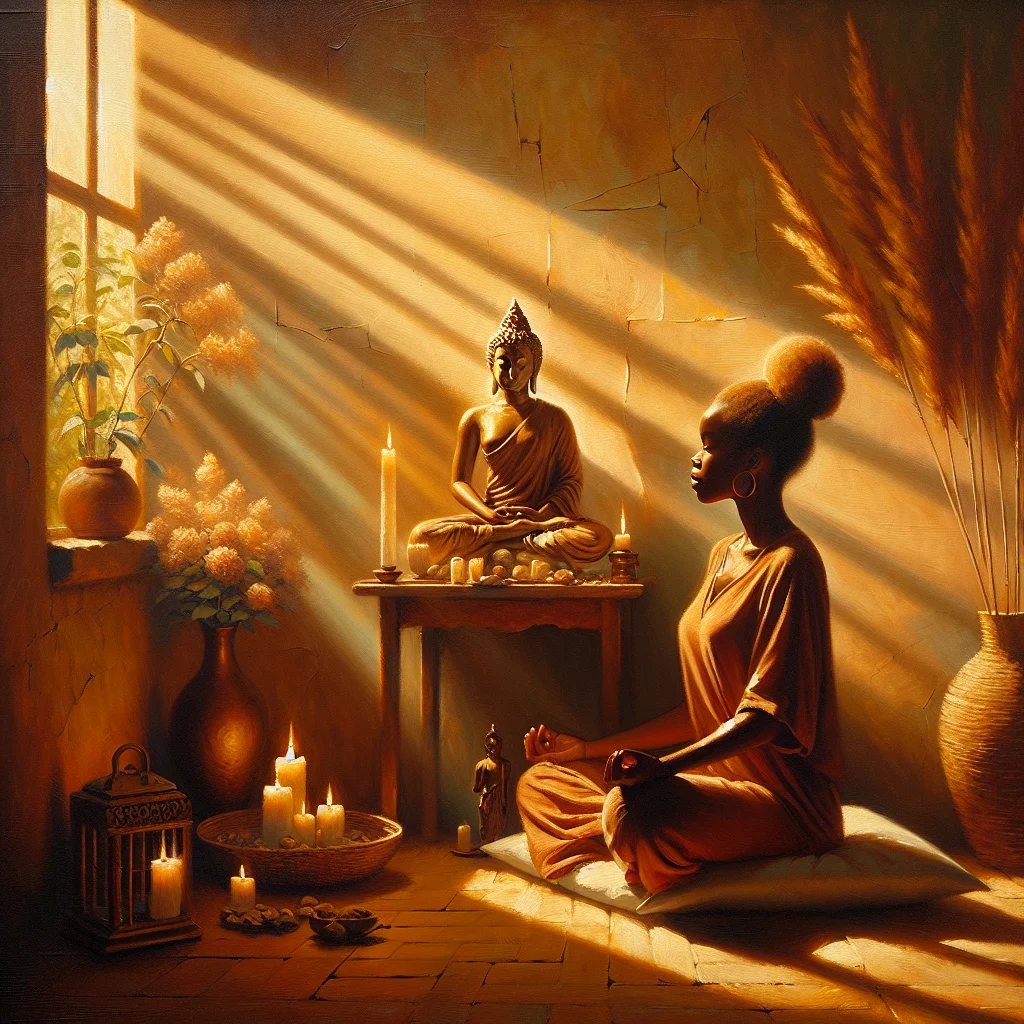
While you can meditate anywhere, a dedicated space enhances practice consistency. Choose a quiet corner where you’re unlikely to be disturbed. You don’t need elaborate altars, but some practitioners find that simple sacred objects—a Buddha statue, candles, or meaningful images—help create the right atmosphere.
Comfort matters more than aesthetics. Ensure you have appropriate cushions or a chair that supports good posture. The space should be clean and relatively uncluttered, as external order supports internal clarity. Furthermore, consistent use of the same space conditions your mind to settle more quickly when you sit down to practice.
Establishing a Routine
Consistency trumps duration when building a meditation habit. Starting with just 10-15 minutes daily proves more beneficial than occasional hour-long sessions. Many practitioners find early morning ideal, as the mind is fresh and distractions minimal. However, any time you can practice regularly works.
Here’s a suggested progression for beginners:
- Week 1-2: 10 minutes daily of basic breathing and calm abiding
- Week 3-4: 15 minutes, adding simple visualization
- Week 5-8: 20 minutes, exploring different practices like loving-kindness
- Ongoing: Gradually extend to 30+ minutes as comfort increases
Track your practice without judgment. If you miss days, simply resume without self-criticism. The goal is sustainable long-term practice, not perfection. In fact, self-compassion about practice imperfections embodies the very attitude these meditations cultivate.
Common Challenges and Solutions
Every meditator encounters obstacles. Understanding common challenges helps you navigate them skillfully rather than abandoning practice.
Wandering mind: This isn’t a problem—it’s completely normal. Tibetan teachings emphasize that noticing distraction itself demonstrates awareness. Simply acknowledge thoughts without judgment and return to the guided instructions. Over time, the mind naturally settles.
Sleepiness: Drowsiness during meditation signals either fatigue or subtle resistance. Try meditating at different times, opening your eyes slightly, or adjusting posture to maintain alertness. Some practices emphasize energizing breath techniques specifically to counter dullness.
Doubt and skepticism: Intellectual doubts about effectiveness or authenticity naturally arise. Rather than suppressing them, investigate your experience directly. Does the practice actually benefit you? Results provide the most convincing evidence. Additionally, learning more about the tradition through reading can address conceptual uncertainties.
Emotional intensity: Meditation sometimes brings up difficult emotions. This actually indicates that the practice is working, releasing suppressed feelings. Tonglen practice specifically works with difficult emotions. However, if feelings become overwhelming, consider working with a therapist familiar with contemplative practices.
Integrating Tibetan Buddhist Meditation into Daily Life
The real test of meditation practice isn’t how peaceful you feel on the cushion, but how you show up in daily life. Tibetan Buddhism emphasizes that formal practice should transform ordinary activities.
Informal Practice Throughout the Day
Between formal sessions, you can maintain awareness through brief practices. For example, pause several times daily to take three conscious breaths, reconnecting with your meditation intention. Before difficult conversations, mentally generate loving-kindness toward the person you’re about to engage.
Traditional teachings suggest viewing all beings as having been your mother in past lives—a perspective that naturally generates compassion. While you might not literally believe this, the contemplation shifts your attitude from judgment to appreciation. Similarly, reflecting on impermanence helps you treasure positive moments and accept difficulties more gracefully.
Combining with Other Practices
Tibetan Buddhist meditation complements other wellness practices beautifully. Many practitioners combine it with journaling, using writing to process insights that emerge during meditation. The combination of contemplative practice and reflective writing deepens self-understanding.
Physical practices like yoga or tai chi pair naturally with meditation, as they share emphases on breath awareness and mindful movement. Some practitioners follow meditation with slow living mindfulness activities like mindful tea drinking or walking, extending the meditative state.
Additionally, exploring Spirituality & Inner Work through various modalities enriches your understanding of Tibetan Buddhist concepts and practices.
Building Resilience Through Practice
One of meditation’s most valuable gifts is enhanced resilience—the capacity to navigate life’s challenges skillfully. Tibetan practices specifically cultivate this through training in perspective-shifting and emotional regulation.
When difficulties arise, meditation training provides tools for working with adversity. Instead of being overwhelmed by problems, you can apply tonglen to transform suffering into compassion. Visualization practices offer mental refuges during stressful times. Mantra repetition provides an alternative to anxious rumination.
Moreover, the philosophical framework helps contextualize difficulties within broader perspectives. Understanding impermanence reminds you that challenging situations will change. Recognizing interconnection reveals how even difficulties serve purposes within larger patterns. These shifts in understanding profoundly affect how challenges impact your wellbeing.
Finding Teachers and Deeper Study
While guided recordings offer excellent starting points, eventually you might want direct instruction from qualified teachers. The Tibetan Buddhist tradition emphasizes the importance of the teacher-student relationship for deeper practice.
Connecting with Authentic Teachers
Many Tibetan Buddhist centers worldwide offer teachings, ranging from introductory classes to intensive retreats. Organizations affiliated with the major schools maintain directories of authorized teachers. When evaluating teachers, consider their training background, teaching style, and whether their approach resonates with you.
Authentic teachers demonstrate genuine compassion, admit limitations, and never pressure students. They connect practices to broader Buddhist frameworks while remaining accessible to beginners. Furthermore, qualified teachers hold lineages—unbroken chains of transmission extending back centuries—that traditional practitioners consider essential for practice effectiveness.
Books and Online Resources
Numerous excellent books introduce Tibetan Buddhist meditation. Classics include “The Tibetan Book of Living and Dying” by Sogyal Rinpoche, “Awakening Compassion” by Pema Chödrön, and “The Mind Illuminated” by Culadasa (which integrates Tibetan approaches). These texts provide philosophical context that deepens practice understanding.
Online platforms now offer unprecedented access to teachings. Many respected lamas stream teachings or maintain extensive video libraries. However, remember that authentic practice requires more than passive consumption. Regular practice remains far more valuable than accumulating conceptual knowledge.
Deepening Your Journey with Tibetan Buddhist Guided Meditation
As you establish regular practice, you’ll likely discover layers of depth that weren’t initially apparent. Tibetan Buddhist meditation isn’t just a relaxation technique—it’s a comprehensive path addressing the deepest questions of human existence.
The practices we’ve explored represent entry points into a vast tradition. While you can benefit tremendously from these techniques without extensive study, those who feel called to go deeper will find virtually limitless possibilities for exploration. From advanced visualization practices to philosophical study to retreat experiences, the path continues as far as you wish to travel.
Remember that progress in meditation isn’t linear. Some sessions feel profound; others seem frustrating. Both types contribute to development. The key is maintaining consistent practice regardless of immediate results, trusting the process that countless practitioners have followed for over a millennium.
Whether you seek stress relief, spiritual development, or simply a more peaceful relationship with your own mind, Tibetan Buddhist guided meditation offers proven tools. The tradition’s emphasis on compassion ensures that your practice benefits not only yourself but also everyone you encounter. In our fragmented, challenging times, cultivating this kind of awareness and kindness might be among the most valuable contributions any individual can make.
Ready to deepen your meditation practice and explore manifestation techniques rooted in similar wisdom traditions? Check out Manifest Your Dreams: A Practical Guide to the Law of Attraction for complementary approaches to personal transformation.
May your practice bring you peace, wisdom, and boundless compassion for all beings.
Silence the Chaos in Your Head —
in 5 Minutes Flat.
Get instant access to a free guided meditation audio that rewires your nervous system for calm, kills anxiety at the root, and resets your entire day — no experience needed.
- Instantly drop cortisol levels — feel the shift before the 5 minutes is up
- Unlock razor-sharp focus — designed for high-achievers who can't afford brain fog
- Break the anxiety loop for good — a repeatable reset, every single morning
- 100% free, zero fluff — no apps, no subscriptions, just results
You're In.
Check Your Inbox.
Your free 5-minute guided meditation is on its way.
Open the email and hit play — your first reset starts now.
Can't find it? Check spam and mark us as safe.

