
If you’ve been feeling overwhelmed by the constant rush of modern life, you’re not alone. The concept of vibes slow living has emerged as a powerful antidote to our always-on culture, inviting us to reconnect with what truly matters. Rather than glorifying busyness, this lifestyle philosophy encourages us to savor each moment and create spaces that nurture our well-being.
Slow living isn’t about doing everything at a snail’s pace or abandoning your ambitions. Instead, it’s about cultivating intentionality in how you spend your time and energy. By embracing the vibes slow living approach, you’re choosing to prioritize quality over quantity in every aspect of your life.
In this comprehensive guide, we’ll explore how you can integrate slow living principles into your daily routine, creating a life that feels more aligned with your authentic self. Whether you’re seeking reduced stress, deeper connections, or simply more peace, these insights will help you craft a lifestyle that truly resonates.
Discover how meditation can enhance your slow living journey with our Everyday Calm guide, perfect for beginners looking to establish a mindful practice.
Understanding the Vibes Slow Living Philosophy
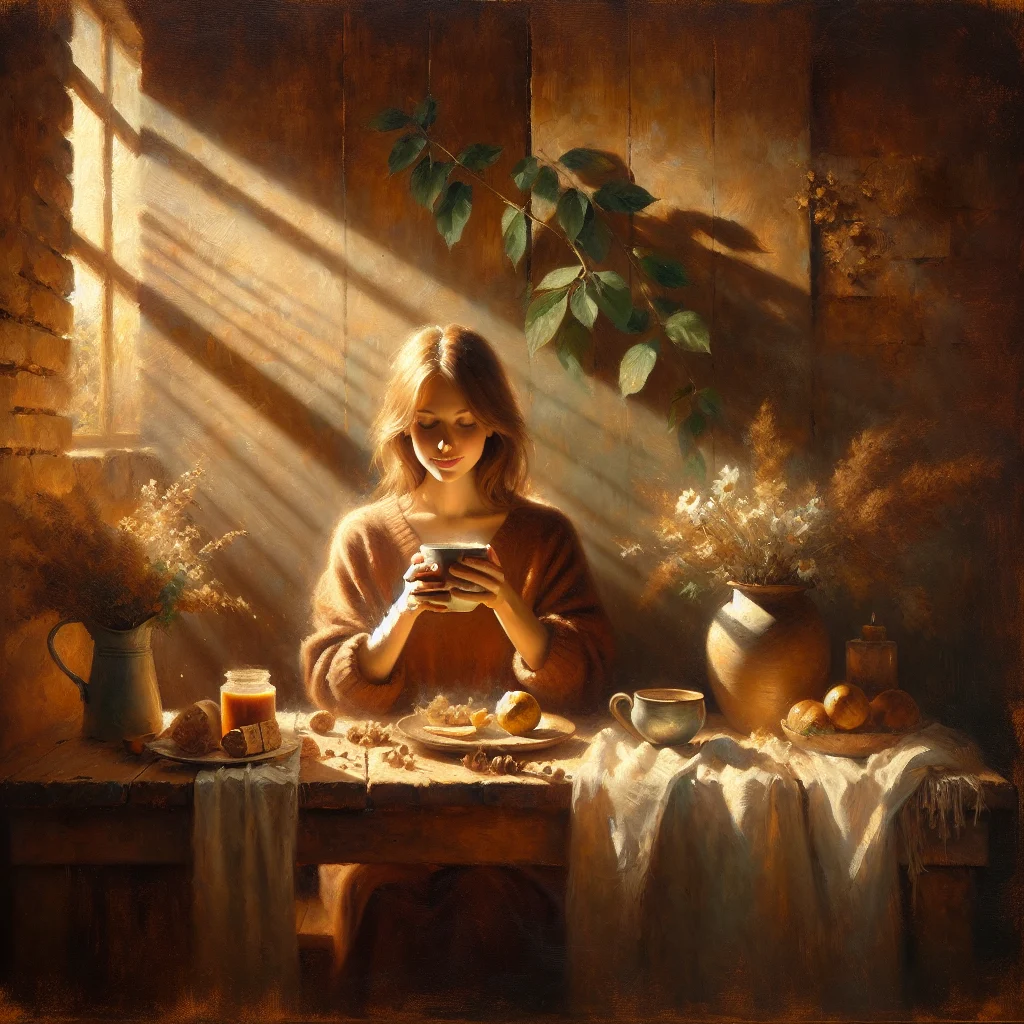
The vibes slow living movement represents more than just a trend—it’s a fundamental shift in how we approach our daily existence. At its core, this philosophy challenges the notion that faster always means better. According to the slow movement, which originated in Italy during the 1980s, we can reclaim our time by making deliberate choices about our consumption, work, and relationships.
However, what distinguishes vibes slow living from traditional slow living is its emphasis on creating the right atmosphere and energy in your life. It’s not just about slowing down—it’s about curating experiences that feel aligned with your inner state. This approach recognizes that our environment, routines, and social connections all contribute to our overall sense of well-being.
The Core Principles of Vibes Slow Living
To truly embrace this lifestyle, you’ll want to understand its foundational elements. These principles serve as guideposts for making decisions that support a more intentional existence:
Free Guided Meditation · Day 1
You Are Safe Right Now.
5 min · Breathwork & body scan · Stress release
Liked it? Get the full audio.
Enter your email and we'll send you the complete 5-minute meditation — free, straight to your inbox.
Zero spam. Unsubscribe anytime.
Check Your Inbox.
Your full 5-minute meditation is on its way. Open the email and hit play — your reset starts now.
Can't find it? Check your spam folder.
- Mindful awareness: Paying attention to the present moment without judgment
- Intentional simplicity: Removing excess to make room for what matters
- Quality connections: Prioritizing depth over breadth in relationships
- Natural rhythms: Aligning with your body’s needs and seasonal changes
- Creative expression: Making time for activities that nourish your soul
These principles work together to create a lifestyle that feels both grounding and liberating. For instance, when you practice mindful awareness while preparing a meal, you’re not just feeding your body—you’re creating a sensory experience that engages all your faculties. Similarly, honoring natural rhythms might mean going to bed earlier in winter months or taking breaks when your energy naturally dips.
Why Vibes Slow Living Matters Now More Than Ever
Our contemporary world presents unprecedented challenges to our mental and physical health. Research from the World Health Organization indicates that stress-related conditions have reached epidemic proportions globally. Moreover, the constant connectivity enabled by technology means we rarely experience true downtime.
The vibes slow living approach offers a practical framework for addressing these challenges. By intentionally creating spaces and routines that support rest and reflection, we can counteract the harmful effects of chronic stress. This isn’t about rejecting technology or modern conveniences entirely—it’s about using them mindfully and maintaining boundaries that protect our well-being.
Furthermore, this lifestyle choice aligns with growing concerns about environmental sustainability. When we slow down and consume more consciously, we naturally reduce our ecological footprint. Learn more about whether slow living is lazy and discover why this mindset shift represents strength rather than weakness.
Creating Your Vibes Slow Living Environment
Your physical surroundings profoundly influence your ability to embrace a slower pace. In fact, environmental psychology research demonstrates that cluttered, chaotic spaces contribute to elevated cortisol levels and decreased focus. Therefore, transforming your living space becomes an essential first step in your slow living journey.
Decluttering with Purpose and Intention
Begin by examining each area of your home with fresh eyes. Rather than rushing through a massive purge, take a measured approach. Spend fifteen minutes each day in one specific area, asking yourself whether each item serves a function or brings you genuine joy. This method prevents overwhelm while ensuring thoughtful decisions.
As you declutter, consider these guiding questions:
- Does this item support my current lifestyle and values?
- Have I used this in the past year?
- Does it create a positive feeling when I see or use it?
- Would I buy this again today?
Through this process, you’ll discover that less truly becomes more. Empty surfaces and open spaces allow energy to flow more freely throughout your home. Additionally, maintaining a simplified environment requires less cleaning and organizing time, freeing you for more meaningful activities.
Designing Spaces That Nurture Slow Living Vibes
Once you’ve cleared the clutter, focus on intentionally designing spaces that support relaxation and presence. Natural materials like wood, stone, and cotton create warmth and texture while connecting us to the earth. Meanwhile, incorporating plants not only improves air quality but also brings living energy into your home.
Lighting plays a crucial role in setting the right atmosphere. Harsh overhead lights can feel jarring and unnatural, whereas layered lighting with lamps, candles, and natural light creates depth and coziness. Consider installing dimmer switches or using warm-toned bulbs to create evening ambiance that signals your body to wind down naturally.
Color choices also matter significantly. While personal preference should guide your selections, generally speaking, muted earth tones, soft blues, and warm neutrals promote calmness. Conversely, bright, saturated colors can feel energizing but may not support the restful vibes you’re cultivating. Explore more ideas in our article about the art of slow living.
Crafting a Vibes Slow Living Daily Routine
Your daily habits shape your life more than any single decision ever could. Consequently, establishing routines that reflect slow living principles becomes paramount for sustainable change. The key lies in creating structure that supports rather than constrains you.
Morning Rituals That Set the Tone
How you begin your day determines much about how it unfolds. Instead of immediately reaching for your phone, consider establishing a morning routine that grounds you in the present moment. This might include gentle stretching, journaling, or simply sitting quietly with your coffee or tea.
Many practitioners of vibes slow living swear by the power of a leisurely breakfast. Rather than grabbing something quick, they prepare a nourishing meal and eat it without distractions. This practice accomplishes multiple goals simultaneously—it provides proper nutrition, creates a moment of self-care, and trains your mind to slow down from the day’s outset.
Because our mornings often feel rushed, you might need to wake slightly earlier to accommodate these practices. However, the investment pays dividends throughout the day. You’ll likely notice improved focus, steadier energy levels, and greater emotional resilience when challenges arise.
Mindful Transitions Throughout Your Day
Between major activities, create intentional transitions rather than rushing from one thing to the next. For example, after finishing work, you might take a short walk, change clothes, or perform a brief meditation before starting evening activities. These transitions help your nervous system shift gears appropriately.
During your workday, schedule regular breaks that allow genuine rest. The Pomodoro Technique—working in focused intervals followed by short breaks—aligns beautifully with slow living principles. Additionally, these pauses improve productivity and creativity while preventing burnout.
Check out our detailed guide on slow living daily routine for more specific ideas you can implement immediately.
Evening Wind-Down Practices
Your evening routine deserves just as much attention as your morning rituals. As the day closes, gradually reduce stimulation through dimmed lighting, calmer activities, and decreased screen time. Many slow living enthusiasts establish a “digital sunset” time after which they avoid phones and computers entirely.
Consider creating an evening ritual that signals to your body it’s time to rest. This might include:
- Taking a warm bath with essential oils
- Reading physical books rather than electronic devices
- Gentle yoga or stretching exercises
- Preparing tomorrow’s essentials to reduce morning stress
- Reflecting on three things you’re grateful for from the day
These practices activate your parasympathetic nervous system, which controls rest and digestion. As a result, you’ll fall asleep more easily and enjoy deeper, more restorative sleep throughout the night.

Slow Living Vibes in Your Relationships
The quality of our relationships directly impacts our overall life satisfaction. Yet in our hurried culture, we often give our loved ones whatever energy remains after everything else. Vibes slow living invites us to reverse this priority, ensuring our most important connections receive our best attention.
Cultivating Presence with Loved Ones
Being physically present differs dramatically from being mentally and emotionally available. When spending time with family or friends, practice putting away distractions and offering your full attention. This might feel challenging initially, especially if you’re accustomed to multitasking during social interactions.
Quality conversations happen when both parties feel heard and valued. Therefore, resist the urge to check your phone, plan your response while others speak, or rush through interactions. Instead, practice active listening by maintaining eye contact, asking thoughtful questions, and reflecting back what you’ve heard.
Furthermore, prioritize regular one-on-one time with the people who matter most. Group gatherings have their place, but intimate conversations create deeper bonds. Schedule weekly coffee dates, evening walks, or phone calls with distant friends to maintain these vital connections.
Setting Boundaries That Protect Your Energy
Paradoxically, embracing slow living sometimes requires saying no more frequently. Boundaries aren’t about being selfish—they’re about being honest regarding your capacity. When you overcommit, you show up depleted and resentful, which serves no one well.
Learn to evaluate invitations and requests against your values and energy levels. Ask yourself whether an activity aligns with your slow living intentions or simply adds obligation to your schedule. Remember, every yes to something represents a no to something else—perhaps rest, creative time, or family connection.
Communicate your boundaries clearly and kindly. Most people respect honesty far more than reluctant agreement. You might say, “I appreciate the invitation, but I’m protecting my evening time for rest right now” or “That sounds wonderful, but I need to decline to honor my current priorities.”
Nourishing Your Body Through Vibes Slow Living
Our relationship with food and movement profoundly affects our ability to live slowly and intentionally. In contrast to diet culture’s restrictive approach, vibes slow living encourages a gentler, more intuitive connection with your physical needs.
Mindful Eating and Food Preparation
Transforming meals into meditation begins with slowing down the entire process. Start by sourcing ingredients thoughtfully—visiting farmers’ markets, growing herbs on your windowsill, or choosing seasonal produce. These practices connect you to food’s origins while supporting sustainable agriculture.
During preparation, engage all your senses. Notice the colors, textures, and aromas as you chop vegetables or season dishes. Play music that soothes you, or enjoy the natural sounds of cooking. This transforms a necessary task into a creative, meditative practice.
While eating, eliminate distractions like television, phones, or reading material. Chew slowly, savoring each bite’s flavors and textures. Pause between bites, setting down your utensils and taking breaths. This approach not only enhances enjoyment but also improves digestion and helps you recognize satiety signals.
Movement That Honors Your Body’s Wisdom
Exercise needn’t involve punishing workouts or rigid schedules. Instead, vibes slow living encourages joyful movement that feels good in your body. This might include walking in nature, gentle yoga, dancing to favorite songs, or swimming.
Listen to your body’s signals about when it needs activity versus rest. Some days call for vigorous exercise, while others require gentle stretching or complete rest. Trusting these intuitions rather than following external rules represents an essential aspect of slow living.
Consider incorporating practices that combine movement with mindfulness, such as tai chi, qigong, or walking meditation. These activities simultaneously strengthen your body and calm your mind, perfectly embodying the slow living philosophy.
Finding Your Creative Expression in Slow Living
Creativity flourishes when we stop rushing and create space for exploration without specific outcomes. Unfortunately, many adults abandon creative pursuits because they don’t consider themselves “talented enough.” Vibes slow living rejects this limiting belief, recognizing that creativity serves our souls regardless of skill level.
Reclaiming Hobbies and Interests
Think back to activities you enjoyed before life became so busy. Perhaps you once painted, played an instrument, gardened, or wrote poetry. These abandoned interests often hold keys to our authentic selves. Reintroducing them—even in small doses—can reconnect you with forgotten parts of yourself.
Start without pressure or expectations. Give yourself permission to be a beginner, to make mistakes, and to create things nobody else will see. The value lies in the process itself, not the product. Set aside regular time for these activities, treating them as non-negotiable appointments with your creative spirit.
Embracing Analog Activities
Digital entertainment certainly has its place, but analog activities offer unique benefits for slow living practitioners. Reading physical books, writing in journals, working puzzles, or playing board games engages us differently than screens do. These activities typically feel more restful and satisfying, leaving us energized rather than depleted.
Moreover, analog hobbies often facilitate connection with others in meaningful ways. Cooking together, working on crafts, or playing music creates shared experiences that strengthen relationships while nurturing individual creativity.
Explore holistic living practices that combine creativity with wellness for additional inspiration.
Overcoming Obstacles to Vibes Slow Living
Despite its appeal, transitioning to a slower lifestyle presents real challenges. Understanding common obstacles helps you navigate them more skillfully when they arise.
Dealing with Guilt and External Pressure
You may encounter resistance from others who don’t understand your choices. Friends might feel rejected when you decline invitations, or family members might question your priorities. Additionally, internal guilt often surfaces when you’re resting while others appear productive.
Remember that you’re not obligated to justify your lifestyle choices to anyone. However, sharing your intentions helps others understand your perspective. Explain that you’re intentionally prioritizing well-being and presence, which ultimately makes you more available for meaningful connection.
When guilt arises internally, examine its source. Often, we’ve internalized messages equating busyness with worthiness. Challenge these beliefs by recognizing that your value doesn’t depend on constant productivity. Rest, reflection, and pleasure are legitimate needs, not luxuries to earn.
Managing Financial Realities
Some interpret slow living as requiring expensive organic foods, yoga retreats, or career changes. While these things can support the lifestyle, they’re certainly not requirements. In fact, slow living often reduces expenses by decreasing consumption and emphasizing free or low-cost activities.
Focus on what’s accessible to you right now. Free nature walks, library books, home-cooked meals using affordable ingredients, and quality time with loved ones cost nothing. These simple pleasures often provide more satisfaction than expensive purchases ever could.
If career changes interest you, approach them gradually. Perhaps start by setting firmer boundaries at your current job before making major transitions. Explore the concept of embracing wonder in a fast-paced world regardless of your work circumstances.
Navigating a Fast-Paced World
Even with the best intentions, external demands sometimes require faster paces. Deadlines, family responsibilities, and unexpected challenges don’t disappear simply because you’ve embraced slow living. Therefore, flexibility becomes essential.
Rather than viewing slow living as all-or-nothing, think of it as a continuum. Some days or seasons naturally involve more activity than others. The practice lies in maintaining intentionality even during busy periods, returning to slower rhythms when possible, and avoiding the trap of making busyness your default state.
Build buffer time into your schedule for the unexpected. When things run late or crises emerge, you won’t feel quite so pressured. Additionally, regularly reassess your commitments, releasing what no longer serves your well-being or values.
Seasonal Rhythms and Vibes Slow Living
Ancient wisdom traditions recognized that humans thrive when aligned with natural cycles. The Japanese concept of ma, for instance, emphasizes the importance of space, silence, and natural timing. Incorporating seasonal awareness into your slow living practice creates deeper connection with both inner and outer landscapes.
Adapting Your Routines Throughout the Year
Each season invites different energies and activities. Winter calls for introspection, rest, and cozy indoor pursuits. Conversely, summer naturally encourages outdoor adventures, social gatherings, and extended daylight activities. Working with these natural inclinations rather than against them reduces resistance and enhances well-being.
Adjust your schedule to honor seasonal rhythms. During darker months, permit yourself earlier bedtimes and slower mornings. When spring arrives, welcome the energy of renewal through decluttering, starting new projects, or spending more time outdoors. This flexibility prevents the monotony that sometimes accompanies rigid routines.
Celebrating Seasonal Transitions
Mark the changing seasons with simple rituals that ground you in the present cycle. This might include decorating your home with seasonal elements, preparing foods that reflect what’s currently growing, or acknowledging equinoxes and solstices through reflection or celebration.
These practices connect us to something larger than our individual concerns. They remind us that change remains constant, that difficult seasons pass, and that beauty exists in every phase of the cycle. Such perspective proves invaluable during challenging times.
Technology and Vibes Slow Living: Finding Balance
Technology presents unique challenges for slow living practitioners. While digital tools offer genuine benefits, they also create addictive patterns and constant distraction. Therefore, developing a mindful relationship with technology becomes essential.
Creating Healthy Digital Boundaries
Begin by auditing your current technology use. Track how much time you spend on various devices and apps, then honestly assess whether this aligns with your values. Many people discover they’re spending hours daily on activities that provide minimal satisfaction or value.
Implement specific boundaries that support your slow living intentions:
- Designate phone-free zones in your home (bedrooms, dining areas)
- Establish technology-free times (first hour after waking, last hour before bed)
- Turn off non-essential notifications to reduce constant interruptions
- Use website blockers during focused work or creative time
- Delete apps that drain your time without adding value
These boundaries might feel uncomfortable initially, particularly if you’ve developed strong digital habits. However, most people report feeling significant relief once they establish healthier patterns. The constant pull of notifications decreases, leaving space for presence and peace.
Using Technology Intentionally
Rather than vilifying technology entirely, vibes slow living encourages intentional use. Digital tools can support your journey through meditation apps, online communities of like-minded individuals, or educational resources that deepen your understanding.
The distinction lies in whether you’re using technology purposefully or allowing it to use you. Before picking up your phone, pause and ask what you’re seeking. If you have a specific purpose—checking an appointment, messaging a friend—complete that task and put the device away. Mindless scrolling typically leaves us feeling worse rather than better.
Consider curating your digital environment as carefully as your physical space. Follow accounts that inspire and uplift rather than those that trigger comparison or anxiety. Join online communities focused on personal growth and positive values.
Sustaining Your Vibes Slow Living Practice
Initial enthusiasm for lifestyle changes often fades when challenges arise or results feel slow to materialize. Building sustainability into your slow living practice ensures it becomes a lasting transformation rather than a temporary experiment.
Starting Small and Building Gradually
Attempting to overhaul your entire life overnight virtually guarantees failure. Instead, choose one or two practices from this article to implement first. Master these before adding additional changes. This gradual approach prevents overwhelm while building confidence through success.
For instance, you might begin with a simple morning ritual and evening digital sunset. Once these feel established, add mindful eating practices. Then perhaps incorporate regular nature time or creative sessions. Each small change compounds over time, eventually creating significant transformation.
Finding Community and Support
Surrounding yourself with others who share your values makes sustaining any lifestyle change dramatically easier. Seek out slow living communities—both online and in your local area. These connections provide encouragement during difficult moments, inspiration through shared experiences, and accountability that keeps you moving forward.
You might also find value in working with guides or mentors who embody the lifestyle you’re cultivating. Books, courses, and programs offer structured support for deepening your practice. For example, The Self-Love Reset provides a comprehensive journey toward rediscovering yourself through slower, more intentional living.
Embracing Imperfection and Self-Compassion
Some days you’ll completely abandon your slow living intentions. You’ll mindlessly scroll for hours, snap at loved ones, or fill your schedule too full. These moments don’t represent failure—they’re simply part of being human. What matters most is how you respond to them.
Practice self-compassion by treating yourself as you would a dear friend. Acknowledge what happened without harsh judgment, identify what triggered the old patterns, and gently return to your intentions. Each moment offers a fresh opportunity to choose again, regardless of previous choices.
Remember that slow living exists on a spectrum rather than as a binary state. Progress follows a spiral path rather than a straight line. You’ll revisit similar challenges at different levels, each time with slightly more wisdom and skill.
The Deeper Purpose of Vibes Slow Living
Ultimately, vibes slow living serves a purpose far beyond personal comfort or stress reduction. This lifestyle choice represents a radical act of reclaiming your humanity in a system that often treats people as mere productivity units.
When you slow down, you create space to hear your authentic voice beneath the noise of external expectations. You remember what truly matters to you, what brings you alive, and how you want to contribute during your time on earth. These insights prove impossible to access when you’re constantly rushing from one obligation to the next.
Moreover, living slowly often naturally aligns with values of sustainability, compassion, and justice. When you’re present enough to notice the world around you, you become more aware of interconnection and your impact on others and the environment. This awareness often inspires choices that benefit not just yourself but your community and planet.
The vibes slow living movement invites us to imagine and create a different way of being—one that honors rest, celebrates simple pleasures, and recognizes that our worth extends infinitely beyond our accomplishments. In a world that constantly pushes for more, faster, better, choosing to slow down becomes a revolutionary act of self-love and resistance.
As you continue your journey, remember that you’re not alone. Countless others around the world are also choosing presence over productivity, quality over quantity, and being over doing. Together, we’re creating cultural change one intentional moment at a time.
Ready to deepen your practice? Manifest Your Dreams: A Practical Guide to the Law of Attraction offers powerful techniques for aligning your outer life with your inner vision, perfectly complementing your slow living journey.
Silence the Chaos in Your Head —
in 5 Minutes Flat.
Get instant access to a free guided meditation audio that rewires your nervous system for calm, kills anxiety at the root, and resets your entire day — no experience needed.
- Instantly drop cortisol levels — feel the shift before the 5 minutes is up
- Unlock razor-sharp focus — designed for high-achievers who can't afford brain fog
- Break the anxiety loop for good — a repeatable reset, every single morning
- 100% free, zero fluff — no apps, no subscriptions, just results
You're In.
Check Your Inbox.
Your free 5-minute guided meditation is on its way.
Open the email and hit play — your first reset starts now.
Can't find it? Check spam and mark us as safe.

