
If you’ve ever felt your heart race before a presentation or your stomach knot during a stressful week, you already know how anxiety can take over both mind and body. When it comes to finding relief, two of the most accessible practices stand out: walking vs yoga for anxiety relief. Both require minimal equipment, cost nothing, and can be done almost anywhere. However, they work in fundamentally different ways to calm your nervous system.
While walking gets you moving through space and fresh air, yoga combines physical postures with breathwork and mindfulness. For many people struggling with anxiety, choosing between these two practices feels confusing. Should you lace up your sneakers or roll out a mat? In this article, we’ll explore how each approach helps reduce anxiety, what the science says, and how to decide which one fits your needs best.
Before we dive deeper, if you’re feeling overwhelmed right now and need immediate relief, try this free 5-minute meditation to feel safe. It requires no card, no commitment—just a few minutes of your time.

How Walking Reduces Anxiety
Walking might seem too simple to make a real difference, but research consistently shows it’s one of the most effective natural anxiety reducers. When you walk, especially at a brisk pace, your body releases endorphins—chemicals that naturally elevate your mood and reduce stress hormones like cortisol.
According to the American Psychological Association, regular physical activity helps regulate the body’s stress response system. Walking outdoors adds another layer of benefit because exposure to nature has been proven to lower anxiety levels independently of exercise itself.
Physical Benefits of Walking for Anxiety
- Cardiovascular stimulation: Gets blood flowing, which helps clear stress-related tension
- Rhythmic movement: Creates a meditative state through repetitive motion
- Oxygen intake: Deep breathing while walking increases oxygen to the brain
- Muscle relaxation: Gentle movement releases physical tension stored in the body
Furthermore, walking doesn’t require any special skills or training. You can start immediately, whether you have five minutes or fifty. This accessibility makes it particularly valuable during moments when anxiety builds during the day and you need quick relief.
Mental Benefits of Walking
Beyond the physical effects, walking provides psychological advantages that directly counter anxiety symptoms. For instance, the change of scenery interrupts ruminating thought patterns that often fuel anxious feelings. Additionally, walking gives your mind something neutral to focus on—your surroundings, your steps, the rhythm of your breath.
Many people find that their best ideas and clearest thinking emerge during walks. This happens because walking activates the default mode network in your brain, which is associated with creative problem-solving and emotional processing. As a result, worries that felt insurmountable indoors often become manageable after a twenty-minute walk.
How Yoga Addresses Anxiety
Yoga takes a different approach to anxiety relief by combining physical postures, controlled breathing, and mindfulness practices. Unlike walking, which primarily works through cardiovascular activity, yoga activates your parasympathetic nervous system—the part of your nervous system responsible for rest and recovery.
Research published in the Harvard Medical School journal indicates that yoga practitioners experience significant reductions in anxiety symptoms, partly because yoga increases GABA levels in the brain—a neurotransmitter that promotes calmness.
Components That Make Yoga Effective
Yoga’s anxiety-reducing power comes from its multi-dimensional approach:
- Pranayama (breathing exercises): Techniques like alternate nostril breathing directly calm the nervous system
- Asanas (physical postures): Stretching and strengthening poses release stored tension
- Mindfulness: Present-moment awareness interrupts anxious thought loops
- Meditation: Many yoga sessions end with guided relaxation that deepens the calming effects
Because yoga requires focused attention on alignment and breath, it naturally pulls your mind away from anxiety-producing thoughts. This makes it especially helpful for people whose anxiety manifests as racing thoughts or mental overwhelm. If you’re interested in exploring more mindfulness and meditation practices, yoga serves as an excellent gateway.
Types of Yoga Best Suited for Anxiety
Not all yoga styles offer the same anxiety-relief benefits. While power yoga and vinyasa flow provide excellent workouts, they might feel too intense when you’re already feeling anxious. Instead, consider these gentler approaches:
- Restorative yoga: Uses props to support passive stretching, promoting deep relaxation
- Yin yoga: Involves holding poses for several minutes, calming both body and mind
- Hatha yoga: Slower-paced with emphasis on breath awareness
- Yoga nidra: A guided meditation practice sometimes called “yogic sleep”
These styles specifically target the nervous system’s relaxation response, making them more effective than vigorous styles for immediate anxiety relief.
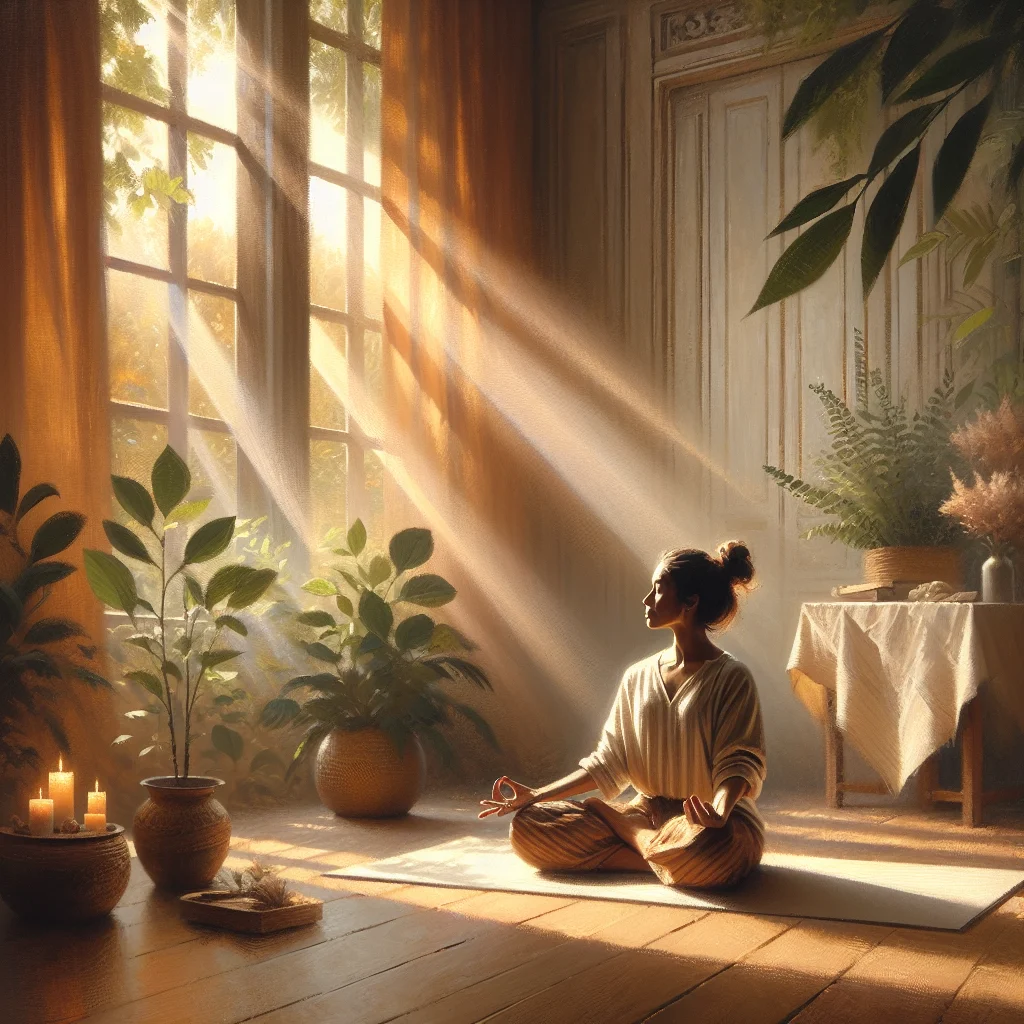
Walking vs Yoga for Anxiety Relief: The Science
When we compare walking vs yoga for anxiety relief from a scientific standpoint, both show impressive results, though through different mechanisms. A meta-analysis published in the Journal of Psychiatric Research found that both aerobic exercise (like walking) and yoga significantly reduce anxiety symptoms.
However, the studies revealed some interesting differences. Walking tends to provide more immediate mood elevation due to endorphin release, while yoga’s effects may build more gradually but last longer. Moreover, yoga appears particularly effective for people whose anxiety includes physical symptoms like muscle tension, digestive issues, or sleep problems.
Comparing Time Investment and Accessibility
One practical consideration involves how much time and resources each practice requires. Walking wins in terms of absolute accessibility—you need nothing but functional mobility and a safe place to walk. In contrast, yoga initially requires learning proper form, though countless free online videos have made this easier than ever.
Time-wise, you can experience benefits from a 10-minute walk just as you can from a 10-minute yoga sequence. Nevertheless, many people find that yoga requires slightly more mental energy to begin, especially when learning new poses. This means walking might be better when your anxiety levels are extremely high and you need something utterly simple.
Which One Should You Choose?
The honest answer is: it depends on your specific anxiety triggers, preferences, and circumstances. Rather than viewing this as an either-or decision, consider these factors to guide your choice:
Choose Walking When:
- You feel restless or have excess nervous energy
- You need to clear your head and gain perspective
- You have limited time and need something you can do immediately
- Being outdoors appeals to you
- You prefer solitary activities or want to listen to podcasts while moving
Walking works exceptionally well for what I call “buzzing” anxiety—when you feel wired, unable to sit still, and need to burn off nervous energy. It’s also perfect when you need quick ways to calm down at work during your lunch break.
Choose Yoga When:
- Your anxiety manifests as physical tension (tight shoulders, jaw clenching, etc.)
- Racing thoughts dominate your experience
- You want to develop a deeper mind-body connection
- Weather or safety concerns make outdoor walking difficult
- You enjoy structured practice with clear beginning and end points
Yoga excels at addressing “gripping” anxiety—when you feel tight, constricted, and need to release both physical and mental holding patterns. It’s also valuable as part of your mental health and wellbeing routine.
Combining Walking and Yoga: The Best of Both Worlds
Perhaps the most effective approach doesn’t involve choosing at all. Many anxiety specialists recommend incorporating both practices into your routine because they complement each other beautifully. For example, you might walk in the morning to energize yourself and practice restorative yoga in the evening to wind down.
Alternatively, you could alternate based on your current state. On days when anxiety feels overwhelming and you can’t imagine holding still, a brisk walk might be exactly what you need. Conversely, on days when you feel scattered and disconnected from your body, a gentle yoga session could bring you back to center.
Creating Your Personal Anxiety-Relief Toolkit
Think of walking and yoga as tools in your anxiety management toolkit rather than competing solutions. Just as you wouldn’t use a hammer for every household repair, you don’t need to use the same anxiety-relief method every time. Building flexibility in your approach actually reduces anxiety because you’ll feel more resourceful and capable.
Consider adding these to your routine alongside walking and yoga:
- Quick breathing exercises during mini breaks for calm at work
- Progressive muscle relaxation before bed
- Journaling to process anxious thoughts
- Time in nature without a specific exercise goal
Practical Tips for Getting Started
Regardless of whether you choose walking, yoga, or both, consistency matters more than intensity. Start small to build a sustainable habit that actually reduces anxiety rather than becoming another source of pressure.
For Walking Beginners:
- Start with 10 minutes: Even brief walks provide anxiety relief
- Focus on rhythm: Match your breathing to your steps (inhale for 4 steps, exhale for 4 steps)
- Choose pleasant routes: Nature settings amplify the calming effects
- Leave your phone behind: Or keep it on airplane mode to avoid distractions
- Notice your surroundings: Engage your senses to stay present
For Yoga Beginners:
- Start with beginner videos: Yoga with Adriene offers excellent free anxiety-focused sessions
- Don’t worry about perfection: Yoga is about how it feels, not how it looks
- Focus on breath: If you remember nothing else, keep breathing slowly and deeply
- Use props: Blocks, blankets, and bolsters make poses accessible and comfortable
- End with savasana: Always allow time for final relaxation pose
Remember that building any new habit takes time. Be patient with yourself and celebrate small victories. If you miss a day, simply begin again without self-criticism—that itself is an anxiety-reducing practice.
When to Seek Additional Support
While both walking and yoga effectively manage mild to moderate anxiety, they work best as part of a comprehensive approach to mental health and wellbeing. If your anxiety significantly interferes with daily life, persists despite self-care efforts, or includes panic attacks, please consult a mental health professional.
These practices complement therapy and, when necessary, medication—they don’t replace professional treatment for clinical anxiety disorders. Think of them as powerful tools that enhance your overall mental health strategy rather than standalone solutions for severe anxiety.
Final Thoughts on Walking vs Yoga for Anxiety Relief
The debate between walking vs yoga for anxiety relief doesn’t require a definitive winner. Both practices offer scientifically-supported benefits, and both can transform how you experience and manage anxiety. Walking provides accessible, immediate relief through movement and fresh air, while yoga offers deeper nervous system regulation through breath, mindfulness, and gentle stretching.
Your best choice depends on your individual needs, preferences, and circumstances. However, why limit yourself to one when you can benefit from both? Experiment with each practice, notice what works for your body and mind, and build a flexible routine that serves you across different situations and anxiety levels.
The most important step is simply beginning. Whether you take a walk around your neighborhood today or spend ten minutes on a yoga mat, you’re actively caring for your mental health. That decision alone—to prioritize your wellbeing—already moves you toward greater calm and resilience.
If you need support getting started with anxiety relief techniques, remember that free 5-minute safety meditation is always available when you need to ground yourself quickly. Sometimes the best practice is the one you’ll actually do, so choose what feels most accessible right now and trust that you’re moving in the right direction.

