
Discovering the 12 Types of Meditation for a Calmer Life
Whether you’re just beginning your mindfulness journey or looking to expand your existing practice, understanding the 12 types of meditation can help you choose the one that suits your lifestyle, mindset, and goals. From mindfulness to movement, each technique offers unique benefits that can lead to inner peace, stress reduction, and emotional clarity. Many people assume meditation is only about sitting still and clearing the mind — but the reality is much richer and more personal.
If you’re new to meditation, Everyday Calm: A Beginner’s Guide to Daily Meditation is a great place to start. It simplifies meditation techniques so you can make them a natural part of your day.
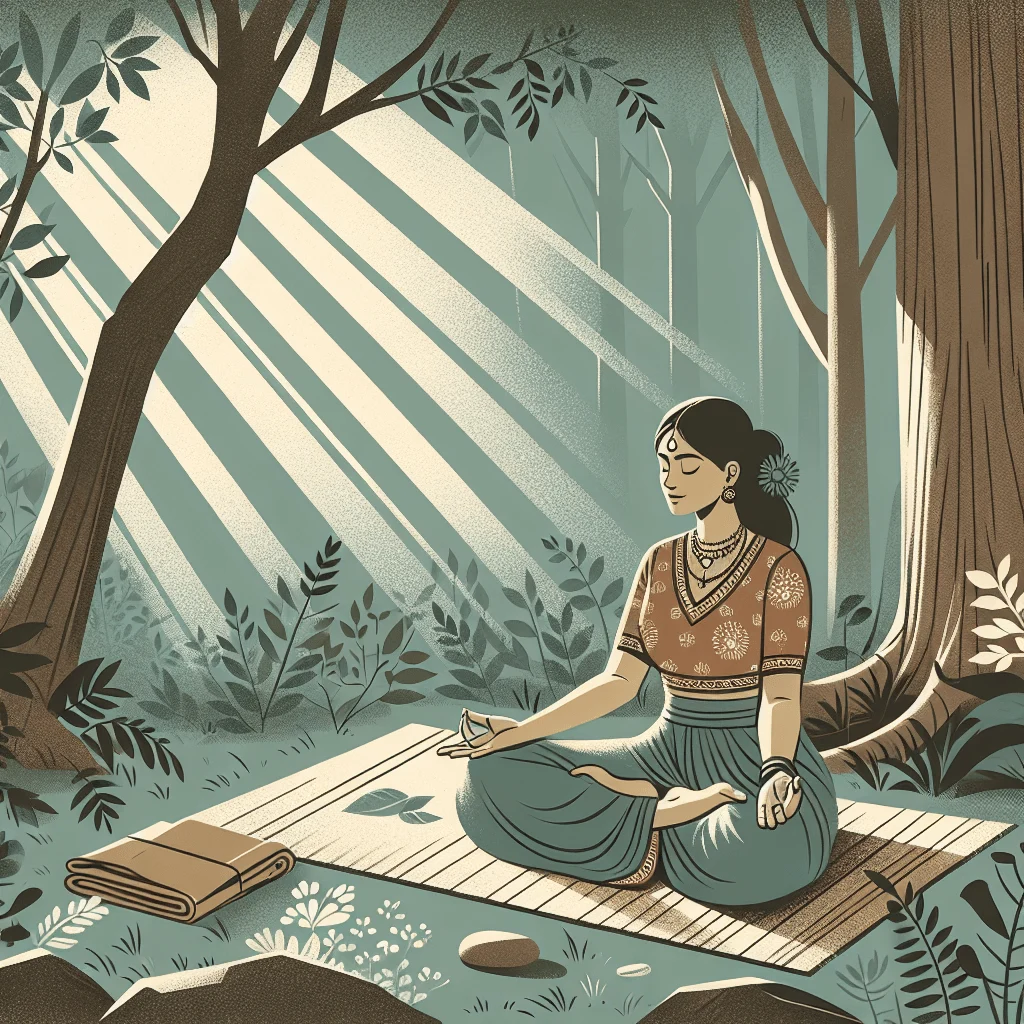
Why Explore Different Types of Meditation?
Meditation isn’t a one-size-fits-all practice. Different types serve different purposes. Some are better for enhancing focus, others help process emotions and build resilience. Exploring the 12 forms of meditation allows you to find what resonates with your unique personality, challenges, and lifestyle.
1. Mindfulness Meditation
This practice, rooted in Buddhist traditions, focuses on paying attention to your thoughts as they pass through your mind. You observe them without judgment but also without getting involved.
It’s a powerful technique for people struggling with anxiety and racing thoughts. If you’re looking to learn more, check out our post on mindfulness scripts for everyday use.
2. Spiritual Meditation
Spiritual meditation is commonly practiced in Eastern religions such as Hinduism and Daoism, but it also appears in Christianity and other belief systems. This technique involves connecting with a higher power through prayer or contemplation.
To explore this further, our resources on Christian mindfulness and Christian guided meditation might be beneficial.
3. Focused Attention Meditation
Focused meditation emphasizes concentrating on a single object, sound, or thought. Whether it’s your breath, a mantra, or a candle flame, the goal is to fix your mind and bring it back whenever it wanders.
4. Movement Meditation
Perfect for those who find peace in motion, this includes practices like yoga, Tai Chi, and even walking meditations. Moving with intention and gentleness can deeply ground you in the present moment.
5. Mantra Meditation
This type of meditation uses repetitive sounds, such as “Om,” to clear the mind. It can be highly effective for improving focus over time, and many find the vibrations calming and centering.
If you’re searching for inspiration, visit our guide on good mantras for meditation.
6. Transcendental Meditation
Transcendental Meditation (TM) is a structured technique that involves silently repeating a specific mantra twice daily. Unlike some other types, TM has been widely studied and shown to reduce stress and support cardiovascular health (source).
7. Progressive Relaxation
Also known as body scan meditation, this method involves scanning the body for areas of tension and consciously relaxing them. It’s especially useful for people suffering from insomnia or tight muscles.
8. Loving-Kindness Meditation (Metta)
The aim of this practice is to cultivate an attitude of love and compassion toward everything. You typically start by directing kind thoughts toward yourself and then extend them to others, including people you may have conflicts with.
9. Visualization Meditation
In this practice, positive images and goals are visualized in the mind’s eye. It’s a favorite for those interested in the Law of Attraction and manifestation practices.
If that resonates with you, check out our popular guide: Manifest Your Dreams: A Practical Guide to the Law of Attraction.
10. Chanting Meditation
Chanting various sacred words or phrases can help vibrate the nervous system into a peaceful state. It brings together breathwork, sound, and intention, often resulting in deep awareness and joy.
11. Reflection or Contemplative Meditation
This form focuses on pondering a question like “What am I grateful for today?” or “Who am I becoming?” It’s great for self-awareness and often used in spiritual or journaling practices.
12. Guided Meditation
In guided meditation, a teacher or recording walks you through a mental journey, helping you relax, visualize, or reflect. It’s perfect for beginners or those needing help staying focused. For example, Christian meditation for sleep is a helpful way to wind down.
How to Choose the Right Meditation Style
Not sure where to start? Follow your instinct. If you enjoy movement, try yoga or walking meditation. If you love music, explore chanting or guided meditations. Start small, 5–10 minutes a day, and adjust based on what feels right.
Combining Techniques for a Holistic Practice
After some experimentation, you might find that combining two or more styles enhances your experience. For example, a session could start with mindfulness, move into a body scan, and end with a loving-kindness practice.
Many experienced practitioners use this hybrid approach to deepen both relaxation and insight.
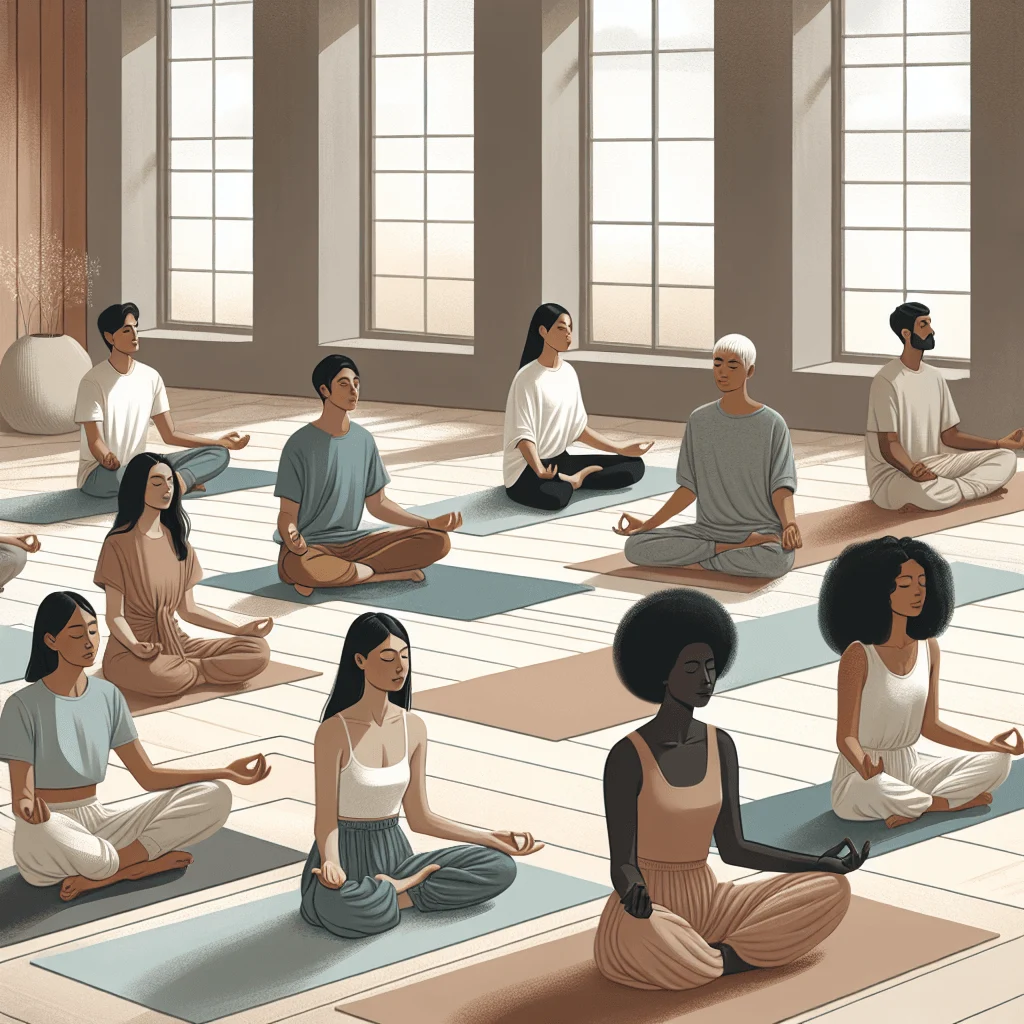
Begin Your Practice with Confidence
There’s no perfect way to meditate — only the one that’s perfect for you. Whether you’re reconnecting with yourself, managing anxiety, or exploring your spirituality, one of these 12 types of meditation is likely to fit. Start gently, stay curious, and don’t forget to track your progress.
To support your journey, consider The Self-Love Reset: A Journey to Rediscover Yourself. It pairs beautifully with many of the styles discussed here and helps make your practice more personal.

