
What is Chakra Balancing and Why Does It Matter?
If you’ve ever felt out of sync — mentally foggy, emotionally overwhelmed, or physically tired without a clear reason — it might be more than just stress. You could be experiencing chakra imbalance. So, what is chakra balancing exactly? It’s a holistic practice that focuses on aligning the body’s energy centers to restore harmony and well-being. This practice, rooted in ancient Eastern traditions, especially from India, is more than spiritual mumbo-jumbo — there’s growing recognition of its benefits among wellness communities worldwide.
Chakra balancing is about bringing awareness to your body’s energy field and empowering yourself to unblock, align and strengthen these centers. When practiced consistently, it can support emotional resilience, mental clarity, and even physical vitality.
Start balancing your energy with our Everyday Calm guide →
The Seven Chakras Explained
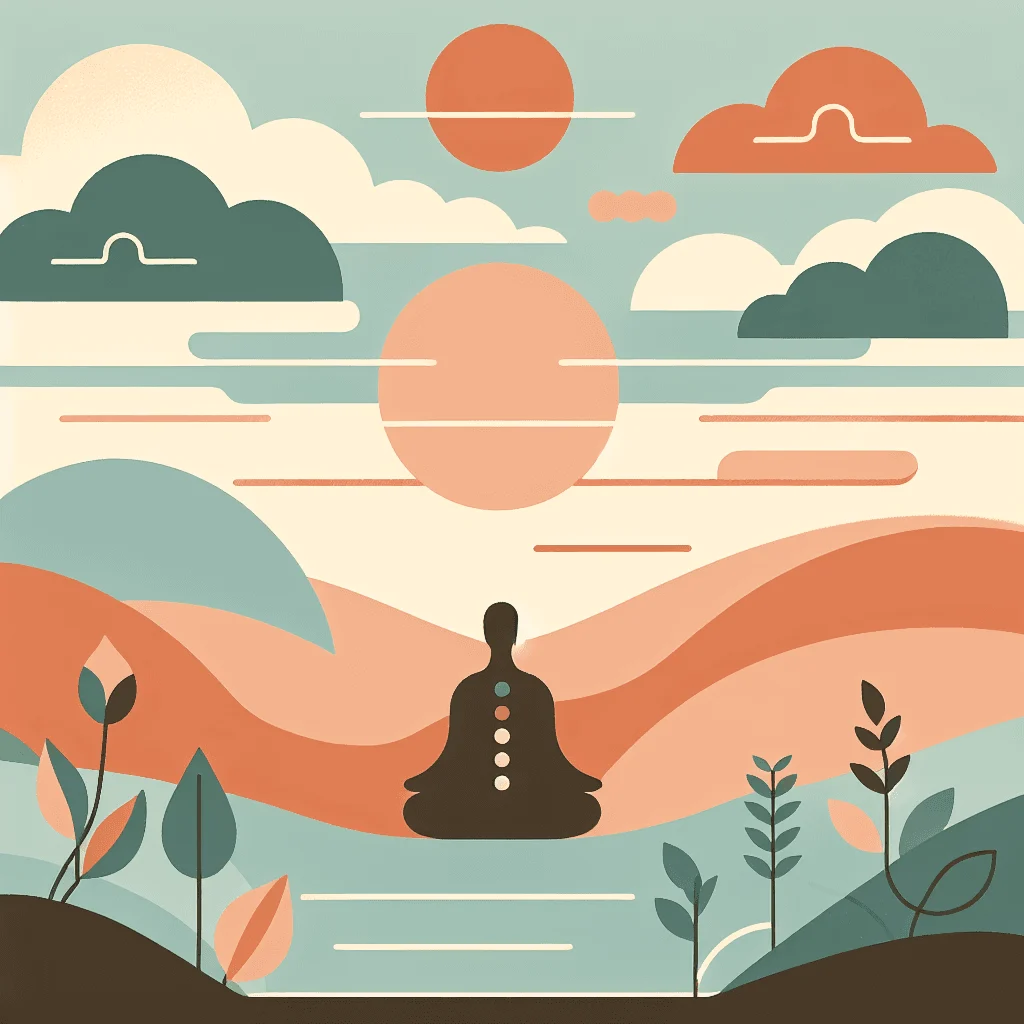
To understand chakra balancing, you first need to know what your chakras are. According to ancient energetic traditions, we have seven main chakras aligned along our spine. Each chakra corresponds to different physical, emotional, and spiritual aspects of our being:
1. Root Chakra (Muladhara)
Positioned at the base of the spine, it symbolizes stability and grounding. Signs of imbalance include anxiety, fear, and insecurity.
2. Sacral Chakra (Svadhisthana)
Located just below the navel, this chakra is tied to creativity, passion, and sensuality. Imbalance might manifest as lack of inspiration or emotional numbness.
3. Solar Plexus Chakra (Manipura)
Found above the navel, it’s your center of confidence and willpower. Low self-esteem and digestive issues may signal it’s blocked.
4. Heart Chakra (Anahata)
This chakra governs love, empathy, and forgiveness. It’s associated with relationships — both with others and ourselves. Imbalance can cause feelings of loneliness or bitterness.
5. Throat Chakra (Vishuddha)
Your communication center, it assists in expressing thoughts clearly. If blocked, expect difficulty in communication or chronic sore throats.
6. Third Eye Chakra (Ajna)
Located between the eyebrows, it’s responsible for intuition and insight. A blocked third eye might result in confusion or lack of direction.
7. Crown Chakra (Sahasrara)
Situated at the top of the head, the crown chakra connects us to higher consciousness. Disconnection from purpose or spiritual distress are common signs of imbalance here. You can explore ways to open this energy point in our article Crystals for Crown Chakra.
Signs Your Chakras May Be Out of Balance
Chakras can become blocked or overstimulated due to stress, trauma, lifestyle choices, or unresolved emotional pain. When this happens, the energy flow gets distorted, leading to dysfunction. Here are some common signs:
- Feeling “off” emotionally or mentally without explanation
- Persistent physical discomfort with no clear medical cause
- Trouble focusing or maintaining energy throughout the day
- Increased irritability or disconnection from yourself or others
Although these signs can overlap with other conditions, tuning into your chakras gives you an additional tool to understand and support your own wellness journey.
Methods of Chakra Balancing
While chakra work may seem mystical at first glance, many of its methods are surprisingly accessible. Here are some effective ways you can balance your chakras:
1. Meditation and Breathwork
Targeted meditation and mindfulness techniques help direct awareness to each chakra. Breathing exercises like alternate nostril breathing (nadi shodhana) can balance the body’s energy pathways.
2. Sound Healing
Using singing bowls, gongs, mantras, or frequency music linked to specific chakras helps shift energy and dissolve blockages. Each chakra corresponds to a note — for example, the root chakra resonates with the note C. For more tips on meditative practices, read our piece on Tantric Meditation for Couples.
3. Crystal Therapy
Crystals carry vibrational energy that can help restore balance. For instance, amethyst is excellent for the crown chakra, while carnelian supports the sacral chakra.
4. Yoga Postures
Yoga enhances energy flow through the body. Specific asanas align with each chakra, making it a powerful physical practice that complements spiritual harmony.
5. Affirmations and Visualization
Positive affirmations, paired with visualizing each chakra in its associated color, amplify healing. For example, saying “I am secure and grounded” while picturing a glowing red root chakra is deeply effective.
How Chakra Balancing Enhances Your Life
Many people who regularly practice chakra balancing report higher emotional stability, improved focus, and greater resilience. When your energetic vibration is in harmony, you feel lighter, more aligned, and connected — both to yourself and your surroundings. It’s not about never feeling sad or stressed but having the tools and inner strength to deal with life’s flows with more grace. This makes chakra work not just an act of self-care, but one of deep inner transformation.
When and How Often Should You Balance Your Chakras?
There’s no rigid schedule. However, incorporating it weekly or monthly is an excellent starting point. Like physical exercise, the benefits of chakra work build with consistency. If you’re going through emotional turbulence or big life changes, it’s a good time to realign.
Chakra Balancing in Everyday Life
You don’t always need a formal session or a yoga studio. Small daily habits can help keep your chakras balanced: spending time in nature, mindful journaling, sipping herbal teas, or even setting the intention to center yourself each morning. These acts of self-nurturing slowly tune your energetic rhythm.
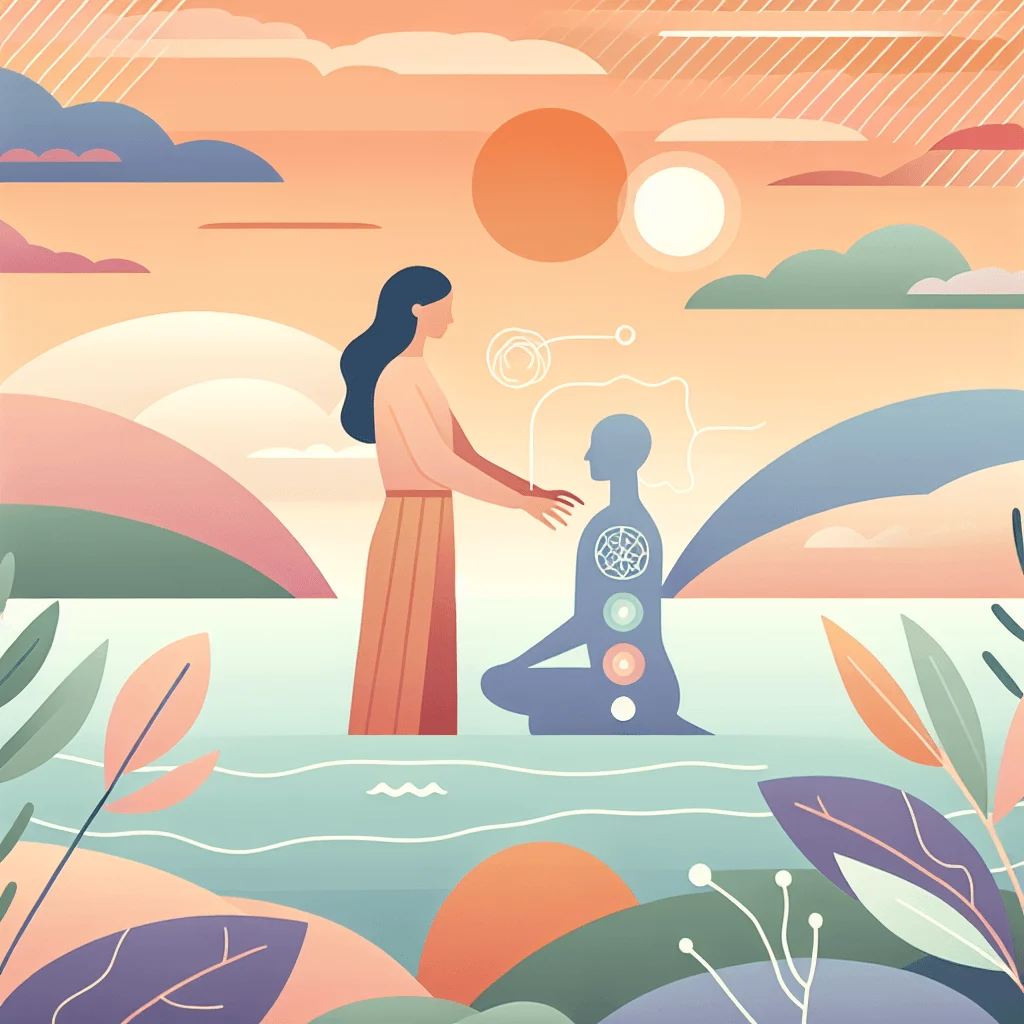
As you deepen your practice, you may begin to notice energetic shifts before physical symptoms even appear — a powerful way of staying attuned to your inner world.
Enhance your energy healing journey with Manifest Your Dreams →
Final Thoughts: The Power of Energetic Balance
So, what is chakra balancing? It’s not a luxury or an alternative trend — it’s a return to self-awareness. In a world full of distraction and speed, the simple act of turning inward and realigning your energy centers can be truly transformative. Whether you’re a skeptic or a seasoned soul seeker, beginning this journey can open doors to profound healing and personal growth.
Remember, you don’t need to perfect every technique overnight. Start small and stay curious. The more aligned your energy becomes, the more naturally you’ll flow through life’s ups and downs with ease and grace.
If you’re ready to take the first step into holistic living and inner work, check out our Spirituality & Inner Work section or dive deeper into practices with our Holistic Living category.

