
Discovering the Art of Silent Meditation
In the noise and chaos of modern life, more and more people are rediscovering the transformative power of stillness. Learning how to meditate in silence is not just about calming the mind—it’s about reconnecting with yourself on a deeper level. If you’ve been feeling overwhelmed, distracted, or simply out of touch with your inner world, silent meditation might be exactly what you need.
This article walks you through the process of silent meditation, from preparing your space to anchoring your mind in the present. Whether you’re a beginner or simply looking to refine your practice, this guide will help you create a meaningful connection with your inner silence.
Start your journey with Everyday Calm: A Beginner’s Guide to Daily Meditation.
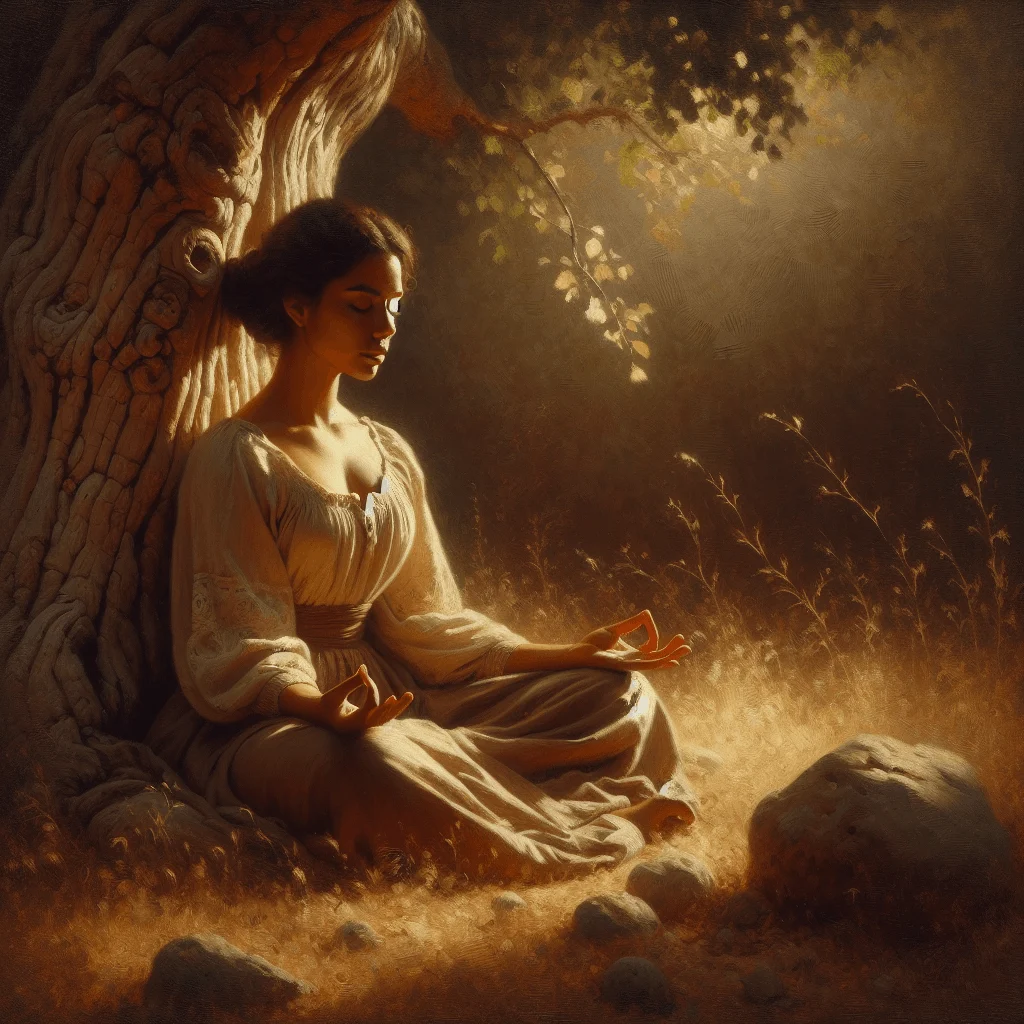
Why Silence Matters in Meditation
While guided meditations and background music can be helpful, there’s something uniquely powerful about silence. It offers a sense of stillness that allows you to observe your thoughts with clarity. According to research and spiritual traditions, silence helps reduce mental chatter and can deepen your self-awareness.
In addition, silence fosters better self-reflection. When there’s no external sound competing for your attention, you naturally turn inward. This inward focus can cultivate mindfulness, compassion, and emotional resilience over time.
And while it may feel uncomfortable at first—especially if you’re used to constant noise—it gets easier and more rewarding the more you practice.
How to Meditate in Silence: A Step-by-Step Guide
1. Prepare Your Environment
For silent meditation, your surroundings matter. Choose a quiet and clean space where you’re least likely to be disturbed. Turn off your phone or switch to airplane mode. If outside noises are a concern, earplugs or noise-canceling headphones (without playing anything) can help.
You may also want to dim the lights or light a candle to signal a shift into your self-care space. Check out the Benefits of Candle Gazing if you enjoy a visual anchor during silent meditation.
2. Find a Comfortable Position
Sit in a position that’s comfortable but upright. This helps keep your mind alert and body relaxed. Whether you sit on the floor, on a meditation cushion, or in a chair, make sure your spine is aligned.
Want to explore hand placement options? Read Different Hand Positions for Meditation for inspiration.
3. Set a Timer
Using a timer allows you to fully surrender to the present moment without worrying about the time. Start with just 5–10 minutes if you’re new to this practice. Gradually increase the length as you get more comfortable with silence.
4. Focus on Your Breath
Once you’re settled, gently bring your attention to your breath. Don’t try to change it—just observe the inhale and exhale as they are. Your breath is a natural anchor that can bring you back to the present when your mind begins to wander.
5. Observe Without Judgment
Thoughts will come—and that’s okay. The goal is not to silence your mind completely. Instead, observe thoughts as they arise, without clinging to them or pushing them away. Let them pass like clouds floating across the sky.
6. Sit with What Arises
Sometimes, silence can bring unprocessed emotions to the surface. This can be uncomfortable but also healing. Just sit with it. Allow whatever comes up to move through you. Over time, this practice helps cultivate emotional resilience and clarity.
Tips for a Deeper Silent Practice
Make It a Habit
Consistency deepens experience. Even five minutes a day can create a ripple effect throughout your life. Aim to meditate at the same time each day to establish rhythm and build a lasting habit.
Use Natural Cues
While you’re aiming for inner silence, you could use environmental cues to create a ritual. Lighting incense, stretching briefly beforehand, or meditating at sunrise can send a signal to your brain that it’s time to shift into stillness.
Combine with Journaling
After meditating in silence, take a few moments to write down what you noticed—thoughts, emotions, sensations. Journaling helps bring clarity and reinforces what you’ve processed during the session. It also allows you to track your growth over time.
Common Questions About Silent Meditation
What if I can’t find complete silence?
Total silence isn’t always possible. However, practicing with the sound of nature or a gentle hum of your home can still be powerful. The key is to let the background noise be, without attaching to it.
Can I meditate with my eyes open?
Yes. Some people choose to lower their gaze rather than close their eyes completely. This is particularly common in Vipassana meditation traditions. Try both ways and choose what feels more grounded.
How do I handle restlessness or boredom?
These feelings are completely normal. When they arise, notice them gently and bring your attention back to the breath. The more you sit with them, the less grip they have over you. Over time, inner peace replaces the initial discomfort.
The Deeper Benefits You Might Not Expect
Meditating in silence goes beyond relaxation. Research has shown that regular meditation can change the structure of your brain, reduce stress, enhance empathy, and improve memory. But it also awakens intuition, heightens awareness, and reconnects you with your higher self.
This type of meditation can also act as a bridge between your inner world and your spiritual practice. If you’re exploring Spirituality & Inner Work, silence offers a potent gateway to deeper insights.

Conclusion: Embrace the Power of Stillness
Silent meditation may look simple, but inside, it can be profoundly transformative. It teaches you to witness rather than react, to center yourself even amid chaos, and to access a deeper state of peace that’s always available. Whether you’re starting from scratch or refining your current routine, this practice will support your emotional, mental, and spiritual well-being.
If you’re looking for a structured way to bring meditation into your life, don’t miss this resource: The Self-Love Reset: A Journey to Rediscover Yourself.
For more guidance, explore our articles on what to wear to meditation and prayer and meditation benefits. You can also browse our full section on Mindfulness & Meditation for additional practices, resources, and inspiration.

