
Discovering the Path Inward: How to Do Vipassana Meditation at Home
Everyone’s looking for something that connects them deeper with themselves — something that goes beyond stress relief and into the realm of real inner peace. If you’re among those seekers, then learning how to do Vipassana meditation at home might just be the transformation you’ve been searching for. Vipassana, which means “to see things as they really are,” is one of the oldest meditation techniques passed down from the Buddha. Practiced with sincerity and patience, it offers clarity, balance, and a profound sense of calm.
→ Start your daily practice with “Everyday Calm: A Beginner’s Guide to Daily Meditation”
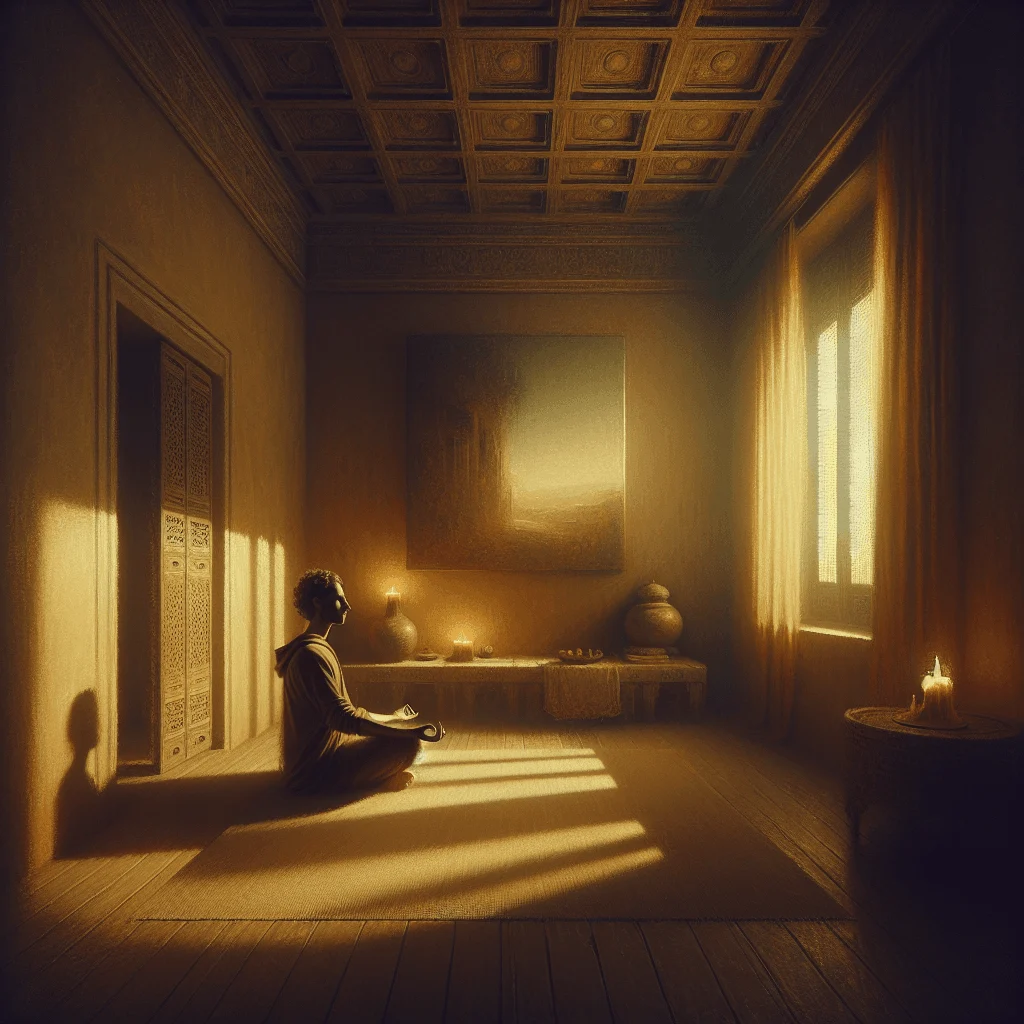
What Is Vipassana Meditation?
Vipassana, which translates roughly to “clear insight” in Pali, is an ancient practice rooted in mindfulness and observation. Unlike some relaxation-focused techniques, this practice invites you to witness each sensation, thought, and emotion without attachment or aversion. It’s not about achieving something—it’s about recognizing what already is.
This method originated from the teachings of Gotama Buddha over 2,500 years ago and has been preserved in its pure form, particularly through the efforts of S.N. Goenka in the modern era. While many attend 10-day silent retreats to learn the method, it’s entirely possible to begin practicing Vipassana meditation at home in your daily life.
The Philosophy Behind Vipassana
Vipassana differs from other contemplative practices because it doesn’t focus on mantras, visualization, or external objects. Instead, the focus lies within — starting with the natural breath and evolving into deep body awareness. Its aim is to develop equanimity, the ability to remain balanced in the face of pleasure or pain, and ultimate liberation from mental impurities.
How to Prepare for Vipassana Meditation at Home
You don’t need to live in a monastery or attend a 10-day retreat to benefit from Vipassana. Here’s how you can begin your own home practice:
1. Choose a Quiet, Dedicated Space
Start by creating a peaceful corner in your home, free from distractions like digital devices, noisy appliances, or household interruptions. Although minimalism isn’t required, many practitioners find that removing clutter helps them cultivate a clearer mental space.
2. Set a Regular Time
Consistency is key when building a meditation habit. Try to meditate at the same time every day—early mornings are a popular choice. Even 10-15 minutes a day can yield noticeable benefits over time.
3. Use a Meditation Cushion or Chair
Posture plays an important role in Vipassana. Sit cross-legged on the floor or in a chair, keeping the spine upright and relaxed. Whether you’re using a cushion or chair, avoid slouching to maintain alertness throughout the session.
How to Do a Basic Vipassana Meditation Session
Once your space and posture are set, you’re ready to begin your home meditation. Here’s a step-by-step breakdown:
Step 1: Focus on Your Breath (Anapana)
The first stage of Vipassana begins with Anapana meditation, which involves observing the natural breath as it enters and exits the nostrils. Don’t alter your breathing—just notice it.
Step 2: Cultivate Awareness of Sensations
When the mind becomes calm, you begin scanning the body from head to toe, noticing every sensation—tingling, warmth, pressure, or even discomfort. The goal is to observe without reacting. Thoughts and feelings may arise; acknowledge them and return to your body scan.
Step 3: Practice Equanimity
This is the heart of Vipassana. Whether a sensation is pleasant or not, observe it with the same level of calm detachment. Over time, this trains your mind to respond rather than react.
Common Challenges and How to Overcome Them
Meditating at home is deeply rewarding, but it’s not always easy. Here are some top challenges and how to deal with them:
Restlessness & Distraction
Distractions are a natural part of at-home meditation. If your mind wanders, return it gently to the breath or sensations. Consider using noise-canceling headphones or a white noise machine if your environment is especially active.
Emotional Discomfort
During Vipassana, buried emotions may surface. Instead of resisting, observe them as passing phenomena. Remember, the purpose is to accept reality as it is—not as you wish it to be. This mirrors insights from techniques like in guided meditations for anxiety, which also emphasize acceptance.
Lack of Motivation
To stay motivated, remind yourself of your intention. Reflect on the long-term mental clarity and inner calm you’re cultivating. Setting a journal or logging meditation sessions can reinforce commitment.
Benefits of Practicing Vipassana at Home
There’s no denying the transformation Vipassana can bring when practiced faithfully. Some of the well-documented benefits of Vipassana meditation include:
- Improved focus and mental clarity
- Reduction in anxiety and emotional reactivity
- Greater self-awareness and self-acceptance
- Enhanced decision-making abilities
- Deep internal peace and emotional resilience
Additionally, practicing from home means you control the pace and frequency. You can start slow, adapt as needed, and avoid the pressure of long sitting hours.
Practical Tips for Developing Your Practice
To make Vipassana meditation a consistent part of your routine, here are some experience-based tips:
- Pace yourself: Begin with 10-15 minutes and gradually extend.
- Use reminders: Set phone alerts or place a note near your bed to encourage daily practice.
- Track your progress: Consider keeping a meditation journal to reflect on your thoughts and emotions.
- Explore complementary practices: Techniques like grounding meditation or heart chakra meditations can deepen your understanding.
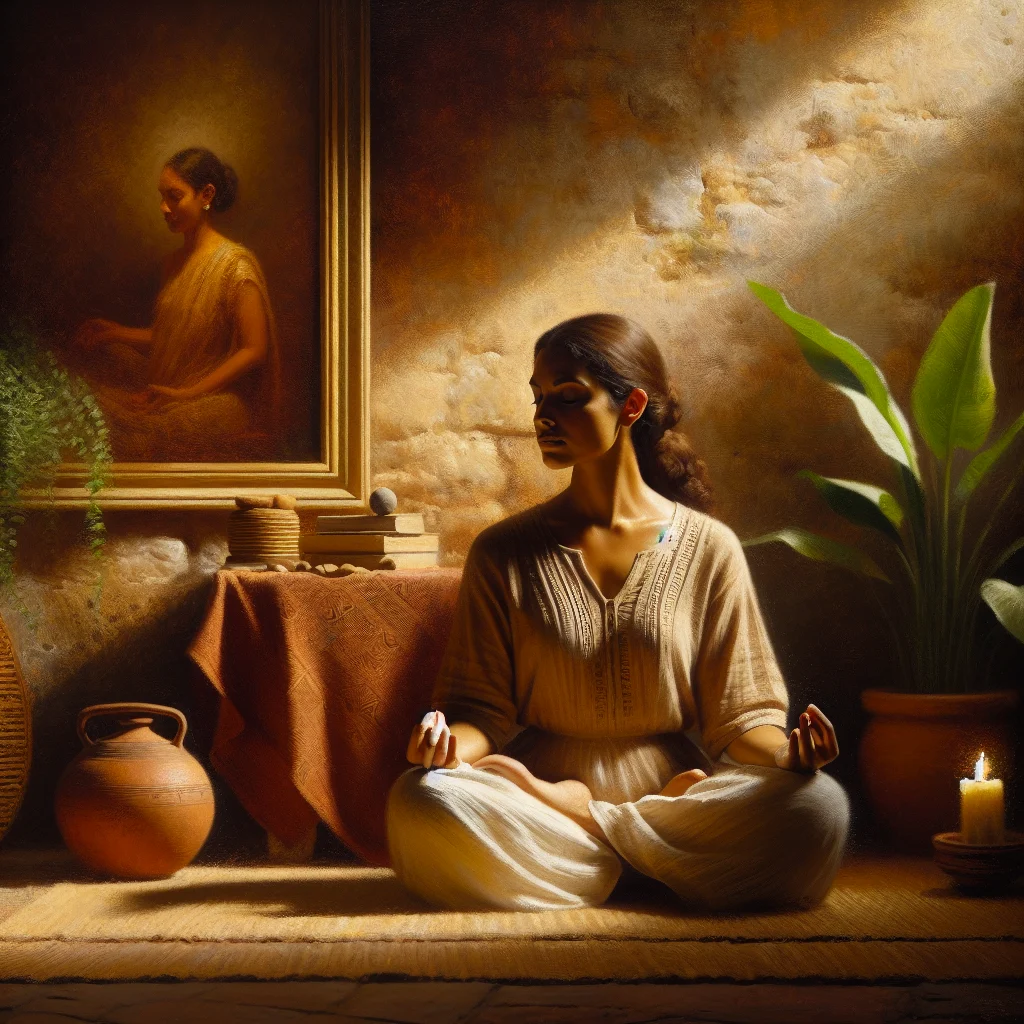
Finally, remember that this is a lifelong practice. It’s okay to adjust your expectations and celebrate small steps. Insight comes gradually, but each moment of mindfulness adds up.
For more soul-nourishing resources, be sure to browse our Mindfulness & Meditation and Personal Growth categories. Whether you’re building a new habit or strengthening your spiritual toolkit, integrating Vipassana at home is one of the most empowering steps you can take.

