
Understanding the Best Mantra for Transcendental Meditation
Finding the best mantra for Transcendental Meditation can be a deeply personal and rewarding experience. These sacred sounds are not just random syllables — they are tools designed to transport you into a profound state of inner stillness. Whether you’re new to meditation or deepening your practice, choosing the right mantra is essential for unlocking calm, clarity, and transcendence.
If you’re just beginning your journey, check out Everyday Calm: A Beginner’s Guide to Daily Meditation — it’s a wonderful resource to start building your meditation routine with confidence and intention.

What Is Transcendental Meditation?
Transcendental Meditation (TM) is a practice rooted in Vedic tradition that uses mantras as a tool to help the mind settle into a deep, restful state. Unlike guided or mindfulness-based meditations, TM is entirely silent. Practitioners repeat a personalized mantra mentally for 15–20 minutes, twice a day. The goal is to transcend thought and reach pure consciousness — a state of quiet awareness.
This technique was widely popularized in the West by Maharishi Mahesh Yogi in the 1950s, and many high-profile figures, such as The Beatles and Oprah Winfrey, have credited TM with transforming their inner lives. What makes TM unique is its simplicity and scientifically-documented benefits, including reduced stress, improved focus, and enhanced emotional health.
Why the Right Mantra Matters
In Transcendental Meditation, the mantra isn’t just a word — it’s a vehicle for the mind to go beyond its usual chatter. Because of this, using the right mantra is crucial. While “om” may be the most famous sound associated with meditation, TM mantras are selected based on a student’s age, gender, and other specific characteristics. These are not chosen haphazardly but rather rooted in centuries of tradition and vibrational science.
The mantra works by gently anchoring the mind while allowing it to drift beneath surface-level thought. The beauty of the process is that over time, the mantra fades away, and you’re left in a still, thoughtless state — the sweet spot of transcendence.
Examples of Common TM Mantras
Traditional TM mantras are drawn from Sanskrit, an ancient Indian language revered for its sonic qualities. While trained TM teachers usually provide mantras individually, here are a few examples of those commonly used:
- “Shreem” – Associated with abundance and beauty; often used for grounding and attraction.
- “Ram” – A purifying mantra believed to help clear negative energy.
- “Aing” – Said to stimulate creativity and connection to inner wisdom.
- “Hreem” – Brings clarity and aligns emotional and spiritual energy.
It’s essential to remember that the mantra should not have a literal meaning in most cases. Its power comes from the sound vibration, not its definition.
Don’t Overthink — Just Let It Flow
One of the key philosophies in TM is the absence of effort. You’re not supposed to concentrate hard or analyze the meaning of the mantra. Unlike some active mental practices like pondering (see more on that distinction here), TM invites you to let the mantra come and go organically. This passive approach is what makes the technique so deeply restorative.
Benefits of Using the Best Mantra in TM Practice
Choosing the best mantra for Transcendental Meditation can elevate your experience in meaningful ways. Here are some well-documented benefits:
- Reduced anxiety and depression: TM has been shown to decrease cortisol levels and improve mental health long-term.
- Improved focus and productivity: Just 20 minutes a day can sharpen your cognitive clarity.
- Enhanced emotional resilience: Regular practice helps regulate emotions and foster inner peace.
Additionally, people who use mantras consistently often report a deeper sense of purpose and a greater ability to respond calmly under pressure.
Science Backs It Up
A study published by the American Heart Association found that individuals practicing TM had lower blood pressure and reduced risk for cardiovascular disease. Another meta-analysis on PubMed Central confirmed that mantra-based meditation improves physiological health more than other forms of relaxation.
How to Start With a Mantra
Traditionally, TM is learned through a certified instructor who assigns you a personal mantra. However, if you’re curious to explore mantra meditation on your own, try the following:
- Find a quiet space and sit comfortably.
- Choose a mantra that resonates with you emotionally or sonically — avoid logical biases.
- Repeat the mantra silently with gentle attention, letting thoughts pass without engagement.
- Practice for 15–20 minutes, ideally in the morning and early evening.
If mantra meditation resonates with you but you’re unsure where to begin, you might enjoy the article Best Grounding Meditation, which explores centering practices that pair well with TM.
Do You Need a Teacher to Learn TM?
Official TM organizations insist that learning the practice correctly requires guidance from a certified teacher. This is largely because improper technique can hinder your experience. However, if a formal course isn’t currently an option for you, self-led mantra meditation still offers immense benefits when practiced with care and intention.
You can build up consistency by following structured resources like Manifest Your Dreams: A Practical Guide to the Law of Attraction. It integrates elements of meditation, intention, and visualization — a holistic trio for personal transformation.
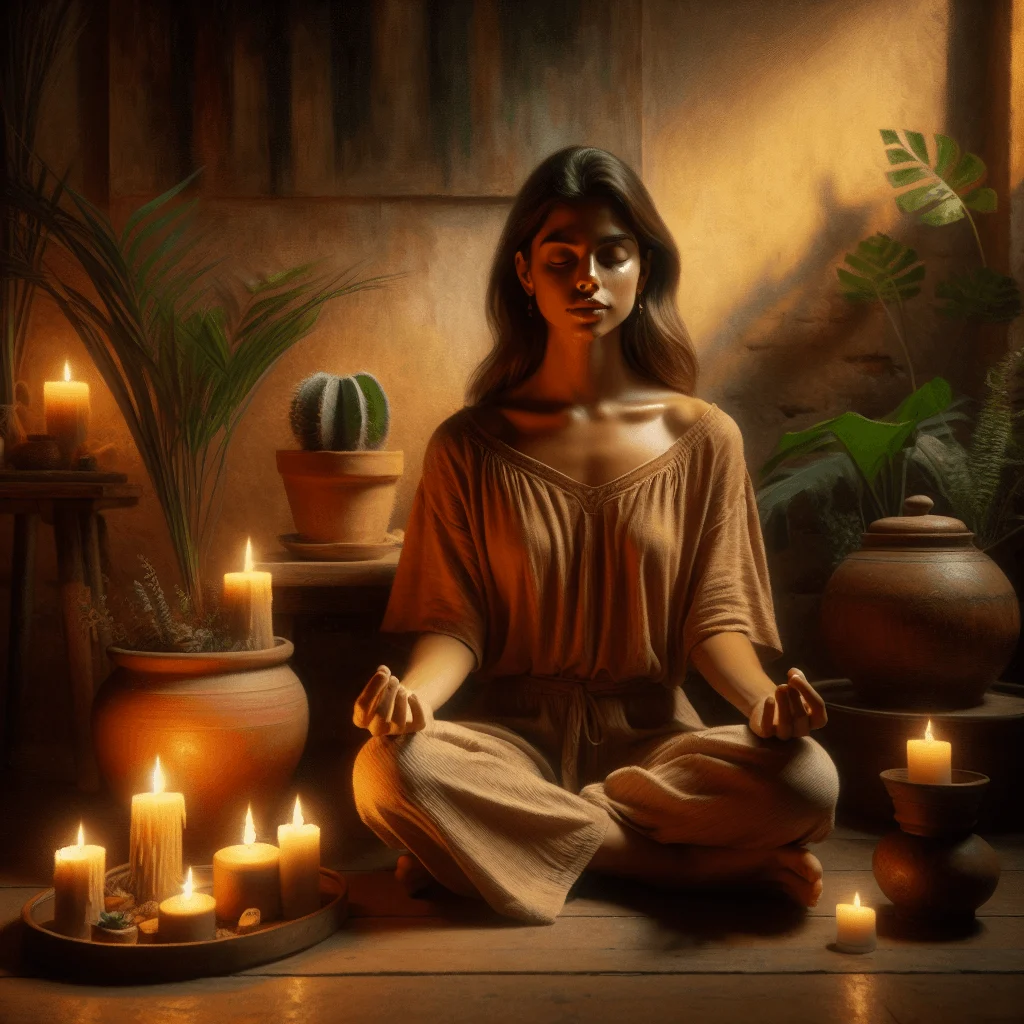
Complementary Topics to Explore
Many who practice TM are naturally drawn to adjacent spiritual and mindfulness practices. If you find that’s the case for you, consider diving into topics like:
- How to Meditate with Pyramid Energy
- Should Meditation Be Guided?
- Best Morning Meditation Podcast for daily inspiration
These articles expand your awareness and may help you combine TM with other intentional living strategies.
Final Thoughts
The best mantra for Transcendental Meditation is the one that feels like a gentle current, guiding you deeper into yourself. More than just a sound, it becomes part of your inner rhythm — a quiet companion in the noisy world. Explore different sounds, remain open and flexible, and tune in to how each repetition resonates with your being.
After all, meditation is not about perfection. It’s about presence. If you’re ready to experience the power of guided intention and emotional healing in parallel with your mantra practice, explore The Self-Love Reset: A Journey to Rediscover Yourself today. It can be a beautiful complement to your journey inward.

