
Finding Your Own Pathways to Inner Peace
Life today is fast-paced, noisy, and—at times—overwhelming. We’re constantly bombarded by deadlines, responsibilities, and the need to “do more.” It’s no wonder so many of us crave something deeper: a quiet place within where we can return to ourselves. If you’ve ever wondered how to find that center—that sense of grounded calm—you’re not alone. Exploring pathways to inner peace is not only helpful, it’s essential for mental and emotional balance.
Whether you’re just starting this journey or deep into your personal practice, understanding real strategies that work can make all the difference. Let’s look at powerful, yet approachable, ways to begin cultivating peace within yourself every day.
Start your journey with our beginner’s guide to daily meditation →

Understanding Inner Peace
Inner peace isn’t the absence of struggle—it’s the ability to manage emotions, thoughts, and stress in a way that doesn’t overwhelm your sense of self. According to Wikipedia, inner peace is a state of being mentally and spiritually at peace, with enough knowledge and understanding to keep oneself strong in the face of discord or stress.
In addition, cultivating inner peace helps reduce anxiety, lowers blood pressure, and improves relationships. It’s not about avoiding life’s problems but navigating them with more clarity and calm.
Explore Different Pathways to Inner Peace
Finding your peace requires exploration. What works for one person might not resonate for another. Below are some of the most effective—and accessible—methods to try.
1. Meditation and Breathwork
This is one of the most powerful tools for discovering inner calm. Even just five to ten minutes a day can ground your nervous system and reset your mind. Studies show that consistent meditation reduces cortisol levels, improves focus, and enhances your emotional regulation.
If you’re new to this practice, try incorporating guided meditations geared toward beginners. Breathwork, like box breathing or alternate nostril breathing, is another deeply effective technique that can be used anywhere.
2. Spiritual Connection
Whether through prayer, journaling, or energy work, strengthening your spiritual connection offers significant support in achieving peace of mind. Practices like working with chakras bring awareness to emotional blocks, and considering what your spiritual timeline might look like can help identify where you need healing and clarity the most.
Curious to delve deeper into energy balancing? Learn which chakra is best for healing and how to start aligning your internal energetic system.
3. Mindfulness in Daily Life
Mindfulness is the art of noticing the present moment without judgment. For example, eat your lunch without distractions. Feel the texture of your food, its flavor, even the way it smells. Slowly integrating mindfulness into everyday activities—like washing dishes, walking, or even commuting—creates micro-moments of peace.
It may seem trivial at first, but over time, these moments train your mind to remain calm and centered, even in stressful environments. They create a calm ripple (pun intended) throughout your day.
4. Cultivating Self-Love
Without self-love, inner peace is very difficult to sustain. Loving ourselves means allowing room for mistakes, growth, and healing. It’s the ability to look inward without criticism. As you begin this process, you may find you’re frequently questioning your worth—that’s normal. But there are supportive tools to help you navigate the path. Read more about why self-love is a journey and how to travel it with kindness.
Another way to deepen your practice is through self-love meditations and Kundalini yoga, both of which open the heart and bring you back home to yourself.
5. Journaling and Reflection
Sometimes the simple act of writing things down can lead to big insights. Journaling gives you the chance to pause and examine your thoughts outside your mind. Try reflecting on questions like: “What makes me feel grounded?” or “When do I feel most at peace?” Keep a gratitude list, or if you’re facing emotional overwhelm, practice free writing to release built-up tension.
These reflective exercises nourish self-awareness and unlock inner clarity—cornerstones of lasting peace.
Let Go of What No Longer Serves
In our journey to inner peace, equally important as what we add is what we let go of. Old habits, toxic self-talk, and fear-based narratives can weigh heavily on us. When we release these patterns, space opens up for clarity, joy, and emotional freedom.
It’s also okay to ask for support during this process. Self-exploration can be uncomfortable at times. If you’re wondering why self-exploration is important, understand this: You’re not just understanding yourself—you’re reuniting with a peace that’s always been a part of you.
Daily Rituals That Build Long-Term Serenity
Consistency builds peace like water smooths stones—with time and patience. Healthy daily rituals like waking up with intention, spending time outdoors, or practicing gratitude have incredible long-term effects. A nighttime reflection or gentle yoga stretch can help the mind wind down and release the worries of the day.
Remember, these don’t need to be extravagant. Just showing up for yourself consistently is an act of love and strength.
Final Thoughts: The Peace You Seek Is Already Within You
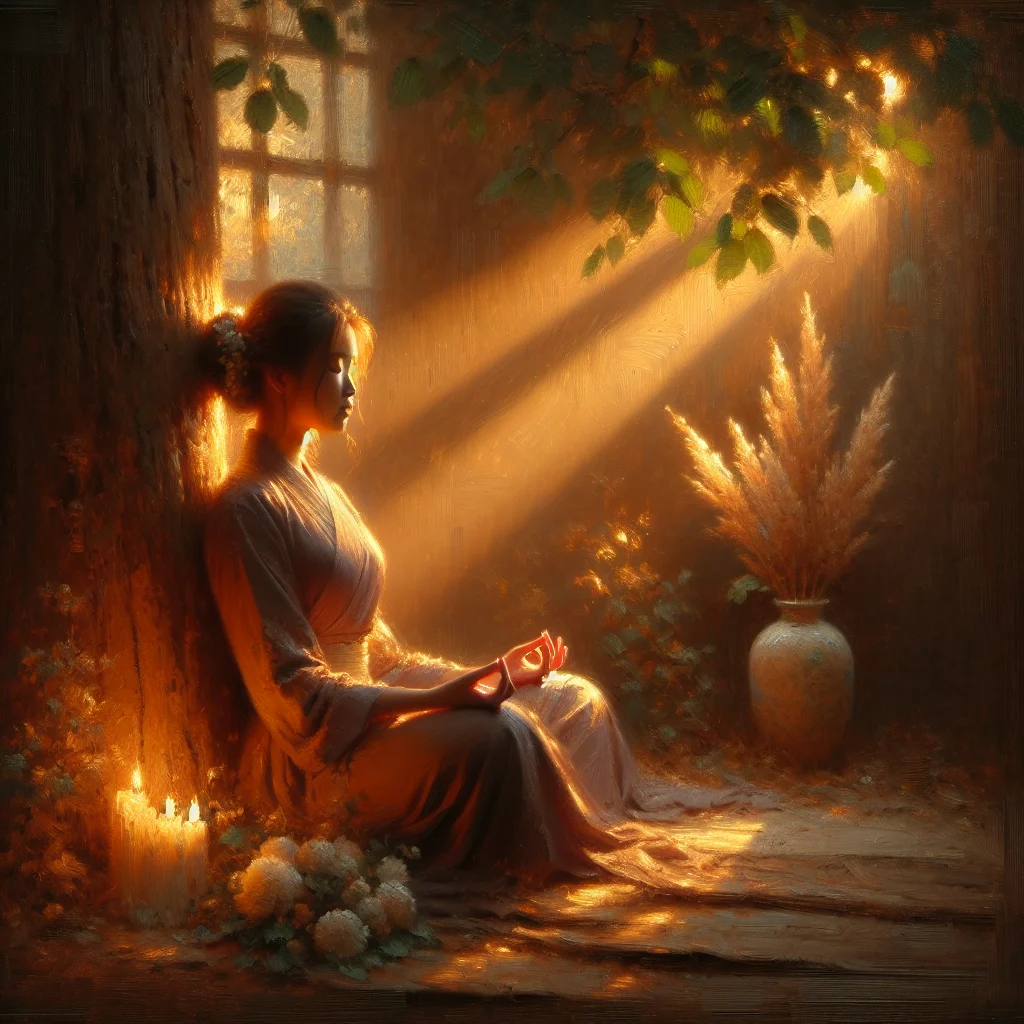
At the end of the day, inner peace isn’t something to chase; it’s something to remember. It exists inside your breath, your presence, your kindness. The more you get to know yourself—through mindfulness, reflection, and intentional practices—the more you’ll uncover just how whole and peaceful you already are.
No matter which of these pathways to inner peace you choose, the most important part is simply beginning. Trust your own rhythm, and be gentle with how the journey unfolds.
Ready to rediscover yourself? Begin with The Self-Love Reset →

