
What Does Slow Living in a Fast World Really Mean?
In a society where multitasking is praised and busyness worn as a badge of honor, the concept of slow living in a fast world feels almost revolutionary. At its core, slow living embraces intentionality and mindfulness. Instead of racing through to-do lists, it encourages conscious decisions, deep presence, and carving time to breathe.
This lifestyle doesn’t mean rejecting progress or technology. It’s about re-evaluating priorities, slowing down where it truly counts, and creating space for joy and connection.
Ready to take your first step toward calm? Start with Everyday Calm: A Beginner’s Guide to Daily Meditation — your roadmap to restoring peace through mindfulness.
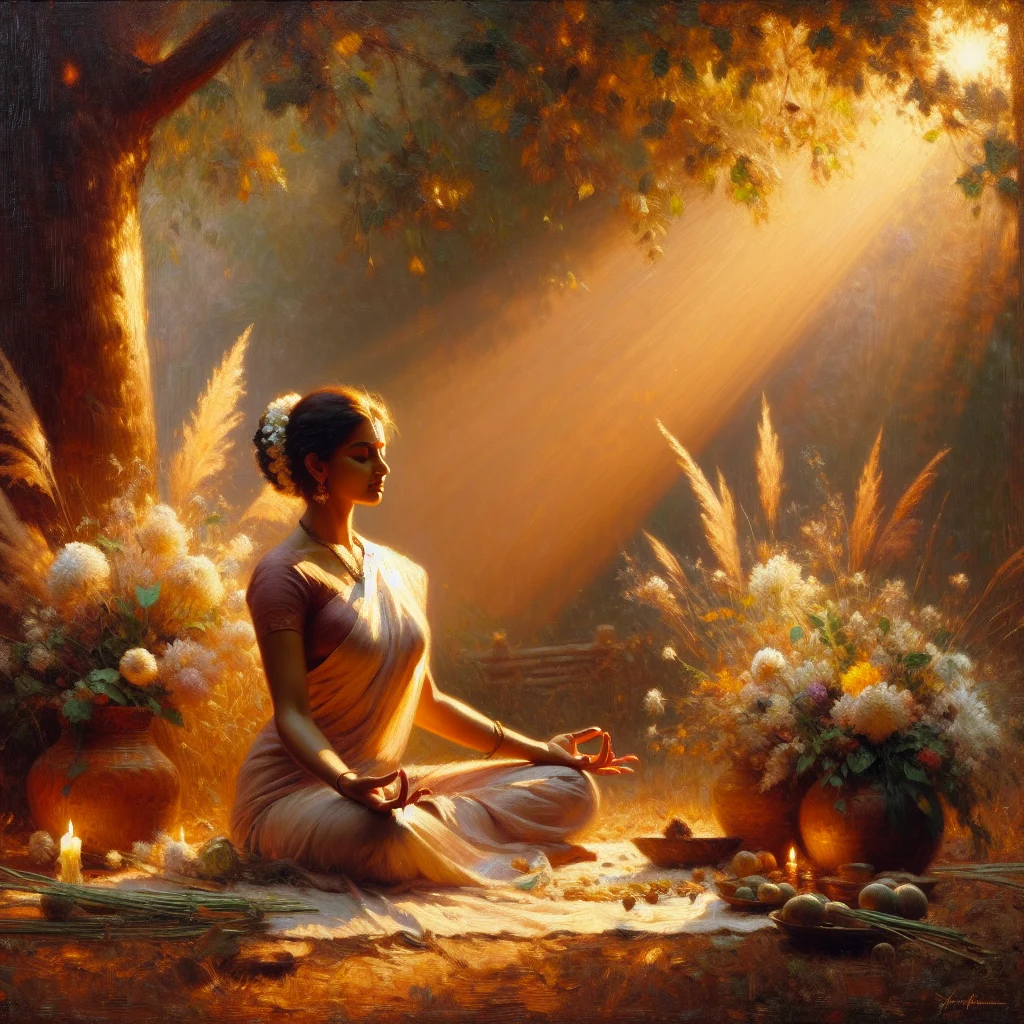
Why We Need Slow Living More Than Ever
Stress, insomnia, and burnout are at an all-time high. According to the World Health Organization, mental health challenges are rising globally. As daily pressures escalate, slow living emerges as a vital antidote.
In choosing a slower pace, we don’t become lazy — we become selective. Whether it’s skipping another doomscroll session or setting work boundaries, every mindful decision empowers us.
The Illusion of Busyness
Our culture often equates being busy with being important or successful. However, constantly being “on” leaves little room for creativity or rest. Many of us drift through life overwhelmed, not realizing that while we’re ticking boxes, we’re missing the bigger picture.
Choosing a slow lifestyle means opting out of that cycle. It’s giving yourself permission to pause, observe, and decide.
Where to Begin with Slow Living?
If you’re new to slow living in a fast world, don’t worry — you don’t need a complete life overhaul. Begin with small, mindful shifts. For example:
- Start the day without your phone
- Eat meals without screens
- Take a slow, tech-free walk
- Dedicate 10 minutes daily to meditation
You might also be inspired by other slow living journeys, like the perspective shared in Slow Living Life Adalah, where everyday routines are transformed into intentional moments.
Connection with Nature
Spending time outdoors, gardening, or walking barefoot helps reconnect with the rhythms of nature. This simple act grounds us, offering gentle yet profound healing. In Finland, the idea of “forest bathing” or slow living in Finland illustrates how embracing nature softens the sharp edges of modern stress.
Daily Rituals That Support a Slower Life
To truly embrace slow living, it’s essential to build simple rituals throughout the day. These moments don’t have to be ornate; often, it’s in the simplest acts where we find the greatest calm:
- Morning check-ins: Journaling, stretching, or mindful breathing before the day begins
- Intentional meals: Cooking from scratch, savoring tastes, and dining without distractions
- Evening wind-down: Herbal tea, dim lighting, and gratitude practices
Adopting rituals like these gives structure to mindfulness. They anchor the day with purpose and presence.
Mindfulness as the Foundation of Slow Living
Mindfulness — the practice of being here, now — is at the heart of slow living. It allows you to tune out the noise and tune into yourself. Practices such as meditation, conscious breathing, or simply observing your surroundings help you return home to the present moment.
Explore more about how to cultivate mindfulness in your routine with helpful tools in the Mindfulness & Meditation section of our blog.
Is Slow Living Realistic in a Hectic World?
Absolutely — but it requires conscious effort. We can’t control how fast the world moves, but we can control our response. It’s not about being unproductive, but about optimizing energy for what matters. You don’t need to quit your job, move to a cottage in the woods, or shun your smartphone. It’s enough to set limits and reclaim your time — one small practice at a time.
In the blog Zen & Slow Living, you’ll find practical tips to blend slowness into a modern lifestyle without losing efficiency or joy.
Healing, Presence, and Self-Compassion
Slow living is deeply healing. When we slow down, we notice things — the taste of tea, the rustle of leaves, a friend’s laughter. Our bodies regulate, our minds soften, and compassion rises, both for ourselves and others.
It also creates space for deep inner work. Whether you’re journaling, practicing mindfulness, or exploring spirituality, a slower rhythm supports it all. For tools aligned with this journey, the category Holistic Living offers thoughts and guidance for daily alignment.
Helpful Resources for Slow Living Advocates
Looking to go deeper? Explore these helpful resources from Calm Ripple:
- Best Slow Living Blogs — gain insights from voices around the globe
- Slow Living: Art of Slowing Down — foundational tools and concepts
- Discover gentle self-healing through Gem Stone Healing
Embrace a life where rest is not a luxury, but a necessity.
And if you’re ready to cultivate your dream life at your pace, check out Manifest Your Dreams: A Practical Guide to the Law of Attraction. Slow doesn’t mean stuck — it means deliberate creation.

