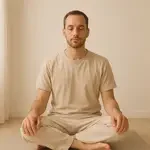
What Does Embracing Slow Living Really Mean?
In a world that rarely hits the pause button, embracing slow living is not just a trendy buzzword—it’s a quiet rebellion against the hustle mindset. It’s about choosing a life led by intention rather than routine, mindfulness instead of multitasking, meaning over momentum. As life accelerates around us, the slow living movement invites us to take a step back, breathe deeply, and reconnect with what truly matters.
If you’re ready to take your first step into mindful simplicity, start with our beautifully practical guide: Everyday Calm: A Beginner’s Guide to Daily Meditation. It’s more than a book—it’s your key to awakening peace in your everyday life.

Why Slow Living Is Gaining Momentum
Although it may seem counterintuitive in today’s on-demand culture, more people than ever are shifting away from constant productivity. The COVID-19 pandemic forced the entire world to slow down, and in doing so, many discovered the profound relief of stepping off the treadmill of modern life. As a result, slow living emerged not just as a coping mechanism but as a conscious lifestyle choice.
The charm of slow living lies in its simplicity. It urges us to be present over perfect, to savor rather than consume, and to engage deeply rather than spread ourselves thin. From cooking meals from scratch to spending phone-free weekends in nature, its practices foster well-being and contentment.
This Is Not About Laziness—It’s About Awareness
One of the biggest misconceptions about slow living is that it promotes unproductivity. However, this mindset is far from lazy. Instead, it’s rooted in awareness and deliberate decision-making. While fast-paced living is often reactive, slow living encourages intentional action. By choosing slowness, we actually make space for clarity, creativity, and connection.
In Slow Living in a Fast World, we dive deeper into the transformation that happens when you shift from reacting to life into gently shaping each day.
Key Principles of Embracing Slow Living
1. Mindful Presence
Slow living begins with being mentally and emotionally present. This might mean putting down your phone during meals, practicing mindful breathing throughout the day, or simply observing nature without distraction.
You can explore more about this approach in our guide to The Art of Slowing Down, where we break down simple ways to apply mindfulness in daily life.
2. Sustainable Living
Many who embrace slow living naturally transition into more sustainable practices—reducing waste, buying less, growing their own food, and supporting local artisans. Living slowly often means consuming only what you truly need, which aligns beautifully with eco-conscious values.
3. Connection Over Consumption
Instead of chasing the next gadget or trend, slow living encourages deeper connections: with loved ones, nature, and oneself. Sitting down for a heartfelt conversation, making art, or simply sharing silence with someone becomes more fulfilling than constant stimulation from screens.
4. Authenticity
Finally, slow living promotes a return to your core values. It urges self-reflection and authenticity rather than conformity to social expectations. It’s a chance to shed the “shoulds” and embrace your own rhythm.
Daily Practices to Help You Embrace Slowness
Start Your Mornings Without Rushing
Wake up earlier—not to cram in extra tasks, but to allow yourself the space to breathe. Enjoy a warm cup of tea in silence. Stretch gently. Write down your intentions.
Practice Digital Boundaries
Allocate specific times to check emails and social media. While technology is essential, it shouldn’t steal your moments of peace. Try a digital detox on weekends or set screen-free hours each evening.
Savor Simple Pleasures
Whether it’s cooking, reading, or watching birds from your window—delight in the small joys. Slow living teaches us that happiness often arrives through life’s simplest, quietest moments.
Connect with Your Physical Environment
Decluttering your home, tending to a plant, or creating a sacred space can help externalize inner calm. Feng shui and minimalism are useful tools on this journey and align with your intention to live purposefully.
Challenges on the Path to Embracing Slow Living
While adopting slow living may sound idyllic, it doesn’t always come effortlessly. At first, you might feel frustrated—especially if you’re used to fast results and quick fixes. You may face external resistance, too. Friends or coworkers might not understand why you’re “doing less” or avoiding constant notifications.
It’s crucial to be kind to yourself during this transition. Change doesn’t happen overnight. As with any new lifestyle, consistency and self-compassion go a long way.
How to Begin Your Slow Living Journey
Start small. Choose just one morning a week to unplug, breathe slowly, and tune into your surroundings. Over time, build on that. Replace activities that drain your energy with ones that restore it. Journal, walk, paint, stretch—whatever helps you feel grounded.
Connecting with slow living communities—online or in person—can provide invaluable support and inspiration. Participating in resources like our slow living lesson plan or following thoughtful content from the best slow living blogs can help you stay accountable to your intentions.
Emotional and Spiritual Benefits
Slowing down doesn’t just help your calendar—it nourishes your spirit. When you stop moving on autopilot, you make room for gratitude, reflection, and emotional clarity. Many who regularly practice slow living report less anxiety, more connection, deeper sleep, and an improved sense of purpose.
Incorporating gentle inner work like journaling, meditation, or energy practices (such as those outlined in our EFT Healing guide) can further amplify these benefits.

Final Reflections: A Life Worth Living
In a culture that celebrates busyness like a badge of honor, slowing down can feel radical. But it’s not about rejecting modern life—it’s about choosing how we dance with it. By embracing slow living, we regain ownership over our time, our relationships, and most importantly, our peace.
If this path is calling you, answer gently. Experiment. Adjust. Breathe. You might just discover that in the space of slowness, life becomes infinitely richer.
And if you’d like a practical yet soul-nourishing guide to live with mindful intention, check out Manifest Your Dreams—a thoughtful, empowering tool to align your slow life with your biggest desires.