
In today’s fast-paced world, learning how to embrace slow living has become more than just a trend—it’s a necessary shift toward reclaiming our time, energy, and overall wellbeing. Many of us find ourselves caught in an endless cycle of rushing from one task to another, constantly connected to our devices, and perpetually feeling like there aren’t enough hours in the day. However, slow living offers a refreshing alternative that prioritizes quality over quantity, presence over productivity, and intentionality over autopilot. This philosophy encourages us to step back, breathe deeply, and create space for what truly matters in our lives.
The concept of slow living isn’t about doing everything in slow motion or abandoning your ambitions. Rather, it’s about being deliberate with your choices and creating a lifestyle that aligns with your values. As a result, you’ll find yourself experiencing less stress, deeper connections, and a greater appreciation for the simple moments that make life meaningful. Throughout this guide, we’ll explore practical ways to integrate slow living principles into your daily routine, regardless of how busy your current schedule might be.
If you’re ready to begin this transformative journey, consider starting with Everyday Calm: A Beginner’s Guide to Daily Meditation, which provides an excellent foundation for cultivating the mindfulness essential to slow living.
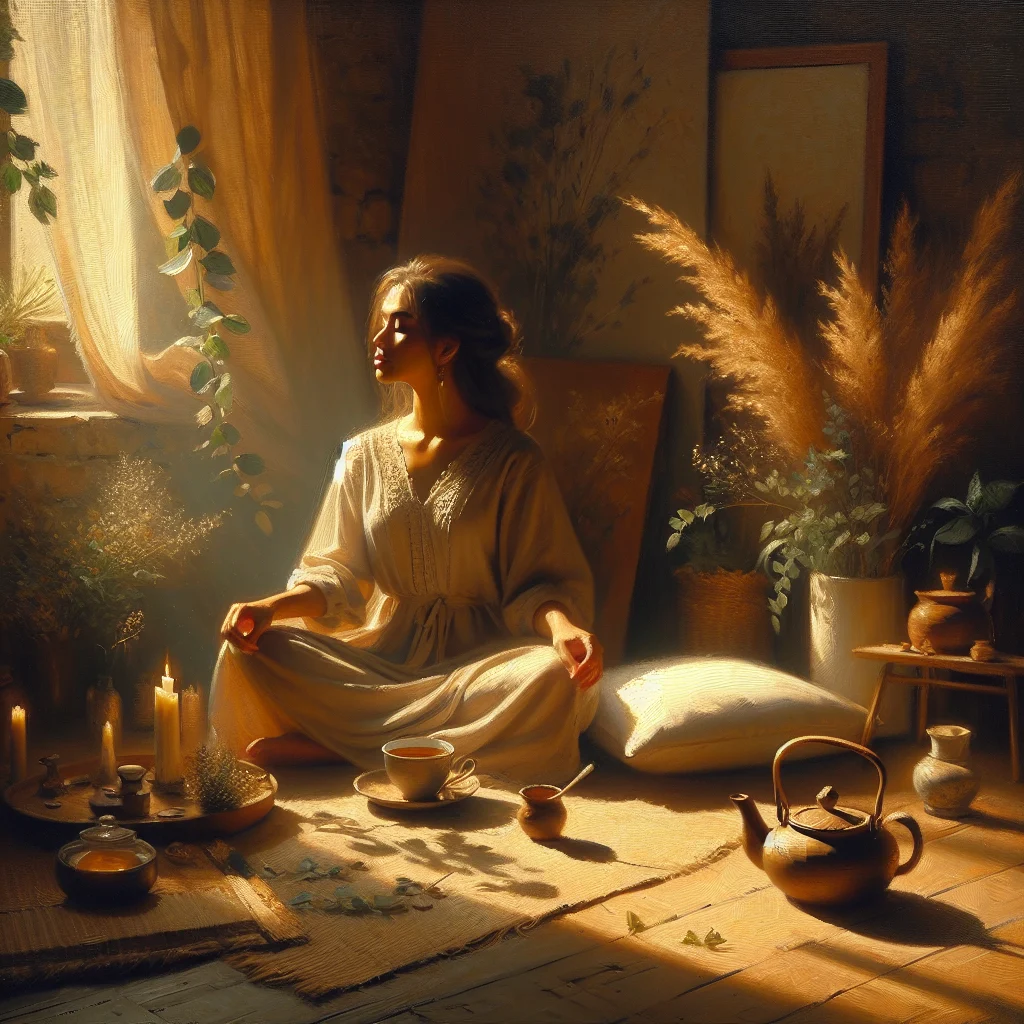
Understanding the Philosophy Behind Slow Living
Before diving into practical strategies, it’s essential to understand what slow living truly means. The movement originated as a response to our increasingly hurried culture, where multitasking is glorified and being busy has somehow become a status symbol. In contrast, slow living asks us to question this narrative and consider whether constant busyness actually serves our wellbeing or simply keeps us distracted from what matters most.
At its core, slow living is about mindfulness and intentionality. For example, instead of mindlessly scrolling through social media during your morning coffee, slow living encourages you to savor that coffee—noticing its aroma, warmth, and flavor while perhaps watching the sunrise or enjoying quiet reflection. This shift from unconscious consumption to conscious experience represents the heart of the slow living philosophy. Moreover, it’s about recognizing that our time and attention are precious resources that deserve protection.
The slow movement extends beyond just lifestyle choices into various aspects of modern life, including food, fashion, and travel. While each application looks different, they all share common threads: sustainability, quality, community connection, and respect for natural rhythms. Because of this holistic approach, embracing slow living often creates positive ripple effects across multiple areas of your life, from improved relationships to better environmental choices.
Another important aspect to understand is that slow living looks different for everyone. Although we often see idealized images of rural cottages and minimalist aesthetics associated with this lifestyle, you don’t need to move to the countryside or quit your job to practice slow living. Instead, it’s about making small, meaningful changes within your current circumstances that help you feel more present and peaceful. For those interested in exploring this further, our article on embracing slow living offers additional perspectives on making this philosophy work in various life situations.
Creating Space and Simplifying Your Environment
One of the most tangible ways to embrace slow living is by simplifying your physical environment. Our surroundings significantly impact our mental state, and cluttered spaces often contribute to cluttered minds. Therefore, creating an environment that promotes calm and clarity becomes an essential step in this journey. However, this doesn’t mean you need to adopt extreme minimalism unless that appeals to you—it simply means being more intentional about what you allow into your space.
Start by evaluating your living areas with fresh eyes. Walk through each room and notice what items truly serve a purpose or bring you joy, and which ones are simply taking up space. In addition to physical clutter, consider digital clutter as well—the overflowing email inbox, the apps you never use, and the digital files scattered across your devices. Because we live in an increasingly digital world, addressing this type of clutter is just as important as organizing our physical spaces.
The decluttering process itself can be approached slowly and mindfully. Rather than attempting to organize your entire home in one exhausting weekend, dedicate 15-30 minutes each day to one small area. This gradual approach embodies slow living principles while also making the task feel less overwhelming. As a result, you’re more likely to maintain your newly organized spaces rather than experiencing the familiar cycle of decluttering and re-cluttering.
Furthermore, as you create more physical space in your home, you’ll naturally find that you’re creating mental and emotional space as well. A simplified environment reduces the number of decisions you need to make daily—from what to wear to where to find things—freeing up mental energy for more meaningful pursuits. This concept connects beautifully with broader holistic living practices that recognize the interconnection between our external and internal worlds. While simplifying your space, also consider incorporating elements that promote relaxation, such as plants, natural light, and comfortable areas designated specifically for rest and reflection.
Slowing Down Your Daily Routines and Rhythms
After addressing your environment, the next step in learning how to embrace slow living involves examining and adjusting your daily routines. Many of us rush through our mornings, gulp down meals while working, and collapse exhausted at the end of the day without having truly experienced the hours in between. Although this pattern has become normalized in modern culture, it takes a significant toll on our wellbeing over time. Fortunately, even small adjustments to your daily rhythms can make a substantial difference.
Begin by protecting your morning routine from the chaos that often characterizes the start of the day. Instead of immediately reaching for your phone or jumping into work mode, create a gentle transition into wakefulness. This might include stretching, enjoying your coffee without distractions, journaling, or spending a few minutes in mindfulness and meditation. Because mornings set the tone for the entire day, investing time in a peaceful start pays dividends in how you feel and function later.

Meal times offer another opportunity to practice slow living. Rather than eating at your desk or in front of a screen, treat meals as sacred pauses in your day. Prepare food with intention, set a proper table even when dining alone, and actually taste what you’re eating. This practice, inspired by the slow food movement, not only enhances your enjoyment of meals but also improves digestion and helps you recognize when you’re truly satisfied. Moreover, if you’re eating with others, these unplugged meal times create valuable opportunities for genuine connection and conversation.
Throughout your day, build in transition periods between activities rather than rushing from one thing to the next. For instance, after finishing a work project, take five minutes to stand up, stretch, and take a few deep breaths before starting the next task. These micro-breaks might seem insignificant, but they help prevent the accumulation of stress and allow you to approach each activity with renewed focus. Additionally, be realistic about how much you can actually accomplish in a day—learning to embrace slow living often means doing fewer things with greater presence rather than spreading yourself thin across countless obligations.
Finally, reconsider your evening routine as well. Instead of scrolling through news or social media until you fall asleep exhausted, create a wind-down ritual that signals to your body and mind that it’s time to rest. This might include reading, gentle stretching, preparing for the next day in a calm manner, or simply sitting quietly with your thoughts. As you establish these new rhythms, you’ll likely find that the quality of your sleep improves, which in turn makes it easier to maintain slow living practices. For those seeking guidance on establishing meaningful daily practices, Everyday Calm: A Beginner’s Guide to Daily Meditation offers structured approaches that complement slow living beautifully.
Cultivating Presence and Meaningful Connections
Perhaps the most profound aspect of learning how to embrace slow living involves cultivating genuine presence in your daily life. In our distracted age, true presence has become surprisingly rare. We’re physically in one place while mentally somewhere else entirely—planning the future, rehashing the past, or simply zoned out. However, slow living invites us to return to the present moment repeatedly throughout our day, anchoring ourselves in the here and now.
One powerful way to develop presence is through single-tasking rather than multitasking. Despite what we’ve been told, human brains aren’t actually designed to do multiple things simultaneously with equal attention. When you commit to doing one thing at a time—whether that’s washing dishes, listening to a friend, or working on a project—you engage more fully with that activity. As a result, you’ll likely find that you complete tasks more efficiently, make fewer mistakes, and actually enjoy the process more. This approach directly contradicts the frenzied multitasking that characterizes slow living’s opposite, yet it paradoxically helps you accomplish what matters most.
Slow living also transforms how we approach relationships. Instead of maintaining superficial connections with hundreds of people through social media, this philosophy encourages deeper engagement with a smaller circle. Schedule regular, uninterrupted time with the people who matter most to you—putting away devices, making eye contact, and truly listening when they speak. These quality interactions nourish us in ways that countless surface-level exchanges never can. Furthermore, slow living reminds us that relationships require time and attention to flourish, and there’s no shortcut for the gradual deepening of trust and understanding that happens when we consistently show up for one another.
Nature connection represents another essential element of presence in slow living. Because we spend so much time indoors and online, many of us have become disconnected from natural rhythms and environments. Making time to be outside—even just for a walk around your neighborhood—helps ground you in the present moment. Notice the season, the weather, the way light falls through trees, or the sounds of birds. This practice not only reduces stress but also reminds us that we’re part of something larger than our individual concerns and to-do lists. Interestingly, approaches to slow living vary across cultures, with places like Finland integrating nature connection deeply into their cultural practices.
Finally, learning to embrace slow living means accepting that you can’t do everything, and that’s perfectly okay. In fact, it’s liberating. By consciously choosing what deserves your time and energy, you create space for what truly matters while releasing the guilt around what you’re not doing. This selective approach to commitments allows you to show up fully for what you do choose, rather than being partially present everywhere. As you practice this discernment, you’ll likely find that your sense of fulfillment increases even as your overall pace decreases—a paradox that lies at the heart of slow living’s appeal.
If you’re ready to manifest a life that aligns with these slow living values, Manifest Your Dreams: A Practical Guide to the Law of Attraction offers complementary tools for bringing your vision of a peaceful, intentional life into reality. By combining slow living practices with intentional manifestation, you create a powerful framework for lasting change.
Practical Steps to Get Started Today
Understanding how to embrace slow living philosophically is one thing; implementing it is another. Therefore, here are concrete steps you can take immediately to begin this journey. First, identify your biggest time drains—those activities that consume hours but leave you feeling empty. For most people, social media, excessive news consumption, and mindless television watching top this list. Consequently, setting boundaries around these activities frees up time for more meaningful pursuits without requiring you to add anything to your already full schedule.
Second, establish one “slow” ritual in your day that’s non-negotiable. This might be a morning meditation practice, an evening walk, or a technology-free dinner with your family. By protecting this time consistently, you create an anchor point that reminds you of your commitment to living more intentionally. Additionally, this single practice often naturally expands as you experience its benefits, making it easier to incorporate other slow living elements over time.
Third, practice saying no more often. Many of us over-commit ourselves out of obligation, fear of missing out, or difficulty with boundaries. However, every yes to something you don’t truly want to do is a no to something you do value. While learning to decline invitations and requests might feel uncomfortable initially, it becomes easier with practice and is essential for protecting the slow, spacious life you’re trying to create. Remember that you’re not being selfish—you’re being selective, which is an important distinction.
Finally, be patient with yourself throughout this process. Slow living is, after all, slow. You won’t transform your entire lifestyle overnight, nor should you try. Instead, approach this journey with the same gentleness and presence that slow living itself embodies. Celebrate small victories, learn from setbacks without judgment, and trust that each intentional choice is moving you toward a more peaceful, fulfilling way of being. For additional support on this journey, exploring resources on personal growth can provide valuable insights and encouragement as you navigate this significant life shift.

