
Country slow living represents more than just a change of address—it’s a complete transformation of how we experience daily life. While urban environments pulse with constant stimulation and endless to-do lists, the countryside offers something increasingly rare: space to breathe, think, and simply be. This intentional approach to rural life combines traditional values with modern mindfulness, creating a lifestyle that prioritizes quality over quantity, presence over productivity.
The philosophy behind country slow living isn’t about rejecting progress or technology. Rather, it’s about choosing what truly matters and building a life around those priorities. In today’s hyper-connected world, more people are discovering that genuine fulfillment comes not from acquiring more things or accomplishing more tasks, but from deepening connections—with nature, community, and themselves. As a result, the migration toward rural areas has gained significant momentum, with individuals and families seeking refuge from the relentless pace of modern life.
What makes this lifestyle particularly compelling is its accessibility. You don’t need a massive budget or extensive farming experience to begin your journey. However, you do need willingness to learn, adapt, and embrace a different rhythm. Whether you’re dreaming of a homestead, a cottage garden, or simply a quieter existence surrounded by nature, country slow living offers a pathway to greater peace and purpose.
If you’re ready to start cultivating more calm and intentionality in your life right now, Everyday Calm: A Beginner’s Guide to Daily Meditation provides practical tools to begin your transformation wherever you currently are.
The Core Principles of Country Slow Living
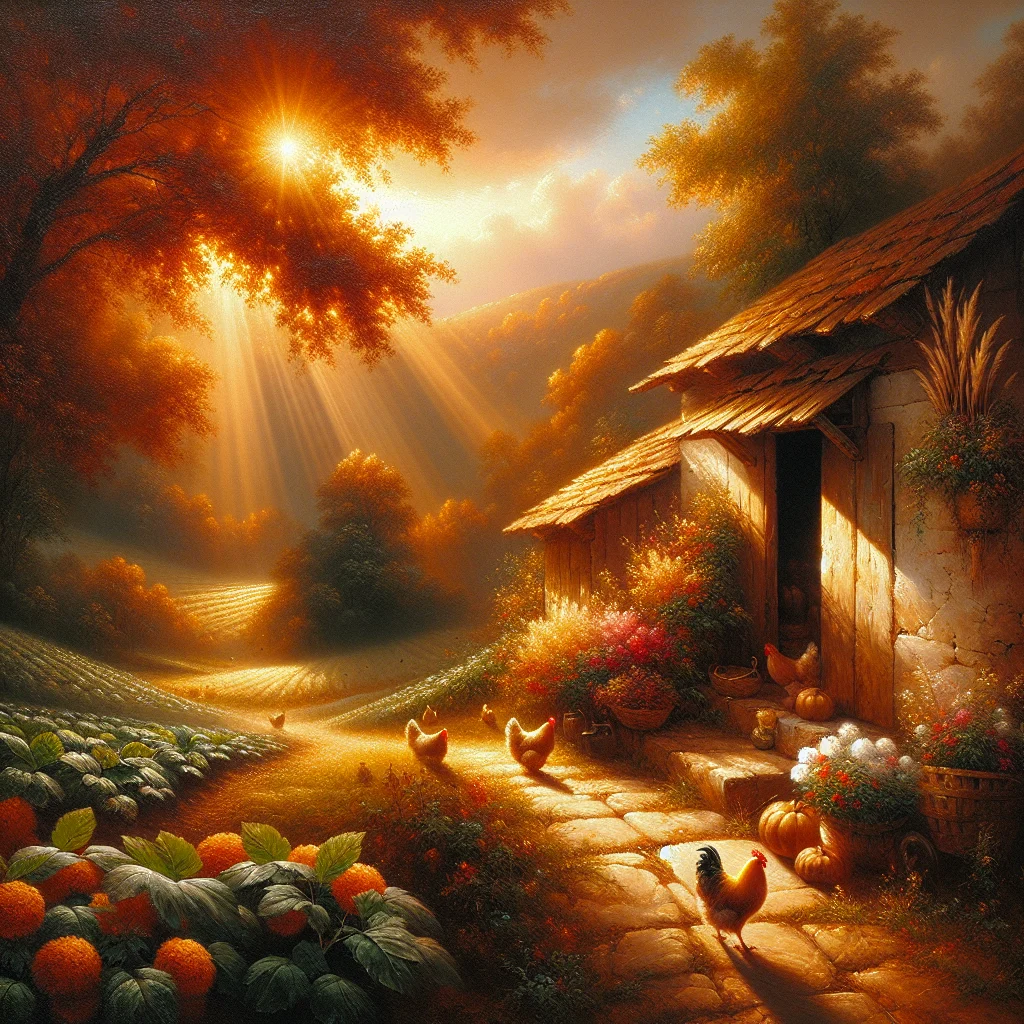
Understanding what country slow living truly means requires examining its foundational principles. First and foremost, this lifestyle emphasizes intentional simplicity. Unlike minimalism, which focuses on owning less, intentional simplicity means carefully choosing what adds value to your life. In the countryside, this might translate to maintaining a vegetable garden that provides fresh produce, keeping chickens for eggs, or preserving seasonal harvests—activities that connect you directly to your sustenance.
Another essential principle involves reconnecting with natural rhythms. Modern life often ignores the cycles of day and night, seasons, and weather patterns. Consequently, many people suffer from disrupted sleep, seasonal affective disorder, and a general disconnection from the natural world. Country living invites you to align your activities with sunlight hours, plan activities around weather conditions, and acknowledge the changing seasons not just on a calendar, but in your daily experience. This alignment with circadian rhythms can profoundly impact both physical and mental health.
The third pillar centers on community connection and self-reliance. Although these concepts might seem contradictory, they actually complement each other beautifully in rural settings. Self-reliance doesn’t mean isolation; rather, it means developing skills and resources that reduce dependency on complex supply chains. Meanwhile, rural communities often maintain traditions of mutual support—neighbors helping with harvests, sharing equipment, exchanging knowledge, and looking out for one another. This balance creates resilience without fostering the individualism that often characterizes urban environments.
Additionally, country slow living embraces hands-on creativity and craftsmanship. When you live rurally, you naturally engage more with making and doing: preparing food from scratch, tending gardens, maintaining property, creating with your hands. These activities provide what psychologists call “flow states”—those deeply satisfying periods of focused engagement that modern office work rarely offers. Furthermore, seeing tangible results from your efforts delivers genuine satisfaction that virtual accomplishments simply cannot match.
Finally, this lifestyle requires patience and acceptance of imperfection. Plants don’t grow on your schedule, weather doesn’t cooperate with plans, and animals have their own agendas. Learning to work with rather than against these realities builds character and reduces stress. For more on developing this mindset, explore our guide on how to embrace slow living in your current situation.
Practical Benefits of Rural Slow Living
Beyond philosophical principles, country slow living delivers concrete benefits. Research consistently shows that exposure to natural environments reduces stress hormones, lowers blood pressure, and improves mental health. Living surrounded by nature means these benefits become part of your daily baseline rather than something you seek out occasionally.
Economic advantages also deserve consideration. While rural properties require different investments than urban ones, many costs decrease significantly. Food expenses drop when you grow your own vegetables and herbs. Entertainment becomes less expensive when nature provides recreational opportunities. Housing costs in many rural areas remain substantially lower than urban centers, allowing people to own property outright rather than carrying decades of mortgage debt.
Moreover, time abundance replaces time scarcity. Without lengthy commutes, you reclaim hours each week. The lack of urban stimulation means fewer impulses to constantly consume entertainment, shop, or fill every moment with activity. This spaciousness allows for pursuits that truly nourish: reading, creative projects, skill development, meaningful conversations, and simply being present with loved ones.
Creating Your Country Slow Living Space
Transitioning to country slow living involves thoughtfully creating an environment that supports your values and goals. Location selection represents the first major decision. Not all rural areas offer the same experience, so consider factors like climate, proximity to essential services, community character, internet connectivity, and local economic opportunities. Some people thrive in remote wilderness settings, while others prefer village locations that blend rural peace with community amenities.
When evaluating properties, think beyond the house itself. Consider the land’s potential: Is there space for gardens? What’s the water situation? How much maintenance will the property require? Can you handle that maintenance yourself, or will you need to hire help? Remember that embracing slow living means choosing sustainability over constantly stretching yourself thin trying to maintain something beyond your capacity.
Once established, design your homestead around functional zones that make sense for your lifestyle. For example, position vegetable gardens near the kitchen for convenience. Place chicken coops where they’re easily accessible for daily feeding but far enough from living areas to manage noise and odor. Create distinct spaces for work, rest, and recreation. This zoning doesn’t require a large property; even a small rural lot can be efficiently organized.
Starting small with your country living projects prevents overwhelm. Begin with a modest vegetable garden rather than an acre of cultivation. Try keeping a few chickens before investing in larger livestock. Learn preservation methods with small batches before processing bushels of produce. Each small success builds confidence and skills for the next project. In addition, this gradual approach allows you to discover what you genuinely enjoy versus what looks romantic in theory but feels like a burden in practice.
Essential Skills for Country Living
While you don’t need expertise before moving rurally, developing certain skills makes the transition smoother. Basic gardening knowledge tops the list. Understanding your growing zone, soil composition, planting schedules, and pest management creates the foundation for food production. Fortunately, gardening skills develop through experience, and the gardening community is generally welcoming to newcomers seeking advice.
Similarly, food preservation techniques extend your harvest’s value. Canning, freezing, dehydrating, fermenting, and root cellaring transform seasonal abundance into year-round nourishment. These traditional skills, once common knowledge, now require intentional learning. However, abundant resources exist, from community classes to online tutorials and traditional cookbooks.
Basic property maintenance and repair skills also prove invaluable. Rural areas typically mean longer response times for professional repairs and higher service call fees. Learning to handle minor plumbing issues, basic carpentry, simple electrical repairs, and equipment maintenance saves money while building self-confidence. Moreover, the problem-solving aspect of repairs provides mental stimulation quite different from typical knowledge work.
Don’t overlook animal husbandry basics if you plan to keep livestock, even small animals. Chickens, rabbits, goats, and bees each have specific needs and behaviors. Understanding these before bringing animals home prevents suffering and disappointment. Start by reading extensively, connecting with experienced keepers, and possibly volunteering at farms to gain hands-on experience before committing.
The Rhythm of Country Slow Living Days
Daily life in country slow living follows different patterns than urban routines. Mornings often begin earlier, aligned with natural light rather than arbitrary work schedules. Instead of rushing through breakfast while checking phones, you might feed chickens, collect eggs, or simply enjoy coffee while watching sunrise colors develop across the landscape. These quiet rituals ground you before the day unfolds.
Work takes on different character in rural settings. Even if you maintain remote employment, you’re likely to integrate more physical activity into your day. A midday break might involve weeding the garden rather than scrolling social media. Lunch could feature ingredients you harvested that morning. These integrations of productive activity and sustenance create a different relationship with time—less segmented, more holistic.
Afternoons in country slow living often blend various activities. Perhaps you spend an hour on professional work, then shift to property projects, followed by creative pursuits or learning new skills. This variety prevents the mental fatigue that comes from extended periods of single-task focus. Furthermore, the physical activity balanced with mental work promotes better sleep and overall health. Those interested in the broader philosophy might explore resources about holistic living that complement this lifestyle.
Evenings naturally slow as daylight fades. Without constant urban stimulation, you become more attuned to your body’s signals for rest. Dinner preparation becomes a mindful activity rather than a rushed necessity. Family time expands into conversations, board games, reading aloud, or simply sitting together without devices demanding attention. This quality time strengthens relationships in ways that scheduled “quality time” in busy urban life often cannot achieve.
Seasonal Living and Celebrations
One of country slow living’s most rewarding aspects involves deep engagement with seasons. Spring brings the excitement of planting, watching the world green up after winter dormancy, and celebrating longer days. Summer demands attention to watering, weeding, and harvesting while offering abundant outdoor time and preservation activities. Autumn delivers harvest completion, preparation for winter, and the satisfaction of stocked pantries. Winter allows rest, planning, indoor projects, and reflection.
These seasonal shifts create natural variety that prevents monotony. Rather than every month feeling essentially the same—as urban life often does—each season presents distinct activities, challenges, and pleasures. Consequently, time feels richer and more dimensional. You experience the passage of a year not just intellectually but through your body’s engagement with changing conditions.
Traditional seasonal celebrations gain new meaning in this context. Harvest festivals, solstice acknowledgments, and seasonal religious holidays connect to actual lived experience rather than arbitrary calendar dates. When you’ve nurtured plants from seed to harvest, celebrating that abundance carries genuine gratitude. When you’ve experienced winter’s darkness, spring’s return feels like a real renewal worth marking.
Challenges and Solutions in Country Slow Living
Despite its many benefits, country slow living presents real challenges that deserve honest discussion. Isolation concerns many people considering rural moves. Without nearby neighbors or easy access to social venues, loneliness can develop. However, intentional community building addresses this challenge. Join local organizations, volunteer, attend community events, and invite people over regularly. Rural friendships often develop more slowly but tend to be deeper and more reliable than casual urban acquaintances.
Another common challenge involves limited access to services. Healthcare facilities, specialized stores, and cultural venues may be hours away. This distance requires different planning—stocking up on supplies, scheduling medical appointments efficiently, and sometimes accepting that certain conveniences simply aren’t available. Nevertheless, many people find that with adjustment, they need these services less frequently than they imagined. The improved health that comes from stress reduction, better diet, and more physical activity often means fewer medical visits.
Financial sustainability can also present difficulties, particularly during transition periods. Income generation in rural areas may require creativity. Remote work provides one solution for those with appropriate skills. Others develop location-based income through agritourism, farm stands, artisan products, or freelance services. Importantly, reduced expenses mean you need less income to maintain quality of life. For those exploring this transition while maintaining careers, our article on slow living jobs that pay well offers valuable perspectives.
Physical demands represent another consideration. Country living typically requires more physical labor than urban or suburban existence. Property maintenance, gardening, animal care, and even basic tasks like bringing in firewood demand bodily capability. For those with physical limitations, this might seem prohibitive. However, adaptive strategies exist: raised bed gardens, automated animal watering systems, hiring help for heavy tasks, and choosing appropriate property sizes. The key involves honest assessment of your capabilities and planning accordingly.
Mental Adjustments and Personal Growth
Perhaps the deepest challenges are psychological. Urban life conditions us to expect immediate gratification, constant stimulation, and rapid results. Country slow living requires patience, tolerance for uncertainty, and acceptance of natural timelines. Seeds don’t germinate faster because you’re impatient. Weather doesn’t cooperate because you have plans. Animals don’t conform to your schedule.
Initially, this lack of control can feel frustrating. Over time, however, it becomes liberating. You learn that your happiness doesn’t depend on controlling every variable. You develop resilience by navigating unexpected situations. You discover capabilities you didn’t know you possessed. This personal growth represents one of country slow living’s greatest gifts, though it comes through challenge rather than comfort.
The transition also offers opportunities for addressing past patterns and wounds. With fewer distractions available, you naturally spend more time with your thoughts and feelings. This can surface uncomfortable emotions or unresolved issues. While challenging, this process facilitates genuine healing when approached with proper support. Resources like holistic health healing can provide frameworks for navigating this inner work.
To support your inner transformation during this lifestyle change, Manifest Your Dreams: A Practical Guide to the Law of Attraction offers practical techniques for aligning your external circumstances with your deepest values and aspirations.
Building a Sustainable Country Slow Living Practice
Long-term success in country slow living requires building sustainable systems rather than relying on initial enthusiasm. Start by establishing core routines that maintain your property and wellbeing: daily animal care, regular garden maintenance, seasonal preservation activities, and property upkeep schedules. These routines create structure that prevents overwhelm when motivation fluctuates.
Equally important, develop support networks both locally and online. Connect with experienced homesteaders, join rural living forums, participate in skill-sharing groups, and maintain friendships that nourish you. This combination of local practical support and broader community connection prevents the isolation that sometimes derails country living attempts. Furthermore, these connections provide crucial knowledge exchange—learning from others’ mistakes and successes accelerates your own development.
Practice adaptive planning rather than rigid goal-setting. Country living involves too many uncontrollable variables for strict plans to work well. Instead, set directional intentions while remaining flexible about timing and methods. For example, rather than “I will can 100 jars of tomatoes in August,” try “I will preserve tomatoes according to this year’s harvest.” This flexibility reduces stress while maintaining forward movement.
Remember to celebrate progress rather than focusing exclusively on what remains undone. Country properties always have more potential projects than time available. If you constantly focus on the incomplete, you’ll feel perpetually behind. Instead, acknowledge each completed task, each new skill learned, each successful harvest. This positive reinforcement sustains motivation through inevitable challenges.
Integrating Modern and Traditional Elements
Country slow living doesn’t require rejecting all modern conveniences or technology. Rather, it involves thoughtfully choosing which technologies serve your values and which detract from them. Internet access enables remote work, online learning, and staying connected with distant loved ones—all valuable. Solar panels and modern insulation make rural living more comfortable and sustainable. Efficient appliances reduce energy use and labor.
The key is maintaining intentionality. Ask yourself whether each technology increases your freedom or creates new dependencies. Does it support your goals or distract from them? Does it simplify your life or complicate it? A smartphone might be essential for navigation and communication yet problematic if it constantly pulls your attention from present-moment experience. Setting clear boundaries—like designated device-free times or areas—allows you to enjoy benefits while minimizing drawbacks.
Similarly, balance traditional skills with modern knowledge. While learning food preservation from grandmothers’ recipes, also consult current food safety guidelines. Combine traditional animal husbandry wisdom with contemporary veterinary medicine. This integration of old and new creates resilience—you understand fundamental principles while accessing current innovations. For additional perspectives on balancing different approaches, explore resources in our personal growth section.
Ultimately, country slow living represents a highly personal journey. Your version will differ from anyone else’s based on your location, values, skills, and circumstances. The essence isn’t following a prescribed formula but rather creating a life aligned with what matters most to you—a life with space for presence, connection, creativity, and peace. That journey might look like a small homestead, a rural cottage with gardens, or something entirely different. What matters is that it’s authentically yours, built intentionally rather than inherited by default.

