
Finding true emotional balance chakra alignment can transform your entire life. When your energy centers are in harmony, you experience greater peace, improved relationships, and a deeper connection to yourself. However, many people struggle with emotional turbulence without realizing that their chakras might be out of alignment. In this comprehensive guide, we’ll explore how your chakra system influences emotional wellbeing and provide practical techniques to restore balance.
The ancient wisdom of chakra healing offers profound insights into our emotional landscape. While modern science continues to explore the connections between energy systems and mental health, practitioners worldwide have experienced remarkable shifts through chakra work. Understanding the relationship between your energy centers and emotions isn’t just spiritual practice—it’s a pathway to genuine transformation.
Throughout this article, you’ll discover which specific chakras govern different emotional states, recognize signs of imbalance, and learn proven techniques for restoration. Whether you’re new to energy work or deepening your existing practice, these insights will help you cultivate lasting emotional stability.
If you’re ready to begin your journey toward inner harmony, consider starting with Everyday Calm: A Beginner’s Guide to Daily Meditation, which provides foundational practices that support chakra balancing work.
Understanding the Emotional Balance Chakra System
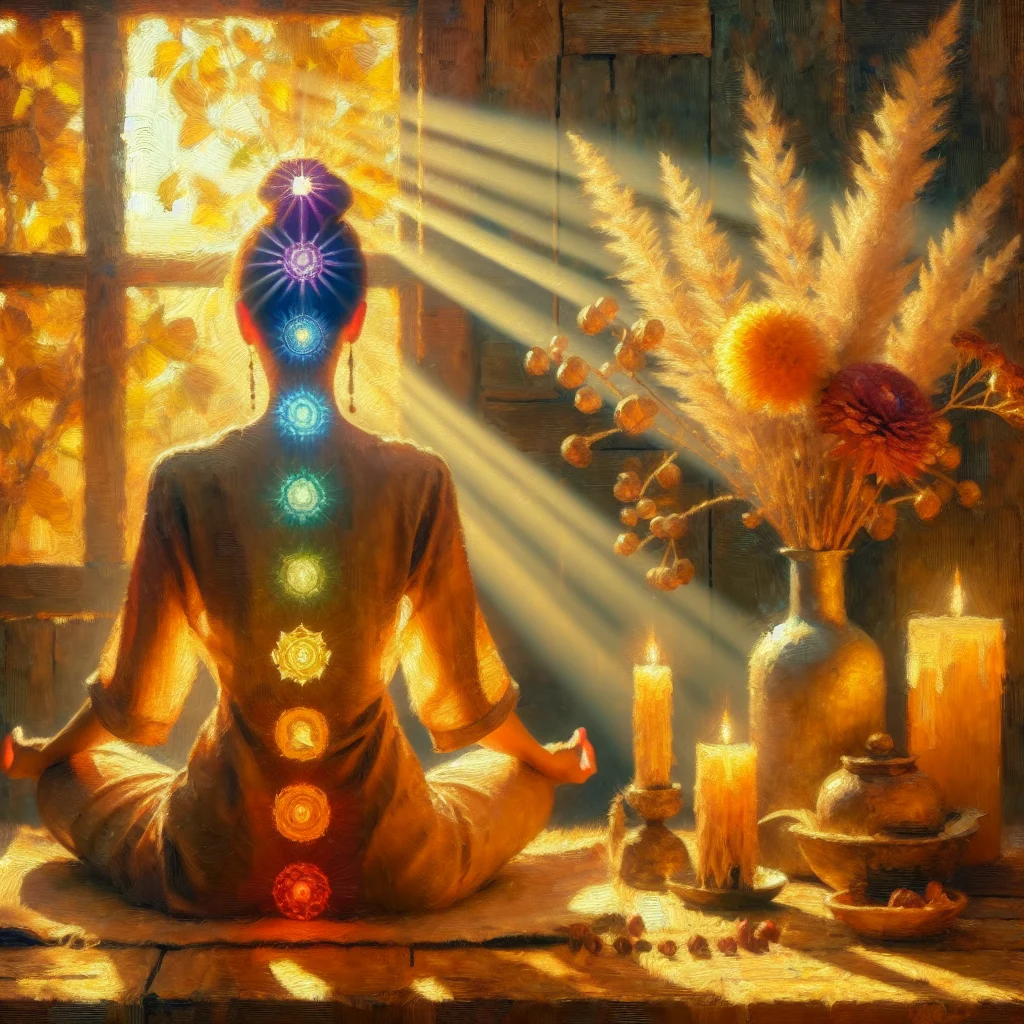
The chakra system consists of seven primary energy centers that run along your spine, from the base to the crown of your head. Each chakra corresponds to specific physical, emotional, and spiritual aspects of your being. When we talk about the emotional balance chakra connection, we’re referring to how these energy centers directly influence your feelings, reactions, and overall emotional health.
The Seven Chakras and Their Emotional Functions
Starting from the bottom, your root chakra (Muladhara) governs feelings of safety and security. When balanced, you feel grounded and stable. An imbalance here often manifests as anxiety, fear, or restlessness. Because this chakra forms your foundation, its stability affects all other energy centers above it.
Moving upward, the sacral chakra (Svadhisthana) rules creativity, pleasure, and emotional expression. This energy center strongly influences how you process and express feelings. In addition, it governs your ability to experience joy and connect with others emotionally. Blockages here can lead to emotional numbness or overwhelming mood swings.
The solar plexus chakra (Manipura) serves as your personal power center. It influences self-esteem, confidence, and your sense of control over life circumstances. Furthermore, this chakra helps you maintain healthy boundaries and assert yourself appropriately. When out of balance, you might experience shame, self-doubt, or need to control others excessively.
Your heart chakra (Anahata) sits at the center of the system and plays a crucial role in emotional balance. This energy center governs love, compassion, forgiveness, and emotional healing. As a result, heart chakra work is essential for anyone dealing with grief, resentment, or difficulty forming connections. Many practitioners consider this the primary emotional balance chakra because of its central position and influence.
Higher Chakras and Emotional Intelligence
The throat chakra (Vishuddha) affects how you communicate emotions and express your truth. When functioning optimally, you can articulate feelings clearly and listen compassionately. Blockages here often manifest as difficulty expressing emotions or, conversely, as excessive talking without genuine communication.
The third eye chakra (Ajna) influences intuition and emotional wisdom. This center helps you understand the deeper meaning behind your feelings and recognize patterns in your emotional responses. Moreover, it enables you to perceive situations clearly rather than through the distorted lens of past trauma or conditioning.
Finally, the crown chakra (Sahasrara) connects you to higher consciousness and spiritual understanding. While seemingly less directly related to everyday emotions, this center provides perspective that helps you transcend emotional reactivity. It reminds you that you are more than your temporary feelings and connects you to lasting peace.
Understanding emotional release definition helps clarify how blocked chakras store and eventually release trapped emotions through dedicated energy work.
Recognizing Emotional Imbalances in Your Chakras
Identifying which chakras need attention is the first step toward restoring your emotional balance chakra system. Physical sensations, recurring emotional patterns, and life circumstances all provide valuable clues about where imbalances exist. Learning to recognize these signs empowers you to address issues before they become chronic.
Physical Symptoms of Chakra Imbalance
Your body often signals chakra imbalances through physical symptoms in the areas governed by each energy center. For example, frequent lower back pain or digestive issues might indicate root chakra problems related to security fears. Similarly, tension in your shoulders or throat might reflect difficulty expressing emotions, suggesting a throat chakra blockage.
Heart chakra imbalances frequently manifest as chest tightness, shallow breathing, or cardiovascular issues. These physical sensations often accompany emotional symptoms like difficulty trusting others or fear of vulnerability. Because mind and body are intimately connected, addressing the energetic imbalance often brings relief to physical symptoms as well.
The solar plexus area might feel tense or uncomfortable when this chakra is blocked. Many people experience stomach issues, since this region governs digestion on both literal and metaphorical levels—your ability to “digest” life experiences. Chronic fatigue can also signal that your personal power center needs attention.
Emotional and Behavioral Patterns
Beyond physical symptoms, emotional patterns reveal chakra imbalances clearly. Do you frequently feel overwhelmed by others’ emotions? This might indicate that your mental health and wellbeing would benefit from heart chakra strengthening work to establish better boundaries while maintaining compassion.
Difficulty making decisions or constant second-guessing often points to solar plexus imbalance. On the other hand, being overly controlling or domineering also suggests this chakra needs rebalancing from the opposite direction. The goal is finding the middle path—confident without arrogance, flexible without weakness.
Emotional numbness or difficulty experiencing pleasure typically indicates sacral chakra blockages. In contrast, someone with an overactive sacral chakra might struggle with addiction, emotional volatility, or unhealthy relationship patterns. Recognizing these tendencies without judgment is essential for healing.
Persistent feelings of disconnection or meaninglessness often suggest crown chakra issues, while confusion and difficulty trusting your intuition point to third eye imbalance. Meanwhile, excessive overthinking without emotional awareness indicates that upper chakras dominate while lower ones need grounding.
Relationship and Life Circumstance Indicators
Your external circumstances mirror your internal energy state. Repeatedly attracting similar relationship problems often reflects unresolved chakra imbalances. For instance, consistently choosing emotionally unavailable partners might indicate your own heart chakra is protected by walls that block genuine connection.
Financial instability or feeling unsafe in your living situation commonly correlates with root chakra imbalance. Although practical factors certainly play a role, addressing the energetic component often creates surprising improvements in material circumstances. This happens because balanced root chakra energy helps you make grounded, practical decisions.
Creative blocks and lack of passion for life suggest sacral chakra attention is needed. Moreover, difficulty setting boundaries or saying “no” reflects solar plexus weakness that allows your energy to be drained by others’ demands. Learning how emotional release works can help you understand why these patterns persist and how to transform them.
Practical Techniques for Balancing Your Emotional Balance Chakra
Restoring harmony to your chakra system doesn’t require expensive tools or years of training. Simple, consistent practices create profound shifts in your emotional landscape over time. The key is approaching this work with patience and self-compassion, understanding that healing happens in layers.
Meditation and Visualization Practices
Meditation forms the foundation of chakra balancing work. A basic emotional balance chakra meditation involves sitting comfortably, breathing deeply, and bringing attention to each energy center sequentially. As you focus on each chakra location, visualize its associated color glowing brightly and spinning smoothly. This simple practice, done consistently, creates noticeable improvements.
For more targeted work, spend extra time with chakras that feel blocked or uncomfortable. For example, if you’re working through grief, dedicate additional attention to your heart chakra. Visualize green healing light filling this area while you breathe compassion toward yourself. Subsequently, notice how your emotional state shifts—sometimes subtly, sometimes dramatically.
Guided meditations specifically designed for chakra balancing can be particularly helpful for beginners. These recordings walk you through the process while incorporating sound frequencies that resonate with each energy center. In addition, they often include affirmations that reprogram limiting beliefs associated with chakra imbalances.
Exploring inner wisdom meditation techniques deepens your ability to receive guidance from your higher self about which chakras need attention and what specific healing approaches will serve you best.
Working with Crystals and Healing Stones
Crystals have been used for energetic healing across cultures for thousands of years. Each stone carries specific vibrational frequencies that can support chakra balancing. While skeptics might dismiss this as placebo effect, countless practitioners experience genuine benefits from crystal work, regardless of the mechanism involved.
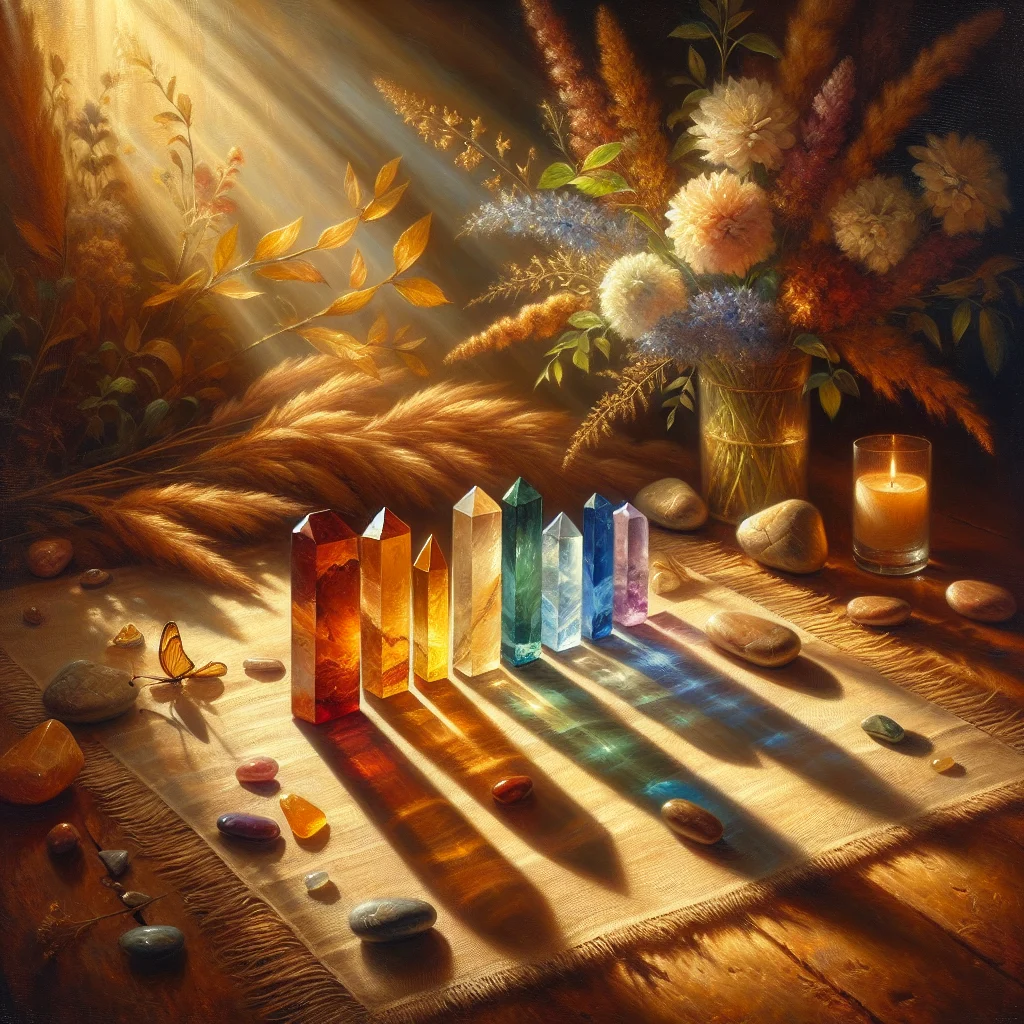
To use crystals for emotional balance chakra work, place appropriate stones on or near each energy center during meditation or rest. For instance, amethyst supports the crown chakra, promoting spiritual connection and emotional transcendence. Lapis lazuli activates the third eye, enhancing intuition about emotional patterns. Meanwhile, turquoise or aquamarine helps open the throat chakra for authentic expression.
The heart chakra responds beautifully to rose quartz, which gently opens you to self-love and compassion. Citrine or tiger’s eye strengthens the solar plexus, boosting confidence and personal power. The sacral chakra benefits from carnelian, which reignites creative passion and emotional fluidity, while red jasper or hematite grounds the root chakra effectively.
You don’t need an extensive collection to begin. Starting with crystals for emotional healing that resonate with your current challenges creates a foundation. As your practice develops, you’ll intuitively sense which stones your system needs. Learn more about healing crystals and their specific properties to make informed choices.
Sound Healing and Frequency Work
Each chakra resonates with specific sound frequencies. Using these tones through Hz music for healing or chanting helps restore balance to your energy system. The practice of sound healing dates back millennia and continues to gain recognition in modern wellness circles.
Traditional Sanskrit bija mantras (seed sounds) correspond to each chakra. Chanting “LAM” activates the root chakra, while “VAM” resonates with the sacral. “RAM” empowers the solar plexus, and “YAM” opens the heart. The throat responds to “HAM,” the third eye to “OM” or “SHAM,” and the crown to silence or the cosmic sound “OM.”
Alternatively, you can work with solfeggio frequencies—specific hertz measurements that influence different aspects of wellbeing. For example, 396 Hz helps release fear and guilt (root chakra), while 639 Hz supports heart chakra healing by enhancing connection and relationships. Listening to these frequencies during meditation or even as background music throughout your day creates subtle but cumulative effects.
Many practitioners find that combining sound with visualization multiplies the effectiveness. As you listen to a heart chakra frequency, for instance, simultaneously visualize green light expanding from your chest. This multisensory approach engages your system more completely, facilitating deeper healing. Discovering healing through frequency opens new dimensions in your emotional balance work.
Yoga and Movement Practices
Physical movement serves as a powerful method for releasing energetic blockages and restoring chakra flow. Yoga, in particular, offers specific poses that target individual chakras. For root chakra grounding, try standing poses like Mountain Pose (Tadasana) or Warrior I (Virabhadrasana I). These postures create a sense of stability and connection to earth energy.
Hip-opening poses such as Pigeon Pose (Eka Pada Rajakapotasana) or Bound Angle Pose (Baddha Konasana) release sacral chakra blockages. Because we store significant emotional tension in our hips, these stretches often trigger unexpected emotional releases—tears, laughter, or memories surfacing. Allow whatever emerges without judgment.
Core-strengthening poses like Boat Pose (Navasana) or Plank activate the solar plexus, building the inner fire of personal power. Heart-opening backbends such as Camel Pose (Ustrasana) or Cobra Pose (Bhujangasana) invite vulnerability and compassion to flow through the heart chakra. These poses can feel challenging emotionally because they literally open areas we habitually protect.
Inversions and balance poses support upper chakras. Shoulder Stand (Sarvangasana) stimulates the throat chakra, while Child’s Pose (Balasana) with forehead to ground activates the third eye. Even simple neck rolls release throat chakra tension, facilitating clearer emotional expression.
Maintaining Long-Term Emotional Balance Through Chakra Work
Achieving emotional balance chakra alignment isn’t a one-time accomplishment but an ongoing practice. Life continuously presents challenges that can knock your energy system off balance. Therefore, establishing sustainable habits ensures you maintain the equilibrium you’ve worked to create. The most effective approach combines daily practices with periodic deeper work.
Creating Your Daily Chakra Maintenance Routine
A simple morning practice sets a positive energetic tone for your entire day. Upon waking, spend just five to ten minutes doing a quick chakra scan. Close your eyes and mentally move through each energy center, noticing which areas feel open and flowing versus tight or sluggish. This awareness helps you address imbalances before they manifest as emotional reactivity or physical symptoms.
Follow your scan with a brief balancing exercise. You might visualize each chakra spinning in its associated color, repeat a relevant affirmation, or do a few yoga poses targeting areas that felt blocked. For instance, if your throat chakra feels tight, take a moment for conscious breathwork or hum gently to activate that energy center. These small interventions prevent minor imbalances from becoming major issues.
Evening practices support integration and release. Before bed, consider journaling about emotional experiences from your day, noting which chakras were involved. Did someone’s criticism trigger solar plexus shame? Did a heartwarming interaction open your heart chakra? This reflection builds emotional intelligence while highlighting patterns that need attention. Additionally, it helps you process experiences rather than storing them as energetic blockages.
Consistency matters more than duration. A dedicated ten-minute daily practice creates far more benefit than occasional hour-long sessions. As a result, your energy system remains relatively balanced, making you more resilient when stressful situations arise. The practices in Everyday Calm: A Beginner’s Guide to Daily Meditation can easily be adapted to include chakra awareness.
Seasonal and Cyclical Chakra Balancing
Different times of year naturally emphasize different chakras. Winter invites root chakra focus—grounding, security, and rest. Spring awakens the sacral chakra with its themes of creativity, renewal, and emotional flow. Summer’s expansive energy resonates with solar plexus and heart chakras, encouraging confidence and connection. Autumn’s reflective quality supports throat, third eye, and crown chakras as you integrate experiences and seek deeper meaning.
Aligning your chakra work with these natural cycles creates harmony between your internal energy and external environment. During winter months, emphasize practices that strengthen your foundation and sense of safety. Conversely, use summer’s vibrant energy to work on heart opening and authentic self-expression. This approach feels more effortless because you’re working with rather than against natural energetic currents.
Personal cycles also affect chakra balance. Many people notice that certain emotions or chakras demand attention around anniversaries of significant events, during hormonal fluctuations, or at life transition points. Rather than viewing these periods as setbacks, recognize them as opportunities for deeper healing. The layers of an onion peel away gradually—each cycle brings you to a new level of the same core issue.
Integrating Emotional Balance Chakra Work with Other Healing Modalities
Chakra balancing becomes even more powerful when combined with complementary practices. For example, therapy or counseling addresses emotional patterns from a psychological perspective, while chakra work releases the energetic component. Together, these approaches create comprehensive healing that transforms both mind and energy body.
Similarly, nutrition supports chakra health. Eating foods that match chakra colors provides both physical nutrients and energetic resonance. Red foods like beets and strawberries nourish the root chakra, while orange foods like carrots and oranges support the sacral. Yellow foods feed the solar plexus, greens open the heart, and so forth. Although this might seem simplistic, many practitioners notice improved emotional stability when eating a rainbow of whole foods.
Exploring healing stones crystals meanings allows you to add another dimension to your practice. You might wear specific stones as jewelry, keep them in your pocket, or place them around your living space. These constant subtle influences support your energy field throughout the day, even when you’re not actively doing chakra work.
Creative expression offers another powerful avenue for maintaining emotional balance through chakra activation. Writing, painting, dancing, or making music moves energy through your system in ways that seated meditation alone cannot achieve. Because each creative act engages multiple chakras, regular artistic practice keeps energy flowing smoothly while providing emotional release and joy.
Recognizing When to Seek Additional Support
While self-directed chakra work creates remarkable improvements for many people, sometimes professional support becomes necessary. If you’re working consistently with these practices but still experiencing severe emotional distress, chronic anxiety, or depression, please consult mental health professionals. Chakra work complements but doesn’t replace appropriate medical care.
Energy healers such as Reiki practitioners, acupuncturists, or specialized chakra therapists can identify and address blockages you might miss on your own. These practitioners have developed sensitivity through years of training and can often perceive subtle imbalances. A few professional sessions can jumpstart your progress and teach you techniques specific to your unique energetic signature.
Group settings also offer valuable support. Chakra balancing workshops, meditation groups, or yoga classes focused on energy work provide community and accountability. Furthermore, practicing in a group creates a powerful collective energy field that amplifies individual healing. Many people experience breakthroughs in group settings that eluded them during solo practice.
Exploring resources within the Spirituality & Inner Work category can provide additional perspectives and techniques to deepen your practice. Remember that your healing journey is uniquely yours—what works for others might not resonate with you, and vice versa. Trust your intuition about which approaches feel right.
Embracing the Journey of Emotional Balance
Achieving true emotional balance through chakra work is less about reaching a permanent state of perfection and more about developing resilience and awareness. You’ll have days when your energy feels beautifully aligned and others when old patterns resurface. Instead of judging these fluctuations, view them as information about where your system needs attention.
Celebrate small victories along the way. Perhaps you noticed yourself pausing before reacting defensively—that’s your solar plexus growing stronger. Maybe you expressed a difficult emotion clearly—your throat chakra is opening. These incremental changes accumulate into profound transformation over time. Patience and self-compassion accelerate rather than slow your progress because they themselves represent balanced heart chakra energy.
Consider documenting your journey through photos, journaling, or even creating a visual chakra map that you update periodically. Looking back after several months of consistent practice reveals changes you might not notice day-to-day. This evidence reinforces your commitment during moments when progress feels invisible.
The work of balancing your emotional balance chakra system ripples outward, affecting not only your internal experience but also your relationships, career, health, and overall life satisfaction. As you become more emotionally stable and energetically aligned, you naturally attract circumstances and people that match your elevated frequency. This isn’t magical thinking—it’s simply that balanced energy allows you to make clearer decisions, communicate more effectively, and respond to challenges with greater wisdom.
If you’re ready to take the next step in manifesting the life that balanced chakras make possible, explore Manifest Your Dreams: A Practical Guide to the Law of Attraction. This resource complements your chakra work by helping you align your intentions with your newly balanced energy system, creating powerful results.
Remember that emotional balance doesn’t mean feeling positive emotions all the time. Rather, it means experiencing the full spectrum of feelings without becoming overwhelmed, stuck, or defined by any particular emotion. Your chakras serve as the energetic infrastructure that allows this healthy emotional flow. By nurturing these vital energy centers, you create the foundation for a life of greater peace, purpose, and authentic connection—both with yourself and the world around you.

