
Have you ever felt the calming power of a simple piano melody washing over you? Slow living piano sheet music offers more than just beautiful notes on a page. It represents a gentle invitation to pause, breathe, and reconnect with the present moment through music.
In our fast-paced world, many people are rediscovering the joy of playing piano at a leisurely pace. This isn’t about performing complex compositions or racing through exercises. Instead, it’s about embracing music as a form of meditation, self-care, and intentional living.
Whether you’re a beginner learning your first chords or an experienced pianist seeking more meaningful pieces, slow living piano music provides a sanctuary from daily stress. The philosophy behind this approach mirrors the broader slow living movement, which encourages us to savor life’s simple pleasures rather than rushing through them.
If you’re ready to transform your mindfulness practice into something more tangible, consider exploring Everyday Calm: A Beginner’s Guide to Daily Meditation. This resource beautifully complements the meditative nature of slow piano playing.
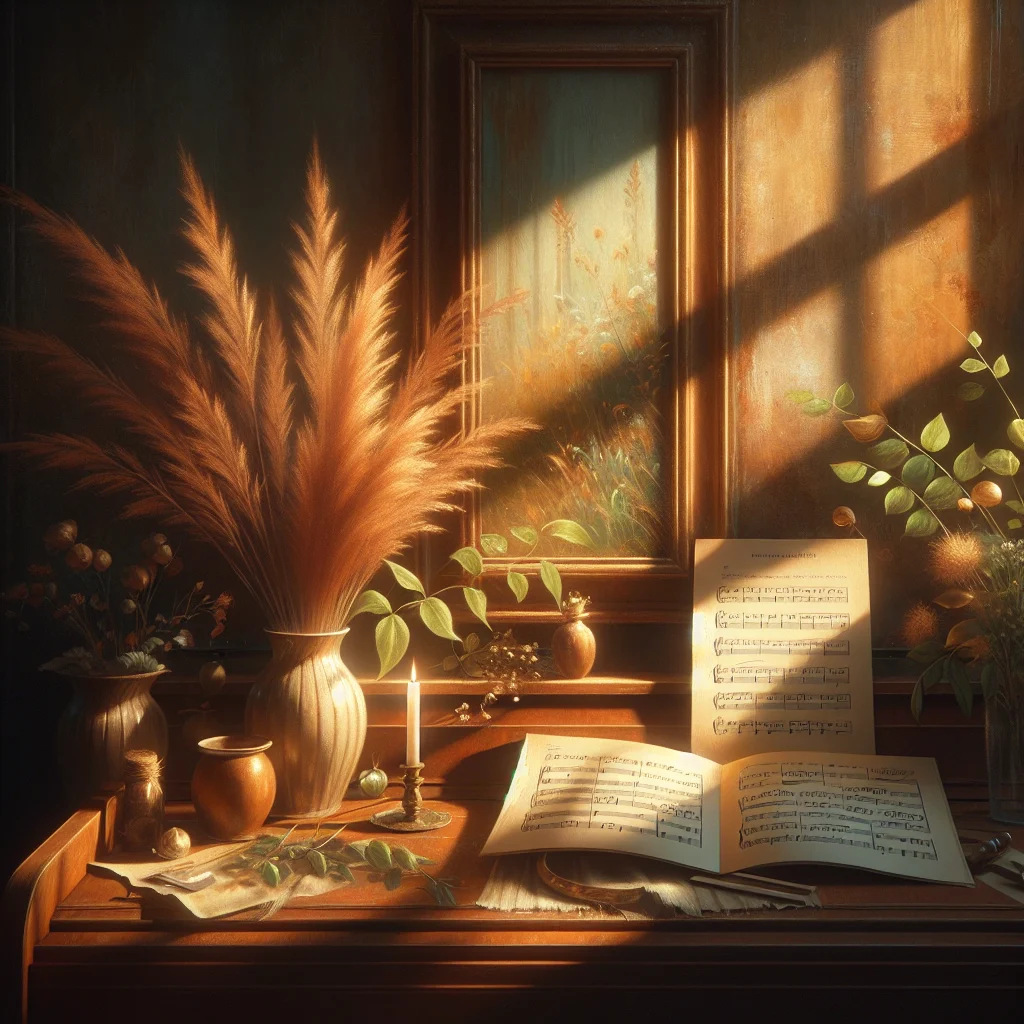
Understanding the Philosophy of Slow Living Music
The concept of slow living has roots in various cultural movements around the world. For example, the Japanese concept of “ma” emphasizes the beauty of negative space and silence between notes. This philosophy translates beautifully into piano music.
When we talk about slow living piano compositions, we’re referring to pieces that prioritize space, silence, and simplicity. These aren’t necessarily slow in tempo, though many are. Rather, they create room for reflection and emotional processing.
Why Slow Piano Music Resonates Today
Modern life bombards us with constant stimulation. Consequently, our nervous systems remain perpetually activated, leading to stress and burnout. However, playing or listening to slow, intentional piano music helps counteract this tendency.
Research from music therapy studies demonstrates that certain musical elements reduce cortisol levels and promote relaxation. Slow tempos, predictable harmonic progressions, and gentle dynamics all contribute to this calming effect.
Furthermore, the act of learning and practicing piano engages both hemispheres of the brain. As a result, it becomes a form of active meditation that keeps your mind focused while allowing worries to fade into the background.
Characteristics of Slow Living Piano Sheet Music
Not all piano music fits the slow living aesthetic. Therefore, it’s helpful to understand what distinguishes these particular compositions from other genres.
Musical Elements That Define the Genre
**Minimal complexity** forms the foundation of most slow living piano pieces. While technically accessible, these compositions create profound emotional impact through simplicity rather than virtuosity.
- Sparse textures that allow each note to resonate fully
- Repetitive patterns that create a meditative, trance-like quality
- Slow to moderate tempos that encourage mindful playing
- Simple harmonic progressions that feel familiar and comforting
- Extended silences between phrases that honor the space between notes
In addition to these elements, many slow living piano pieces draw inspiration from nature. You’ll often find titles referencing seasons, landscapes, or natural phenomena. This connection to the natural world aligns with the broader holistic living philosophy.
Composers and Styles to Explore
Several contemporary composers have become associated with this minimalist, meditative approach to piano music. While they might not explicitly use the term “slow living,” their work embodies its principles.
Ludovico Einaudi perhaps best exemplifies this genre. His compositions like “Nuvole Bianche” and “Una Mattina” feature repetitive patterns that evolve slowly over time. Similarly, **Yiruma** creates accessible, emotionally resonant pieces like “River Flows in You.”
Meanwhile, **Ólafur Arnalds** blends classical piano with ambient electronic elements, creating atmospheric soundscapes perfect for contemplation. On the other hand, **Nils Frahm** experiments with prepared piano and extended techniques while maintaining accessibility.
For those interested in classical composers, **Erik Satie’s** Gymnopédies offer timeless examples of spacious, meditative piano music. His work predated the slow living movement by over a century, yet perfectly captures its essence.
Finding the Right Sheet Music for Your Journey
With so many options available, selecting appropriate slow living piano sheet music can feel overwhelming. However, a few guiding principles will help you make choices that serve your practice.
Assessing Your Skill Level Honestly
Many pianists, especially adults returning to the instrument, struggle with matching their aspirations to their current abilities. Nevertheless, starting with pieces slightly below your technical level allows you to focus on expression rather than merely hitting the right notes.
Beginner pieces typically stay within a five-finger position and use limited hand movement. In contrast, intermediate repertoire introduces more complex rhythms, broader ranges, and simple pedaling. Advanced players can tackle pieces with intricate voicing, extended techniques, and nuanced dynamics.
Remember, the goal isn’t to conquer difficult music quickly. Instead, it’s about finding pieces you can play mindfully and expressively. This approach aligns with establishing a slow living daily routine that prioritizes quality over quantity.
Where to Find Quality Sheet Music
Both free and paid resources offer excellent slow living piano repertoire. However, the quality varies significantly across different platforms.
**Free resources** like IMSLP (International Music Score Library Project) provide access to public domain classical works, including Satie’s contemplative pieces. Additionally, many contemporary composers share simplified arrangements on personal websites.
For **paid collections**, established publishers like Hal Leonard and Alfred Music produce curated anthologies of contemporary piano music. These often include pieces specifically designed for relaxation and mindfulness.
Digital platforms such as Musicnotes and Sheet Music Plus offer instant downloads with audio previews. Consequently, you can hear pieces before purchasing, ensuring they match your taste and skill level.
Building Your Slow Living Piano Practice
Having the right sheet music represents only the first step. The real transformation happens through consistent, mindful practice that honors the slow living philosophy.
Creating a Sacred Practice Space
Your practice environment significantly impacts your experience. Therefore, designate a specific area that feels calm and inviting. This doesn’t require a large space—just somewhere you can focus without constant interruptions.
Natural light enhances the experience, as does incorporating elements from nature like plants or stones. Similarly, keeping the area tidy and uncluttered helps maintain mental clarity. Some practitioners add essential oils to create a multisensory experience.
The piano itself deserves attention. Even if you’re using a digital keyboard, positioning it thoughtfully and maintaining good posture shows respect for your practice. Because physical comfort directly affects musical expression, invest in a proper bench and adjust it to the correct height.
Developing a Mindful Practice Routine
Rather than setting ambitious time goals, focus on quality and consistency. Even fifteen minutes of fully present practice surpasses an hour of distracted effort.
Begin each session with a brief centering ritual. For example, take five deep breaths before touching the keys. This transition helps shift your mental state from everyday concerns to musical presence.
- Start with silence – Sit at the piano and simply listen to your breath for a minute
- Warm up gently – Play simple scales or chords slowly, focusing on sound quality
- Practice with intention – Work on your chosen piece, giving attention to each phrase
- Embrace imperfection – Notice mistakes without judgment, then continue playing
- End with gratitude – Play through your favorite section once more, then sit in quiet appreciation
This structured yet flexible approach mirrors principles found in mindfulness and meditation practices. Furthermore, it transforms piano practice from a task into a form of self-care.
The Healing Power of Slow Piano Music
Beyond simple relaxation, engaging with slow living piano music can facilitate deeper emotional and psychological healing. The relationship between healing and music has been recognized across cultures for millennia.
Music as Emotional Processing
Playing piano provides a safe outlet for emotions that might otherwise remain unexpressed. For instance, a melancholic piece can help you acknowledge and process sadness without becoming overwhelmed by it.
The repetitive nature of many slow living compositions creates a container for difficult feelings. As you play the same passage repeatedly, you might notice emotions shifting and transforming. This process mirrors therapeutic techniques used in trauma treatment.
Moreover, music engages parts of the brain involved in memory and emotion regulation. Consequently, regular piano practice can actually rewire neural pathways, building resilience over time.
Physical Benefits of Piano Practice
While we often focus on mental and emotional benefits, playing piano also offers tangible physical advantages. The coordination required engages fine motor skills and improves hand-eye coordination throughout life.
Additionally, the focused breathing that accompanies mindful playing activates the parasympathetic nervous system. As a result, heart rate slows, blood pressure decreases, and the body enters a rest-and-digest state.
For older adults, piano practice helps maintain cognitive function and dexterity. Studies show that musical training correlates with better memory retention and processing speed as we age.
Expanding Beyond the Piano
While piano provides a wonderful vehicle for slow living practices, the principles extend far beyond this single instrument. The mindset you develop through piano practice can transform other areas of life.
Integrating Music with Other Slow Living Practices
Many practitioners discover beautiful synergies between piano practice and other contemplative activities. For example, starting your day with gentle piano playing can set a peaceful tone before moving into yoga or meditation.
Similarly, combining piano with journaling creates opportunities for deeper self-reflection. After practicing, spend a few minutes writing about the emotions or insights that arose. This integration strengthens both practices.
Some people enjoy playing piano as part of their evening wind-down routine. Instead of scrolling through phones before bed, fifteen minutes at the piano helps transition from activity to rest.
Building Community Through Shared Music
Although slow living emphasizes solitude and introspection, it doesn’t mean isolation. Connecting with others who share your appreciation for mindful music enriches the journey.
Online communities dedicated to piano playing offer spaces to share progress, ask questions, and discover new repertoire. However, choose groups that prioritize encouragement over competition.
Local music shops sometimes host informal gatherings where pianists of all levels can play for each other in supportive environments. These experiences build confidence while fostering genuine connection.

Recommended Pieces for Different Moods and Moments
Different pieces serve different purposes in your slow living practice. Therefore, building a varied repertoire allows you to match music to your current emotional state or intention.
For Morning Calm and Centering
Begin your day with pieces that feel gentle yet energizing. These compositions should help you transition from sleep to wakefulness without jarring your nervous system.
- “Comptine d’un autre été” by Yann Tiersen – Hopeful and forward-moving
- “Morning” from Peer Gynt Suite by Edvard Grieg – Gradually building brightness
- “First Breath After Coma” by Explosions in the Sky (piano arrangement) – Contemplative awakening
For Midday Refocusing
When afternoon energy dips or stress accumulates, taking a piano break can reset your mental state. Choose pieces that are engaging enough to capture attention but not so demanding they create additional stress.
Ludovico Einaudi’s “Divenire” provides perfect midday energy. Its steady rhythm and building intensity help restore focus without overwhelming. Meanwhile, Max Richter’s “On the Nature of Daylight” offers profound emotional depth within a relatively simple framework.
For Evening Unwinding
As day transitions to night, slower, more introspective pieces support the natural winding down process. These compositions should feel like musical exhales, releasing accumulated tension.
Erik Satie’s “Gymnopédie No. 1” remains timeless for good reason. Its spacious quality and gentle dissonances create perfect ambiance for reflection. Similarly, Frédéric Chopin’s nocturnes, particularly Op. 9 No. 2, offer romantic expressiveness within accessible technical demands.
Overcoming Common Challenges
Even with the best intentions, obstacles inevitably arise in any practice. However, anticipating these challenges helps you navigate them with grace rather than frustration.
When Progress Feels Slow
In a culture obsessed with rapid results, piano practice teaches patience. Nevertheless, periods when progress seems stalled can test commitment.
Remember that musical development isn’t linear. Sometimes the brain needs processing time between sessions for new skills to consolidate. Furthermore, what feels like stagnation often precedes breakthroughs.
Instead of measuring progress by new pieces learned, notice subtler improvements. Perhaps your tone has become more beautiful, or you’re better at recovering from mistakes. These qualitative changes matter more than quantity.
Managing Perfectionism
Perfectionists often struggle with slow living approaches because the emphasis shifts from achievement to experience. However, piano practice offers perfect opportunities to practice self-compassion.
When you notice harsh self-criticism arising during practice, pause and take three breaths. Acknowledge that mistakes are not failures but necessary parts of learning. In fact, they provide valuable information about where you need more attention.
Consider recording yourself playing occasionally. Often, what feels like a disaster sounds much better from a listener’s perspective. This external viewpoint helps calibrate internal expectations.
Finding Time Consistently
Busy schedules make consistency challenging. Nevertheless, even brief daily practice yields better results than sporadic longer sessions.
Rather than waiting for perfect conditions, integrate piano into existing routines. For instance, play for ten minutes before your morning coffee or as an evening ritual after dinner. These small pockets of time accumulate significantly over weeks and months.
Moreover, shorter sessions align better with the slow living philosophy. They prevent practice from becoming another stressful obligation while still maintaining momentum.
Resources for Continuing Your Journey
As you deepen your engagement with slow living piano sheet music, additional resources can support and inspire your practice.
Online Learning Platforms
Several websites offer structured courses specifically designed for adult learners seeking mindful piano practice. These typically emphasize enjoyment and expression over competition or rigid technique.
Platforms like Pianote and Piano With Jonny provide comprehensive lessons with supportive communities. Meanwhile, YouTube channels such as “Rousseau” and “Kassia” offer inspiration through their visualizations of slow living repertoire.
Books and Literature
Reading about music deepens appreciation and understanding. “The Inner Game of Music” by Barry Green explores the psychological aspects of practice, while “This Is Your Brain on Music” by Daniel Levitin explains the neuroscience behind musical experience.
For broader slow living philosophy, consider exploring resources on personal growth that complement your musical journey. Additionally, books about the slow movement provide cultural context for why intentional practices matter.
Combining Piano with Other Wellness Practices
Your piano practice can integrate beautifully with other aspects of holistic wellness. For example, learning about visualization and manifestation can enhance your ability to hear music internally before playing it.
Similarly, studying the connection between sound and wellbeing through resources about sound healing enriches your understanding of why certain pieces affect you deeply. This interdisciplinary approach creates a more comprehensive slow living practice.
Making Music Part of Your Slow Living Lifestyle
Ultimately, slow living piano sheet music represents more than a hobby or skill development. It becomes a gateway to a more intentional, present, and meaningful life.
The discipline required for regular practice builds self-trust and commitment. When you show up at the piano day after day, you demonstrate to yourself that you’re worth investing in. This self-regard radiates into other life areas.
Furthermore, the patience demanded by musical learning counteracts our culture’s instant gratification mentality. Because piano mastery takes months and years rather than days or weeks, it teaches the value of sustained effort toward distant goals.
The aesthetic appreciation developed through musical study also enhances other experiences. You begin noticing beauty in everyday sounds—rain on windows, wind through trees, or the rhythms of conversation. Life itself becomes richer and more textured.
As you continue exploring slow living through piano, remember that this journey has no destination. There’s no point at which you’ve “arrived” or completed the work. Instead, each day offers new opportunities to engage with music, yourself, and the present moment.
If you’re inspired to deepen your mindfulness practice beyond music, consider exploring The Self-Love Reset: A Journey to Rediscover Yourself. This comprehensive guide complements the self-discovery that happens through musical practice.
Whatever your current skill level or experience with piano, know that slow living music welcomes everyone. The only requirements are curiosity, patience, and willingness to show up consistently. The rest unfolds naturally through practice, just like each beautiful note emerging from beneath your fingers.

