
In our hyperconnected world, creating slow living feel good spaces for contemporary homes has become more important than ever. These intentional environments serve as sanctuaries where we can pause, breathe, and reconnect with ourselves amid the chaos of modern life. Rather than following fleeting design trends, slow living spaces prioritize comfort, mindfulness, and genuine well-being.
The concept of slow living isn’t about doing everything at a snail’s pace. Instead, it encourages us to be more deliberate about how we spend our time and energy. Similarly, designing feel-good spaces means crafting environments that nurture our mental and physical health while reflecting our authentic selves.
Ready to transform your home into a haven of tranquility? Everyday Calm: A Beginner’s Guide to Daily Meditation can help you establish the mindful practices that will bring these spaces to life.
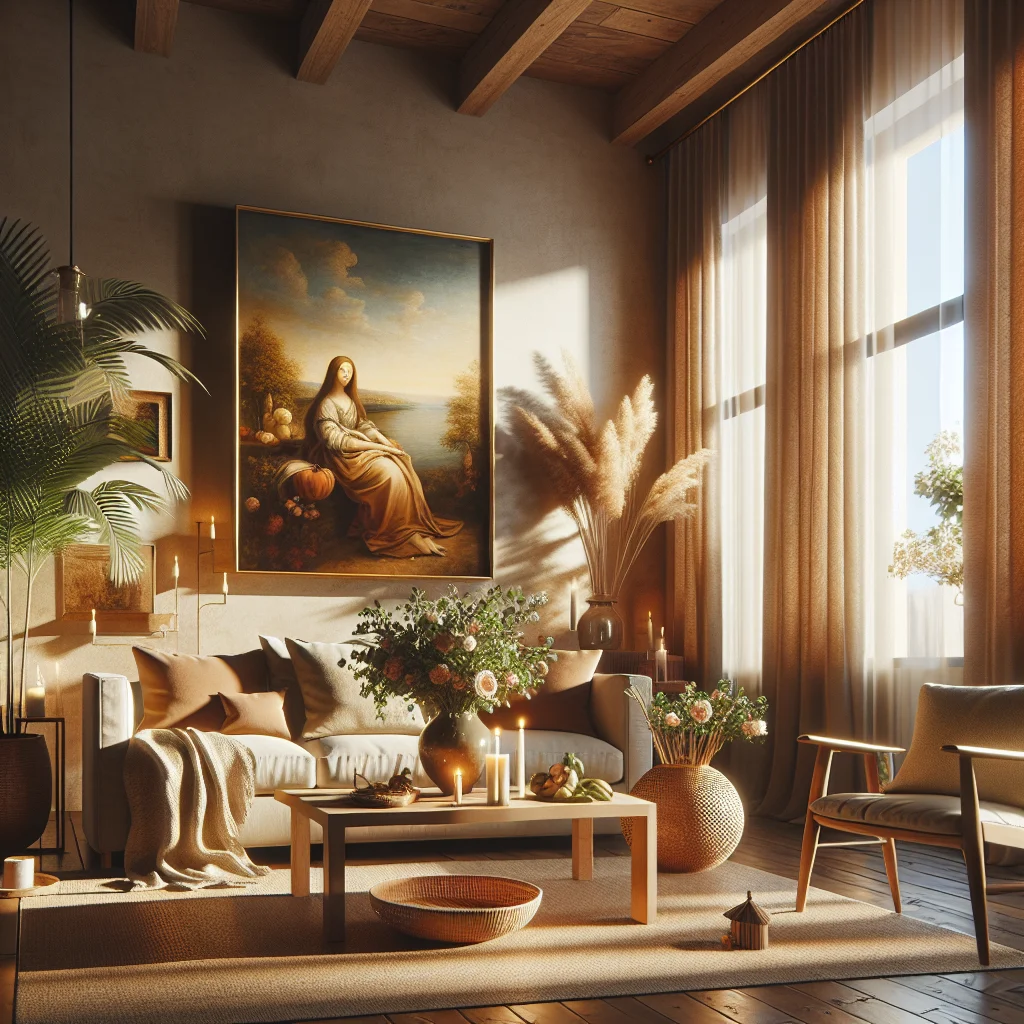
Understanding Slow Living Spaces in Contemporary Design
The marriage between slow living principles and contemporary design creates spaces that feel both current and timeless. Unlike minimalism, which can sometimes feel cold or sterile, slow living spaces embrace warmth and personality. They invite you to linger, to savor the moment, and to simply be.
Contemporary slow living design draws inspiration from various movements. For example, the Slow Movement began in the 1980s as a cultural shift toward slowing down life’s pace. This philosophy has naturally extended into interior design, creating spaces that resist the pressure to constantly update and consume.
Core Principles of Feel-Good Spaces
Several fundamental principles guide the creation of these nurturing environments. First and foremost, intentionality matters more than perfection. Every element in your space should serve a purpose, whether functional or emotional.
Additionally, these spaces prioritize natural elements. Wood, stone, cotton, linen, and other organic materials create tangible connections to nature. Research shows that biophilic design elements significantly reduce stress and improve cognitive function.
Another crucial aspect involves reducing visual clutter. However, this doesn’t mean your space must be sparse. Rather, it means being selective about what you display and ensuring everything has its place.
Creating Your Slow Living Sanctuary
Transforming your home begins with understanding your personal needs and lifestyle. Because each person’s idea of comfort differs, your slow living space should reflect your unique personality and values. Start by identifying which areas of your home feel most stressful or chaotic.
Choosing the Right Colors and Textures
Color psychology plays a significant role in how spaces make us feel. Neutral palettes typically form the foundation of contemporary slow living spaces. Think warm whites, soft grays, earthy beiges, and gentle taupes. These colors create a calming backdrop that won’t overwhelm the senses.
Nevertheless, neutral doesn’t mean boring. Layer in texture through various materials:
- Woven textiles like chunky knit throws and handmade baskets
- Natural fibers including jute rugs and linen curtains
- Organic materials such as raw wood furniture and stone accessories
- Tactile elements like velvet cushions and wool upholstery
Furthermore, accent colors derived from nature—sage green, terracotta, dusty blue—can add personality without disrupting the peaceful atmosphere. These hues ground us and create visual harmony throughout the space.
Furniture Selection for Comfort and Function
When choosing furniture for slow living feel good spaces for contemporary homes, prioritize quality over quantity. Investment pieces that will last decades align better with slow living values than trendy items you’ll replace every few years.
Look for furniture with clean lines characteristic of contemporary design, but ensure comfort isn’t sacrificed for aesthetics. Test seating thoroughly before purchasing. After all, a beautiful chair that’s uncomfortable to sit in defeats the purpose of creating a feel-good space.
Consider these furniture selection guidelines:
- Choose pieces with timeless silhouettes that won’t look dated quickly
- Opt for natural materials like solid wood, rattan, and natural fiber upholstery
- Select items that serve multiple purposes to reduce overall quantity
- Ensure scale and proportion feel right for your space
- Prioritize ergonomic design for pieces you’ll use daily
Lighting: The Foundation of Atmosphere
Perhaps nothing influences the mood of a space more dramatically than lighting. Natural light should be maximized wherever possible. In fact, exposure to natural light regulates our circadian rhythms, improving sleep quality and overall wellbeing.
Maximizing Natural Light
Start by removing heavy window treatments that block sunlight. Replace them with sheer curtains or light-filtering blinds that provide privacy while allowing daylight to flood in. Additionally, strategically placed mirrors can bounce light throughout a room, making spaces feel larger and brighter.
Position furniture to take advantage of natural light. For instance, place reading chairs near windows or arrange your dining table where morning sun can enhance breakfast. These small adjustments create opportunities to connect with natural rhythms throughout the day.
Layering Artificial Lighting
As evening approaches, thoughtfully layered lighting becomes essential. Ambient, task, and accent lighting work together to create flexible, mood-enhancing illumination. Harsh overhead lighting contradicts slow living principles, while softer, varied light sources create warmth and intimacy.
Consider these lighting strategies:
- Install dimmer switches to adjust brightness throughout the day
- Use warm-toned bulbs (2700-3000K) rather than cool white
- Incorporate table lamps, floor lamps, and wall sconces at varying heights
- Add candlelight for evening ambiance and a sense of ritual
- Choose lighting fixtures made from natural materials like wood, ceramic, or woven fibers
Incorporating Nature and Biophilic Elements
Bringing the outdoors in forms a cornerstone of slow living feel good spaces for contemporary homes. Plants not only purify air but also provide visual interest and a sense of life within our spaces. Moreover, tending to plants offers a meditative practice that aligns perfectly with slow living values.
Selecting the Right Plants
Choose plants based on your space’s light conditions and your maintenance preferences. Low-maintenance options include pothos, snake plants, and ZZ plants, which thrive even with occasional neglect. Meanwhile, if you enjoy more involved plant care, consider fiddle leaf figs, monstera, or various ferns.
Grouping plants at different heights creates visual interest and a more immersive natural environment. Hang trailing plants, place medium-sized plants on stands or tables, and position larger floor plants in corners or beside furniture.
Natural Materials and Organic Shapes
Beyond plants, incorporate natural materials throughout your space. Wood, stone, clay, and natural fibers each bring unique textures and visual warmth. These materials age beautifully, developing character over time rather than simply looking worn.
Organic, curved shapes balance the straight lines common in contemporary design. A round dining table, curved sofa, or organic-shaped mirror softens spaces and feels more welcoming than exclusively angular furniture.
Exploring Holistic Living can provide additional insights into creating spaces that support overall wellbeing through natural elements and mindful design choices.
Defining Functional Zones for Different Activities
Contemporary slow living spaces often serve multiple purposes, especially in smaller homes. However, creating distinct zones for different activities helps maintain boundaries between rest, work, and play. This spatial organization supports the vibes of slow living by allowing us to be fully present in whatever we’re doing.
Rest and Relaxation Zones
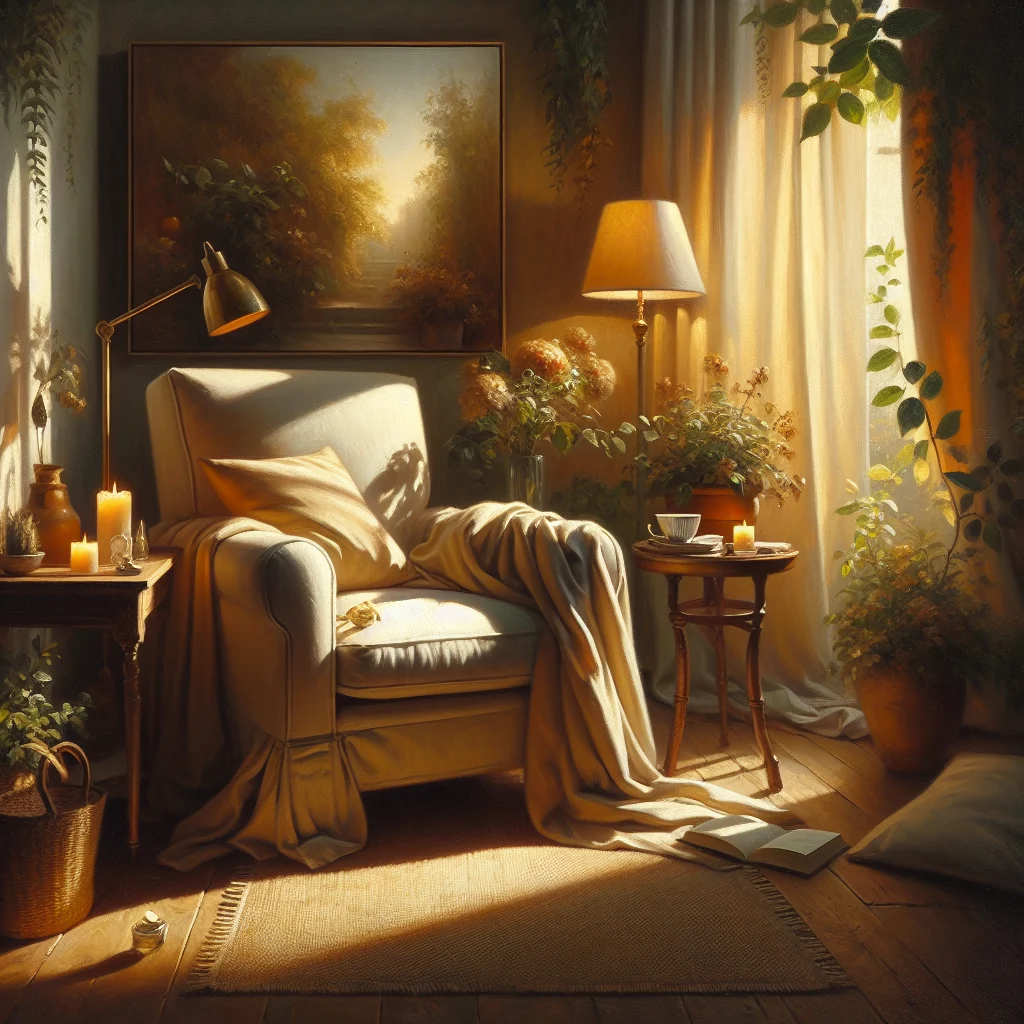
Dedicate specific areas for unwinding and restoration. A cozy reading nook with a comfortable chair, good lighting, and a small side table becomes a retreat within your home. Similarly, your bedroom should be optimized for sleep, free from work materials and electronic distractions.
Create a meditation corner with a cushion, soft lighting, and perhaps a small shelf for meaningful objects. This designated space makes it easier to maintain a regular practice, as explored in Mindfulness & Meditation resources.
Creative and Productive Spaces
If you work from home, establishing clear boundaries between work and living areas protects your downtime. When possible, position your workspace away from your relaxation zones. Visual dividers like screens, bookcases, or plants can separate areas within open-plan spaces.
Ensure your work area includes everything you need to be productive, reducing the need to spread materials throughout your home. At day’s end, tidying this zone signals the transition from work mode to personal time.
Decluttering with Intention and Purpose
Creating feel-good spaces requires removing what no longer serves you. Nevertheless, decluttering in the slow living context differs from minimalist purging. Rather than striving for empty spaces, we’re curating meaningful environments.
The Slow Approach to Decluttering
Instead of tackling your entire home in a weekend marathon, take a slower, more mindful approach. Focus on one small area at a time—a single drawer, shelf, or corner. This method feels less overwhelming and allows you to make more thoughtful decisions about what stays.
Ask yourself these questions about each item:
- Does this serve a practical purpose in my daily life?
- Does it bring me genuine joy or comfort?
- Does it reflect who I am now, not who I was or hope to be?
- Would I choose to bring this into my home today?
- Does maintaining or storing this item add stress to my life?
As a result of this thoughtful process, what remains truly earns its place in your home. This contrasts with the question of whether slow living is lazy—it’s actually quite intentional and requires careful consideration.
Organizing What Remains
Once you’ve decluttered, organize remaining items in ways that support daily routines. Visible storage using attractive baskets, boxes, and containers keeps frequently used items accessible while maintaining visual calm. Meanwhile, closed storage conceals less attractive necessities.
Label containers clearly and group similar items together. This organizational system saves time and reduces frustration when you’re searching for something. Moreover, having designated homes for everything makes tidying up quicker and easier.
Adding Personal Touches and Meaningful Objects
While decluttering removes excess, slow living feel good spaces for contemporary homes still celebrate personality and meaning. The objects you display should tell your story and spark joy without creating visual chaos.
Curating Rather Than Collecting
Approach decorating as curating an art exhibition rather than filling empty surfaces. Select pieces with intention, allowing space around each item so it can be properly appreciated. Rotation displays keep your space fresh—store some decorative items and swap them seasonally.
Meaningful objects might include:
- Handmade pottery or ceramics from local artisans
- Family photographs in simple, cohesive frames
- Travel souvenirs that evoke happy memories
- Artwork that resonates with you personally
- Books you love or intend to read
- Natural objects like shells, stones, or driftwood
Creating Sensory Experiences
Feel-good spaces engage all our senses, not just sight. Scent, sound, and touch contribute significantly to overall atmosphere. Essential oil diffusers, scented candles, or fresh flowers introduce pleasant fragrances. Meanwhile, soft textiles invite touch, and gentle background music or nature sounds create audio ambiance.
Consider a small fountain for the calming sound of water, or open windows when weather permits to hear birds and feel fresh air. These sensory elements ground us in the present moment, supporting mindfulness naturally.
Sustainable Choices in Contemporary Slow Living
Slow living inherently aligns with sustainability. By choosing quality over quantity and resisting constant replacement, we reduce consumption and waste. Furthermore, selecting eco-friendly materials and supporting ethical manufacturers reflects values many slow living practitioners hold dear.
Eco-Friendly Materials and Practices
When furnishing or renovating, research materials’ environmental impact. Reclaimed wood, bamboo, cork, and recycled materials offer sustainable alternatives to conventional options. Look for certifications like FSC (Forest Stewardship Council) for wood products or GOTS (Global Organic Textile Standard) for fabrics.
Secondhand and vintage furniture not only reduces environmental impact but also adds unique character to contemporary spaces. Mixing old and new creates eclectic, personalized environments that can’t be replicated from a catalog.
Longevity and Timeless Design
Investing in well-made pieces that will last decades embodies slow living principles. While initially more expensive, quality items prove economical over time. Additionally, classic designs remain relevant far longer than trendy pieces, reducing the temptation to constantly redecorate.
When something breaks, repair rather than replace whenever possible. This practice not only saves money but also honors the resources and craftsmanship invested in the original item.
Technology Integration and Digital Boundaries
Creating feel-good spaces in our contemporary world requires thoughtful technology integration. Devices connect us globally yet can disrupt the peace we’re trying to cultivate. Therefore, establishing boundaries around technology use protects the sanctuary quality of our homes.
Designated Device-Free Zones
Consider keeping bedrooms, dining areas, or reading nooks free from screens. This practice, while challenging initially, significantly improves sleep quality, conversation depth, and ability to truly relax. Charge devices in a central location outside these sacred spaces.
When technology is necessary, choose pieces that complement your aesthetic. Hide routers and cable boxes in attractive storage. Select speakers, chargers, and other devices in neutral colors that blend with your decor rather than dominate it.
Mindful Media Consumption
Beyond physical presence, what we consume through devices affects our mental environment. Curate your digital life as carefully as your physical space. Unfollow accounts that create comparison or stress. Limit news consumption to specific times rather than constant updates.
This digital mindfulness supports the art of slow living by protecting your mental space from overwhelm and allowing genuine presence with your physical surroundings.
Seasonal Adjustments and Natural Rhythms
Living slowly means attuning ourselves to natural cycles rather than maintaining identical environments year-round. Seasonal adjustments keep spaces feeling fresh while honoring our changing needs throughout the year.
Summer and Spring Lightness
During warmer months, lighten your space by storing heavy textiles. Replace wool blankets with cotton or linen. Swap dark, heavy curtains for sheers that allow maximum light and breeze. Incorporate fresh flowers or vibrant green plants that thrive in summer’s abundance.
Open windows regularly to air out spaces and connect with outdoor sounds and scents. The boundary between inside and outside can blur beautifully during these seasons.
Autumn and Winter Coziness
As days shorten and temperatures drop, layer in warmth and comfort. Heavier textiles, deeper colors, and increased soft lighting create the cozy atmosphere we crave during darker months. Add throw blankets, swap summer bedding for flannel or heavier duvets, and perhaps introduce warm spice scents.
This isn’t about major redecorating but rather adjusting layers—similar to how we dress differently across seasons. These small changes keep our homes feeling aligned with nature’s rhythms.
Maintaining Your Feel-Good Space Long-Term
Creating a beautiful slow living environment is one thing; maintaining it requires ongoing commitment. However, when your space truly serves your wellbeing, upkeep becomes less burdensome and more like a form of self-care.
Daily and Weekly Routines
Establish simple routines that keep spaces tidy without overwhelming you. A quick evening reset—putting away items, fluffing pillows, lighting a candle—creates a fresh start each morning. Weekly deeper cleaning maintains the peaceful atmosphere you’ve created.
Make these routines meditative rather than rushed. Put on music you enjoy, focus on the satisfaction of caring for your space, and move at a comfortable pace. This approach transforms chores into mindfulness practices.
Resisting Trend Pressure
Social media and design magazines constantly present new trends. While inspiration is valuable, resist the pressure to continuously update your space. Slow living spaces evolve gradually, reflecting genuine changes in your life rather than external trends.
When you do make changes, ensure they stem from authentic needs or desires, not comparison with others’ homes. Your space should feel like yours, not a magazine spread.
Remember that creating perfect Instagram-worthy spaces often contradicts actual livability. Embrace the imperfection of a space that’s truly lived in and loved. This authenticity represents the opposite of fast-paced living that constantly demands newness and perfection.
Embracing the Journey of Slow Living Spaces
Transforming your home into a sanctuary aligned with slow living principles isn’t an overnight project. In fact, the gradual, intentional process itself embodies slow living values. Each small change you make compounds over time, creating profound shifts in how your space feels and functions.
Start where you are with what you have. Perhaps that means simply clearing one cluttered surface, bringing in a single plant, or creating a small reading nook. These modest beginnings often inspire organic expansion as you experience the benefits of more intentional spaces.
Furthermore, remember that your ideal space will look different from anyone else’s. What feels good to you matters more than adhering to any specific aesthetic. Trust your instincts, move slowly, and create environments that truly nourish your unique spirit.
As you continue developing your slow living sanctuary, The Self-Love Reset: A Journey to Rediscover Yourself offers valuable practices for the inner work that complements outer transformation. After all, our external environments both reflect and shape our internal landscapes.
The beauty of slow living feel good spaces for contemporary homes lies not in perfection but in the peace and presence they cultivate. These spaces become foundations for richer, more meaningful lives—places where we can simply be, without constantly doing. And in our increasingly hectic world, such sanctuaries aren’t luxuries; they’re essential.

