
In today’s world, we often hear about the benefits of slowing down, practicing mindfulness, and embracing a more intentional lifestyle. However, the opposite of slow living is a reality that millions of people experience daily—whether by choice or circumstance. This fast-paced, hustle-driven approach to life dominates modern society, especially in urban centers where productivity and achievement are often valued above all else.
While slow living encourages us to savor moments and prioritize well-being, its opposite pushes us toward constant motion, multitasking, and the relentless pursuit of more. Understanding this contrasting lifestyle isn’t about judgment; rather, it’s about recognizing the patterns that shape our daily existence and making conscious choices about how we want to live.
In this article, we’ll explore what the opposite of slow living truly means, its characteristics, impacts on our health and happiness, and whether there’s a way to find balance between these two extremes.
Discover how to find moments of peace in your busy life with our Everyday Calm meditation guide
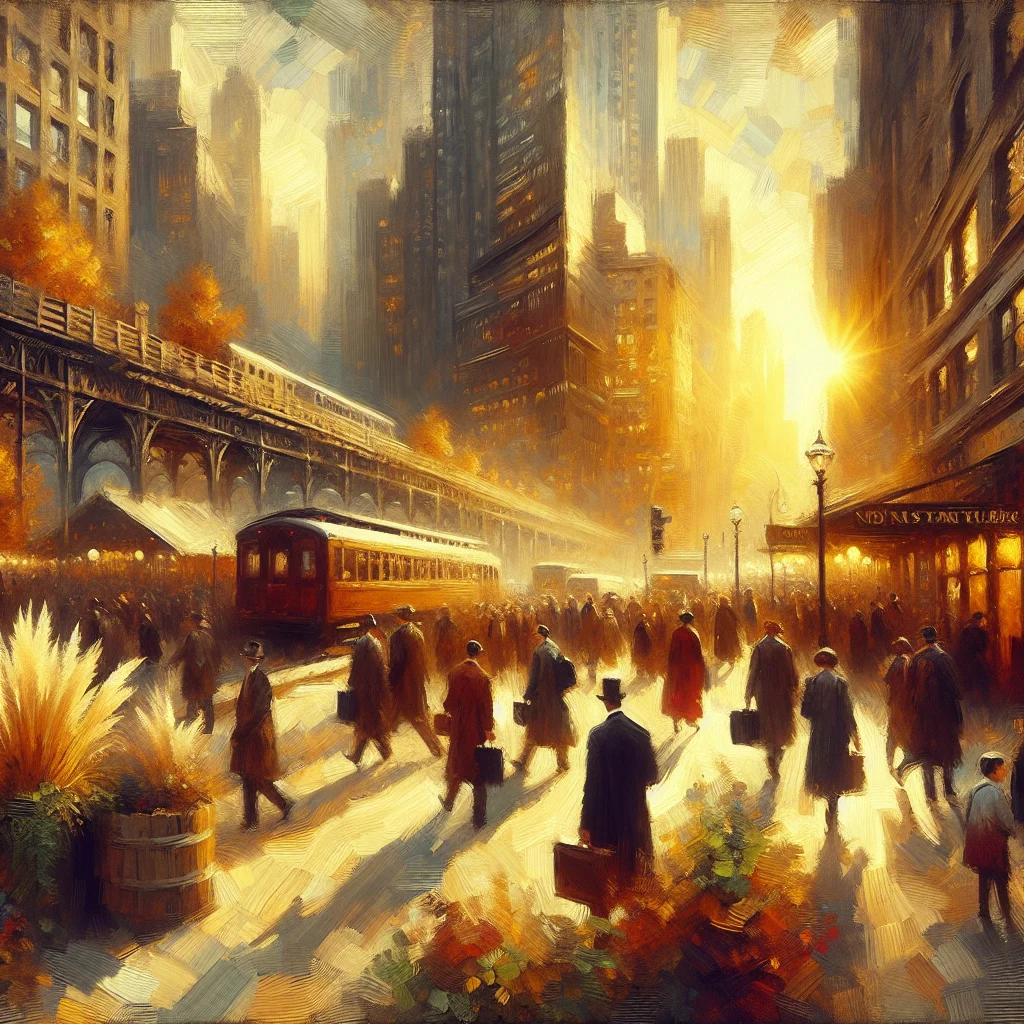
Defining the Opposite of Slow Living: Fast Living Explained
The opposite of slow living doesn’t have one universally agreed-upon name, though it’s often referred to as “fast living,” “hustle culture,” or “the rat race.” Essentially, it describes a lifestyle characterized by speed, constant activity, and the prioritization of productivity over presence.
Fast living emerged prominently during the Industrial Revolution when efficiency became paramount. However, it has intensified dramatically in the digital age, where technology enables us to be “always on” and accessible around the clock. According to research on life history strategies, this approach to living reflects an adaptation to environments where immediate results are valued.
Key Characteristics of Fast Living
Fast living manifests in numerous ways throughout our daily routines. Understanding these characteristics helps us recognize when we’ve tipped too far from balance. Here are the most common traits:
- Constant multitasking: Juggling multiple activities simultaneously, rarely focusing on one thing at a time
- Over-scheduling: Filling every moment of the day with activities, leaving no room for spontaneity or rest
- Digital addiction: Compulsively checking phones, emails, and social media throughout the day
- Achievement obsession: Measuring self-worth primarily through accomplishments and external validation
- FOMO (Fear of Missing Out): Anxiety about not participating in every opportunity or experience
- Instant gratification seeking: Preference for quick results over long-term satisfaction
- Minimal downtime: Viewing rest as laziness rather than a necessary component of wellbeing
In contrast to embracing wonder in a fast-paced world, this lifestyle often leaves little room for reflection or appreciation of the present moment.
The Language of Speed
Even our everyday expressions reveal how deeply fast living is embedded in our culture. We talk about “racing against time,” “fast-tracking our careers,” and “living life in the fast lane.” These phrases aren’t neutral—they shape how we perceive success and value.
Moreover, we celebrate people who “hustle harder” and admire those who seem to accomplish the most in the least amount of time. This linguistic framework reinforces the belief that faster is inherently better.
The Psychological Impact of Living Fast
While the opposite of slow living can feel exhilarating initially, its long-term psychological consequences are well-documented. Our brains weren’t designed for the relentless pace that modern life often demands.
Stress and Anxiety Levels
Fast living creates a chronic stress response in our bodies. When we’re constantly rushing from one task to another, our nervous system remains in a heightened state of alert. This isn’t the acute stress our ancestors experienced when facing immediate threats; instead, it’s a persistent, low-grade tension that never fully resolves.
Research from the American Psychological Association consistently shows that chronic stress contributes to numerous mental health challenges. Because our bodies can’t distinguish between different types of threats, the pressure to meet deadlines triggers the same fight-or-flight response as a physical danger would.
As a result, people living in perpetual fast-forward mode often experience:
- Persistent anxiety and worry
- Difficulty relaxing even during downtime
- Racing thoughts and mental restlessness
- Irritability and shortened temper
- Sleep disturbances and insomnia
The Attention Crisis
Perhaps one of the most concerning aspects of fast living is its impact on our attention spans. Constantly switching between tasks and devices fragments our focus, making deep concentration increasingly difficult.
Studies have shown that it takes an average of 23 minutes to fully regain focus after an interruption. However, in a fast-paced lifestyle, interruptions occur far more frequently than every 23 minutes. Consequently, many people never achieve genuine focus throughout their entire day.
This attention deficit affects not only productivity but also our ability to form meaningful memories and experiences. When we’re not fully present, life becomes a blur of half-remembered moments rather than rich, textured experiences.
Physical Health Consequences of Fast Living
The opposite of slow living doesn’t just affect our minds—it takes a significant toll on our physical health as well. While we often prioritize mental wellness, the body keeps score of our lifestyle choices.
Chronic Health Conditions
Fast living contributes to several serious health conditions that have become increasingly common in modern society. For example, the constant stress response elevates cortisol levels, which over time can lead to:
- Cardiovascular issues: High blood pressure, increased heart disease risk, and stroke
- Metabolic problems: Weight gain, insulin resistance, and type 2 diabetes
- Digestive disorders: IBS, acid reflux, and other gastrointestinal issues
- Immune suppression: Increased susceptibility to infections and illnesses
- Chronic pain: Tension headaches, back pain, and muscle aches
Furthermore, fast living often means sacrificing healthy habits. When we’re rushing, we tend to make poor food choices, skip exercise, and neglect sleep—all of which compound the negative health effects.
The Sleep Deprivation Epidemic
Perhaps nowhere is the impact of fast living more evident than in our sleep patterns. The hustle culture often wears sleep deprivation as a badge of honor, with successful people boasting about functioning on minimal rest.
However, chronic sleep deprivation is anything but admirable from a health perspective. It affects cognitive function, emotional regulation, immune response, and even lifespan. Despite this knowledge, many people caught in fast living patterns consistently sacrifice sleep to squeeze more activities into their days.
Additionally, even when fast-paced individuals do allocate time for sleep, the quality often suffers. Racing thoughts, stress, and excessive screen time before bed all interfere with restorative rest, creating a vicious cycle of exhaustion and overcompensation through stimulants.

Social and Relational Impacts
The opposite of slow living profoundly affects our relationships and social connections. When we’re constantly racing through life, our interactions with others often become transactional rather than meaningful.
Superficial Connections
Fast living encourages quantity over quality in relationships. We might have hundreds of social media connections but few people we can truly confide in. Because deep relationships require time and presence—two commodities in short supply during fast living—many people find themselves feeling isolated despite being constantly “connected.”
Moreover, when we do spend time with loved ones, we’re often distracted by devices, thinking about work, or mentally planning the next activity. This physical presence without emotional presence leaves both parties feeling unsatisfied and disconnected.
Family Dynamics Under Pressure
Families particularly suffer under the demands of fast living. Parents rushing from work to activities to household tasks have little energy left for meaningful interaction with their children. Similarly, children overscheduled with classes, sports, and enrichment activities miss out on unstructured play and family bonding time.
This pattern creates a generational cycle where children learn that busyness equals importance, perpetuating the fast living mindset into future generations. In contrast to establishing a slow living daily routine, fast-paced families often struggle to find even brief moments of togetherness.
The Economic Drivers of Fast Living
Understanding the opposite of slow living requires examining the economic structures that perpetuate it. Fast living isn’t just a personal choice—it’s often an economic necessity or result of systemic pressures.
The Productivity Trap
Modern capitalism rewards productivity above nearly everything else. Companies measure success through output, efficiency, and growth—all metrics that encourage faster work rather than better work. Consequently, employees feel pressure to be constantly productive, checking emails after hours and sacrificing personal time to meet professional demands.
Furthermore, the gig economy has intensified this dynamic. Without traditional employment protections, many workers must constantly hustle to secure their next opportunity, creating precarious situations where slowing down feels financially impossible.
Consumerism and the Treadmill Effect
Fast living also fuels consumerism, which in turn requires more fast living to afford. This creates what economists call the “hedonic treadmill”—we work harder to buy more things, but those things don’t bring lasting satisfaction, so we continue working hard to acquire even more.
Additionally, consumer culture promotes convenience solutions that promise to save time, paradoxically keeping us on the fast-living treadmill. We buy time-saving devices and services, but rather than using that saved time to rest, we fill it with more activities.
Digital Technology: Accelerating the Pace
No discussion of the opposite of slow living would be complete without examining technology’s role. While digital tools offer incredible benefits, they’ve also dramatically accelerated life’s pace.
The Always-On Culture
Smartphones have essentially eliminated the boundary between work and personal life for many people. Emails, messages, and notifications arrive constantly, creating an expectation of immediate response regardless of the hour or day.
This constant connectivity means we never truly disconnect from work or obligations. Even during vacations or family time, many people compulsively check their devices, unable to fully engage with their present environment. As a result, the distinction between “being at work” and “being off work” has largely dissolved.
Social Media and Comparison Culture
Social media platforms amplify fast living by creating environments of constant comparison. We see curated highlights of others’ lives—their achievements, travels, and experiences—which fuels FOMO and the feeling that we’re not doing enough.
Moreover, social media operates on principles designed to capture and hold attention. The endless scroll, algorithmic recommendations, and intermittent rewards keep us engaged far longer than intended, stealing time from more meaningful activities. This digital distraction makes it increasingly difficult to practice the presence and intentionality associated with slower living.
When Fast Living Becomes Necessary
While this article highlights the challenges of living opposite to slow living principles, it’s important to acknowledge that not everyone has the privilege of choosing their pace. Many circumstances require sustained periods of intense activity and hustle.
Economic Necessity
For people working multiple jobs to make ends meet, fast living isn’t a lifestyle choice—it’s survival. Single parents, individuals supporting extended families, or those living paycheck-to-paycheck often have no option but to maintain an exhausting pace.
Similarly, people building businesses or advancing careers in competitive fields may need to temporarily embrace fast living to achieve their goals. In these cases, recognizing the trade-offs and implementing harm-reduction strategies becomes crucial.
Life Transitions and Seasons
Certain life phases naturally involve more intensity. New parents, students completing degrees, or people caring for ill family members often experience unavoidable periods of fast living. Understanding that these are temporary seasons rather than permanent states can help maintain perspective.
The key distinction is between chosen fast living and circumstantial fast living. When we recognize we’re in a necessary intense period, we can be more intentional about protecting what rest time we do have and planning for a return to balance when circumstances allow.
Finding Balance: The Middle Path
Rather than viewing slow living and its opposite as binary choices, many people are discovering that the ideal lies somewhere in between—what might be called “intentional pacing” or “rhythmic living.”
Seasonal Intensity
One balanced approach involves embracing different paces during different seasons of life or even different times of the year. For instance, you might work intensely during certain months while planning for quieter periods afterward. This rhythmic approach honors both the need for productivity and the necessity of rest.
This concept aligns with natural cycles and traditional agricultural societies, where intense harvest seasons alternated with quieter winter months. By working with natural rhythms rather than maintaining constant intensity, we can achieve goals without burning out. You might explore how to incorporate slow living principles even during busier seasons.
Micro-Slowness Within Fast Days
Even during unavoidably busy periods, we can create small pockets of slowness. These moments of intentional presence—a mindful cup of coffee, three deep breaths before a meeting, or a brief walk without the phone—can significantly impact our wellbeing.
These practices, explored in resources about mindfulness and meditation, don’t require major lifestyle overhauls but can substantially reduce the negative impacts of fast living. The key is recognizing that slowness isn’t all-or-nothing; even brief moments of presence matter.
Recognizing When You’ve Tipped Too Far
How do you know when you’ve moved too far toward the opposite of slow living? Several warning signs indicate that your pace has become unsustainable:
- Physical symptoms: Chronic fatigue, frequent illness, tension headaches, or digestive issues
- Emotional exhaustion: Feeling numb, irritable, or emotionally flat most of the time
- Relationship strain: Conflicts with loved ones about your availability or presence
- Loss of enjoyment: Activities you once found pleasurable now feel like obligations
- Memory problems: Difficulty remembering recent events because you weren’t fully present
- Constant rushing: Feeling perpetually behind even when there’s no actual deadline
- Neglecting self-care: Consistently skipping meals, exercise, or sleep to fit in more tasks
If you recognize several of these signs, it may be time to examine whether your current pace is serving your wellbeing or undermining it. Resources in mental health and wellbeing can provide additional guidance.
Strategies for Slowing Down Without Stopping
For those recognizing they’ve tipped too far toward fast living, the solution isn’t necessarily to adopt full slow living immediately. Instead, incremental changes can gradually shift your pace toward something more sustainable.
The Power of Single-Tasking
One of the most impactful changes is committing to single-tasking for at least part of your day. Choose one activity and give it your full attention—whether that’s a work project, a conversation, or even washing dishes. This practice trains your attention and creates islands of presence within busy days.
Research shows that single-tasking actually improves both efficiency and quality compared to multitasking, despite our belief that doing multiple things simultaneously saves time. Therefore, this shift benefits both productivity and wellbeing.
Strategic Screen Breaks
Because technology drives much of fast living, creating boundaries around device use can significantly impact your pace. Consider implementing:
- Phone-free mornings until a certain time
- Device-free meals with family or friends
- An hour of screen-free time before bed
- Designated “offline days” weekly or monthly
- Turning off non-essential notifications
These boundaries create space for slower, more intentional living without requiring dramatic lifestyle changes. Initially uncomfortable, most people find these practices become deeply valued once established.
Redefining Productivity
Shifting how we measure success can fundamentally change our relationship with pace. Instead of valuing only output and accomplishment, consider including metrics like:
- Quality of relationships and connections
- Physical and mental health indicators
- Moments of joy or contentment experienced
- Learning and personal growth
- Contribution to others’ wellbeing
When we broaden our definition of a “productive day” to include these elements, fast living’s appeal often diminishes. We recognize that a day spent mostly resting while recovering from illness is productive, or that an afternoon playing with children—though accomplishing no tasks—represents time well spent.
Cultural Perspectives on Pace
Interestingly, the opposite of slow living is not equally prevalent across all cultures. Examining cultural differences reveals that our relationship with pace is largely socially constructed rather than inevitable.
Cultural Concepts of Time
Different cultures have fundamentally different relationships with time and pace. For example, the Japanese concept of Ma, representing pause and space, values the intervals between things as much as the things themselves. Mediterranean cultures traditionally embrace the siesta, recognizing that rest during the day enhances overall productivity and quality of life.
Meanwhile, many Western cultures, particularly in North America, operate on what anthropologists call “clock time”—a linear, measured approach where time is a commodity to be spent, saved, or wasted. This perspective inherently encourages fast living because every moment not filled with productive activity feels wasteful.
The Slow Movement Goes Global
In response to fast living’s dominance, various “slow movements” have emerged globally. The Slow Food movement began in Italy as a response to fast food culture, emphasizing traditional preparation, local ingredients, and mindful eating.
Since then, slow principles have expanded to numerous domains—Slow Fashion, Slow Travel, Slow Money, and more. Each represents a conscious rejection of the faster-is-better mentality that characterizes the opposite of slow living. These movements demonstrate that alternative paces are possible even within fast-paced modern societies.
The Environmental Dimension
Fast living doesn’t just affect individual health—it has significant environmental implications as well. The relentless pursuit of more, delivered faster, contributes substantially to environmental degradation.
Consumption and Waste
Fast living drives consumption patterns that prioritize convenience over sustainability. Single-use items, disposable fashion, and overnight shipping all cater to fast-paced lifestyles while generating enormous waste and carbon emissions.
Additionally, the psychological state of constant rushing diminishes our connection to the natural world. When we’re perpetually focused on the next task, we lose awareness of seasons, weather, and natural rhythms. This disconnection makes it easier to ignore environmental impacts, creating a feedback loop where fast living contributes to ecological problems while simultaneously preventing the mindful awareness needed to address them.
Making the Shift: Practical Steps Forward
If you recognize yourself living opposite to slow living principles and want to shift toward more balance, where do you begin? Here are concrete steps that don’t require dramatic life changes:
Start With Mornings
How you begin your day often sets the tone for everything that follows. Instead of immediately checking your phone and launching into your to-do list, try creating a morning routine that includes at least one slow activity—journaling, stretching, sitting with coffee without distractions, or taking a brief walk.
Even fifteen minutes of intentional slowness in the morning can shift your entire day’s energy. This practice, central to holistic living approaches, creates a foundation of calm that you can return to when the day’s pace accelerates.
Schedule White Space
Deliberately leave blank spaces in your calendar—time with no commitments, tasks, or agenda. Initially, this might feel uncomfortable or anxiety-inducing, but this unstructured time is essential for creativity, rest, and spontaneity.
Protect this white space as fiercely as you would an important meeting. Consider it an appointment with yourself that’s just as non-negotiable as professional obligations. Over time, you’ll likely find this uncommitted time becomes among your most valuable.
Practice Selective Engagement
You cannot do everything, be everywhere, or please everyone—though fast living often convinces us we should try. Learning to say “no” to opportunities that don’t align with your priorities is essential for sustainable pacing.
Before committing to new projects, invitations, or opportunities, pause and honestly assess whether you have the bandwidth and whether the activity aligns with your values. This selective engagement creates space for what truly matters rather than filling life with obligations driven by FOMO or others’ expectations.
The Role of Self-Compassion
As you examine your relationship with the opposite of slow living, approach yourself with compassion rather than judgment. Most people caught in fast living patterns aren’t there because they enjoy it or because they’re making poor choices—they’re responding to real pressures, internalized beliefs, and systemic structures.
Furthermore, change takes time. You won’t shift from fast living to balanced pacing overnight, and there will be setbacks. The practice lies not in perfect execution but in repeatedly noticing when you’ve sped up beyond sustainability and gently guiding yourself back toward balance.
Resources focused on personal growth can support this journey, providing frameworks for sustainable change that honor your current reality while moving toward your desired pace.
Conclusion: Choosing Your Pace Consciously
The opposite of slow living—fast living, hustle culture, the constant rush—has become the default mode for many people in modern society. While sometimes necessary and occasionally exhilarating, living perpetually in the fast lane carries significant costs to our health, relationships, and overall quality of life.
However, recognizing these costs is the first step toward change. By understanding how fast living operates, what drives it, and what alternatives exist, we can make more conscious choices about our pace. We can ask ourselves not just “Can I do this?” but “Should I do this? What will it cost? What might I gain by slowing down instead?”
Ultimately, the goal isn’t necessarily to reject all aspects of fast living or to adopt a fully slow lifestyle. Rather, it’s to become intentional about pace—to choose consciously rather than defaulting to the speed that society, technology, or habit dictates. In that intentionality lies the possibility of lives that feel more balanced, meaningful, and genuinely our own.
Whether you’re currently living in the fast lane by necessity or habit, remember that small shifts matter. Even brief moments of presence, intentional pauses, and mindful choices about how you spend your time and attention can gradually transform your experience. The journey toward more sustainable pacing begins not with dramatic overhauls but with small, consistent steps toward the life you truly want to live.

