
If you’ve ever wondered how meditation music sound bowls can transform your practice, you’re in the right place. These ancient instruments have been used for centuries to promote healing, relaxation, and deep meditation. The resonant tones produced by sound bowls create a unique auditory experience that can help calm your mind and restore balance to your body.
Sound bowls, also known as singing bowls or Tibetan bowls, originated in the Himalayan region and have become increasingly popular in modern wellness practices. When played correctly, they produce harmonic overtones that can induce a meditative state almost effortlessly. In fact, many practitioners find that incorporating sound bowls into their meditation routine accelerates their journey toward mindfulness and inner peace.
Whether you’re a complete beginner or an experienced meditator, understanding how meditation music sound bowls work can open up new dimensions in your practice. Let’s explore everything you need to know about these fascinating instruments and how they can enhance your wellbeing.
If you’re just starting your meditation journey, consider checking out Everyday Calm: A Beginner’s Guide to Daily Meditation to build a solid foundation for your practice.
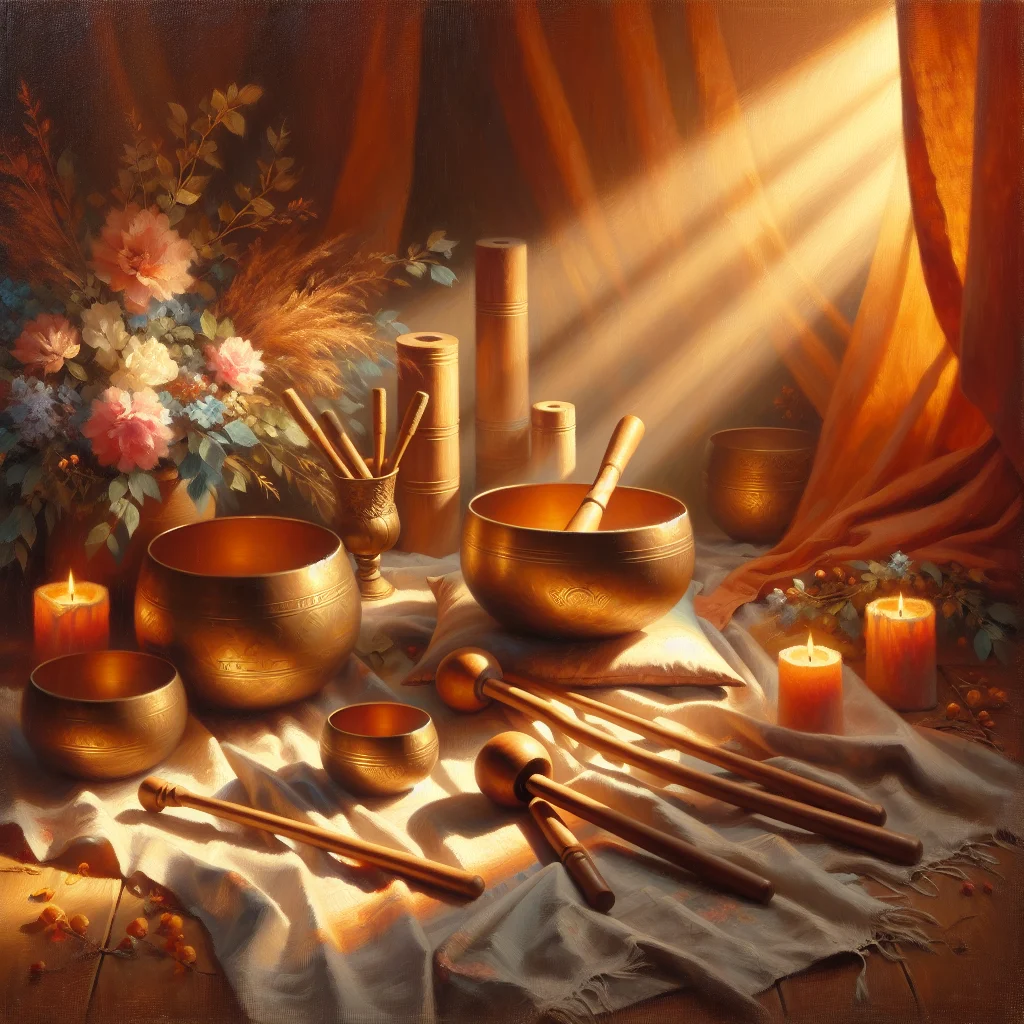
What Are Meditation Music Sound Bowls?
Meditation music sound bowls are traditional instruments that produce rich, harmonic sounds when struck or circled with a mallet. These bowls are typically made from metal alloys, though crystal versions have also gained popularity in recent years. The vibrations they create are not just heard—they’re felt throughout your entire body.
The origins of sound bowls trace back thousands of years to regions including Tibet, Nepal, and India. However, their use in meditation and healing has spread globally as more people discover their therapeutic benefits. Each bowl produces a unique frequency that corresponds to different chakras or energy centers in the body.
Types of Sound Bowls
Understanding the different types available can help you choose the right meditation music sound bowls for your needs:
- Traditional Tibetan bowls: Made from a mixture of seven metals, these produce warm, complex tones
- Crystal singing bowls: Crafted from quartz crystal, offering pure, clear frequencies
- Japanese rin bowls: Smaller bowls with crisp, bell-like tones
- Himalayan bowls: Hand-hammered pieces with rich, layered overtones
Because each type offers distinct sonic qualities, many practitioners collect several bowls to create layered soundscapes during meditation. For example, crystal bowls might be used for clarity work, while traditional metal bowls excel at grounding practices.
The Science Behind Sound Bowl Therapy
Modern research has begun validating what ancient practitioners have known for millennia. Studies show that meditation music sound bowls can measurably affect brainwave patterns, shifting them from beta (active thinking) to alpha and theta states (relaxation and meditation). This is particularly relevant for those exploring Mindfulness & Meditation techniques.
The phenomenon is called entrainment—when your brainwaves synchronize with the frequencies produced by the bowls. As a result, you can enter meditative states more quickly and maintain them longer. Furthermore, the vibrations from sound bowls can stimulate the vagus nerve, which plays a crucial role in the body’s relaxation response.
Physical and Mental Benefits
Research has documented numerous benefits associated with regular sound bowl meditation:
- Reduced stress and anxiety: The harmonious tones trigger the parasympathetic nervous system
- Improved sleep quality: Regular practice can help regulate sleep patterns
- Enhanced focus and concentration: The meditative state improves cognitive function
- Pain relief: Vibrations may help reduce chronic pain perception
- Emotional release: The sounds can facilitate processing difficult emotions
Additionally, many practitioners report feeling more balanced and centered after sessions with meditation music sound bowls. While individual experiences vary, the consistent theme is one of deep relaxation and renewal.
How to Choose Your First Sound Bowl
Selecting meditation music sound bowls is a personal journey. The bowl that resonates with one person might not work for another. Therefore, it’s important to consider several factors before making your investment.
First, think about your intention. Are you seeking grounding, clarity, heart opening, or something else? Different bowls correspond to different chakras and purposes. For instance, lower-toned bowls typically support root chakra work, whereas higher-pitched bowls align with crown chakra practices.
Key Factors to Consider
When shopping for your first sound bowl, keep these elements in mind:
- Size and weight: Larger bowls produce deeper tones but are less portable
- Material composition: Metal alloys versus crystal affects both sound and price
- Tone quality: Listen to recordings or test in person if possible
- Craftsmanship: Hand-hammered bowls offer unique character and quality
- Budget: Prices range from $50 to several thousand dollars
Moreover, many practitioners recommend starting with a mid-sized bowl (6-8 inches) as it offers versatility for various practices. You can always expand your collection as your practice deepens. In fact, building a set of bowls over time allows you to create more complex sound healing sessions.
Playing Techniques for Meditation Music Sound Bowls
Learning to play meditation music sound bowls doesn’t require musical training, but technique matters. The way you strike or rim the bowl significantly affects the sound produced. Fortunately, with practice, anyone can create beautiful, meditative tones.
There are two primary methods for playing sound bowls: striking and rimming. Striking involves using a mallet to tap the bowl’s side, creating a clear bell-like tone. Rimming, on the other hand, means running the mallet around the bowl’s edge in a circular motion, producing a continuous singing sound.
Step-by-Step Playing Instructions
Follow these steps to get started with your sound bowl practice:
- Find a comfortable position: Sit in a quiet space where you won’t be disturbed
- Hold the bowl properly: Rest it on your flat palm or a cushioned surface
- Strike gently: Use the padded end of the mallet at a 45-degree angle
- For rimming: Apply firm, consistent pressure while moving clockwise
- Listen deeply: Pay attention to the overtones and vibrations
- Experiment: Try different speeds, pressures, and striking locations
Because sound bowl playing is both an art and a practice, patience is essential. Initially, you might produce inconsistent sounds or have difficulty maintaining the singing tone. However, regular practice will develop your skill and deepen your connection with the instrument.
Incorporating Sound Bowls Into Your Meditation Practice
Meditation music sound bowls can enhance various meditation styles. Whether you practice 10-minute meditation sessions or longer sits, sound bowls add a powerful auditory dimension to your routine.
One popular approach is to begin your meditation by playing the bowl three times to signal the start of your practice. The sound acts as an auditory cue for your mind to shift from everyday consciousness into a meditative state. Subsequently, you might play the bowl periodically throughout your session or continuously for sound bath meditation.
Different Meditation Techniques with Sound Bowls
Consider these methods for integrating sound bowls into your practice:
- Sound bath meditation: Play continuously while lying down, allowing the vibrations to wash over you
- Chakra alignment: Use different bowls for each chakra point on the body
- Breath synchronization: Strike the bowl with each breath cycle
- Walking meditation: Carry a small bowl and play at intervals during mindful walking
- Group meditation: Multiple practitioners play together for layered soundscapes
Furthermore, sound bowls pair beautifully with other mindfulness practices. For example, combining them with mindfulness techniques creates a multi-sensory meditation experience that engages both auditory and proprioceptive awareness.

Sound Bowl Meditation for Healing
Beyond meditation, practitioners use meditation music sound bowls specifically for healing purposes. Sound healing is based on the principle that everything in the universe vibrates at specific frequencies, including our bodies.
When we’re healthy, all our organs and systems vibrate in harmony. Illness or stress, however, can create disharmony in these vibrations. Sound bowl therapy aims to restore proper vibrational frequencies through acoustic resonance, thus promoting healing and balance.
Applications in Holistic Wellness
Sound bowl therapy addresses various conditions and concerns:
- Stress-related disorders: The calming tones activate the relaxation response
- Sleep disturbances: Evening sessions can improve sleep quality
- Emotional trauma: Vibrations help release stored emotional tension
- Physical pain: Some studies suggest pain reduction through vibrational therapy
- Spiritual disconnection: The practice facilitates deeper spiritual connection
Nevertheless, it’s important to remember that sound bowl therapy complements but doesn’t replace conventional medical treatment. Always consult healthcare professionals for serious conditions. Meanwhile, sound bowls can serve as a valuable component of a comprehensive wellness plan, particularly within Holistic Living approaches.
Creating the Perfect Sound Bowl Practice Space
The environment where you practice with meditation music sound bowls significantly impacts your experience. A thoughtfully prepared space enhances the acoustic qualities of the bowls and supports deeper meditation.
Ideally, choose a quiet room with minimal external noise. Soft surfaces like carpets, curtains, and cushions help absorb harsh echoes while preserving the bowls’ rich overtones. Additionally, many practitioners create a dedicated meditation corner with their bowls, cushions, and other sacred objects.
Essential Elements for Your Practice Space
Consider including these components in your sound bowl meditation area:
- Cushioned surface: A yoga mat or meditation cushion for comfort
- Bowl cushion: Small ring cushions to support and protect your bowls
- Adequate lighting: Soft, adjustable lighting for different moods
- Clean space: Remove clutter to minimize mental distractions
- Temperature control: Maintain comfortable warmth for extended sessions
- Inspiring elements: Candles, crystals, or meaningful objects (optional)
In addition, consider the acoustics of your chosen space. Rooms with moderate reverberation often work best for sound bowl practice. Too much echo creates muddy sound, while too little dampens the bowls’ beautiful overtones.
Common Mistakes to Avoid
Even experienced practitioners sometimes make errors when working with meditation music sound bowls. Being aware of common pitfalls can help you avoid frustration and get better results from your practice.
One frequent mistake is striking the bowl too hard. Although it might seem like more force creates better sound, excessive striking actually produces harsh, chaotic tones. Instead, gentle, intentional strikes yield the most beautiful harmonics.
Other Mistakes to Watch For
Keep these potential issues in mind as you develop your practice:
- Improper holding: Gripping the bowl’s sides dampens vibration—use an open palm
- Wrong mallet: Using mallets not designed for your bowl type affects sound quality
- Rushing the practice: Sound bowl meditation requires patience and presence
- Neglecting maintenance: Bowls need regular cleaning and proper storage
- Unrealistic expectations: Results develop gradually through consistent practice
- Ignoring intention: Playing without mindful intention reduces effectiveness
Moreover, many beginners become discouraged when they don’t immediately produce perfect singing tones. Remember that mastering meditation music sound bowls takes time and practice. Each session is an opportunity to learn and refine your technique.
Sound Bowls and Different Meditation Traditions
While meditation music sound bowls originated in Buddhist traditions, they’ve been embraced across various spiritual and secular practices. Their versatility makes them suitable for nearly any meditation approach.
In Buddhist meditation, sound bowls mark the beginning and end of meditation periods in monasteries. The sound serves as a mindfulness bell, bringing practitioners back to the present moment. Similarly, in yoga practices, sound bowls often accompany the final relaxation (savasana), enhancing the integration of the practice.
Cross-Cultural Applications
Sound bowls have found homes in diverse traditions:
- Secular mindfulness: Used in stress reduction programs and corporate wellness
- Christian contemplation: Some practitioners incorporate them into prayer practices
- New Age spirituality: Featured in crystal healing and energy work
- Therapeutic settings: Employed by therapists for trauma and anxiety treatment
- Music therapy: Professional therapists use them in clinical settings
Consequently, you don’t need to adhere to any specific belief system to benefit from sound bowl practice. The therapeutic effects transcend cultural and religious boundaries, making them accessible to everyone interested in Spirituality & Inner Work.
Building a Sound Bowl Collection
Once you’ve experienced the benefits of meditation music sound bowls, you might want to expand your collection. Building a set of complementary bowls allows you to create more sophisticated soundscapes and address different aspects of your practice.
Start by identifying gaps in your current practice. If you have a grounding bowl for root chakra work, perhaps add a heart chakra bowl next. Alternatively, you might choose bowls based on the musical intervals they create together, building harmonic relationships between different frequencies.
Strategic Collection Building
Consider this approach when expanding your sound bowl collection:
- Begin with basics: One bowl for general meditation practice
- Add complementary tones: Choose bowls that harmonize with your first
- Complete a chakra set: Acquire bowls for each of the seven chakras
- Explore different materials: Mix metal and crystal bowls for variety
- Include specialty bowls: Add unique pieces like Zen bowls or planetary-tuned bowls
Furthermore, quality matters more than quantity. One beautifully crafted bowl that resonates deeply with you provides more value than several mediocre pieces. Take your time selecting each addition, and trust your intuition when a particular bowl calls to you.
Recording and Sharing Your Sound Bowl Practice
Many practitioners enjoy recording their meditation music sound bowls sessions for various reasons. Recordings allow you to meditate with your own sound bowl music when you can’t play in person. Additionally, sharing recordings can introduce others to this beautiful practice.
Recording sound bowls requires some attention to technical details. The rich overtones and complex harmonics can challenge basic recording equipment. However, even smartphone recordings can capture enough of the essence for personal use or sharing with friends.
Recording Tips for Best Results
Follow these guidelines for recording your sound bowl sessions:
- Use quality equipment: External microphones capture more detail than built-in ones
- Position carefully: Place the microphone 2-3 feet from the bowl
- Minimize background noise: Record in your quietest space
- Check levels: Prevent distortion by monitoring input levels
- Record multiple takes: Select the best performance afterward
- Edit minimally: Preserve the natural quality of the sounds
In addition, consider the ethical aspects of sharing sound bowl recordings online. While sharing can spread wellness practices, it’s important to respect copyright if you’ve learned specific techniques from teachers or traditions. Always credit your sources and honor the lineage of these ancient practices.
Sound Bowl Meditation for Specific Intentions
One powerful aspect of meditation music sound bowls is their ability to support specific intentions. By setting clear intentions before playing, you direct the healing vibrations toward particular areas of your life or wellbeing.
For example, if you’re working on emotional healing, you might focus on heart chakra bowls while visualizing green light and feelings of compassion. Alternatively, for mental clarity, third eye chakra bowls combined with focused intention can enhance insight and understanding.
Intention-Based Practice Examples
Try these intention-focused approaches with your sound bowls:
- Releasing anxiety: Play grounding bowls while visualizing tension flowing away
- Cultivating gratitude: Heart chakra bowls while reflecting on blessings
- Enhancing creativity: Sacral chakra bowls before creative work
- Improving relationships: Heart and throat chakra bowls with relationship intentions
- Manifesting goals: Crown chakra bowls while visualizing desired outcomes
Moreover, combining sound bowl practice with Visualization & Manifestation techniques amplifies the effectiveness of both practices. The vibrational frequencies seem to energize and support your intentions, creating a synergistic effect.
Integrating Sound Bowls with Other Wellness Practices
Meditation music sound bowls complement numerous other wellness modalities beautifully. Their versatility allows integration into almost any self-care or healing practice you currently enjoy.
Many yoga practitioners, for instance, use sound bowls during savasana or opening meditation. The sounds help students transition from active practice into deep relaxation. Similarly, massage therapists sometimes incorporate sound bowls into sessions, as the vibrations enhance muscular relaxation and stress relief.
Complementary Wellness Practices
Consider pairing sound bowls with these activities:
- Breathwork: Play bowls in rhythm with breathing patterns
- Journaling: Use sound bowls before writing to clear mental clutter
- Energy healing: Reiki practitioners often use bowls to clear energy fields
- Aromatherapy: Combine scents with sounds for multi-sensory healing
- Movement practices: Gentle stretching or tai chi accompanied by bowl sounds
As a result, sound bowls become a versatile tool in your wellness toolkit. They enhance whatever practices you’re already doing while standing beautifully on their own as a complete meditation method. This flexibility is one reason they’ve gained such widespread popularity across different wellness communities.
Conclusion: Beginning Your Sound Bowl Journey
Meditation music sound bowls offer a profound gateway into deeper meditation, healing, and self-discovery. Whether you’re drawn to their ancient origins, their therapeutic benefits, or simply their beautiful sounds, these instruments have much to offer modern practitioners.
Starting your journey doesn’t require expensive equipment or extensive training. A single quality bowl, basic technique, and genuine intention are sufficient to begin experiencing the transformative effects. As your practice develops, you’ll naturally discover what works best for your unique needs and preferences.
Remember that consistency matters more than perfection. Regular practice with meditation music sound bowls, even for just a few minutes daily, yields better results than occasional lengthy sessions. Moreover, approach the practice with curiosity and openness rather than rigid expectations.
The most important step is simply to begin. Select a bowl that resonates with you, create a peaceful practice space, and allow yourself to explore this ancient art. Through dedicated practice, you’ll discover how sound bowls can enhance your meditation, support your wellbeing, and connect you with centuries of wisdom.
To deepen your meditation practice beyond sound bowls, explore Everyday Calm: A Beginner’s Guide to Daily Meditation for comprehensive guidance on building a sustainable daily practice.
Finally, remember that your relationship with meditation music sound bowls will evolve over time. What begins as simple relaxation may deepen into profound healing and spiritual exploration. Trust the process, honor your experience, and allow the vibrations to guide you toward greater peace and wholeness.

