
If you’ve ever felt overwhelmed by your thoughts or struggled to understand your emotions, a journal workshop might be exactly what you need. These guided sessions combine the therapeutic benefits of journaling with expert instruction, creating a supportive environment where you can explore your inner world safely and effectively.
Journal workshops have grown increasingly popular as people recognize the profound impact that structured writing practices can have on mental health and personal development. Unlike solitary journaling, these workshops offer community support, professional guidance, and proven techniques that can accelerate your self-discovery journey.
In this comprehensive guide, we’ll explore everything you need to know about journal workshops—from their benefits and formats to how to choose the right one for you. Whether you’re a complete beginner or an experienced journaler looking to deepen your practice, understanding what these workshops offer can help you make the most of this powerful self-exploration tool.
Ready to begin your self-discovery journey? Check out The Self-Love Reset: A Journey to Rediscover Yourself for guided exercises that complement any journal workshop experience.

What Exactly Is a Journal Workshop?
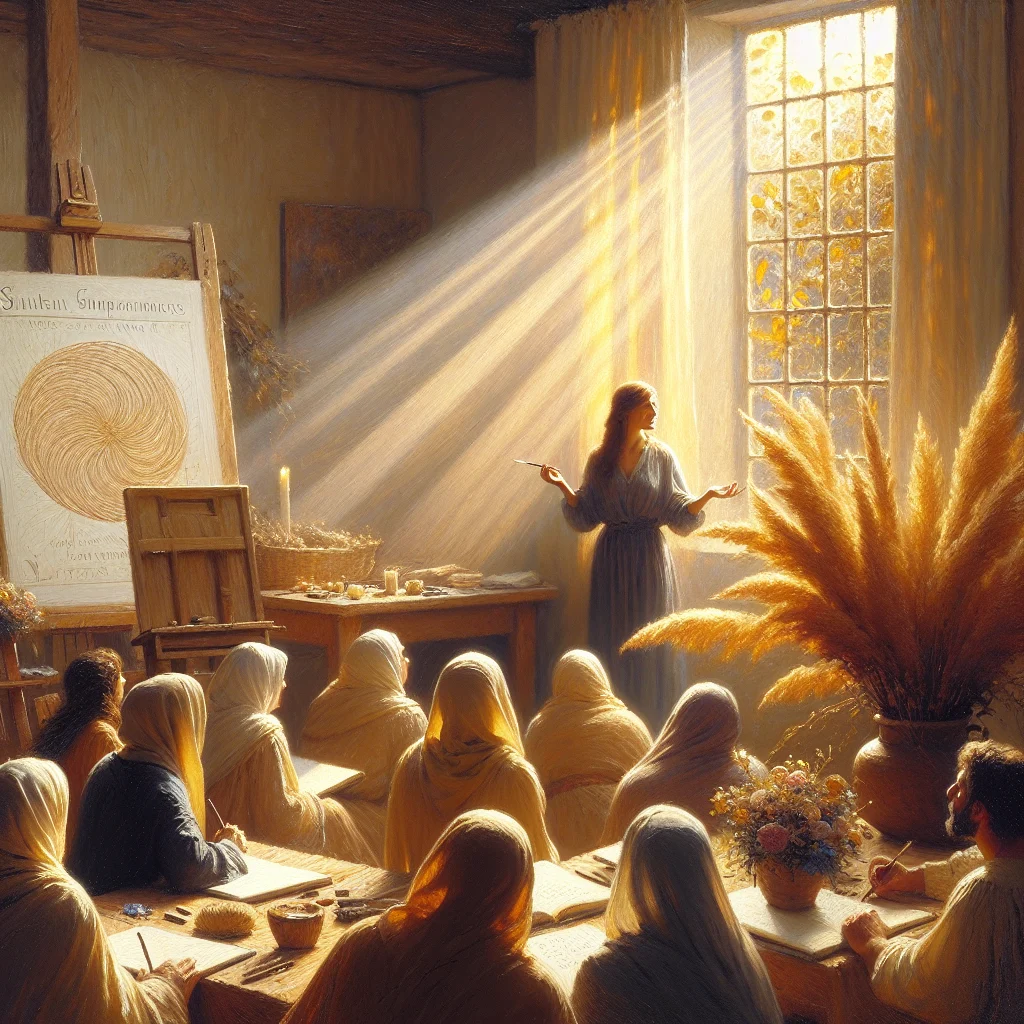
A journal workshop is a structured event where participants gather to learn and practice various journaling techniques under the guidance of an experienced facilitator. These workshops typically range from a single two-hour session to multi-day retreats, depending on the depth of content covered.
During these sessions, facilitators introduce specific journaling prompts and techniques designed to help participants access deeper levels of self-awareness. For example, you might learn about stream-of-consciousness writing, gratitude journaling, or narrative therapy approaches that help you reframe challenging experiences.
The Structure of a Typical Journal Workshop
Most journal workshops follow a predictable format that creates safety while encouraging exploration. The session usually begins with introductions and setting intentions, allowing participants to clarify what they hope to gain from the experience.
After the opening, facilitators typically introduce a specific technique or theme. This might involve teaching about expressive writing methods, demonstrating how to use journal topics effectively, or explaining the psychological research behind therapeutic writing.
Following the instruction, participants engage in timed writing exercises. These periods of focused journaling, usually lasting 10-20 minutes, allow you to practice the techniques while they’re fresh. Finally, workshops often include optional sharing time where participants can read portions of their writing if they feel comfortable.
Different Types of Journal Workshops
The beauty of journal workshops lies in their diversity. Therapeutic journaling workshops focus on processing trauma, managing anxiety, or working through grief. Meanwhile, creative writing-focused sessions emphasize storytelling, poetry, or memoir development.
Some workshops target specific life transitions. For instance, you might find sessions designed for new mothers, career changers, or people navigating divorce. Additionally, many facilitators offer workshops centered on particular techniques like bullet journaling, art journaling, or digital journaling methods.
According to research from the American Psychological Association, expressive writing can significantly improve both physical and psychological health outcomes. This evidence-based foundation makes journal workshops valuable tools for anyone seeking personal growth.
The Life-Changing Benefits of Attending a Journal Workshop
While solitary journaling offers numerous benefits, workshop settings provide unique advantages that can dramatically enhance your practice. The combination of expert guidance, community support, and dedicated time creates conditions for breakthrough moments that might not occur when journaling alone.
Expert Guidance Accelerates Your Progress
One of the most significant benefits of a journal workshop is access to an experienced facilitator who can teach you proven techniques. Instead of wondering whether you’re “doing it right,” you receive direct instruction on methods that have helped thousands of people.
Facilitators can also spot patterns in your writing that you might miss. They might notice when you’re avoiding certain topics, using particular defense mechanisms, or approaching breakthrough moments. This outside perspective can be invaluable for deepening your self-awareness.
Moreover, workshop leaders often share resources like recommended reading, additional prompts, and frameworks for continuing your practice at home. These tools extend the workshop’s value far beyond the session itself.
Community Support Creates Accountability
Journal workshops introduce you to others on similar journeys. This sense of community can combat the isolation many people feel when working through personal challenges. Hearing someone else’s perspective on a shared struggle often provides comfort and validation.
Furthermore, the group setting creates natural accountability. When you commit to attending a workshop, you’re more likely to show up and engage fully than when journaling alone at home where countless distractions compete for your attention.
Many participants form lasting connections during these workshops, sometimes creating ongoing journaling circles that continue meeting long after the formal workshop ends. These relationships can become important sources of support during difficult times.
Structured Time for Deep Reflection
In our busy lives, setting aside dedicated time for self-reflection often falls to the bottom of the priority list. However, when you register for a journal workshop, you’re carving out protected time specifically for this purpose.
The workshop environment also eliminates many distractions that interrupt home journaling sessions. There are no phones ringing, no laundry to fold, and no emails demanding attention. This focused space allows for deeper exploration than you might achieve in fragmented home sessions.
Research published in the Cambridge University Press journals demonstrates that even brief periods of structured writing can produce measurable improvements in mood, stress levels, and overall well-being. Journal workshops maximize these benefits by providing optimal conditions for therapeutic writing.
How to Choose the Right Journal Workshop for You
With the growing popularity of journaling, you’ll find numerous workshop options available. Choosing the right one requires considering several factors related to your personal goals, learning style, and comfort level.
Identify Your Primary Goals
Before selecting a workshop, take time to clarify what you hope to achieve. Are you primarily interested in emotional healing, creative expression, or personal development? Different workshops emphasize different outcomes.
If you’re dealing with specific challenges like anxiety, grief, or trauma, look for therapeutically-oriented workshops led by licensed mental health professionals. These sessions incorporate evidence-based techniques and provide appropriate emotional support.
On the other hand, if you’re more interested in developing your writing skills or exploring creativity, workshops led by published authors or creative writing instructors might be more suitable. These tend to focus less on therapeutic processing and more on craft development.
Consider the Format and Setting
Journal workshops come in various formats, each with distinct advantages. In-person workshops offer the richest community experience and eliminate digital distractions, but they require travel and may have limited availability in your area.
Virtual workshops have exploded in popularity, offering convenience and access to facilitators worldwide. You can participate from the comfort of your home, which may feel safer for exploring vulnerable topics. However, some people find it harder to disconnect from distractions in their home environment.
Additionally, consider the workshop duration. Single-session workshops work well for trying out journaling or learning specific techniques. Multi-session programs or retreats allow for deeper exploration and often produce more significant transformations.
Research the Facilitator’s Background
The facilitator’s experience and training significantly impact the workshop quality. Look for leaders with relevant credentials, whether that’s therapeutic training, writing expertise, or extensive personal journaling practice spanning many years.
Read reviews from previous participants to gauge the facilitator’s teaching style and the workshop atmosphere. Some facilitators create highly structured environments with clear instructions, while others prefer looser, more intuitive approaches. Neither is inherently better, but one might suit your preferences more than the other.
Don’t hesitate to reach out to facilitators with questions before registering. Their responsiveness and willingness to address your concerns can indicate the level of support you’ll receive during the actual workshop.
What to Expect During Your First Journal Workshop
Understanding what typically happens during a journal workshop can ease any nervousness you might feel about attending your first session. While every facilitator brings their unique approach, most workshops share common elements that create a supportive learning environment.
Creating a Safe Container
Quality journal workshops begin by establishing what facilitators call a “safe container”—a set of agreements that protect participants’ emotional safety and privacy. This typically includes commitments to confidentiality, non-judgment, and respecting everyone’s right to share or remain silent.
The facilitator will usually emphasize that you’re not required to share anything you write. This permission to keep your reflections private helps many people write more honestly and take bigger emotional risks on the page.
Some workshops also discuss the concept of “writing through discomfort.” Facilitators help participants distinguish between productive discomfort that leads to growth and overwhelming distress that requires pausing or seeking additional support.
The Writing Exercises Themselves
During the writing portions, you’ll typically receive a prompt or topic to explore. These prompts are carefully designed to guide you toward productive reflection without being overly prescriptive. For example, a prompt might ask, “Write about a time when you felt completely yourself.”
Most exercises involve timed writing, often using the “write continuously without stopping” approach. This technique, sometimes called freewriting, helps bypass your internal critic and access more authentic thoughts and feelings.
Don’t worry about grammar, spelling, or creating polished prose. The goal is exploration and expression, not literary perfection. Many participants find that giving themselves permission to write “badly” actually produces their most insightful work.
Sharing and Reflection Opportunities
After writing exercises, facilitators typically offer opportunities to share. Remember, sharing is always optional—you should never feel pressured to read your work aloud if you’re not comfortable doing so.
However, when people do share, it often becomes a powerful part of the workshop experience. Hearing how others interpreted the same prompt can provide new perspectives and help you feel less alone in your struggles. Additionally, receiving positive feedback on your writing can be deeply validating.
Facilitators usually establish guidelines for responding to shared work, emphasizing supportive listening rather than advice-giving or analyzing. This creates an environment where vulnerability feels safer and people can share without fear of judgment.
Integrating Workshop Techniques Into Your Daily Practice
The real value of a journal workshop extends far beyond the session itself. The techniques and insights you gain should inform your ongoing journaling practice, creating lasting changes in how you process experiences and understand yourself.
Establishing a Consistent Routine
After attending a workshop, many participants feel motivated to journal regularly. However, that initial enthusiasm often fades without a concrete plan. To maintain momentum, establish a specific time and place for your daily journaling practice.
Morning journaling works well for many people, offering a way to process dreams, set intentions, or simply clear mental clutter before the day’s demands begin. Others prefer evening journaling as a way to reflect on the day’s events and prepare for restful sleep.
Start with manageable commitments. Even five minutes of daily journaling produces more benefits than hour-long sessions that happen sporadically. You can explore various approaches in our article about digital detox journaling for additional techniques.
Creating Your Personal Prompt Library
During workshops, you’ll encounter numerous prompts that resonate with you. Create a dedicated section in your journal or a digital document where you collect these prompts for future use. When you sit down to journal and feel stuck, this library becomes an invaluable resource.
In addition to workshop prompts, collect questions and topics from books, articles, and your own life experiences. Over time, you’ll develop a personalized collection that reflects your unique journey and interests.
Furthermore, don’t hesitate to modify prompts to suit your needs. If a question doesn’t quite fit your situation, adjust it. The prompts exist to serve your exploration, not constrain it.
Periodically Reviewing Past Entries
One often-overlooked benefit of consistent journaling is the ability to track your growth over time. Set aside time monthly or quarterly to read through recent entries, looking for patterns, recurring themes, and evidence of personal evolution.
This review process can reveal blind spots or automatic reactions you weren’t aware of in the moment. You might notice that certain situations consistently trigger particular emotions or that you’ve been avoiding writing about specific topics.
Moreover, seeing how you’ve navigated previous challenges can build confidence when facing new difficulties. Your past journal entries become evidence of your resilience and capacity for growth.
Journal Workshop Variations Worth Exploring
As the journaling movement has evolved, facilitators have developed specialized workshops that combine traditional journaling with other modalities. These hybrid approaches can deepen your practice and appeal to different learning styles.
Art Journaling Workshops
Art journaling combines visual expression with written reflection, making it particularly valuable for people who find purely verbal expression limiting. These workshops teach you to incorporate drawing, painting, collage, and other visual elements into your journaling practice.
You don’t need artistic talent to benefit from art journaling. The emphasis is on expression rather than creating gallery-worthy pieces. Many people find that engaging their visual creativity accesses emotions and insights that words alone might not reach.
Art journaling workshops often provide materials and teach basic techniques like creating collages from magazine images, using watercolors for emotional expression, or incorporating found objects into journal pages. This approach links beautifully with other creative resources and tools for personal development.
Nature-Based Journaling Retreats
Some facilitators combine journal workshops with time in nature, recognizing that natural settings often facilitate deeper reflection and creativity. These retreats might include morning writing sessions followed by contemplative walks, or prompts specifically designed to help you connect with the natural world.
Research from Frontiers in Psychology demonstrates that time in nature reduces stress and enhances cognitive function. Combining these benefits with structured journaling creates powerful conditions for personal insight and healing.
Nature-based retreats often incorporate elements from various traditions, including mindfulness practices, wilderness therapy concepts, and nature-inspired creative writing. This holistic approach appeals to people interested in both holistic living and personal growth.
Digital and Multimedia Journaling Workshops
While traditional pen-and-paper journaling remains popular, some workshops focus on digital approaches. These sessions teach you to use apps, blogs, voice recordings, video journals, or combination approaches that integrate multiple media.
Digital journaling offers unique advantages, including easy organization, searchability, and the ability to incorporate photos, audio, and links to external resources. However, it also presents challenges like increased distraction potential and concerns about privacy and data security.
Workshops focused on digital methods help you navigate these trade-offs while developing systems that work for your lifestyle. They often address practical questions like choosing secure platforms, backing up your entries, and creating digital boundaries that protect your journaling time from other online activities.
Overcoming Common Journal Workshop Challenges
Even with the best intentions, you might encounter obstacles that prevent you from fully engaging in a journal workshop. Understanding these common challenges and having strategies to address them can help you get the most from your experience.
Managing Vulnerability and Emotional Intensity
Journal workshops often bring up strong emotions, especially when exploring painful memories or current challenges. This emotional intensity is normal and often indicates that you’re accessing material that needs attention. However, it can feel overwhelming in the moment.
If you find yourself becoming too distressed during a writing exercise, remember that you can always pause, take deep breaths, or shift your focus to something less charged. Quality facilitators will remind you of this permission and provide grounding techniques if needed.
After the workshop, practice good self-care. You might need extra rest, supportive connection with friends, or additional processing through therapy if the workshop stirred up significant material. This continued care is part of integrating the workshop experience.
Dealing With Writer’s Block
Sometimes you sit down with your journal and feel completely blank, unable to write despite having dedicated time and space. This writer’s block can be frustrating, but it’s a common experience that doesn’t mean you’re doing something wrong.
Workshop facilitators teach various techniques for moving through blocks. One simple approach is writing about the block itself: “I’m sitting here unable to write because…” Often, this meta-writing opens the door to deeper material.
Another strategy involves using sensory details as a starting point. Describe what you see, hear, smell, taste, or feel in the present moment. This grounding in concrete observations can bypass the mental critic that often creates blocks.
Balancing Depth With Daily Life Demands
After experiencing a powerful workshop, you might feel motivated to journal for hours daily. However, this intensity rarely proves sustainable given work, family, and other responsibilities. The challenge becomes maintaining a meaningful practice without overwhelming your schedule.
The solution lies in flexibility and self-compassion. Rather than rigid rules about journaling duration or frequency, create guidelines that adapt to your current circumstances. Five minutes of focused reflection beats skipping journaling entirely because you don’t have a full hour available.
Additionally, integrate journaling into existing routines rather than treating it as a separate task. For example, you might journal while drinking your morning coffee or during your lunch break. This integration makes the practice more sustainable long-term.
Finding or Creating Journal Workshop Communities
The connections you make during a journal workshop often become as valuable as the writing techniques you learn. Many participants want to continue this community experience beyond the formal workshop setting.
Joining Ongoing Journaling Circles
Journaling circles are small groups that meet regularly to write together and share optional reflections. These gatherings maintain the supportive atmosphere of workshops while allowing for deeper relationships to develop over time.
Look for existing circles through community centers, libraries, bookstores, or spiritual centers in your area. Many cities also have Meetup groups dedicated to journaling and creative writing. Virtual circles have become increasingly common, offering access regardless of your location.
If you can’t find a circle that fits your needs, consider starting one. Begin by reaching out to fellow workshop participants to gauge interest. Even a group of three or four people meeting monthly can provide meaningful support and accountability.
Online Resources and Communities
Between in-person gatherings or workshops, online communities can help sustain your practice. Numerous Facebook groups, Reddit communities, and dedicated forums bring together people interested in therapeutic journaling, creative writing, or specific journaling methods.
These online spaces offer opportunities to share prompts, discuss challenges, celebrate breakthroughs, and feel connected to others on similar journeys. However, maintain appropriate boundaries and remember that online communities, while valuable, can’t fully replace professional mental health support when needed.
Many workshop facilitators also maintain email lists or social media communities where past participants can stay connected. These facilitator-led communities often share additional resources, announce future workshops, and provide ongoing inspiration for your journaling practice.
Integrating With Broader Wellness Practices
Journaling workshops often attract people interested in personal growth and holistic wellness. Consider how your journaling practice might complement other modalities you’re exploring, such as meditation, yoga, or creative arts.
For instance, you might journal before or after meditation sessions, using writing to process insights that arose during practice. Similarly, movement practices often surface emotions or memories that benefit from journaling exploration. This integration creates a comprehensive wellness approach that addresses multiple dimensions of your being.
Some practitioners combine journaling with sound healing tools or other therapeutic modalities, creating rich, multi-sensory practices that engage both body and mind in the healing process.
The Future of Journal Workshops
As research continues demonstrating the mental health benefits of expressive writing, journal workshops are likely to become even more mainstream. We’re already seeing integration of journaling into various settings, from corporate wellness programs to hospital-based mental health services.
Technology will undoubtedly influence how journal workshops evolve. Virtual reality experiences might someday transport participants to inspiring environments during writing exercises. AI writing assistants could offer personalized prompts based on your previous entries and emotional patterns.
However, the core value of journal workshops—the human connection, expert guidance, and dedicated space for reflection—will likely remain constant regardless of technological advances. As our world becomes increasingly complex and overwhelming, the need for practices that promote self-awareness and emotional processing will only grow.
Want to deepen your daily practice? Explore Everyday Calm: A Beginner’s Guide to Daily Meditation to complement your journaling with mindfulness techniques.
Taking the Next Step in Your Journaling Journey
If you’ve read this far, you’re clearly interested in exploring how a journal workshop might benefit your life. The next step is simple: find a workshop and register. Don’t wait for the “perfect” time or until you feel “ready”—these conditions rarely arrive on their own.
Start by searching for local workshops through community centers, wellness studios, bookstores, and libraries. Check social media for facilitators in your area, and don’t overlook virtual options that might connect you with exactly the right teacher regardless of geography.
Remember that attending one workshop doesn’t commit you to anything beyond that single experience. Think of it as an experiment, an opportunity to try something new and see what resonates. However, many people find that their first workshop becomes a turning point, opening doors to deeper self-understanding and more authentic living.
Your journal is waiting, and a community of fellow explorers is ready to welcome you. The insights you gain and the connections you make might just transform how you understand yourself and navigate your unique life journey. Finally, trust that whatever arises during your workshop experience is exactly what you need to encounter at this moment in your growth.

