
If you’ve ever struggled to unwind after a long day, you’re not alone. The transition from daytime stress to evening relaxation can feel impossible when your mind refuses to switch off. However, incorporating aromatherapy in evening routine practices offers a natural, scientifically-backed solution that can transform those restless nights into restorative experiences.
Aromatherapy harnesses the therapeutic properties of essential oils extracted from plants, flowers, and herbs. These concentrated botanical extracts work directly on your limbic system—the emotional center of your brain—creating physiological changes that promote relaxation. Because of this direct neural pathway, scent can influence your mood and stress levels faster than almost any other sensory experience.
In this comprehensive guide, you’ll discover practical ways to weave aromatherapy into your nightly wind-down. Whether you’re a complete beginner or looking to deepen your existing practice, these evidence-based strategies will help you create an evening sanctuary that supports better sleep and emotional balance.
Discover the 60-Second Emergency Calm Protocol to complement your aromatherapy practice with instant stress relief techniques.

Why Aromatherapy Works for Evening Relaxation
The science behind aromatherapy in evening routine is compelling. When you inhale essential oil molecules, they travel through your olfactory system to the amygdala and hippocampus—brain regions that regulate emotions, memories, and stress responses. This isn’t merely pseudoscience; numerous studies have documented aromatherapy’s measurable effects on cortisol levels, heart rate variability, and sleep quality.
For example, research published in the Journal of Alternative and Complementary Medicine found that lavender aromatherapy significantly reduced anxiety and improved sleep quality in participants. Similarly, a study from aromatherapy research demonstrated that certain essential oils can lower cortisol—your body’s primary stress hormone.
Additionally, establishing a consistent evening ritual with aromatherapy creates a Pavlovian response in your nervous system. Over time, your body begins associating specific scents with relaxation, making it easier to transition into rest mode. This conditioning effect strengthens with regular practice, creating increasingly powerful results.
Best Essential Oils for Your Evening Routine
Not all essential oils are created equal when it comes to evening relaxation. While personal preference matters, certain oils have demonstrated particular effectiveness for promoting calmness and sleep readiness. Here are the most beneficial options for nighttime use:
Lavender: The Classic Choice
Lavender essential oil remains the gold standard for evening aromatherapy, and for good reason. Its primary compounds—linalool and linalyl acetate—have documented sedative and anxiolytic properties. Furthermore, lavender has been used therapeutically for centuries across different cultures, giving it both traditional wisdom and modern scientific validation.
Use lavender when you need to quiet racing thoughts or release physical tension accumulated throughout the day. It pairs beautifully with other relaxing oils and serves as an excellent foundation for custom blends.
Chamomile: Gentle and Soothing
Both Roman and German chamomile varieties contain compounds that promote relaxation. Chamomile essential oil offers a sweeter, more herbaceous aroma than lavender. Because of its gentle nature, it works particularly well for sensitive individuals or those who find lavender too strong.
This oil shines when emotional stress or mild anxiety interferes with your ability to unwind. Its calming properties extend beyond scent—chamomile has been used in traditional medicine systems worldwide for its ability to ease nervous tension.
Bergamot: Uplifting Yet Calming
Unlike most relaxing essential oils, bergamot combines calming properties with subtle mood elevation. This citrus oil reduces cortisol while simultaneously boosting mood—a unique combination that addresses both stress and low spirits. As a result, bergamot works wonderfully for those evenings when you feel drained rather than wired.
However, note that bergamot is photosensitive. If applying it topically, avoid sun exposure on treated skin for at least 12 hours.
Additional Beneficial Oils
- Cedarwood: Grounding and meditative, perfect for disconnecting from mental chatter
- Ylang ylang: Exotic and calming, helps slow rapid heartbeat and breathing
- Clary sage: Balances hormones and eases tension, particularly beneficial during menopause
- Frankincense: Deepens breathing and promotes spiritual calm
- Sandalwood: Woody and centering, excellent for meditation practices
Practical Ways to Use Aromatherapy in Evening Routine
The beauty of aromatherapy in evening routine lies in its versatility. You can incorporate it in multiple ways depending on your lifestyle, preferences, and available time. Let’s explore the most effective methods:
1. Diffusion: Scenting Your Space
Ultrasonic diffusers represent the most popular method for home aromatherapy. These devices disperse essential oils as a fine mist throughout your room. For evening use, start your diffuser 30-60 minutes before bedtime to allow the scent to permeate your space.
Use 3-5 drops of essential oil per 100ml of water in your diffuser. Because you want to promote relaxation rather than stimulation, avoid over-saturating your space. The aroma should be noticeable but never overwhelming.
Alternatively, you might try passive diffusion by placing several drops on a cotton ball near your bed. This method works well for those sensitive to mist or who prefer subtler scent experiences.
2. Topical Application: Direct Body Contact
Applying diluted essential oils to your skin creates a more intimate aromatherapy experience. The combination of scent and touch activates multiple relaxation pathways simultaneously. Moreover, certain application points—called pulse points—enhance absorption and scent distribution.
Always dilute essential oils in a carrier oil before skin application. A safe dilution ratio is 2-3% for most adults, which equals approximately 12-18 drops of essential oil per ounce of carrier oil. Good carrier options include jojoba, sweet almond, or fractionated coconut oil.
Key pulse points for evening application include:
- Wrists (where you can periodically breathe in the scent)
- Behind ears (near major blood vessels)
- Temples (for tension relief)
- Bottom of feet (where skin readily absorbs compounds)
- Over the heart center (for emotional calming)
3. Bath Rituals: Immersive Relaxation
An evening bath infused with essential oils creates a multisensory relaxation experience. The warm water relaxes muscles while aromatherapy compounds work on your nervous system. Because essential oils don’t naturally dissolve in water, you’ll need an emulsifier to disperse them properly.
Mix 5-8 drops of your chosen essential oil with a tablespoon of carrier oil, milk, honey, or Epsom salts before adding to bathwater. This prevents undiluted oil from floating on the surface where it might irritate skin. Soak for at least 15-20 minutes to receive full benefits.
Incorporating cozy evening self-care routine practices alongside your aromatic bath amplifies the relaxation effects.
4. Pillow and Linen Sprays
Aromatic linen sprays offer convenience for those who want aromatherapy benefits without equipment. Create your own by combining distilled water, witch hazel, and essential oils in a spray bottle. A typical recipe includes:
- 2 ounces distilled water
- 2 tablespoons witch hazel (acts as dispersant)
- 15-20 drops relaxing essential oils
Lightly mist your pillowcase, sheets, or even curtains 10-15 minutes before bed. This method creates a gentle scent environment without direct skin contact or equipment maintenance.
5. Personal Inhalers: Portable Aromatherapy
Personal aromatherapy inhalers look like small lip balm tubes with absorbent wicks inside. After saturating the wick with essential oils, you can inhale directly whenever needed. These portable tools work wonderfully for maintaining your evening routine while traveling or when you need immediate stress relief.
Simply inhale deeply through each nostril 3-5 times when you need to activate your relaxation response. This method delivers concentrated aromatherapy without affecting others in your household.
Creating Your Custom Evening Aromatherapy Blend
While single oils offer benefits, custom blends can address multiple evening needs simultaneously. Creating your own signature blend makes your aromatherapy in evening routine feel more personal and intentional. Furthermore, blending allows you to adjust the formula based on how you’re feeling each evening.
Principles of Essential Oil Blending
Effective blends typically include three types of notes:
- Top notes: Light, fresh scents that dissipate quickly (bergamot, citrus)
- Middle notes: The heart of your blend, providing body (lavender, chamomile)
- Base notes: Heavy, grounding scents that linger (cedarwood, sandalwood)
A balanced blend usually contains 30% top notes, 50% middle notes, and 20% base notes. However, personal preference should guide your final ratios.
Sample Evening Blends
Deep Sleep Blend:
- 4 drops lavender (middle note)
- 3 drops cedarwood (base note)
- 2 drops Roman chamomile (middle note)
- 1 drop bergamot (top note)
Stress Release Blend:
- 3 drops frankincense (base note)
- 3 drops lavender (middle note)
- 2 drops clary sage (middle note)
- 2 drops ylang ylang (middle note)
Peaceful Meditation Blend:
- 4 drops sandalwood (base note)
- 3 drops frankincense (base note)
- 2 drops lavender (middle note)
- 1 drop bergamot (top note)
Experiment with different combinations to discover what resonates with your nervous system. Keep notes on which blends work best for specific situations or moods.
Building a Complete Evening Aromatherapy Routine
The most powerful results come from consistent practice rather than occasional use. Establishing a structured aromatherapy in evening routine signals to your body that it’s time to transition from activity to rest. Here’s a comprehensive timeline you can adapt to your schedule:
7:00 PM – 8:00 PM: Initial Wind-Down
Begin disconnecting from stimulating activities. Start your diffuser in common living spaces with uplifting yet calming oils like bergamot or sweet orange blended with lavender. This gradual shift helps your nervous system recognize the evening transition.
Consider dimming lights during this period as well. Combining aromatherapy with reduced light exposure enhances melatonin production, your body’s natural sleep hormone.
8:00 PM – 9:00 PM: Personal Care Time
This window works perfectly for aromatic self-care practices. Take your evening bath with essential oils, or perform a self-massage using diluted blends. You might also practice gentle yoga or stretching while your bedroom diffuser fills the space with calming scents.
Incorporating stress-reduction practices during this time amplifies benefits. Learn more about natural ways to lower cortisol levels that complement aromatherapy beautifully.
9:00 PM – 9:30 PM: Bedroom Preparation
Move into your bedroom and create your sleep sanctuary. Switch your diffuser to heavier relaxation blends dominated by middle and base notes. Apply your diluted essential oil blend to pulse points as part of your skincare routine.
Spray your pillow and sheets lightly with your linen mist. This final aromatic layer creates an immersive environment that supports deep relaxation. Additionally, keep your personal inhaler on your nightstand for quick access if you wake during the night.
9:30 PM – 10:00 PM: Pre-Sleep Rituals
Spend these final minutes in calming activities like reading, journaling, or gentle meditation. The aromatherapy you’ve layered throughout the evening now works synergistically to prepare your body for sleep. Because your nervous system has experienced consistent relaxation signals, falling asleep becomes increasingly natural.
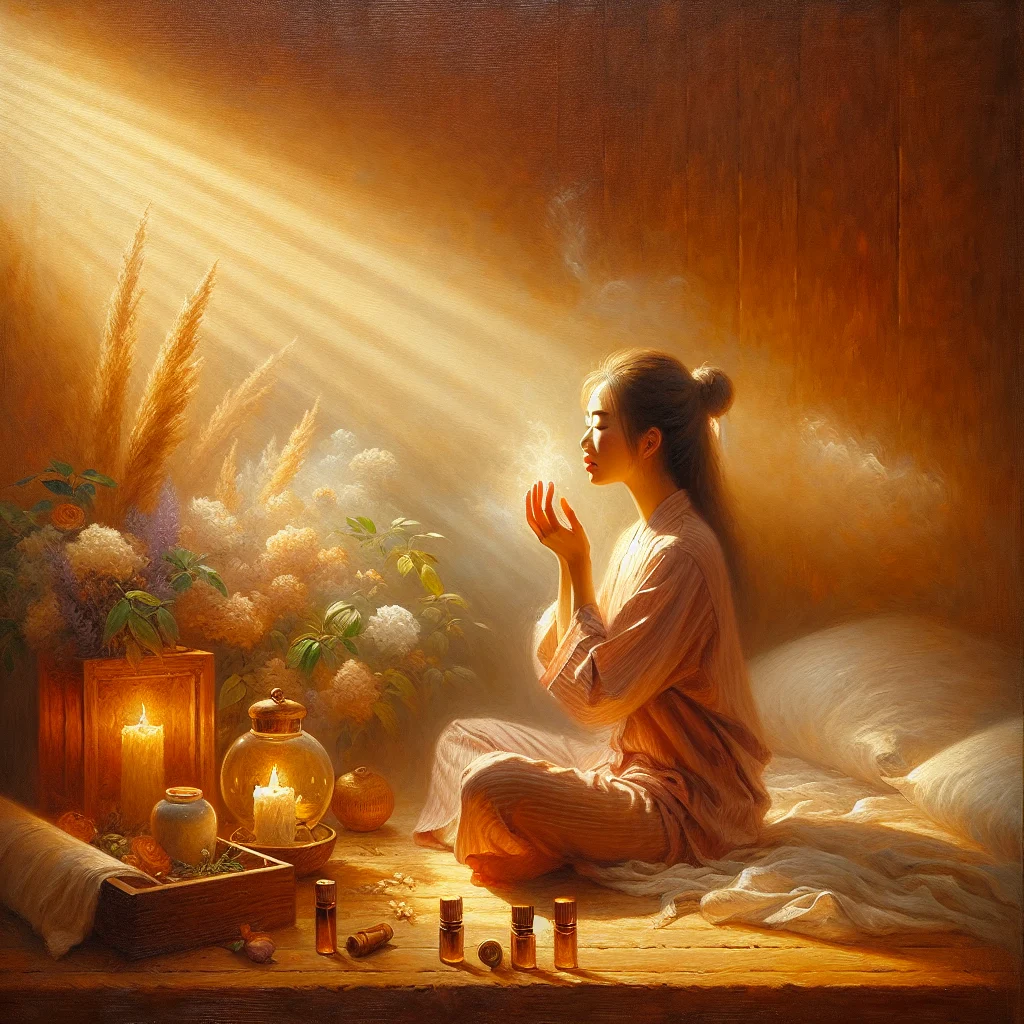
Practice aromatic breathing: Cup your hands over your nose and mouth, take several deep breaths, and consciously release tension with each exhale. This simple technique combines breathwork with aromatherapy for powerful calming effects.
Safety Considerations and Best Practices
While aromatherapy is generally safe, proper usage ensures you receive benefits without adverse effects. Following these guidelines protects your health while maximizing therapeutic results:
Essential Oil Quality Matters
Always purchase pure, therapeutic-grade essential oils from reputable suppliers. Synthetic fragrances or diluted oils lack therapeutic properties and may contain harmful additives. Look for oils that are:
- 100% pure with no additives or fillers
- Sourced from reputable botanical locations
- Tested by third-party laboratories
- Packaged in dark glass bottles (protects from light degradation)
- Clearly labeled with Latin botanical names
Proper Dilution Prevents Irritation
Never apply undiluted essential oils directly to skin except in specific circumstances (like lavender for minor burns). Undiluted oils can cause sensitization, allergic reactions, or chemical burns. The recommended dilution for most adults is 2-3%, though sensitive individuals should start at 1%.
Special Populations Need Extra Caution
Certain groups require modified aromatherapy approaches:
- Pregnant women: Avoid oils during the first trimester; thereafter use only pregnancy-safe oils at half the normal dilution
- Children: Use gentler oils at lower concentrations (0.5-1% for ages 2-6, 1-2% for ages 6-15)
- People with epilepsy: Avoid stimulating oils like rosemary, eucalyptus, and camphor
- Those with asthma: Start with minimal amounts and ensure proper ventilation
Potential Interactions
Some essential oils can interact with medications or medical conditions. For instance, oils with blood-thinning properties (like wintergreen) may interfere with anticoagulant medications. If you’re taking prescription medications or have chronic health conditions, consult with a qualified aromatherapist or healthcare provider before beginning regular use.
Storage and Shelf Life
Proper storage extends oil potency and prevents degradation. Store essential oils in dark glass bottles away from heat, light, and oxygen exposure. Most oils remain viable for 2-3 years when stored correctly, though citrus oils have shorter shelf lives (approximately 1-2 years).
Enhancing Your Practice: Complementary Evening Habits
Aromatherapy works most powerfully when integrated with other evidence-based relaxation practices. Consider these complementary strategies for your aromatherapy in evening routine:
Mindfulness and Meditation
Combining aromatherapy with mindfulness and meditation creates a powerful synergy. The scent serves as an anchor for your attention, making meditation more accessible for beginners. Furthermore, the combination trains your nervous system to associate specific aromas with deep relaxation states.
Try this simple practice: As you inhale your chosen essential oil, mentally note “breathing in calm.” As you exhale, think “releasing tension.” This paired awareness of breath and scent deepens meditative states.
Progressive Muscle Relaxation
This technique involves systematically tensing and releasing muscle groups throughout your body. When paired with aromatherapy, the practice becomes more effective. The scent helps you notice when tension returns, prompting immediate release.
Gratitude Journaling
Writing down three things you’re grateful for while surrounded by calming scents creates positive mental associations. Over time, this practice rewires your brain toward positivity while the aromatherapy addresses physiological stress.
Digital Detox
Blue light from screens suppresses melatonin production and keeps your nervous system activated. Establishing a firm device cut-off time (ideally 60-90 minutes before bed) allows aromatherapy to work without competing with stimulating inputs. This boundary dramatically improves the effectiveness of your entire evening routine.
Nutrition Timing
What you eat in the evening affects your ability to relax and sleep. Heavy meals close to bedtime disrupt sleep quality, while certain nutrients support calmness. Learn about herbal teas for cortisol balance that complement your aromatherapy practice perfectly.
Tracking Your Progress and Adjusting Your Routine
Creating an effective aromatherapy in evening routine requires some experimentation. What works brilliantly for one person might not resonate with another. Therefore, tracking your experiences helps you identify patterns and refine your approach.
What to Monitor
Keep a simple journal noting:
- Which oils or blends you used
- Application methods employed
- How quickly you fell asleep
- Sleep quality throughout the night
- Morning energy levels
- Overall stress perception
After 2-3 weeks of consistent tracking, patterns will emerge. You might discover that certain oils work better on high-stress days, while others suit your regular routine. This personalized knowledge transforms your practice from generic to precisely calibrated for your needs.
Signs Your Routine Is Working
Positive indicators include:
- Falling asleep more quickly than before
- Fewer nighttime awakenings
- Waking feeling more refreshed
- Reduced evening anxiety or racing thoughts
- Looking forward to your evening routine
- Better emotional regulation throughout the day
Remember that aromatherapy creates cumulative benefits. While some effects appear immediately, the most profound changes typically emerge after consistent practice over several weeks.
Common Mistakes to Avoid
Even with good intentions, certain missteps can undermine your aromatherapy practice. Awareness of these common errors helps you troubleshoot problems quickly:
- Using too much oil: More isn’t better with essential oils. Excessive amounts can cause headaches, nausea, or opposite effects
- Expecting instant transformation: While some benefits appear quickly, developing a conditioned relaxation response takes time
- Inconsistent practice: Sporadic use prevents your nervous system from building strong associations between scent and relaxation
- Ignoring personal preferences: If you dislike a scent—even one with documented benefits—it won’t help you relax. Trust your instincts
- Overlooking diffuser maintenance: Dirty diffusers harbor bacteria and mold that contaminate your aromatherapy. Clean weekly with vinegar
- Using stimulating oils at night: Oils like peppermint, rosemary, and citrus varieties can be energizing rather than relaxing
Making Aromatherapy Accessible on Any Budget
Quality essential oils represent an investment, but aromatherapy doesn’t need to be expensive. Consider these budget-friendly strategies:
Start with one or two versatile oils rather than purchasing an entire collection. Lavender and bergamot create an excellent foundation that addresses most evening needs. As your practice develops, gradually add oils that target specific concerns.
Purchase smaller bottles (5-10ml) rather than large quantities. Because essential oils are highly concentrated, small amounts last surprisingly long. A 10ml bottle typically contains 200-250 drops—enough for months of regular use.
Make your own diluted roller bottles and linen sprays. Pre-diluting oils in carrier oils or water-based sprays extends their use while maintaining therapeutic benefits. This approach also makes application more convenient.
Share resources with friends interested in aromatherapy. Organizing a small group allows everyone to try different oils without individual investment in full bottles. You can even create custom blends together.
Conclusion: Your Journey Toward Evening Peace
Incorporating aromatherapy in evening routine offers a gentle yet powerful way to reclaim your nights from stress and restlessness. Unlike quick-fix solutions that merely mask symptoms, this practice addresses the underlying nervous system dysregulation that prevents quality rest. Moreover, it creates a sustainable self-care ritual that serves your wellbeing for years to come.
The beauty of aromatherapy lies in its simplicity. You don’t need expensive equipment or complicated protocols—just pure essential oils, a few basic tools, and consistent practice. As you develop your personalized routine, you’ll discover which scents, methods, and timing work best for your unique needs.
Remember that establishing new habits takes patience. Give yourself permission to experiment, adjust, and even skip occasionally without judgment. The goal isn’t perfection but rather creating a sustainable practice that genuinely supports your evening relaxation and sleep quality.
Whether you’re struggling with chronic sleep issues or simply seeking to enhance your existing wind-down routine, aromatherapy provides accessible, evidence-based support. By engaging your sense of smell—one of the most direct pathways to emotional and physiological change—you’re working with your body’s natural wisdom rather than against it.
As you implement these strategies, pay attention to the small shifts: the gradual easing of tension, the increasingly natural transition into sleep, the morning feeling of having truly rested. These cumulative changes transform not just your evenings but your overall quality of life.
Access the 60-Second Emergency Calm Protocol for those moments when you need immediate stress relief alongside your regular aromatherapy practice.
Explore more holistic approaches to wellbeing through our holistic living resources, where you’ll find complementary practices that enhance your aromatherapy journey. Your evenings—and your overall wellbeing—deserve this investment of care and attention.

