
Finding the Best Direction to Meditate: A Deep Dive into Spiritual Orientation
Whether you’re just beginning your meditation practice or have been exploring mindfulness for years, small tweaks can significantly impact the effectiveness of your sessions. One often overlooked but crucial element is the direction you face while meditating. Yes — the direction. Believe it or not, the best direction to meditate might enhance your clarity, calmness, and connection to your inner self more than you think.
According to both ancient wisdom and contemporary practice, the position of your body in relation to the earth’s magnetic field, sun, and spiritual energy currents plays a significant role in how well you access peace and presence. Meditation, after all, isn’t just about sitting still – it’s about aligning energy, intention, and environment.
If you’re just getting started on your journey, check out Everyday Calm: A Beginner’s Guide to Daily Meditation, which offers a supportive and gentle introduction to the daily practice of meditation.
Why Does Direction Matter for Meditation?
In various spiritual traditions, including Vastu Shastra from India and Feng Shui from China, direction holds deep meaning. Facing certain directions is believed to help channel energy into harmony. However, beyond these philosophies, science gives another layer to this practice. Earth has a magnetic field, and our bodies naturally interact with it, whether we are aware of it or not.
While these effects may be subtle, many experienced practitioners report feeling more grounded, clear-headed, or spiritually connected when meditating in a particular direction. Even if you’re a skeptic, experimenting with direction can offer new depth to your practice.
East: The Spiritual Awakening Direction
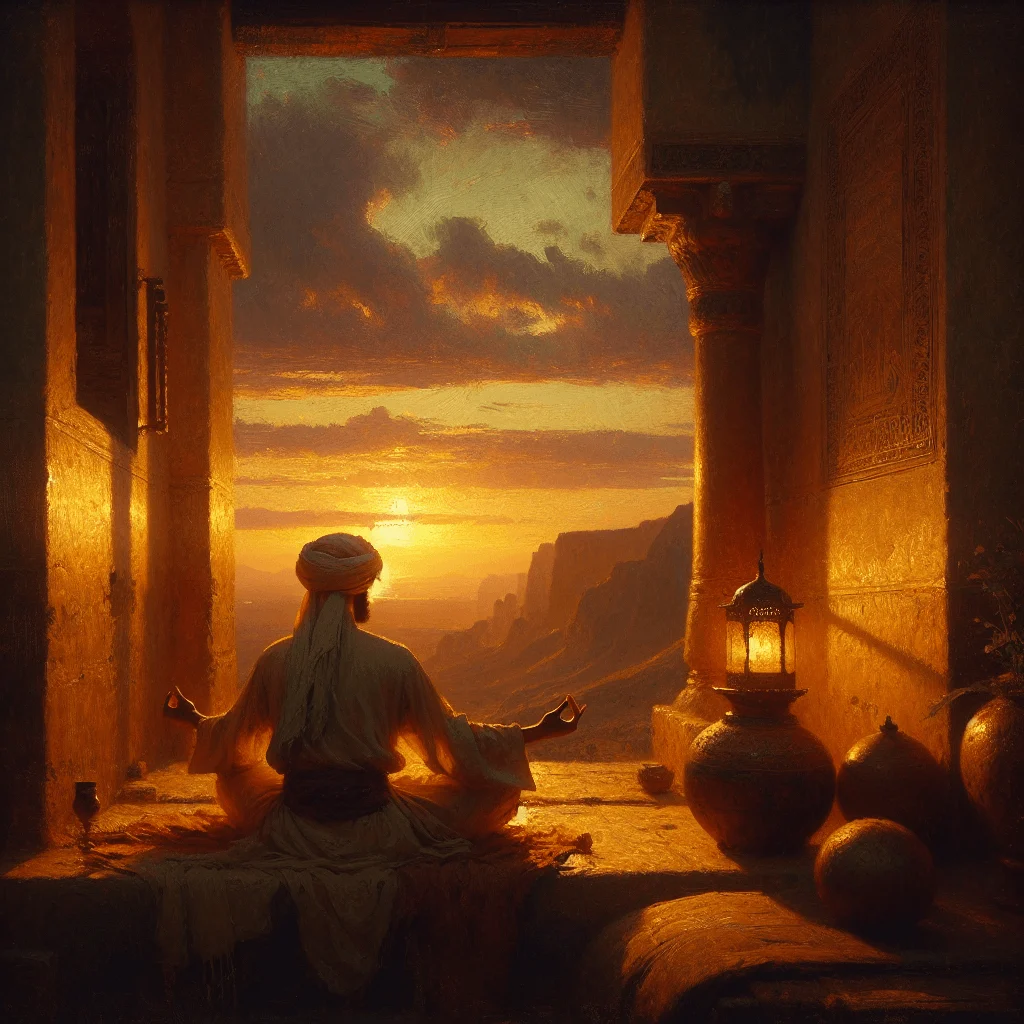
Facing east while meditating is considered optimal in many traditions. The sun rises in the east, symbolizing light, awareness, and awakening. Meditating while facing east connects you with this rising energy, aiding in mental clarity and spiritual inspiration.
Spiritual texts, including those from Ayurveda and Hinduism, place great emphasis on beginning spiritual practices facing east. People often report increased alertness, a calmer mind, and deeper introspection during east-facing meditations.
Free Guided Meditation · Day 1
You Are Safe Right Now.
5 min · Breathwork & body scan · Stress release
Liked it? Get the full audio.
Enter your email and we'll send you the complete 5-minute meditation — free, straight to your inbox.
Zero spam. Unsubscribe anytime.
Check Your Inbox.
Your full 5-minute meditation is on its way. Open the email and hit play — your reset starts now.
Can't find it? Check your spam folder.
North: The Zone of Calm
Facing north during meditation is said to align you with the magnetic pull of the earth’s magnetic field. It’s commonly associated with stability, peace, and mental clarity. Tibetan monks often meditate while facing north, believing it helps with spiritual ascension and mental discipline.
If you’re looking to build a meditation routine to calm worries and anxiety, this direction might suit you well. You can pair the orientation with grounding meditation techniques for even stronger results.
South and West: When to Use (or Avoid) Them
Contrary to popular choices, facing south or west isn’t entirely unsuitable. However, they’re not generally recommended for beginners. South is associated with stillness and rest but might also lead to sluggishness. On the other hand, facing west can help with release and letting go, making it a subtle tool for closing your day or meditating before sleep.
Some advanced practitioners find value in facing west during evening sessions, particularly using techniques like night-time meditation for relaxation and clearing the mind.
Best Direction to Meditate Based on Intentions
Choosing the best direction doesn’t just depend on tradition — it can also be tied to your specific goals for any given session. Are you seeking clarity, grounding, healing, or emotional release? Here’s a breakdown of which direction to consider based on your meditation intention:
- East – for clarity, focus, and spiritual awakening
- North – for tranquility, grounding, and emotional healing
- West – for reflection, closure, and surrender
- South – for rest, introspection, and anchoring
This flexible approach allows you to tune in to what you need each day. If your intent is heart healing, for instance, you may combine north-facing meditation with guided practices like the Meditation for Opening Heart Chakra for deeper emotional alignment.
How to Know If a Direction Works for You?
While tradition and belief offer a clear starting point, personal experience trumps all. Try experimenting by sitting in different directions for a few days each. Record how you feel: mentally, emotionally, and spiritually. You might discover that despite traditional guidelines, a west or south-facing posture works best for your current journey.
A great tip is to combine direction testing with different meditation forms such as Vipassana meditation at home, visualization, or even chanting. This way, you can determine how direction influences your particular technique.
Creating a Directional Space
Once you identify which direction resonates with your energy, consider redesigning your meditation space. Place a small compass nearby to orient yourself. Place symbols, cushions, or colors in the space that match the direction’s energy – for example, soft yellows or reds for east, calming blues and greens for north.
Your surroundings deeply affect how you feel and how quickly you can enter a meditative state. This is why conscious orientation is one pillar among many in building a supportive and sacred practice.
Complement Direction with Tools
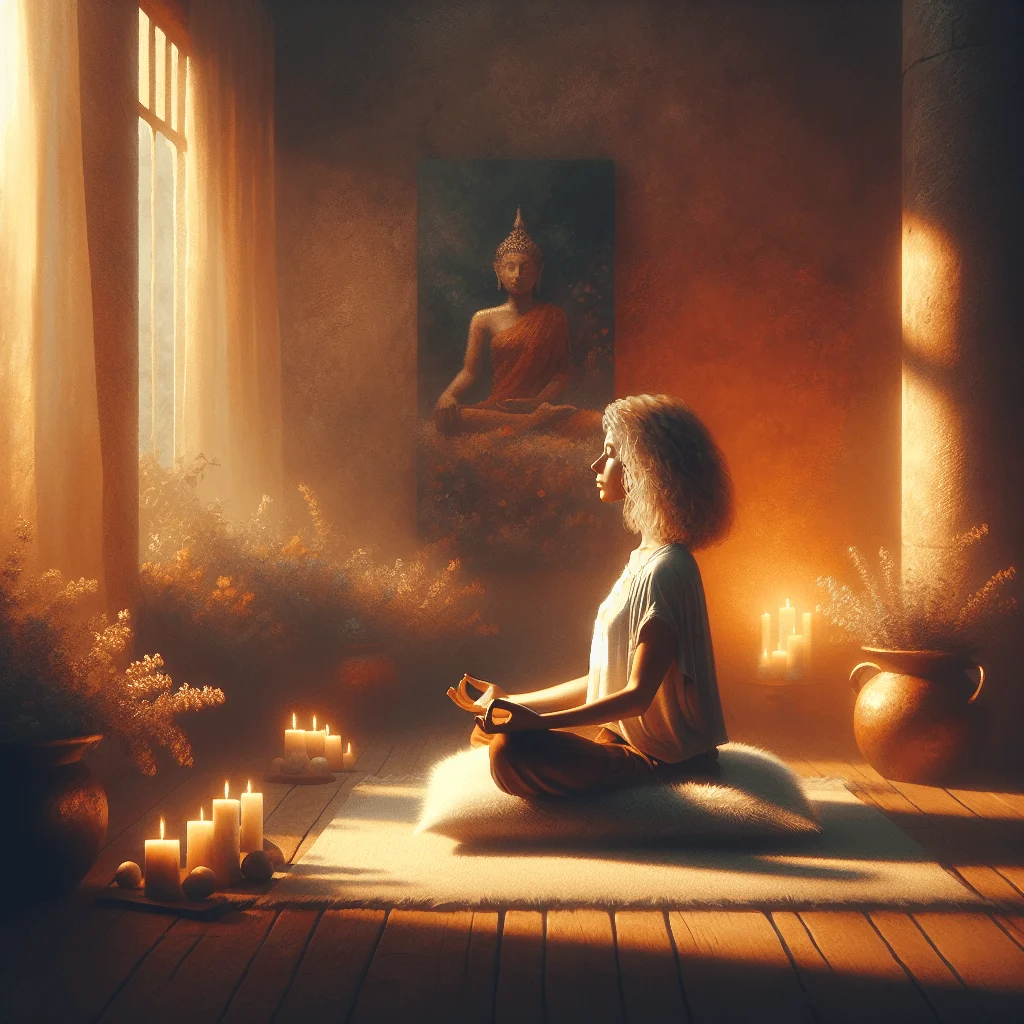
Boundaries are just as important — physical, mental, and energetic. Add elements like candles, essential oils, or calming music to deepen the harmony of your directional alignment. For example, pairing your east-facing sunrise meditations with a candle gazing ritual can enhance your focus. We’ve explored more on this in our article Benefits of Candle Gazing.

What About Outdoor Meditation?
Outdoor meditation brings another layer of dynamic energy. However, it’s still recommended to follow direction-based considerations. If you’re sitting in nature, orient yourself towards east during sunrise or north in shaded, serene areas. These directions will help enhance the sensations of stillness and connection with the earth’s rhythm.
When meditating outdoors, your awareness tends to heighten. Use this opportunity to tune into what each direction feels like to you. You may discover subtle yet powerful shifts that indoor practice may not offer.
Final Thoughts: Let Direction Guide You, Not Limit You
Ultimately, the best direction to meditate is the one that brings you closest to inner stillness and peace. Eastern and northern orientations are tried-and-true favorites for a reason, but that doesn’t mean you can’t explore. Like everything in mindfulness, flexibility and personal discovery are key.
If you’re ready to deepen your practice and infuse it with intention and energy alignment, don’t miss Manifest Your Dreams: A Practical Guide to the Law of Attraction. It complements daily meditation with focused visualization techniques based on intention, direction, and energetic flow.
For further support, explore our Mindfulness & Meditation and Spirituality & Inner Work categories for guidance in deepening your journey.
Silence the Chaos in Your Head —
in 5 Minutes Flat.
Get instant access to a free guided meditation audio that rewires your nervous system for calm, kills anxiety at the root, and resets your entire day — no experience needed.
- Instantly drop cortisol levels — feel the shift before the 5 minutes is up
- Unlock razor-sharp focus — designed for high-achievers who can't afford brain fog
- Break the anxiety loop for good — a repeatable reset, every single morning
- 100% free, zero fluff — no apps, no subscriptions, just results
You're In.
Check Your Inbox.
Your free 5-minute guided meditation is on its way.
Open the email and hit play — your first reset starts now.
Can't find it? Check spam and mark us as safe.

