
If you’re struggling with burnout and considering options for recovery, burnout recovery Thailand might be the transformative experience you need. Thailand has emerged as one of the world’s leading destinations for people seeking to recover from chronic stress, exhaustion, and professional burnout. With its unique combination of ancient healing traditions, world-class wellness facilities, and serene natural environments, Thailand offers an ideal setting for deep restoration and renewal.
However, choosing the right approach to burnout recovery requires careful consideration. In this comprehensive guide, we’ll explore why Thailand has become such a popular destination for burnout recovery, what types of programs are available, and how to make the most of your healing journey in this beautiful Southeast Asian country.
For those looking to begin their recovery journey, consider exploring The Self-Love Reset: A Journey to Rediscover Yourself, which provides foundational tools for rebuilding your relationship with yourself during the recovery process.

Understanding Burnout and Why Location Matters
Burnout is a state of emotional, physical, and mental exhaustion caused by prolonged stress, typically related to work or caregiving responsibilities. According to the World Health Organization, burnout is characterized by feelings of energy depletion, increased mental distance from one’s job, and reduced professional efficacy.
Recovery from burnout isn’t just about taking a vacation. It requires a complete reset of your nervous system, mind, and body. Because of this, the environment where you choose to recover plays a crucial role in your healing journey.
Why Geography Influences Healing
The physical environment directly impacts our ability to heal. Natural settings with abundant greenery, water features, and clean air have been scientifically proven to reduce stress hormones like cortisol. Furthermore, removing yourself from your usual environment helps break negative patterns and creates space for new perspectives.
Thailand’s tropical climate, stunning beaches, lush jungles, and mountain retreats provide the perfect backdrop for recovery. Moreover, the country’s sanuk culture—which emphasizes joy, relaxation, and taking life lightly—creates an atmosphere that naturally counteracts the intensity that leads to burnout.
Free Guided Meditation · Day 1
You Are Safe Right Now.
5 min · Breathwork & body scan · Stress release
Liked it? Get the full audio.
Enter your email and we'll send you the complete 5-minute meditation — free, straight to your inbox.
Zero spam. Unsubscribe anytime.
Check Your Inbox.
Your full 5-minute meditation is on its way. Open the email and hit play — your reset starts now.
Can't find it? Check your spam folder.
What Makes Burnout Recovery Thailand Special
While many countries offer wellness retreats, Thailand stands out for several compelling reasons. The combination of affordability, expertise, and holistic approaches makes it particularly attractive for those seeking comprehensive recovery.
Ancient Healing Traditions
Thailand has a rich heritage of healing practices dating back thousands of years. Traditional Thai medicine incorporates herbal remedies, energy work, and massage techniques specifically designed to restore balance to the body and mind. In addition, Buddhist meditation practices that originated in the region offer profound tools for mental and emotional healing.
These ancient traditions view health holistically, addressing not just symptoms but underlying imbalances. As a result, Thai healing approaches are particularly effective for burnout, which typically involves multiple interconnected issues affecting body, mind, and spirit.
Professional Expertise and International Standards
Thailand’s wellness industry has matured significantly over the past two decades. Many facilities now combine traditional Thai healing with evidence-based Western approaches, creating comprehensive programs supervised by qualified healthcare professionals. Consequently, visitors can access both ancient wisdom and modern therapeutic techniques in one location.
For those interested in understanding more about burnout recovery clinics and what they offer, this resource provides valuable insights into professional treatment options.
Exceptional Value for Money
Compared to similar programs in Western countries, burnout recovery programs in Thailand typically cost 30-60% less. This affordability allows people to stay longer and access more comprehensive treatment without financial stress—which itself can hinder recovery. Furthermore, the lower cost doesn’t mean lower quality; many Thai wellness centers rival or exceed international standards.
Types of Burnout Recovery Programs Available in Thailand
Thailand offers diverse approaches to burnout recovery, allowing you to choose a program that aligns with your needs, preferences, and recovery goals. Understanding the different options helps you make an informed decision about which approach will serve you best.
Luxury Wellness Resorts
High-end wellness resorts provide comprehensive burnout recovery programs in beautiful settings with exceptional amenities. These facilities typically offer:
- Personalized health assessments and recovery plans
- Daily spa treatments and therapeutic massages
- Nutritional counseling and organic cuisine
- Fitness activities including yoga, tai chi, and personal training
- Mental health support through counseling and therapy sessions
- Meditation and mindfulness training
Because these resorts provide everything in one location, they’re ideal for those who want a structured, all-inclusive recovery experience without having to make daily decisions about their schedule.
Traditional Thai Healing Centers
For those seeking a more authentic, culturally-rooted experience, traditional healing centers focus primarily on Thai medicine and Buddhist practices. These programs emphasize:
- Daily meditation practice and Dhamma teachings
- Traditional Thai massage and herbal treatments
- Simple, mindful living in natural settings
- Silent retreats and contemplative practices
- Community support and shared healing experiences
While these centers may have fewer luxury amenities, they often provide deeper spiritual and psychological healing. Additionally, they’re typically more affordable than resort-based programs.
Medical Wellness Clinics
Some facilities approach burnout recovery from a more clinical perspective, offering medically-supervised programs that include:
- Comprehensive health screenings and diagnostics
- Functional medicine approaches to address underlying issues
- Psychological assessment and therapy
- Detoxification programs
- Hormone balancing and nutritional therapy
- Sleep optimization protocols
These clinics are particularly beneficial if your burnout has led to physical health issues or if you prefer a more science-based approach to recovery.
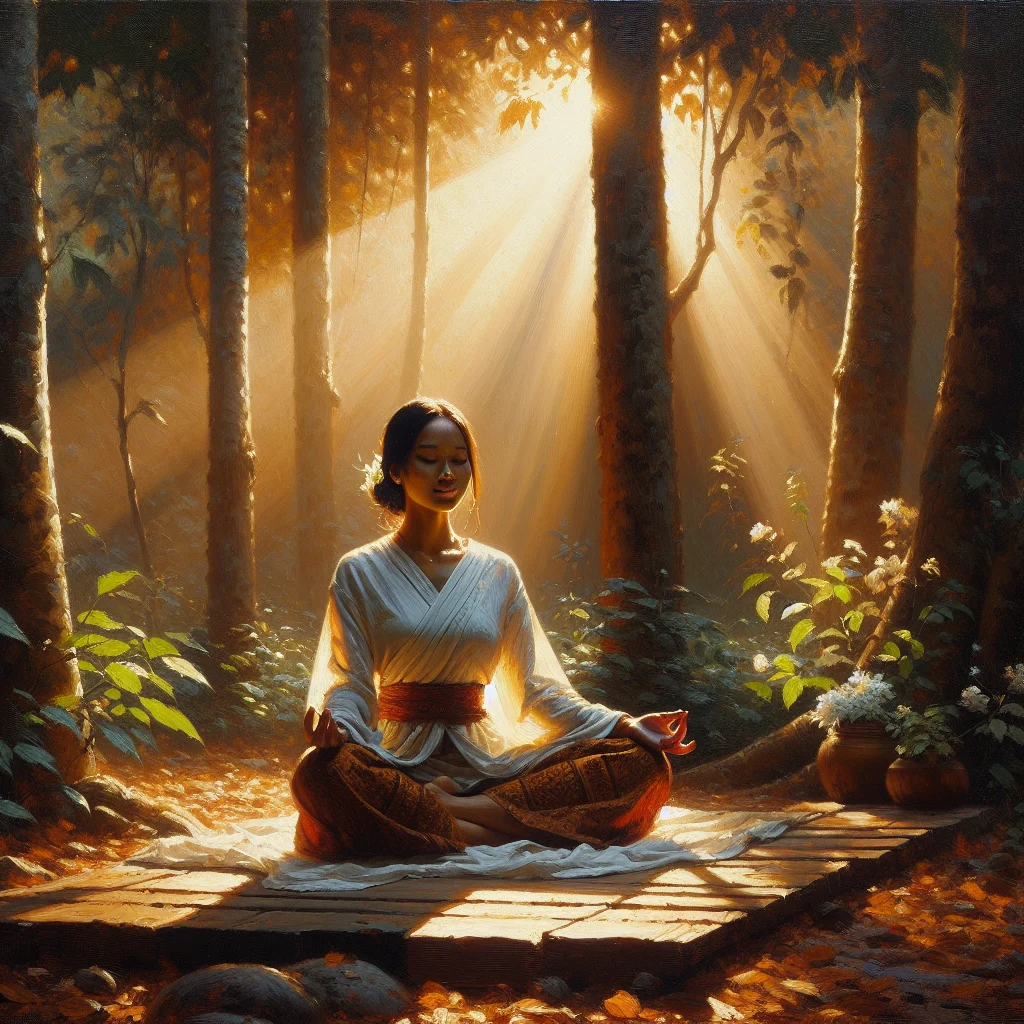
Yoga and Meditation Retreats
Specialized retreats focusing on mindfulness practices offer structured programs built around:
- Daily yoga sessions tailored to different skill levels
- Vipassana or other meditation techniques
- Breathwork and pranayama practices
- Philosophy classes and spiritual teachings
- Nature immersion and eco-therapy
These retreats work particularly well for those whose burnout stems primarily from mental and emotional exhaustion rather than physical health issues. To complement your practice, Everyday Calm: A Beginner’s Guide to Daily Meditation offers practical tools you can use during and after your retreat.
Key Components of Effective Burnout Recovery in Thailand
Regardless of which type of program you choose, effective burnout recovery should address multiple dimensions of your wellbeing. Understanding these components helps you evaluate different programs and ensure you’re getting comprehensive support.
Physical Restoration
Burnout takes a significant toll on your body. Therefore, physical restoration forms the foundation of any effective recovery program. In Thailand, this typically includes:
Sleep optimization: Many burnout sufferers struggle with sleep issues. Quality programs address this through sleep hygiene education, creating optimal sleeping environments, and sometimes using natural sleep aids from Thai traditional medicine.
Nutritional healing: Thai cuisine naturally emphasizes fresh vegetables, herbs, and balanced meals. Wellness programs build on this foundation with anti-inflammatory diets, detoxification protocols, and education about sustainable eating habits.
Movement and exercise: Gentle physical activity helps restore energy without overtaxing exhausted systems. Programs typically start with restorative practices like yoga or tai chi before gradually increasing intensity based on individual capacity.
Mental and Emotional Healing
The psychological dimensions of burnout require dedicated attention. Effective programs incorporate:
Professional counseling: Working with therapists helps you process the experiences that led to burnout, identify patterns, and develop healthier coping strategies. Many Thailand-based programs employ both local and international therapists with diverse specializations.
Mindfulness training: Learning to observe your thoughts without judgment creates distance from negative thinking patterns. Thailand’s Buddhist heritage makes it an ideal place to learn authentic mindfulness techniques from experienced teachers.
Stress management skills: Programs should teach practical tools you can use after leaving, such as breathing techniques, progressive relaxation, and cognitive strategies for managing stress triggers.
For additional perspectives on recovery, exploring burnout recovery tips from Reddit communities can provide peer support and practical advice from others who’ve been through similar experiences.
Spiritual Reconnection
While not everyone approaches burnout recovery from a spiritual perspective, many find that reconnecting with deeper meaning and purpose provides crucial support for lasting change. Thailand’s spiritual traditions offer valuable resources for this dimension of healing.
Buddhist philosophy: Teachings about impermanence, acceptance, and compassion provide frameworks for understanding suffering and finding peace. However, you don’t need to be Buddhist to benefit from these wisdom teachings.
Nature connection: Spending time in Thailand’s beautiful natural environments—beaches, jungles, mountains—helps many people reconnect with something larger than themselves and gain perspective on their problems.
Meaning and purpose work: Quality programs help you explore questions about what truly matters to you and how to align your life with your deepest values moving forward.
Choosing the Right Burnout Recovery Program in Thailand
With so many options available, selecting the right program requires careful consideration of several factors. Taking time to match a program to your specific needs significantly increases the likelihood of successful recovery.
Assessing Your Needs
Before researching specific programs, honestly evaluate where you are and what you need. Consider:
- Severity of burnout: Are you at the beginning stages of burnout, or are you completely exhausted? More severe cases may require longer, more intensive programs with medical supervision.
- Physical health status: Do you have health issues related to your burnout? If so, programs with medical oversight may be more appropriate.
- Preferred healing approach: Do you gravitate toward scientific, traditional, spiritual, or integrated approaches? Your preferences matter for engagement and healing.
- Time and budget: How long can you dedicate to recovery, and what’s your budget? Being realistic about these constraints helps you find suitable options.
Key Questions to Ask Programs
When evaluating specific burnout recovery programs in Thailand, asking the right questions helps you make informed decisions:
- What qualifications do your staff members have?
- What does a typical day look like in your program?
- How do you customize programs for individual needs?
- What is your approach to mental health support?
- Do you provide follow-up support after the program ends?
- What is your safety protocol for guests experiencing severe symptoms?
- Can you provide references from past participants?
Programs that respond thoroughly and transparently to these questions demonstrate professionalism and commitment to client wellbeing.
Location Considerations Within Thailand
Thailand offers diverse environments, each with unique benefits for burnout recovery:
Chiang Mai and Northern Thailand: Mountain settings, cooler climate, and strong Buddhist culture. Ideal for those seeking spiritual healing and meditation-focused programs.
Koh Samui and Gulf Islands: Beach settings with more luxury resort options. Perfect for those who find ocean environments healing and want high-end amenities.
Phuket and Andaman Coast: Combination of beaches and hills with many international-standard facilities. Good for those seeking both luxury and accessibility.
Pai and Rural Areas: Remote, quiet locations with minimal distractions. Best for those wanting complete escape from normal life and deep immersion in healing.
What to Expect During Your Recovery Journey
Understanding the typical progression of burnout recovery helps you set realistic expectations and stay committed when challenges arise. While everyone’s journey is unique, certain patterns are common.
The First Week: Decompression
Initially, you may feel worse before you feel better. Years of accumulated stress often surface once you stop pushing through it. During this phase:
You might experience heightened emotions as suppressed feelings emerge. This is normal and actually indicates that healing is beginning. Moreover, extreme fatigue is common as your body finally allows itself to rest. Some people sleep 10-12 hours per day initially.
Resistance to the program structure may also arise. Your mind, accustomed to constant activity, might rebel against slower rhythms. Consequently, patience with yourself during this adjustment period is essential.
Weeks Two to Four: Deep Healing
As your nervous system begins to regulate, deeper healing becomes possible. During this phase:
Energy levels typically start to improve, though fluctuations are normal. You’ll likely begin engaging more actively with program activities and finding enjoyment in practices that initially felt challenging. Furthermore, clarity about what led to your burnout and what changes you need to make often emerges.
This period is also when the benefits of practices like meditation and yoga become more apparent. Consequently, commitment to these practices typically strengthens as you experience their effects firsthand.
Beyond One Month: Integration and Planning
If you’re fortunate enough to participate in a longer program, the later weeks focus on integration:
You’ll work on translating insights into concrete plans for your return home. Developing sustainable daily practices that fit your real-life schedule becomes a priority. Additionally, addressing questions about potential life changes—career shifts, relationship adjustments, lifestyle modifications—comes to the forefront.
Quality programs provide tools and support for this transition phase, recognizing that returning home presents its own challenges. For ongoing support with recovery, exploring resources about whether burnout symptoms can come and go helps you understand that recovery isn’t always linear.
Complementary Practices for Burnout Recovery in Thailand
Beyond structured program activities, Thailand offers numerous complementary practices that support burnout recovery. Taking advantage of these opportunities enhances your healing experience.
Thai Massage and Bodywork
Traditional Thai massage differs significantly from Swedish or other Western massage styles. It incorporates stretching, acupressure, and energy work, addressing both physical tension and energetic blockages. Regular sessions can significantly support nervous system regulation and stress release.
Other beneficial bodywork available in Thailand includes:
- Tok Sen (therapeutic hammering along energy lines)
- Thai herbal compress massage
- Abdominal massage (Chi Nei Tsang)
- Reiki and energy healing
Connection with Nature
Thailand’s natural beauty provides abundant opportunities for eco-therapy. Research consistently shows that time in nature reduces stress hormones and improves mental health. While in Thailand, consider:
- Morning walks on the beach or through jungle trails
- Swimming in the ocean or natural pools
- Observing sunrises and sunsets mindfully
- Sitting meditation in natural settings
- Gardening or participating in organic farming activities
These simple practices, done regularly, significantly support recovery without requiring structured programs or specialized skills.
Cultural Immersion and Learning
Engaging with Thai culture provides fresh perspectives that can shift burnout-inducing mindsets. Opportunities include:
Cooking classes: Learning to prepare healthy Thai dishes gives you practical skills to continue healthier eating at home. Additionally, the meditative quality of cooking can be therapeutic in itself.
Language learning: Even basic Thai language study exercises your brain in new ways and demonstrates the value of beginner’s mind—being okay with not knowing and making mistakes.
Temple visits: Thailand’s beautiful temples offer quiet spaces for reflection. However, approaching these spaces respectfully and learning about their significance enriches the experience.
Maintaining Recovery After Returning Home
Perhaps the greatest challenge of burnout recovery in Thailand is maintaining progress after returning to the environment that contributed to burnout in the first place. Therefore, successful programs address this transition explicitly.
Creating a Sustainable Daily Practice
During your program, work on designing a realistic daily routine that incorporates healing practices you’ve learned. This might include:
- Morning routine: 15-30 minutes of meditation, stretching, or journaling
- Midday reset: Short breathing exercises or a brief walk during lunch
- Evening wind-down: Gentle yoga, reading, or gratitude practice before bed
Start small and build gradually. Moreover, consistency matters more than duration—five minutes daily beats an hour once a week.
Boundary Setting and Lifestyle Changes
Recovery often requires difficult conversations and decisions about work, relationships, and commitments. Before returning home, consider:
What boundaries need to be established or strengthened? Which activities or relationships drain your energy without adequate return? What aspects of your pre-burnout life need to change for recovery to last?
Having clarity on these questions and, ideally, a plan for addressing them makes the transition home less overwhelming. Furthermore, sharing your plans with trusted friends or family creates accountability.
For continued guidance on maintaining mental health and wellbeing, exploring ongoing resources helps sustain the progress you’ve made.
Ongoing Support Systems
Recovery is rarely a solo journey. Establishing support systems before leaving Thailand helps you maintain momentum:
- Therapy: Continue working with a therapist, either the same one remotely or a new local practitioner
- Support groups: Connect with others recovering from burnout through online or in-person groups
- Wellness communities: Join yoga studios, meditation centers, or other wellness communities in your area
- Accountability partners: Find someone committed to similar practices with whom you can check in regularly
Additionally, resources like podcasts focused on burnout recovery provide ongoing inspiration and education.
Cost Considerations and Planning Your Investment
Understanding the financial aspects of burnout recovery in Thailand helps you plan appropriately and make the most of your investment in yourself.
Program Costs
Burnout recovery programs in Thailand typically range from:
- Budget options: $500-$1,500 per week (basic accommodations, traditional healing centers)
- Mid-range programs: $1,500-$3,000 per week (comfortable accommodations, comprehensive services)
- Luxury retreats: $3,000-$6,000+ per week (high-end accommodations, extensive amenities)
These costs usually include accommodation, meals, and core program activities. However, additional treatments, excursions, or specialized therapies often cost extra.
Additional Expenses
Beyond program fees, budget for:
- International airfare: $500-$1,500 depending on your origin
- Travel insurance with medical coverage: $50-$150 for a month
- Visa costs if staying longer than 30 days: varies by nationality
- Personal expenses and additional treatments: $300-$1,000+
- Transportation within Thailand: $100-$300
Is It Worth the Investment?
While burnout recovery in Thailand represents a significant financial commitment, consider the costs of not addressing burnout:
Untreated burnout often leads to serious health problems requiring expensive medical treatment. Career impacts from reduced productivity or job loss can be substantial. Meanwhile, relationship damage from burnout’s effects on mood and availability has immeasurable costs.
Viewed in this context, investing in comprehensive recovery—particularly in an affordable, effective location like Thailand—often makes economic sense beyond its health benefits.
Success Stories and What They Teach Us
While individual results vary, understanding common patterns in successful burnout recovery in Thailand provides valuable insights.
Common Themes in Successful Recovery
People who achieve lasting recovery typically share certain characteristics:
Commitment to the process: They approach recovery as important work requiring full engagement, not as a passive vacation. Additionally, they remain open to trying new practices even when initially skeptical.
Willingness to make changes: Successful recoverers recognize that healing requires lifestyle modifications, not just temporary relief. Therefore, they use their time in Thailand to identify and plan necessary changes.
Patience with the timeline: Recovery doesn’t happen on a schedule. Those who succeed accept setbacks and fluctuations as normal parts of the healing journey.
Lessons from Those Who’ve Walked This Path
Common advice from people who’ve recovered from burnout in Thailand includes:
- “Don’t rush—give yourself more time than you think you need”
- “Find a program that feels right intuitively, not just logically”
- “Let yourself cry, rage, or feel whatever comes up without judgment”
- “Connect with other participants—shared experiences are powerful”
- “Start planning your return transition from the beginning”
These insights remind us that recovery is both deeply personal and universally human. For more perspectives, reading about emotional healing from trauma offers additional understanding of the healing process.
Final Thoughts: Taking the First Step
Choosing burnout recovery in Thailand represents a significant decision—one that requires courage, resources, and commitment. However, for many people, it proves to be a life-changing investment that not only helps them recover but transforms their entire approach to life and work.
Thailand’s unique combination of healing traditions, natural beauty, professional expertise, and affordability creates an environment where deep recovery becomes possible. Whether you choose a luxury resort, traditional healing center, or specialized retreat, the key lies in finding a program that resonates with your needs and fully committing to the process.
Remember that seeking help for burnout isn’t a sign of weakness—it’s an act of wisdom and self-compassion. By acknowledging your need for recovery and taking steps to address it, you’re breaking the cycle that leads to chronic exhaustion and creating space for a healthier, more sustainable way of living.
As you begin researching specific programs and planning your recovery journey, trust your intuition about what feels right for you. Moreover, give yourself permission to prioritize your wellbeing, even when other voices suggest you should just “push through” or that taking time for recovery is selfish.
Your recovery matters—not just for your own wellbeing, but for everyone who depends on you being your best self. Thailand offers a beautiful, supportive environment for this crucial work, and countless people have found their way back to health and wholeness there.
To support your ongoing journey toward balance and peace, Manifest Your Dreams: A Practical Guide to the Law of Attraction offers tools for creating the life you envision after recovery. Additionally, exploring resources on holistic living provides ongoing inspiration for sustainable wellness practices.
The path to recovery begins with a single step. If burnout recovery in Thailand feels like the right choice for you, start researching programs, reaching out with questions, and envisioning your healing journey. Your future self will thank you for having the courage to prioritize your recovery today.
Silence the Chaos in Your Head —
in 5 Minutes Flat.
Get instant access to a free guided meditation audio that rewires your nervous system for calm, kills anxiety at the root, and resets your entire day — no experience needed.
- Instantly drop cortisol levels — feel the shift before the 5 minutes is up
- Unlock razor-sharp focus — designed for high-achievers who can't afford brain fog
- Break the anxiety loop for good — a repeatable reset, every single morning
- 100% free, zero fluff — no apps, no subscriptions, just results
You're In.
Check Your Inbox.
Your free 5-minute guided meditation is on its way.
Open the email and hit play — your first reset starts now.
Can't find it? Check spam and mark us as safe.

