
Why a Center for Inner Peace Matters More Than Ever
In today’s fast-paced world, the idea of a center for inner peace has transitioned from a luxury to a necessity. Many of us are juggling mounting responsibilities, coping with digital overload, and struggling with emotional burnout. That’s why creating or finding a sanctuary—be it a physical space or a mindful practice—where you can reconnect with your inner self is so essential for meaningful living.
If you’re ready to take the first step toward a more grounded and present life, check out our beginner-friendly guide Everyday Calm: A Beginner’s Guide to Daily Meditation.
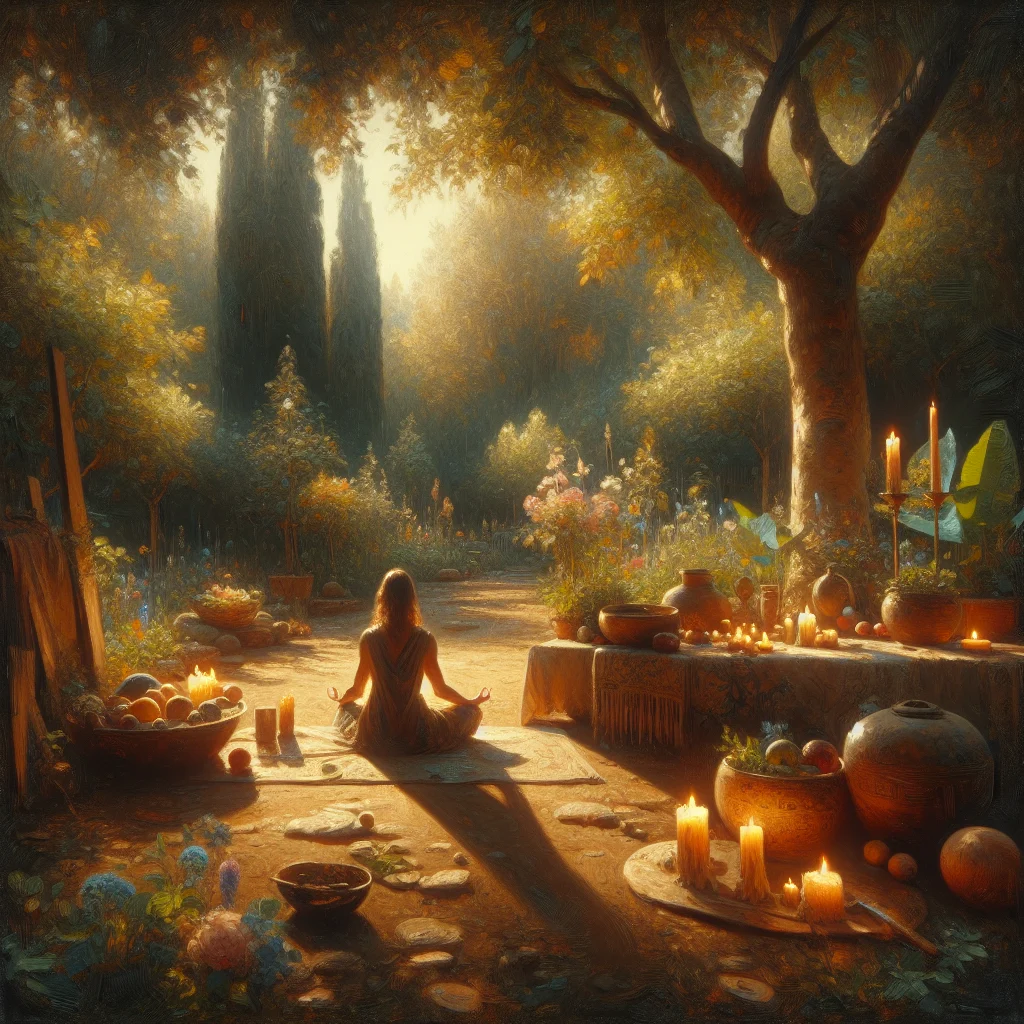
What Is a Center for Inner Peace?
A center for inner peace doesn’t have to be a brick-and-mortar wellness retreat, although those are certainly valuable. It can also be a mindset, a home practice, or even a virtual space tailored to guide you through meditation, reflection, and spiritual growth. In essence, it’s any environment—external or internal—that invites you to pause, listen, breathe, and just be.
Some people find peace in nature, others create altars in their bedrooms, and some attend retreat centers or join online communities. What they all share is a commitment to tuning inwards and cultivating a calm inner landscape. For many, this becomes the foundation of true happiness and clarity.
The Transformational Benefits
When you regularly return to your own center of peace, remarkable shifts start to happen. You’re no longer ruled by constant notifications, anxious thoughts, or external comparisons. Instead, you begin to:
- Handle stress more gracefully
- Connect more authentically with others
- Make decisions aligned with your values
- Feel a deeper sense of meaning and purpose
This practice is aligned with the principles explored in our article What Are the 7 Spiritual Needs?, which highlights key human experiences necessary for soulful wellbeing.
How to Begin Creating Your Own Inner Peace Space
Establishing your own center for inner peace can be both fulfilling and straightforward. You don’t need expensive gadgets or elaborate routines. Here’s how you can get started:
1. Choose a Dedicated Space
Find a place that can be reserved—physically or metaphorically—as your peace zone. This could be a corner of your bedroom with calming visuals and a comfy chair, a spot in your garden, or simply a specific corner where you practice mindfulness. What matters is that it feels safe, undisturbed, and inviting.
2. Set the Atmosphere
Use elements that encourage relaxation—soft lighting, calming music, aromatherapy, or spiritual tools like crystals or prayer beads. Speaking of crystals, they can be quite powerful in cultivating a peaceful energy field. You may explore related practices in Crystals for Inner Peace.
3. Develop a Simple Routine
Consistency is key. Maybe it’s five minutes of breathing in the morning, 10 minutes of journaling at night, or a quick body scan meditation during lunch breaks. It doesn’t have to take hours. In fact, it’s often more sustainable when it doesn’t. Apps, timers, and guided meditations can serve as helpful tools to maintain regularity.
Techniques to Deepen Your Inner Peace
There are many pathways to accessing deeper peace within. Which one resonates most with you might depend on your personality, lifestyle, or even spiritual orientation. Here’s a look at some effective practices:
Mindfulness Meditation
This involves focusing on your breath, sensations, or thoughts without judgment. Over time, it rewires your brain to be more present and less reactive. Mindfulness even has scientific backing for its effectiveness; the National Center for Complementary and Integrative Health recognizes its role in stress and anxiety reduction.
Gratitude Practice
Gratitude shifts your focus from lack to abundance. A daily gratitude journal where you note 3–5 things you’re thankful for can subtly but powerfully change the narrative of your day.
Affirmations and Positive Thinking
Positive language shapes perception and emotion. Tailoring affirmations that align with your core needs is an underrated but potent habit. You’ll find lots of helpful tools in the Affirmations & Positive Thinking category that can give you a great starting point.
Spiritual Reflection
Whether through prayer, journaling, or contemplative reading, spiritual reflection helps reconnect with the part of yourself that is eternal and whole. See our exploration of Prayer for Self-Love and Healing for a gentle introduction to blending faith and self-work.
Common Challenges—and How to Overcome Them
Although the idea of peace is inviting, the path isn’t always smooth. Here are a few bumps that might come up and how to address them:
“I Don’t Have Time”
If you’re too busy for peace, you’re probably the person who needs it the most. Start small. Even 60 seconds of deep breathing can trigger your parasympathetic nervous system, reducing stress hormones and improving clarity.
“I Keep Getting Distracted”
This is completely normal, especially at the beginning. Consider guided meditations or calming music to support focus. Over time, your attention span will improve naturally. And remember, the goal isn’t perfection—it’s practice.
“I Feel Overwhelmed”
When you slow down, emotions you’ve been avoiding might rise. While this can be uncomfortable, it’s also healing. Sit with it gently. Support from communities, coaches, or therapists can also help process emotions in a healthy way.
Making Inner Peace a Way of Life
The ultimate aim is not to have a perfect meditation space, but to bring the feeling of inner peace into everyday life—even during chaos. A true center for inner peace is the one you carry within, wherever you go.
Eventually, you’ll notice that certain actions, people, or thoughts either enhance or disrupt your peace. That awareness is your compass, guiding you toward a life that feels not just productive, but fulfilling.

If you’re ready to dive deeper into realigning with your core self and shedding layers of emotional baggage, explore The Self-Love Reset: A Journey to Rediscover Yourself.
Explore Further
Looking to deepen your spiritual journey? Articles like How to Spiritually Awaken and What Causes Spiritual Awakening? can help illuminate the deeper layers of your transformation.
Also, browse the Spirituality & Inner Work and Holistic Living categories of our blog for more tools, reflections, and guidance.

