
When you’re navigating the choppy waters of hormonal changes, finding relief can feel like searching for a lighthouse in the fog. Chakra meditation for hormonal health offers a natural, gentle approach to restoring balance during life’s transitions. Whether you’re experiencing perimenopause, menopause, or any hormonal shift, working with your body’s energy centers can bring surprising relief.
The connection between our chakras and hormonal balance isn’t just spiritual folklore—it’s a holistic approach that thousands of women have used to ease uncomfortable symptoms. In this comprehensive guide, we’ll explore how chakra meditation can support your hormonal health and provide practical techniques you can start using today.
Understanding the Chakra-Hormone Connection
Before diving into meditation techniques, it’s helpful to understand how chakras relate to your endocrine system. According to ancient yogic traditions and modern energy healing practices, our seven main chakras correspond closely with hormone-producing glands throughout the body.
The endocrine system and chakras work in tandem. For example, the sacral chakra relates to reproductive organs and sex hormones, while the throat chakra connects with thyroid function. When energy flows freely through these centers, hormonal balance becomes more achievable. However, blockages or imbalances in these energy centers can manifest as physical symptoms.
Although Western medicine and Eastern philosophy approach the body differently, many practitioners now recognize the value of integrative approaches. A study published by the National Institutes of Health has shown that meditation practices can influence hormone levels, stress responses, and overall wellbeing.
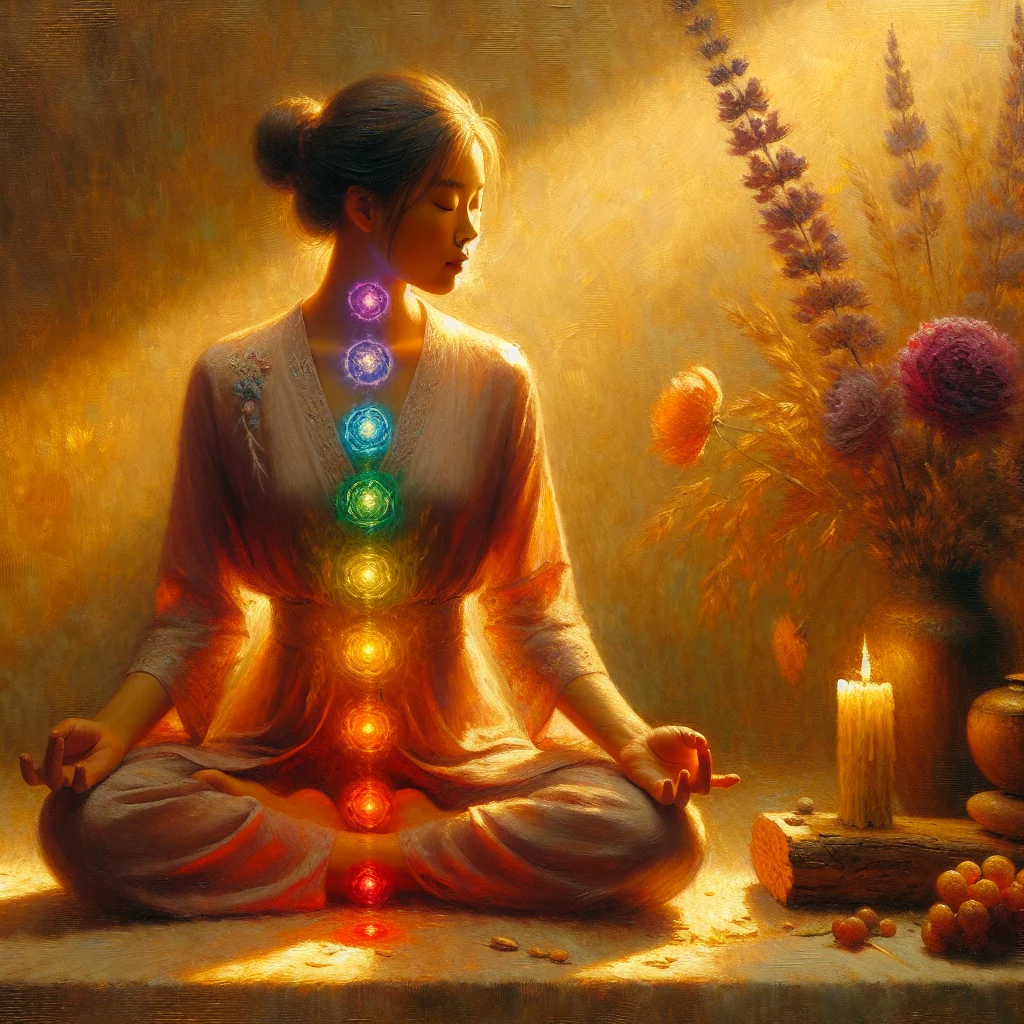
Which Chakras Affect Hormonal Balance Most?
While all seven chakras contribute to overall health, three are particularly influential for hormonal balance. The root chakra (Muladhara) supports adrenal function and stress response. Located at the base of the spine, this energy center influences cortisol production and our survival instincts.
The sacral chakra (Svadhisthana) governs reproductive hormones including estrogen, progesterone, and testosterone. This orange-colored energy center, positioned just below the navel, becomes especially important during hormonal transitions like menopause and perimenopause.
Free Guided Meditation · Day 1
You Are Safe Right Now.
5 min · Breathwork & body scan · Stress release
Liked it? Get the full audio.
Enter your email and we'll send you the complete 5-minute meditation — free, straight to your inbox.
Zero spam. Unsubscribe anytime.
Check Your Inbox.
Your full 5-minute meditation is on its way. Open the email and hit play — your reset starts now.
Can't find it? Check your spam folder.
Finally, the third eye chakra (Ajna) connects with the pituitary gland—your body’s master hormone regulator. By balancing this chakra through meditation, you’re essentially supporting the conductor of your entire hormonal orchestra.
Common Hormonal Symptoms That Chakra Meditation Can Address
Women experiencing hormonal fluctuations often face a constellation of challenging symptoms. Hot flashes, night sweats, mood swings, and sleep disturbances can disrupt daily life significantly. In addition, brain fog, fatigue, and anxiety frequently accompany these physical changes.
Chakra meditation addresses these symptoms from multiple angles. Rather than simply masking discomfort, this practice works to restore energetic balance, which can then support physical healing. Many women report noticeable improvements after consistent practice.
For instance, balancing the sacral chakra may help regulate temperature fluctuations and reduce the intensity of hot flashes. Meanwhile, working with the heart chakra can ease emotional turbulence and mood swings. The throat chakra, when balanced, often helps women find their voice during this transformative life stage.
The Mind-Body Bridge
Perhaps the most powerful aspect of chakra meditation for hormonal health is its ability to calm the nervous system. Because stress hormones like cortisol can exacerbate menopausal symptoms, reducing stress becomes crucial. Through regular meditation practice, you activate your parasympathetic nervous system—the “rest and digest” mode.
This physiological shift creates a cascade of positive effects. Blood pressure may decrease, inflammation reduces, and sleep quality often improves. As a result, your body can focus energy on rebalancing hormones rather than constantly responding to perceived threats.
How to Practice Chakra Meditation for Hormonal Health
Starting a chakra meditation practice doesn’t require expensive equipment or years of experience. With just a quiet space and 10-15 minutes daily, you can begin experiencing benefits. Let’s explore several effective techniques specifically designed for hormonal balance.
Basic Chakra Scanning Meditation
This foundational practice helps you become aware of your energy centers and identify areas needing attention. Similar to body scan meditation, this technique moves through each chakra systematically.
Here’s how to begin:
- Find a comfortable seated position, either in a chair or cross-legged on a cushion
- Close your eyes and take three deep, cleansing breaths
- Bring awareness to the base of your spine (root chakra) and visualize a red spinning wheel of energy
- Notice any sensations, emotions, or thoughts that arise without judgment
- Move upward through each chakra—sacral (orange), solar plexus (yellow), heart (green), throat (blue), third eye (indigo), and crown (violet)
- Spend 1-2 minutes with each energy center, observing and breathing
- Finish by imagining all chakras glowing brightly and spinning in harmony
This simple practice creates awareness and sets the foundation for deeper work. Moreover, it helps you identify which chakras feel blocked or overactive, guiding your future meditation focus.
Hormone-Balancing Chakra Breathing
Breathwork combined with chakra focus creates powerful shifts in your energy system. This technique specifically targets the sacral and third eye chakras—the two most directly connected to hormonal regulation.
Begin by placing one hand on your lower abdomen (sacral chakra area) and the other on your forehead (third eye). As you inhale slowly through your nose, visualize orange healing light filling your sacral chakra. Hold the breath briefly, then exhale while imagining indigo light illuminating your third eye.
Continue this pattern for 5-10 minutes. With each breath cycle, imagine these two energy centers communicating and balancing each other. The sacral chakra sends information about your body’s needs upward, while the third eye (connected to the pituitary gland) sends regulatory signals downward.
Advanced Chakra Meditation Techniques
Once you’re comfortable with basic practices, these advanced techniques can deepen your hormonal healing journey. They incorporate sound, visualization, and affirmations to create multi-layered healing experiences.
Bija Mantra Meditation for Hormonal Balance
Each chakra has an associated bija (seed) mantra—a sacred sound that activates and balances that energy center. Chanting these mantras creates vibrations that can influence both energetic and physical systems. According to traditional practices, sound frequencies directly affect consciousness and physiology.
For hormonal health, focus particularly on these mantras:
- VAM – Sacral chakra mantra for reproductive hormone balance
- YAM – Heart chakra mantra for emotional equilibrium during transitions
- OM – Third eye and crown chakra mantra for master gland regulation
Chant each mantra 108 times (use a mala bead necklace to count) while visualizing the corresponding chakra glowing with its associated color. This practice combines auditory, visual, and kinesthetic elements for comprehensive healing.
Chakra Visualization with Crystal Energy
Although you don’t need physical crystals for this meditation, incorporating them can enhance your practice. Certain stones resonate with specific chakras and hormonal functions. For instance, carnelian supports sacral chakra health, while moonstone traditionally aids women’s hormonal cycles.
During meditation, either hold appropriate crystals or simply visualize them. Imagine their energy amplifying and clarifying your chakras’ natural vibrations. This visualization meditation technique can be particularly powerful for women experiencing menopausal symptoms.
Creating a Daily Chakra Meditation Routine
Consistency matters more than duration when establishing a meditation practice. Even five minutes daily produces better results than sporadic longer sessions. Therefore, finding a sustainable routine becomes essential for experiencing lasting hormonal benefits.
Consider these tips for building your practice:
- Choose the same time each day, preferably morning or evening when your home is quiet
- Create a dedicated meditation space with comfortable seating and minimal distractions
- Start with just 5-10 minutes and gradually extend as the practice becomes habitual
- Track your symptoms and meditation consistency to notice patterns and improvements
- Be patient with yourself—hormonal balance takes time to restore
Many women find that combining daily meditation practice during perimenopause with other healthy lifestyle choices accelerates their healing. Proper nutrition, regular movement, and adequate sleep all support both chakra balance and hormonal health.
Pairing Chakra Meditation with Other Practices
Chakra meditation works beautifully alongside other contemplative practices. For example, you might begin with gentle yoga postures to open specific chakras, then transition into seated meditation. Alternatively, combining walking meditation with chakra awareness brings practice into daily activities.
Some women prefer guided meditation recordings that lead them through chakra balancing sequences. These can be especially helpful when you’re new to the practice or feeling particularly scattered. However, eventually developing your own self-guided practice empowers deeper connection with your inner wisdom.

Scientific Perspectives on Meditation and Hormones
While chakra theory originates from ancient spiritual traditions, modern research increasingly validates meditation’s effects on hormonal health. Studies have demonstrated that regular meditation practice can influence cortisol levels, melatonin production, and even reproductive hormones.
A groundbreaking study in the Journal of Clinical Endocrinology & Metabolism found that women who practiced meditation experienced more balanced hormone levels during menopause. Furthermore, researchers at Massachusetts General Hospital discovered that meditation practices activate genes involved in immune function and reduce inflammation.
The stress-hormone connection cannot be overstated. Chronic stress elevates cortisol, which then disrupts the delicate balance of sex hormones like estrogen and progesterone. By reducing stress through meditation, you create conditions for natural hormonal equilibrium to return.
The Autonomic Nervous System Bridge
Meditation practices, including chakra-focused techniques, directly influence your autonomic nervous system. When you activate the parasympathetic branch through deep breathing and focused attention, your body receives signals that it’s safe to heal and rebalance.
This physiological shift affects the hypothalamic-pituitary-adrenal (HPA) axis—the central regulator of stress responses and hormone production. As a result, meditation becomes a bridge between mind and body, intention and physiological change.
Troubleshooting Common Challenges
Beginning a chakra meditation practice isn’t always smooth sailing. Many women encounter obstacles, especially when hormonal fluctuations already make concentration difficult. However, understanding common challenges helps you navigate them successfully.
When Your Mind Won’t Quiet
Perhaps the most frequent complaint is racing thoughts during meditation. This becomes especially pronounced during hormonal transitions when anxiety and mental restlessness increase. Remember that meditation isn’t about stopping thoughts—it’s about changing your relationship with them.
When thoughts arise, simply notice them without judgment and gently return focus to your chakra visualization or breath. Each time you redirect attention, you’re strengthening your meditation “muscle.” In fact, these moments of noticing and returning are the practice itself.
If mental chatter becomes overwhelming, try incorporating mindfulness techniques that acknowledge thoughts rather than resisting them. You might mentally label thoughts as “planning,” “worrying,” or “remembering” before releasing them.
Physical Discomfort During Practice
Hot flashes, joint pain, and restlessness can make sitting still challenging. Rather than viewing these as obstacles, consider them opportunities to practice acceptance and self-compassion. If a hot flash arises during meditation, observe the sensation with curiosity rather than frustration.
Adjust your practice environment to support comfort. Keep water nearby, dress in layers, and don’t hesitate to use props like cushions or chairs. Some women find that practicing Zen meditation techniques for shorter periods works better than extended sessions.
Integrating Chakra Meditation with Lifestyle Changes
Meditation works best as part of a holistic approach to hormonal health. While chakra practices can produce significant benefits alone, combining them with supportive lifestyle choices amplifies results. Think of meditation as the foundation upon which other healthy habits build.
Nutrition plays a crucial role in both chakra health and hormonal balance. Foods rich in healthy fats support hormone production, while colorful vegetables provide antioxidants that reduce inflammation. Interestingly, eating foods matching chakra colors (orange foods for sacral chakra, leafy greens for heart chakra) creates a symbolic reinforcement of your meditation practice.
Physical movement complements meditation beautifully. Gentle yoga, tai chi, or even daily walks help move stagnant energy through your chakras. These practices also support bone health, cardiovascular function, and mood regulation—all important during hormonal transitions.
The Power of Community and Support
While meditation is inherently a solitary practice, connecting with others on similar journeys provides invaluable support. Consider joining a meditation group, either in person or online, where you can share experiences and learn from others practicing chakra meditation for hormonal health.
Many women find that discussing their meditation experiences with friends or in supportive communities helps sustain their practice. Moreover, hearing how others navigate hormonal changes through meditation can inspire new approaches and deepen commitment.
Long-Term Benefits and Sustainable Practice
The true magic of chakra meditation reveals itself over time. While some women notice immediate relief from certain symptoms, the most profound changes often unfold gradually. After several months of consistent practice, you may discover that hormonal shifts feel less disruptive and more like natural rhythms.
Beyond symptom relief, chakra meditation offers deeper gifts. Many practitioners report increased self-awareness, greater emotional resilience, and a sense of connection to something larger than themselves. These spiritual and inner work dimensions can transform how you experience not just menopause, but all of life’s transitions.
The practice also cultivates qualities that serve you far beyond hormonal health. Patience, acceptance, and compassion—skills developed through meditation—enrich relationships, work, and personal growth. In this way, chakra meditation becomes not just a symptom management tool, but a pathway to wholeness.
Adapting Your Practice Over Time
As your body and needs change, so too should your meditation practice. What works during intense perimenopausal symptoms may differ from what serves you post-menopause. Stay curious and flexible, adjusting techniques based on your current experience rather than rigidly following a prescribed routine.
Some women cycle through different chakra focuses depending on which symptoms feel most prominent. Others develop intuitive practices where they simply tune in and allow their awareness to guide them to whichever chakra needs attention that day. Trust your inner wisdom to direct your practice.
Embracing the Journey of Hormonal Transformation
Ultimately, chakra meditation for hormonal health offers more than symptom relief—it provides a framework for honoring the profound transformation occurring in your body. Rather than viewing menopause or hormonal changes as problems to fix, this practice invites you to see them as invitations to deeper self-knowledge.
Your chakras, like your hormones, are constantly shifting and seeking balance. By working consciously with these energy centers through meditation, you become an active participant in your healing rather than a passive recipient of treatments. This empowerment itself can be profoundly therapeutic.
As you continue exploring meditation benefits during hormonal transition, remember that there’s no single “right” way to practice. Your journey is uniquely yours, shaped by your body’s wisdom, your life circumstances, and your inner guidance. Trust the process, be patient with yourself, and celebrate small victories along the way.
The connection between our energetic and physical bodies reminds us that healing happens on multiple levels simultaneously. When you sit down to meditate, you’re not just visualizing colorful spinning wheels—you’re activating ancient wisdom, engaging modern neuroscience, and honoring the incredible intelligence of your body. This integration of tradition and contemporary understanding makes chakra meditation a perfect practice for modern women navigating hormonal changes.
Starting today, even with just five minutes of chakra-focused breathing, you begin rewiring your stress response and supporting your body’s natural balancing mechanisms. Each meditation session is a loving act of self-care, a message to your body that you’re listening, honoring, and supporting its transformation. In a world that often dismisses or pathologizes women’s hormonal experiences, this practice offers reclamation, empowerment, and healing.
Silence the Chaos in Your Head —
in 5 Minutes Flat.
Get instant access to a free guided meditation audio that rewires your nervous system for calm, kills anxiety at the root, and resets your entire day — no experience needed.
- Instantly drop cortisol levels — feel the shift before the 5 minutes is up
- Unlock razor-sharp focus — designed for high-achievers who can't afford brain fog
- Break the anxiety loop for good — a repeatable reset, every single morning
- 100% free, zero fluff — no apps, no subscriptions, just results
You're In.
Check Your Inbox.
Your free 5-minute guided meditation is on its way.
Open the email and hit play — your first reset starts now.
Can't find it? Check spam and mark us as safe.

