
In today’s fast-paced world, the **cultura slow living** movement has emerged as a powerful antidote to our increasingly hectic lifestyles. This cultural philosophy encourages us to step back from the relentless rush of modern life and rediscover what truly matters. Rather than constantly chasing productivity and efficiency, slow living invites us to savor each moment, connect deeply with our surroundings, and cultivate intentional relationships with ourselves and others.
The origins of this movement can be traced back to Italy in the 1980s, where it began as a response to the opening of a McDonald’s near the Spanish Steps in Rome. What started as a protest against fast food quickly evolved into a broader cultural phenomenon embracing all aspects of life. Today, slow living has spread globally, touching everything from how we eat and work to how we design our homes and spend our leisure time.
If you’re seeking ways to incorporate more mindfulness into your daily routine, consider exploring Everyday Calm: A Beginner’s Guide to Daily Meditation, which offers practical techniques for developing a more contemplative lifestyle.
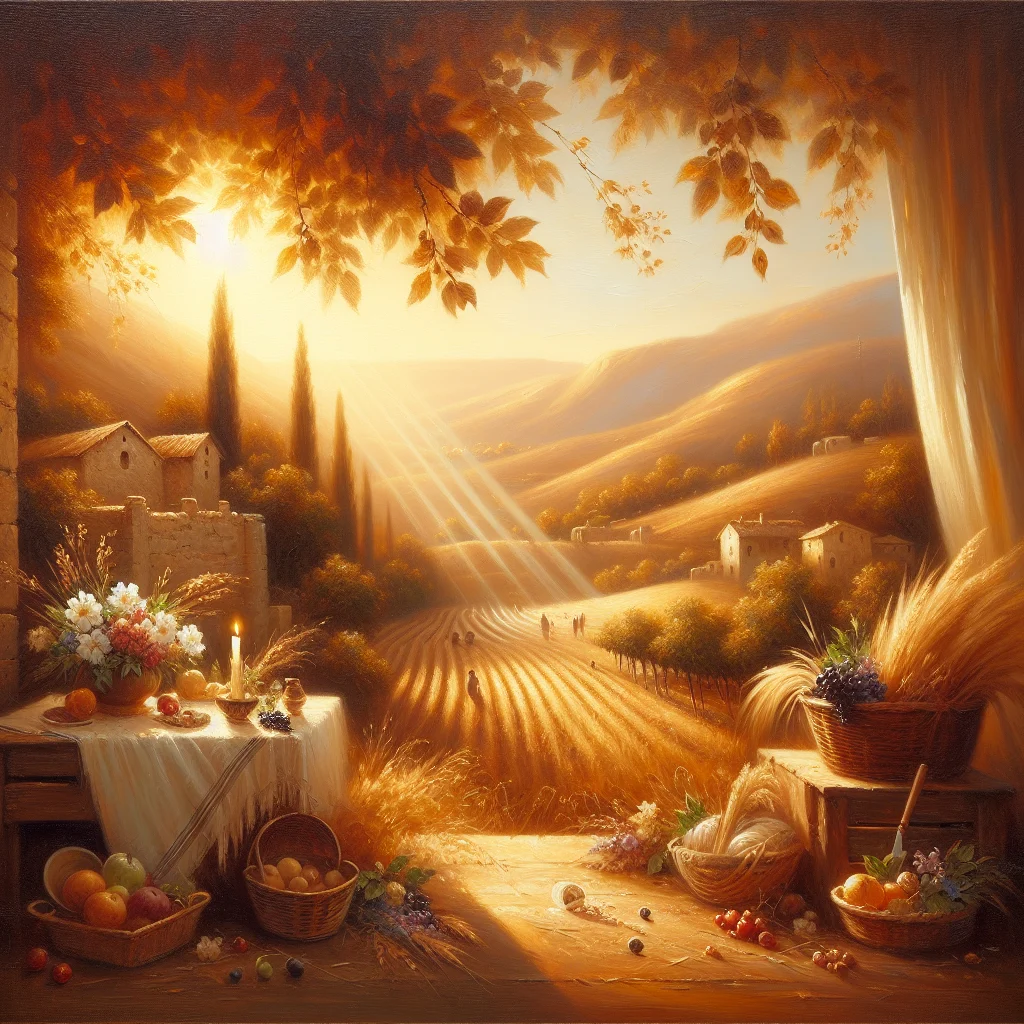
Understanding the Roots of Cultura Slow Living
The **slow movement** began with a specific focus on food quality and traditional cooking methods. However, it quickly expanded to encompass a complete lifestyle transformation. At its core, this philosophy challenges the assumption that faster is always better and that constant busyness equals success.
In many Mediterranean countries, particularly Italy and Spain, slow living principles have been woven into the cultural fabric for generations. The traditional siesta, long family meals, and emphasis on community gatherings all reflect values that prioritize human connection over efficiency. These practices aren’t seen as luxuries but as essential components of a balanced, fulfilling life.
The Philosophy Behind Slow Living Culture
Fundamentally, slow living asks us to be more present and intentional with our choices. It’s not about doing everything at a snail’s pace or rejecting modern conveniences. Instead, it encourages us to carefully consider what deserves our time and energy, creating space for activities and relationships that genuinely enrich our lives.
This approach aligns closely with mindfulness and meditation practices, which teach us to remain grounded in the present moment. By cultivating awareness, we can distinguish between genuine needs and unnecessary distractions imposed by consumer culture and social pressures.
Key Principles That Define the Movement
Several fundamental principles guide the slow living philosophy:
- Intentionality: Making conscious choices rather than operating on autopilot
- Quality over quantity: Prioritizing meaningful experiences over material accumulation
- Connection: Building authentic relationships with people, places, and traditions
- Sustainability: Respecting environmental limits and supporting local economies
- Balance: Creating harmony between work, rest, and leisure
These principles manifest differently across cultures, but the underlying values remain consistent. For example, the concept has deep connections with slow living traditions found in Latin cultures, where family bonds and communal celebrations take precedence over individual achievement.
How Cultura Slow Living Transforms Daily Life
Adopting a slower approach to life doesn’t require dramatic upheaval. Rather, it involves making small, deliberate adjustments to how we structure our days and prioritize our activities. These changes, though seemingly modest, can profoundly impact our overall wellbeing and satisfaction.
One of the most accessible entry points is through food. The Slow Food movement encourages us to reconsider our relationship with what we eat, emphasizing locally sourced ingredients, traditional preparation methods, and the social aspects of dining. Instead of grabbing fast food between meetings, slow eating involves savoring meals with loved ones, appreciating the flavors, and honoring the labor that brought food to our table.
Redesigning Your Home Environment
Our physical surroundings significantly influence our mental state and daily rhythms. Creating a space that supports slow living means eliminating clutter, incorporating natural elements, and designing areas that encourage relaxation and reflection. This concept is beautifully explored in slow living feel-good spaces for contemporary homes.
Consider these practical adjustments:
- Designate a technology-free zone where you can disconnect from digital demands
- Incorporate natural materials like wood, stone, and textiles that create warmth
- Use soft lighting rather than harsh overhead fixtures
- Display meaningful objects rather than accumulating decorative items
- Create comfortable seating areas that invite conversation and contemplation
These environmental changes support a slower pace by reducing sensory overload and creating sanctuaries within your home. As a result, you’ll find it easier to unwind and engage in restorative activities.
Rethinking Work and Productivity
The cultura slow living approach challenges conventional notions about work, particularly the belief that longer hours automatically lead to better results. Research consistently shows that overwork diminishes creativity, decision-making ability, and overall output quality. Therefore, adopting a slower work rhythm can actually enhance professional performance.
This might involve setting clearer boundaries between work and personal time, taking proper lunch breaks away from your desk, or focusing deeply on single tasks rather than constant multitasking. While these practices may seem counterintuitive in productivity-obsessed cultures, they typically lead to more sustainable success and greater job satisfaction.
Many people wonder whether embracing this lifestyle means sacrificing ambition. The answer, explored in depth in articles examining whether slow living is lazy, is a resounding no. Slow living isn’t about avoiding responsibility or lacking drive—it’s about channeling energy more thoughtfully toward what truly matters.
The Intersection of Slow Living and Holistic Wellness
The slow living philosophy naturally complements broader approaches to holistic living. Both perspectives recognize that wellbeing encompasses physical, mental, emotional, and spiritual dimensions that cannot be addressed in isolation. Consequently, they advocate for integrated practices that nurture the whole person.
For instance, incorporating movement into daily life through walking rather than always driving, practicing yoga, or gardening connects physical activity with mental clarity and emotional grounding. Similarly, preparing meals from scratch engages multiple senses while providing nutritional benefits and opportunities for creative expression.
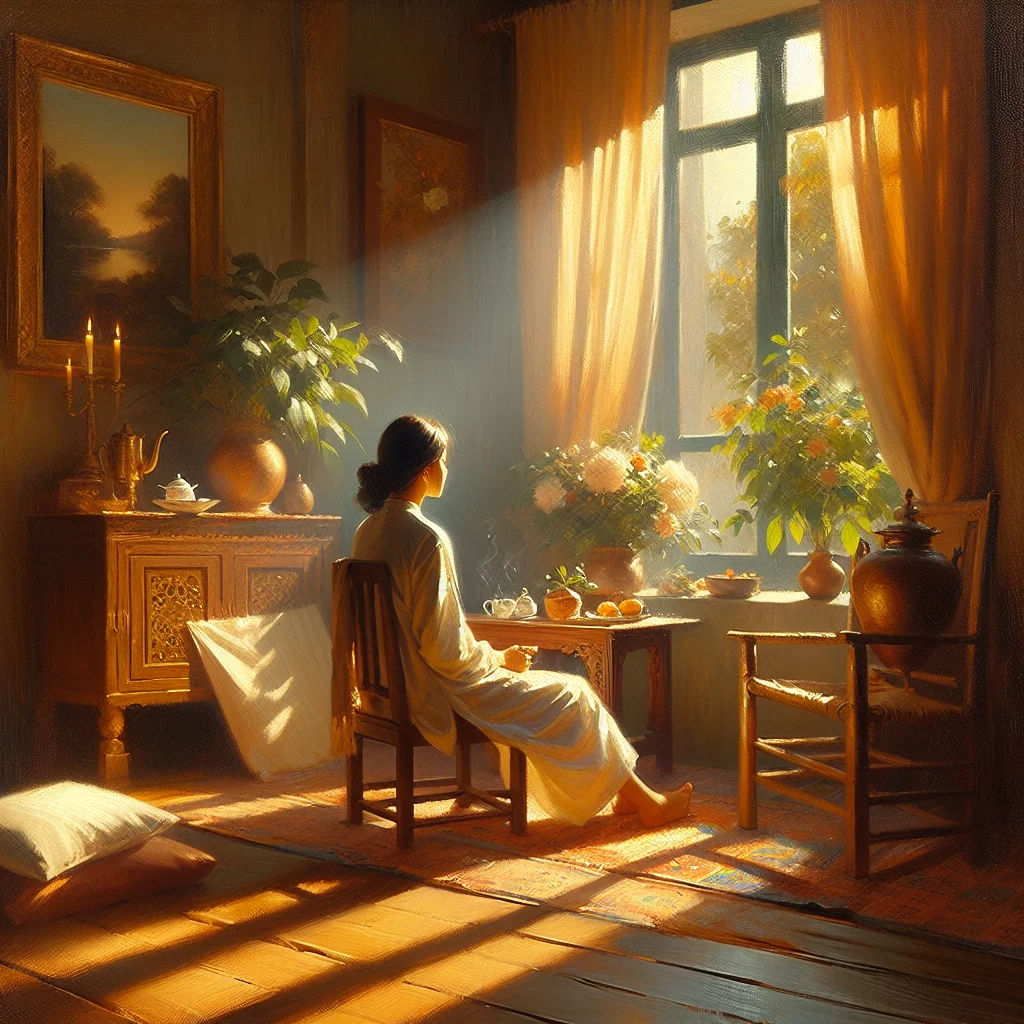
Mental Health Benefits of Slower Living
Perhaps the most compelling argument for adopting **cultura slow living** principles relates to mental health. Chronic stress, anxiety, and burnout have reached epidemic proportions in many developed societies, largely driven by relentless pace and constant connectivity. Slowing down offers a practical strategy for addressing these challenges.
Studies published in journals like Personality and Social Psychology demonstrate that people who engage in fewer activities with greater presence report higher life satisfaction than those who pack their schedules. This finding underscores a crucial distinction: busyness doesn’t equal fulfillment.
By intentionally creating space between commitments, we allow our nervous systems to reset and our minds to process experiences more thoroughly. This practice reduces anxiety, improves sleep quality, and enhances our capacity for genuine enjoyment. Furthermore, it cultivates resilience, helping us respond to challenges with greater equanimity rather than reactive stress.
Spiritual Dimensions of the Slow Movement
Many practitioners discover that slow living naturally opens doors to deeper spiritual exploration. When we’re constantly rushing, there’s little room for contemplation about life’s bigger questions or connection with something beyond ourselves. However, creating spaciousness allows these dimensions to emerge organically.
This doesn’t necessarily mean adopting any particular religious framework. Rather, it involves cultivating awareness of interconnection, appreciating beauty and mystery, and recognizing that our worth isn’t determined by productivity. These themes resonate strongly with spirituality and inner work practices that many find transformative.
Practical Steps to Embrace Cultura Slow Living
Transitioning to a slower lifestyle requires both philosophical shifts and concrete actions. While the journey is deeply personal, certain strategies can help you begin incorporating these principles regardless of your current circumstances.
Starting Small: Micro-Practices for Daily Life
Instead of attempting a complete lifestyle overhaul, focus initially on small, manageable changes. These micro-practices create momentum while allowing you to discover what resonates most authentically with your values and circumstances.
Consider implementing these simple practices:
- Morning ritual: Begin each day with ten minutes of stillness before checking devices
- Mindful transitions: Take three deep breaths before shifting between activities
- Single-tasking: Give full attention to one activity at a time, especially during meals
- Nature connection: Spend time outdoors daily, even if just a brief walk
- Digital sunset: Establish a time each evening when screens are turned off
These practices may seem minor, but they gradually rewire our default patterns and create openings for deeper transformation. Moreover, they provide immediate benefits that reinforce continued commitment to the slow living path.
Navigating Social Expectations and Resistance
One challenge many face when embracing slow living involves managing social expectations. In cultures that glorify busyness, choosing a different pace can provoke confusion or even criticism from others. Therefore, developing clear communication about your values and boundaries becomes essential.
When declining invitations or reducing commitments, honest explanation often helps others understand your choices. You might say, “I’m intentionally creating more space in my schedule to be fully present for the activities I do choose.” This approach invites understanding rather than defensiveness.
Additionally, seeking community with like-minded individuals provides crucial support. Whether through local slow living groups, online forums, or friendships with others who share these values, connection with supporters makes the journey more sustainable and enjoyable.
Slow Living Across Different Cultures
While the **cultura slow living** label originated in Western contexts, similar philosophies exist worldwide, each shaped by local traditions and environments. Exploring these variations enriches our understanding and offers diverse approaches to implementing slow living principles.
Mediterranean Approaches to Leisurely Living
Mediterranean cultures have long exemplified slow living values through their emphasis on extended meals, afternoon rest periods, and strong community bonds. The Greek concept of *philoxenia* (love of strangers) and Italian *dolce far niente* (sweetness of doing nothing) capture essential aspects of this worldview.
These societies demonstrate that productivity and economic success need not come at the expense of quality of life. Countries like Italy and Spain, despite facing economic challenges, consistently rank high in life satisfaction surveys, suggesting that cultural values significantly impact wellbeing beyond material wealth.
Eastern Philosophies and Slow Living
Many Eastern philosophical traditions offer complementary perspectives on living intentionally. Japanese concepts like *ikigai* (reason for being) and *wabi-sabi* (finding beauty in imperfection) align closely with slow living principles. Similarly, Buddhist teachings about mindfulness and non-attachment provide frameworks for reducing unnecessary complexity in our lives.
The practice of the art of slow living draws from these diverse traditions, creating a synthesis that honors both ancient wisdom and contemporary circumstances. By learning from multiple cultural perspectives, we can craft approaches that feel authentic and relevant to our individual contexts.
Addressing Common Misconceptions
As slow living gains popularity, various misconceptions have emerged that can create confusion or deter people from exploring this lifestyle. Addressing these misunderstandings helps clarify what the movement truly represents.
Slow Living Isn’t About Rejection or Privilege
Some critics argue that slow living represents a privileged position available only to those with financial security and flexible schedules. While economic factors certainly influence implementation, the core philosophy transcends socioeconomic status. Even within challenging circumstances, people can make choices that prioritize presence, simplicity, and connection over consumption and hurry.
Furthermore, slow living doesn’t advocate rejecting all modern conveniences or technology. Rather, it encourages mindful engagement with these tools, using them intentionally rather than allowing them to dominate our attention and time. A smartphone can support slow living if used to stay connected with loved ones, capture meaningful moments, or access information that enriches our understanding.
It’s Not the Opposite of Ambition
Another common misconception positions slow living as inherently opposed to ambition or achievement. This binary thinking misunderstands the philosophy’s nuance. The movement doesn’t discourage having goals or working toward meaningful accomplishments. Instead, it questions whether constant busyness represents the most effective path toward those goals.
Many successful entrepreneurs, artists, and professionals attribute their achievements partially to practices aligned with slow living—focused work sessions, adequate rest, time for creative incubation, and strong personal relationships that provide support and inspiration. The opposite of slow living isn’t success but rather frantic, unsustainable striving that often undermines both wellbeing and long-term achievement.
Creating Your Personal Slow Living Practice
Ultimately, embracing **cultura slow living** requires developing an approach tailored to your unique circumstances, values, and aspirations. While general principles provide guidance, the specific expression of slow living will vary significantly from person to person and evolve throughout different life stages.
Begin by identifying areas of your life where you feel most rushed, disconnected, or unsatisfied. These pain points often indicate where slow living practices could offer the greatest benefit. Perhaps you’re perpetually exhausted from overcommitment, feel disconnected from your partner despite living together, or realize you can’t remember the last time you truly relaxed.
Designing Sustainable Rhythms
Rather than rigid rules, think in terms of rhythms that create sustainable patterns. Natural cycles—daily, weekly, and seasonal—provide templates for structuring time in ways that honor both productivity and rest. For example, you might designate certain days for intensive work and others for restoration, or create seasonal rhythms that adjust activities based on weather and energy levels.
These rhythms should feel nourishing rather than restrictive. If a particular practice generates stress or doesn’t align with your authentic preferences, adjust it. The goal is liberation from mindless hurry, not adherence to yet another set of rigid expectations.
Measuring Success Differently
Traditional success metrics—income, titles, possessions—often fail to capture what makes life truly meaningful. Slow living invites us to develop alternative measures: quality of relationships, sense of purpose, moments of genuine joy, creative expression, or contributions to community wellbeing.
Regularly reflecting on these dimensions helps maintain focus on what truly matters. You might keep a simple journal noting daily moments of presence, gratitude, or connection. Over time, these records reveal patterns and provide encouragement during challenging periods when old habits pull you back toward hurry and distraction.
For those seeking to deepen their practice, resources like Manifest Your Dreams: A Practical Guide to the Law of Attraction can help align your slower pace with clear intention and purposeful living.
The Future of Slow Living Culture
As awareness grows about the unsustainability of current lifestyles—both environmentally and personally—slow living principles are gaining mainstream traction. What began as a countercultural movement increasingly influences business practices, urban planning, education, and healthcare.
Companies are experimenting with shorter work weeks, recognizing that well-rested, fulfilled employees perform better than burned-out ones. Cities are creating car-free zones and pedestrian-friendly spaces that encourage slower movement and human interaction. Schools are incorporating contemplative practices and unstructured play, recognizing that development requires time for imagination and integration.
These systemic changes, though still limited, suggest that slow living may represent more than individual lifestyle choice—it could signal a broader cultural evolution toward more humane, sustainable ways of organizing society. However, this transformation requires continued advocacy and the willingness of individuals to model alternatives to dominant narratives about success and the good life.
Your Invitation to Slow Down
Embracing **cultura slow living** represents an act of resistance against forces that profit from our distraction, exhaustion, and disconnection. It’s also an affirmation of what makes us most fully human—our capacity for presence, creativity, love, and wonder.
The journey toward slower living isn’t always easy, especially initially. You may encounter internal resistance, social pressure, or practical obstacles. Nevertheless, most who commit to this path report that the rewards—deeper relationships, greater peace, enhanced creativity, and improved health—far exceed the challenges.
Whether you start with a single micro-practice or make more dramatic changes, the essential step is simply beginning. Each moment offers an opportunity to choose presence over distraction, quality over quantity, and meaning over mindless momentum.
If you’re ready to support your slow living journey with additional resources, explore The Self-Love Reset: A Journey to Rediscover Yourself, which provides tools for the inner work that sustains this outward lifestyle transformation.
The cultura slow living movement reminds us that another way of being is possible—one that honors our humanity, respects planetary limits, and cultivates the conditions for genuine flourishing. In choosing to slow down, you’re not falling behind; you’re stepping into a richer, more intentional way of moving through the world.

